





Aid workers have warned for years that they must operate independently from military forces in Afghanistan and Pakistan or risk being seen by locals -- and by militants -- as part of the counterinsurgency campaign.
With a rising number of targeted attacks against medical aid workers in both Pakistan and Afghanistan, those warnings appear increasingly relevant and justified.
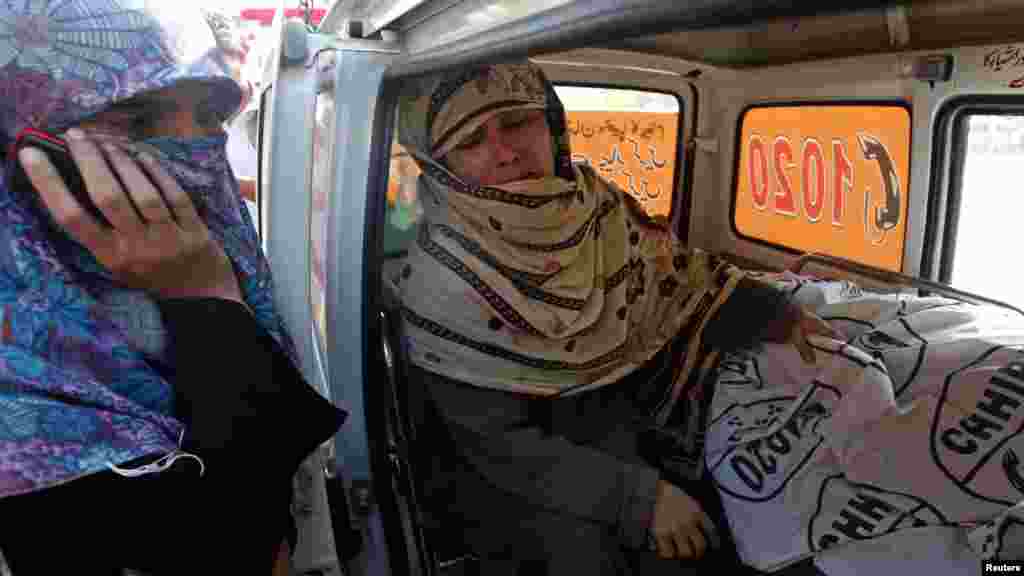
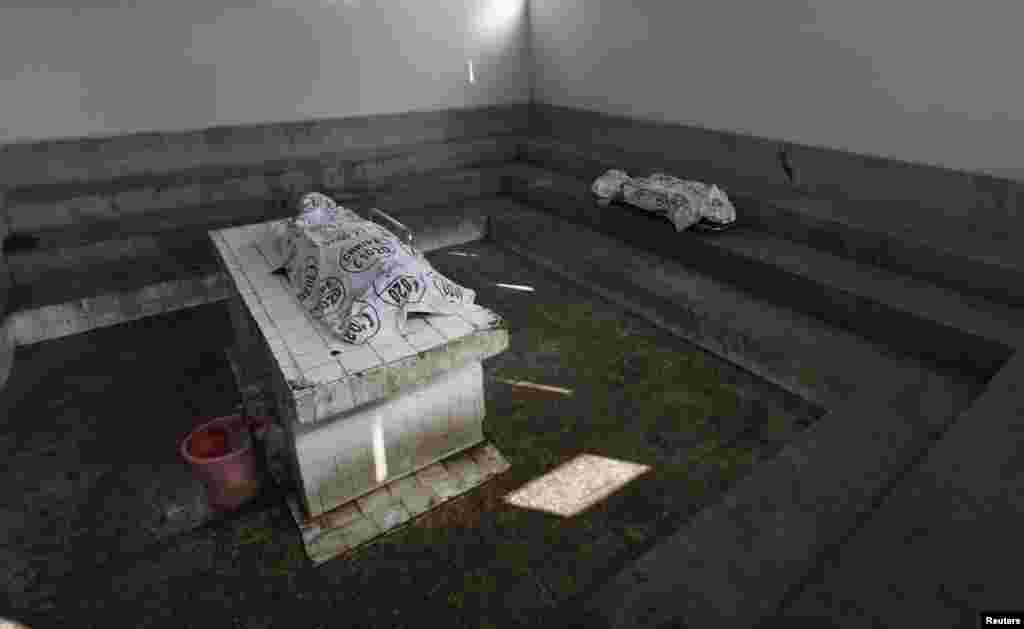
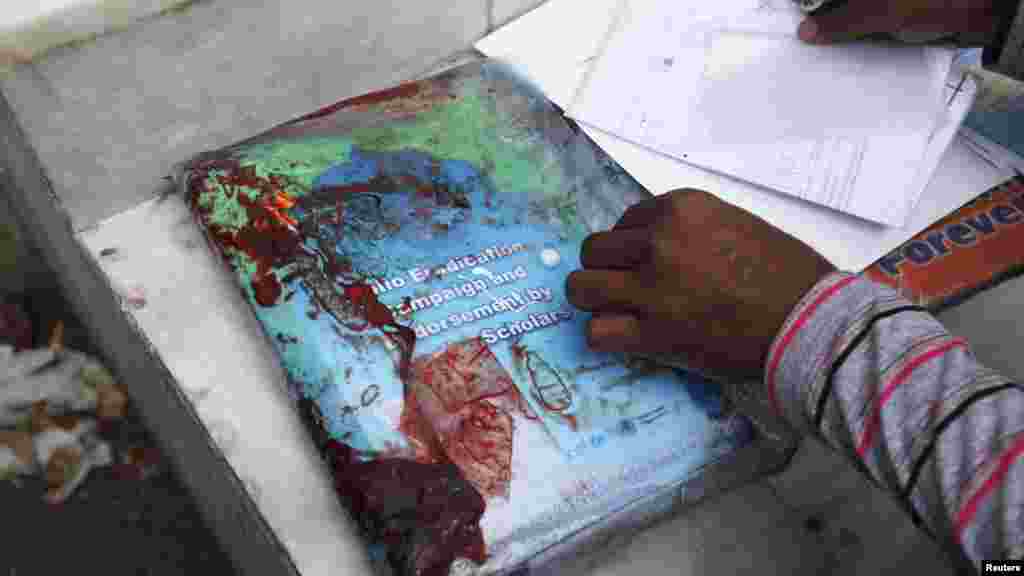
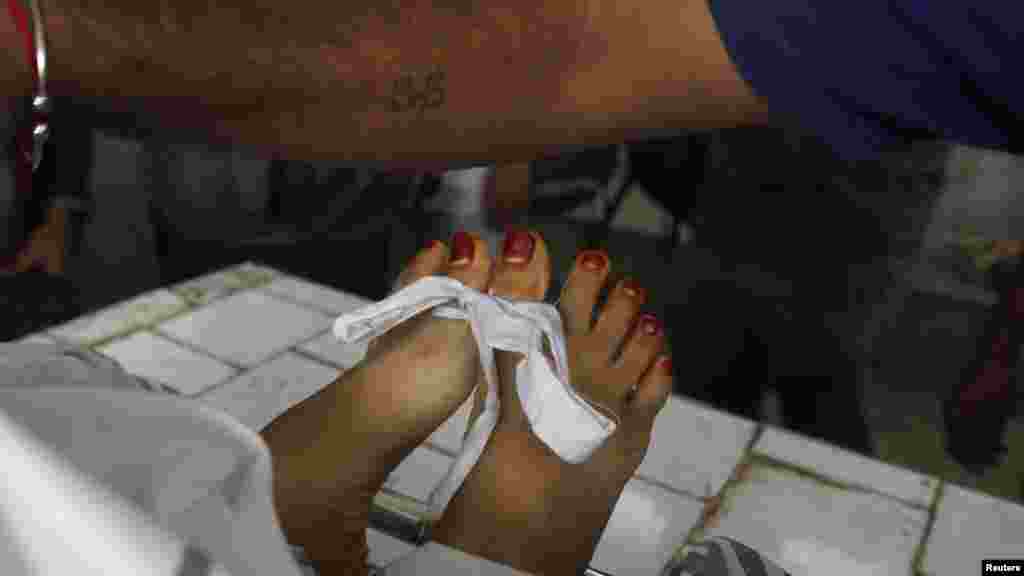
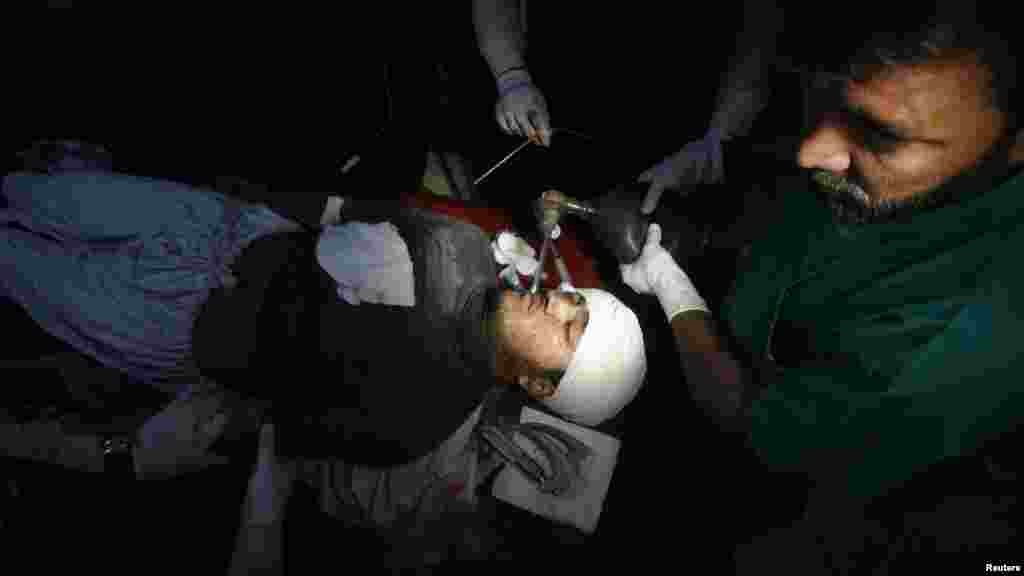
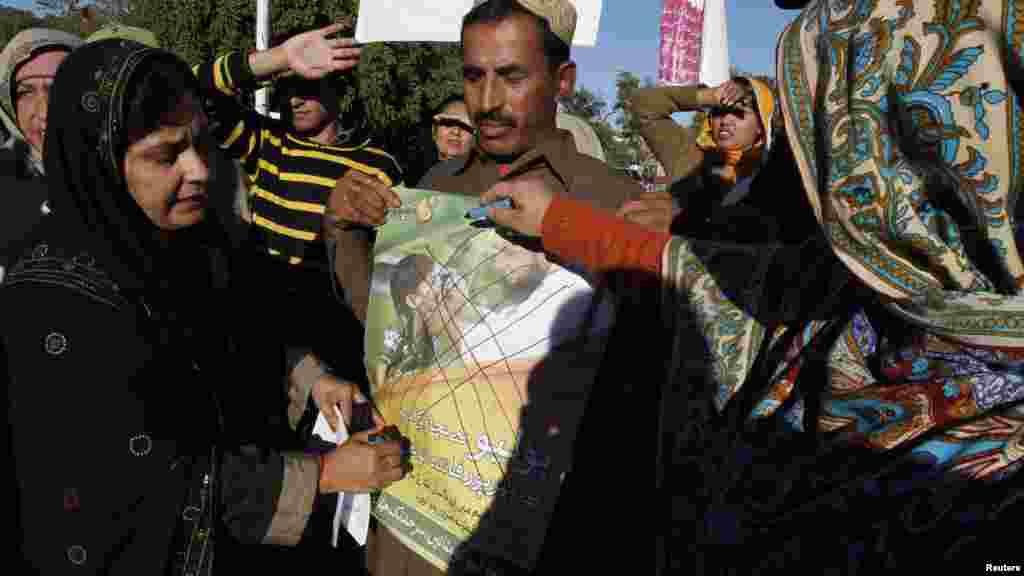
In the past week, eight polio-eradication workers have been targeted and killed in Pakistan by gunmen.
Scores of foreign and Afghan humanitarian aid workers have also been killed in Afghanistan in recent years -- most recently, the December 1 shooting death in Kapisa Province of a 20-year-old Afghan woman who distributed polio vaccinations in the village of Kohistan.
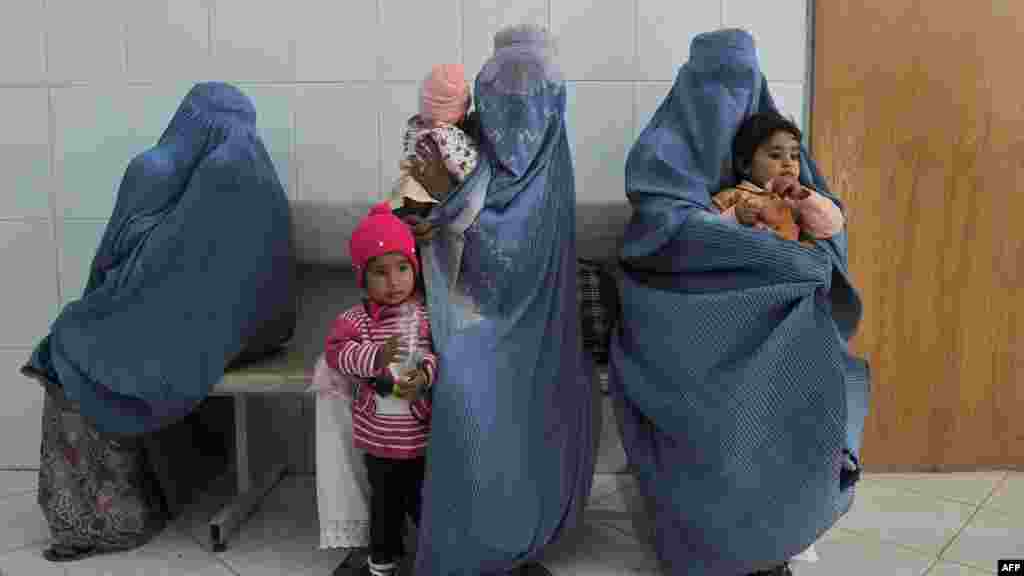
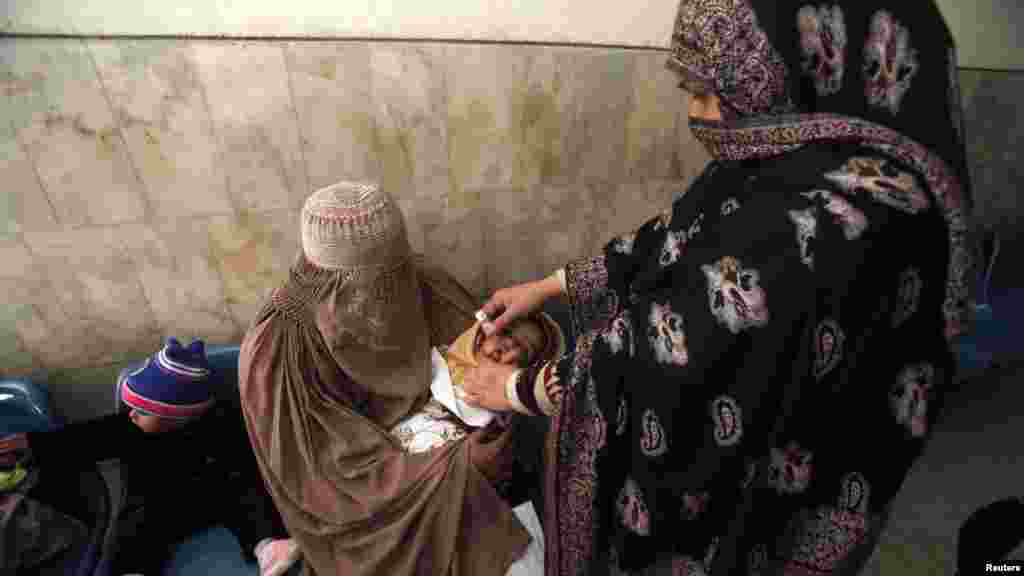
Concerned about the safety of health workers, the World Health Organization, UNICEF, and Pakistan's government have halted their field immunization campaigns -- including a three-day immunization drive aimed at vaccinating millions of Pakistani children.
Health workers in Afghanistan and Pakistan tell RFE/RL they feel increasingly threatened as a result of counterinsurgency operations in the areas where they operate. They say militants increasingly are linking aid workers to intelligence agents and military forces.
'Sacred' Space
Sarah Crowe, a spokeswoman for UNICEF, says the best protection for aid workers is for their "humanitarian space" to remain independent from armed forces. "Health workers or aid workers -- in this particular case, polio vaccinators -- must be protected at all times, and [that means] the space in which they operate must remain safe and free of any political interference whatsoever," she says.
"So that humanitarian space is sacred and must remain so, because it is not just about the health and lives of those polio workers and the health workers concerned; it is also about the children they serve," Crowe adds. "That is why it is all the more important that this humanitarian space remain sacred."
But Mustafa Qadri, a researcher for Amnesty International, says military operations in both Afghanistan and Pakistan have blurred the line of distinction between humanitarian workers and soldiers.
"The line has been blurred, certainly in Afghanistan, since there has been this push for a civilian surge where, quite deliberately, there has been an attempt to use aid workers to promote objectives in a conflict," Qadri says. "The practical impact on the people can be devastating."
In Pakistan, meanwhile, some Islamic clerics have announced opposition to immunization programs since a Pakistani CIA informant created a fake hepatitis-immunization campaign to locate Osama bin Laden.
"With the doctor who helped the CIA to track down bin Laden, that move to use a fake vaccination campaign has had a very big negative impact on the much-needed vaccinations and health needs of Pakistanis," Qadri says. "Even before that secret campaign was disclosed, groups like the Taliban and others would claim that polio and other kinds of vaccinations were actually an attempt to sterilize the population and to get information. So, in a way, they've exploited that revelation."
Double-Edged Damage
Indeed, militants in Pakistan say the immunization drives are a scheme by Western and Pakistani intelligence agencies to spy on them.
Suspected Taliban fighters have more frequently kidnapped or killed aid workers since the May 1, 2011 raid by U.S. forces that killed bin Laden in Abbottabad, Pakistan.
But it's not just the fake immunization program in Abbottabad that has raised aid workers' concerns.
A Swedish aid organization, the Swedish Committee for Afghanistan, is in the midst of talks with NATO officials in Afghanistan after NATO and soldiers from the Afghan National Army occupied an Afghan health clinic in Wardak Province in late October.
The aid group says NATO used the clinic as a detention and interrogation center for three days -- as well as for a combat operations hub and a strategic position to launch mortars.
Andreas Stefansson, the country director of the Swedish Committee, says such incidents cause patients and staff to lose confidence that medical centers are a neutral zone respected by warring parties.
"We're not going to let this go," Stefansson says. "We're going to keep the pressure up together along with other health actors to ensure that they actually improve, because repeatedly there are breaches around the country toward health facilities and hospitals."
Meanwhile, World Health Organization spokesman Tarik Jasarevic says the cancellation of the immunization programs in Pakistan threatens to reverse recent gains toward eradicating polio in Pakistan -- where 56 polio paralysis cases were reported this year, down from 190 cases in 2011.
Afghanistan and Nigeria are the only other countries where the debilitating disease is endemic.
With a rising number of targeted attacks against medical aid workers in both Pakistan and Afghanistan, those warnings appear increasingly relevant and justified.
In the past week, eight polio-eradication workers have been targeted and killed in Pakistan by gunmen.
Scores of foreign and Afghan humanitarian aid workers have also been killed in Afghanistan in recent years -- most recently, the December 1 shooting death in Kapisa Province of a 20-year-old Afghan woman who distributed polio vaccinations in the village of Kohistan.
Concerned about the safety of health workers, the World Health Organization, UNICEF, and Pakistan's government have halted their field immunization campaigns -- including a three-day immunization drive aimed at vaccinating millions of Pakistani children.
Health workers in Afghanistan and Pakistan tell RFE/RL they feel increasingly threatened as a result of counterinsurgency operations in the areas where they operate. They say militants increasingly are linking aid workers to intelligence agents and military forces.
'Sacred' Space
Sarah Crowe, a spokeswoman for UNICEF, says the best protection for aid workers is for their "humanitarian space" to remain independent from armed forces. "Health workers or aid workers -- in this particular case, polio vaccinators -- must be protected at all times, and [that means] the space in which they operate must remain safe and free of any political interference whatsoever," she says.
"So that humanitarian space is sacred and must remain so, because it is not just about the health and lives of those polio workers and the health workers concerned; it is also about the children they serve," Crowe adds. "That is why it is all the more important that this humanitarian space remain sacred."
But Mustafa Qadri, a researcher for Amnesty International, says military operations in both Afghanistan and Pakistan have blurred the line of distinction between humanitarian workers and soldiers.
"The line has been blurred, certainly in Afghanistan, since there has been this push for a civilian surge where, quite deliberately, there has been an attempt to use aid workers to promote objectives in a conflict," Qadri says. "The practical impact on the people can be devastating."
In Pakistan, meanwhile, some Islamic clerics have announced opposition to immunization programs since a Pakistani CIA informant created a fake hepatitis-immunization campaign to locate Osama bin Laden.
"With the doctor who helped the CIA to track down bin Laden, that move to use a fake vaccination campaign has had a very big negative impact on the much-needed vaccinations and health needs of Pakistanis," Qadri says. "Even before that secret campaign was disclosed, groups like the Taliban and others would claim that polio and other kinds of vaccinations were actually an attempt to sterilize the population and to get information. So, in a way, they've exploited that revelation."
Double-Edged Damage
Indeed, militants in Pakistan say the immunization drives are a scheme by Western and Pakistani intelligence agencies to spy on them.
Suspected Taliban fighters have more frequently kidnapped or killed aid workers since the May 1, 2011 raid by U.S. forces that killed bin Laden in Abbottabad, Pakistan.
But it's not just the fake immunization program in Abbottabad that has raised aid workers' concerns.
A Swedish aid organization, the Swedish Committee for Afghanistan, is in the midst of talks with NATO officials in Afghanistan after NATO and soldiers from the Afghan National Army occupied an Afghan health clinic in Wardak Province in late October.
The aid group says NATO used the clinic as a detention and interrogation center for three days -- as well as for a combat operations hub and a strategic position to launch mortars.
Andreas Stefansson, the country director of the Swedish Committee, says such incidents cause patients and staff to lose confidence that medical centers are a neutral zone respected by warring parties.
"We're not going to let this go," Stefansson says. "We're going to keep the pressure up together along with other health actors to ensure that they actually improve, because repeatedly there are breaches around the country toward health facilities and hospitals."
Meanwhile, World Health Organization spokesman Tarik Jasarevic says the cancellation of the immunization programs in Pakistan threatens to reverse recent gains toward eradicating polio in Pakistan -- where 56 polio paralysis cases were reported this year, down from 190 cases in 2011.
Afghanistan and Nigeria are the only other countries where the debilitating disease is endemic.

