




More on that Russian meat ban from our News Desk:
Russia’s agricultural watchdog says it will ban the import of numerous meat products from the European Union as of October 21, citing safety concerns.
The banned EU products include pork, chicken, and beef fats, and offal, according to the government watchdog, Rosselkhoznadzor. Inspectors found banned and harmful substances in these imports, the agency said.
"Safety rules were broken," agency spokesman Alexei Alekseyenko told the French news agency AFP.
The United States and EU have slapped several rounds of sanctions on Russia in response to its role in the conflict in neighboring Ukraine.
Russia responded earlier this year by banning certain U.S. and EU food products.
Western governments have long accused Russia of using alleged safety concerns as a pretext for leveling politically motivated bans on foreign food imports.
From the Associated Press:
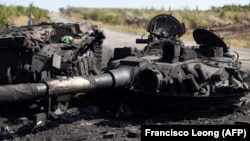
A report by Ukraine's parliament revealed Monday that more than 300 soldiers were killed during a weekslong battle that marked a crushing setback in the military campaign to root out pro-Russian separatist forces in the east.
The report is the first official confirmation of the scale of a defeat in the city of Ilovaisk that critics of the country's military command have described as the result of disastrous leadership.
It is believed the ultimate number of servicemen lost may be even greater, and the parliamentary inquiry into the Ilovaisk battle complained that military authorities have failed to cooperate.
"Neither the Defense Ministry nor the General Staff has responded to queries from the investigating committee about losses in the armed forces," the committee said in a statement.
Ukrainian forces mounted an assault on Ilovaisk in early August only to eventually find themselves besieged by heavily armed separatist fighters.
The city and surrounding villages still bears signs of heavy shelling.
A cease-fire deal struck a month ago by Ukraine's President Petro Poroshenko, Russian President Vladimir Putin, and the rebel leadership is often violated.
German Chancellor Angela Merkel said Monday "there's a long way to a cease-fire, unfortunately," given the number of people who have been killed since the deal was struck. Europe is seeking full compliance with the cease-fire, clear border controls and local elections in eastern Ukraine in compliance with Ukrainian law, and not under auspices of the rebels.
Speaking in Slovakia, where she met with its prime minister, Robert Fico, Merkel said Ukraine's territorial integrity must be ensured "not just on paper" and that the cease-fire plan has to become effective in all its details..
From the French news agency AFP:
The European Union said Monday it believed a cease-fire and peace plan have helped reduce fighting between government and pro-Russian rebels in eastern Ukraine but condemned continued violations of the accord.
The accords reached last month were a step towards a sustainable political solution of the crisis, the EU's 28 foreign ministers said, but they left to another day any review of current sanctions against Russia.
While the EU took "good note of the decreased overall level of violence as a result of the agreed cease-fire," it also regretted and condemned "continued numerous violations."
The cease-fire and peace plan drawn up in Minsk were backed by Russia, which in March annexed former Soviet state Ukraine's Crimea territory, as Kyiv turned decisively to the EU for its future.
Some 3,700 people have been killed since then, including over 300 soldiers and civilians after the Minsk cease-fire was agreed September 5.
The foreign ministers said in a statement that they expected all sides to live up to their Minsk commitments, stressing Russia's "responsibility in this context."
They also called for "the withdrawal of illegal armed groups, military equipment, fighters and mercenaries" from Ukraine and securing of the border by the pan-European OSCE security group.
Moscow insists it has no military presence in eastern Ukraine where pro-Russian rebels control large areas.