


Accessibility links

Breaking News

Relief Supplies Arrive As Rescue Efforts End Following Deadly Afghan Earthquake

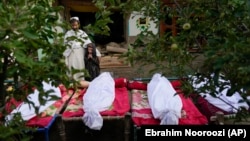
Afghans stand by the bodies of relatives killed in the earthquake in the village of Gayan in Paktika Province.

Tents, food, and medical supplies are arriving in eastern Afghanistan following a deadly earthquake and powerful aftershock.

The death toll resulting from the June 22 earthquake rose to about 1,150 on June 24, according to Abdul Wahid Rayan, the Taliban director of the state-run Bakhtar News Agency.

Rayan said at least 1,600 people were injured when the earthquake hit three mountainous regions near the Pakistani border.

An aftershock on June 24 killed five more people shortly after the Taliban authorities announced that search-and-rescue operations had ended.

Aftershock in Afghanistan As Quake Death Toll Rises To 1,150
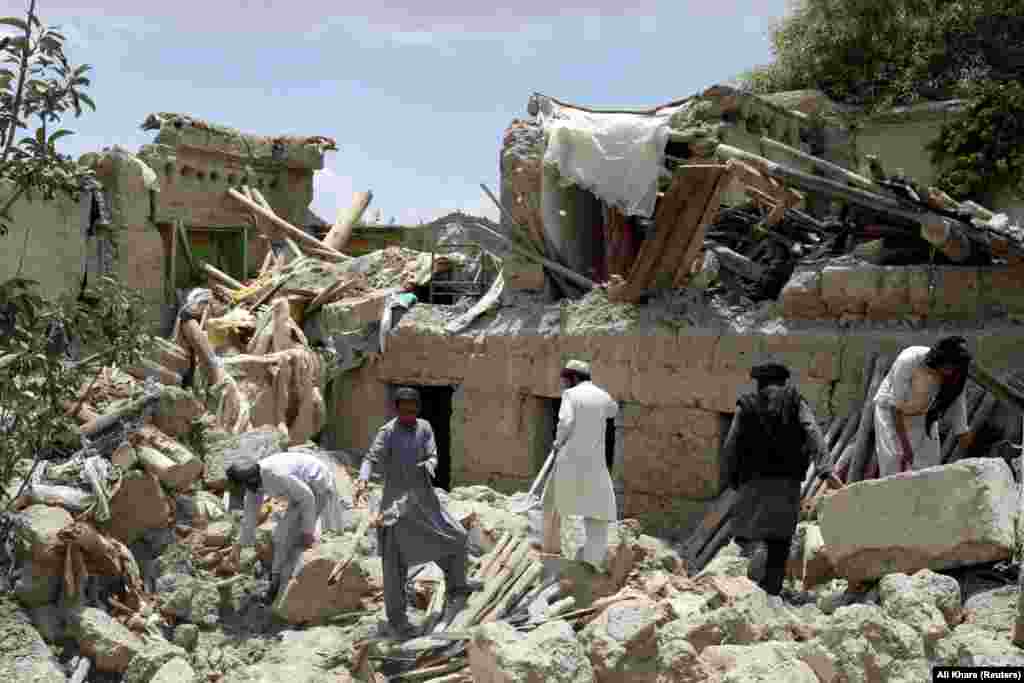
Afghan men search for survivors amid the rubble of a house destroyed by the earthquake, on June 23 in Paktika Province&#39;s Gayan district.<br />
<br />
The Taliban declared the search for survivors to be over on June 24. The disaster poses a challenge for the Taliban-led government, which is largely isolated as a result of its hard-line Islamist policies toward women and girls. The country had already been battling a severe humanitarian crisis after crucial foreign aid was halted following the Taliban takeover in August 2021.&nbsp;
1/14 Afghan men search for survivors amid the rubble of a house destroyed by the earthquake, on June 23 in Paktika Province's Gayan district.

The Taliban declared the search for survivors to be over on June 24. The disaster poses a challenge for the Taliban-led government, which is largely isolated as a result of its hard-line Islamist policies toward women and girls. The country had already been battling a severe humanitarian crisis after crucial foreign aid was halted following the Taliban takeover in August 2021. 
Afghanistan's Taliban authorities have announced the end of search-and-rescue operations following the June 22 earthquake that struck the country's east, bringing the death toll from country's worst natural disaster in two decades to 1,150.
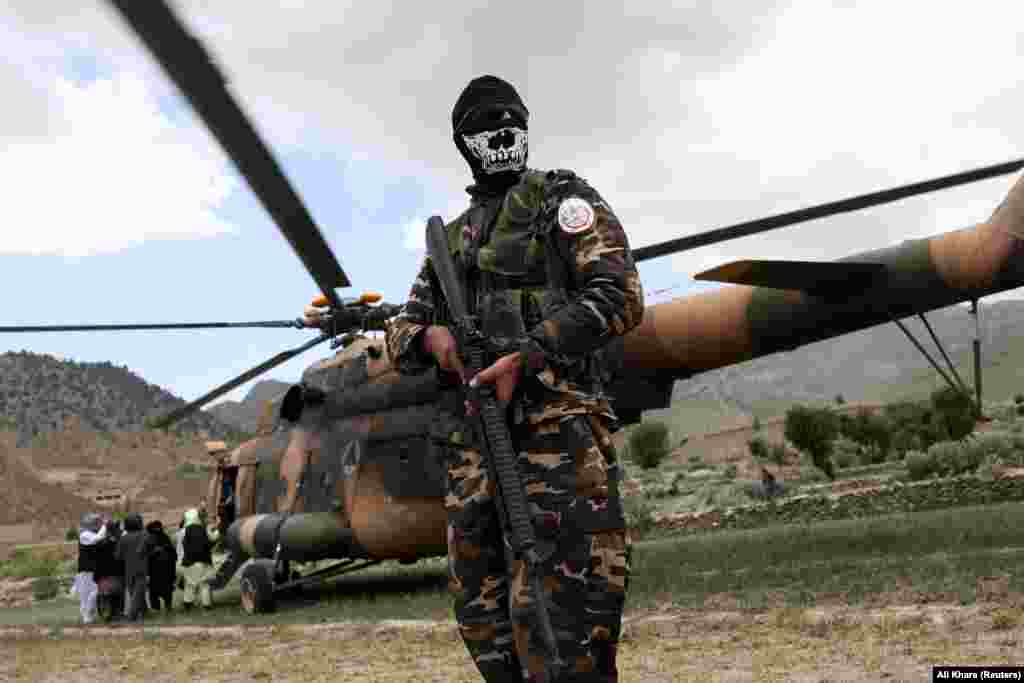
An armed Taliban fighter guards a helicopter used to disperse aid and pick up injured survivors.<br />
<br />
The disaster is a major litmus test for the hard-line Islamists, who have been largely isolated and shunned by the international community over human rights concerns.
2/14 An armed Taliban fighter guards a helicopter used to disperse aid and pick up injured survivors.

The disaster is a major litmus test for the hard-line Islamists, who have been largely isolated and shunned by the international community over human rights concerns.
Afghanistan's Taliban authorities have announced the end of search-and-rescue operations following the June 22 earthquake that struck the country's east, bringing the death toll from country's worst natural disaster in two decades to 1,150.
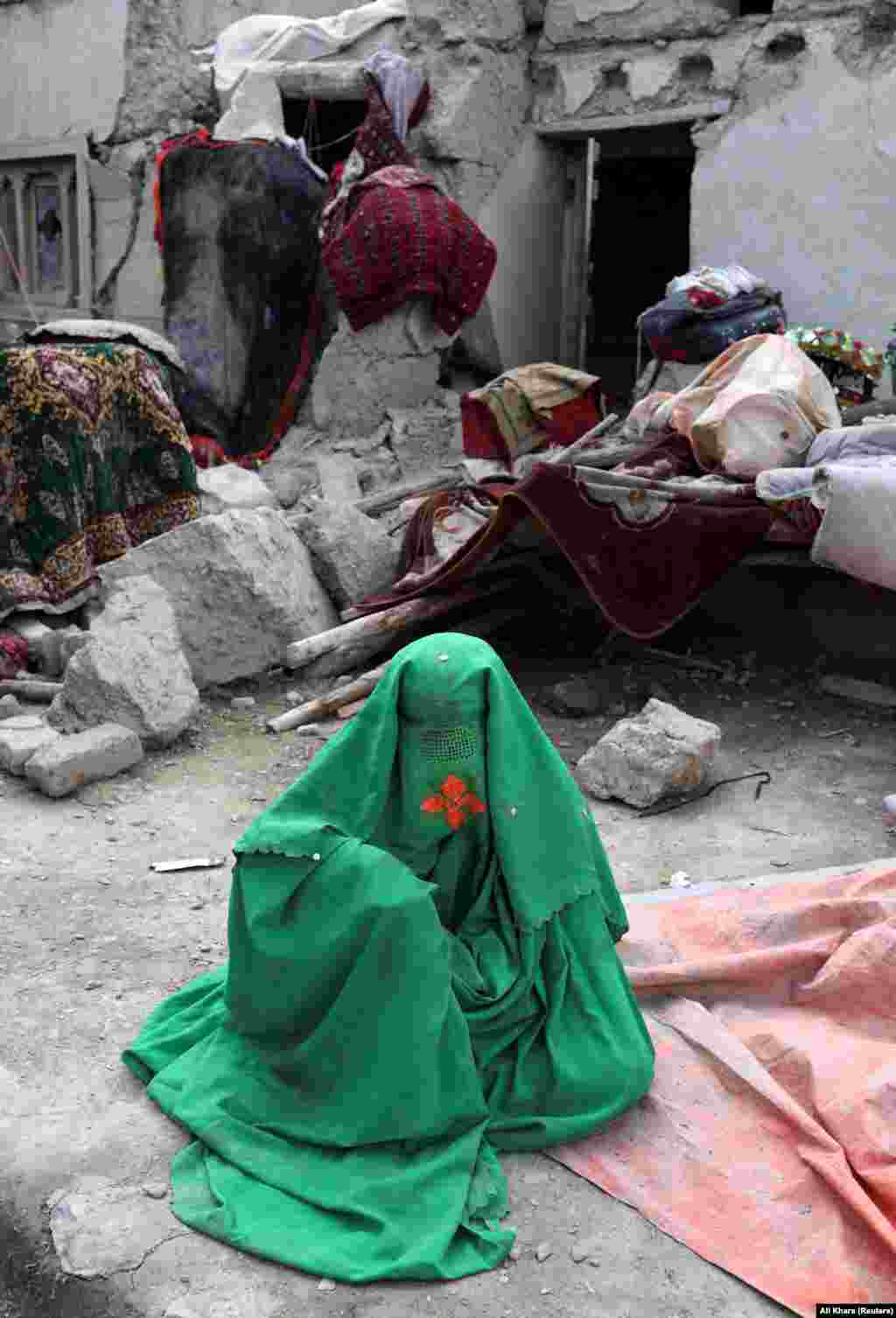
An injured Afghan woman waits for treatment. Taliban officials have stated that the country lacks medical supplies to treat the injured and they have requested humanitarian assistance from the international community.<br />
<br />
The 6.1 magnitude earthquake struck about 160 kilometers&nbsp; southeast of Kabul, near the Pakistani border, in an arid mountain region dotted with small settlements that has been frequently contested during decades of war in Afghanistan.&nbsp;The Paktika and Khost provinces were worst hit.
3/14 An injured Afghan woman waits for treatment. Taliban officials have stated that the country lacks medical supplies to treat the injured and they have requested humanitarian assistance from the international community.

The 6.1 magnitude earthquake struck about 160 kilometers  southeast of Kabul, near the Pakistani border, in an arid mountain region dotted with small settlements that has been frequently contested during decades of war in Afghanistan. The Paktika and Khost provinces were worst hit.
Afghanistan's Taliban authorities have announced the end of search-and-rescue operations following the June 22 earthquake that struck the country's east, bringing the death toll from country's worst natural disaster in two decades to 1,150.
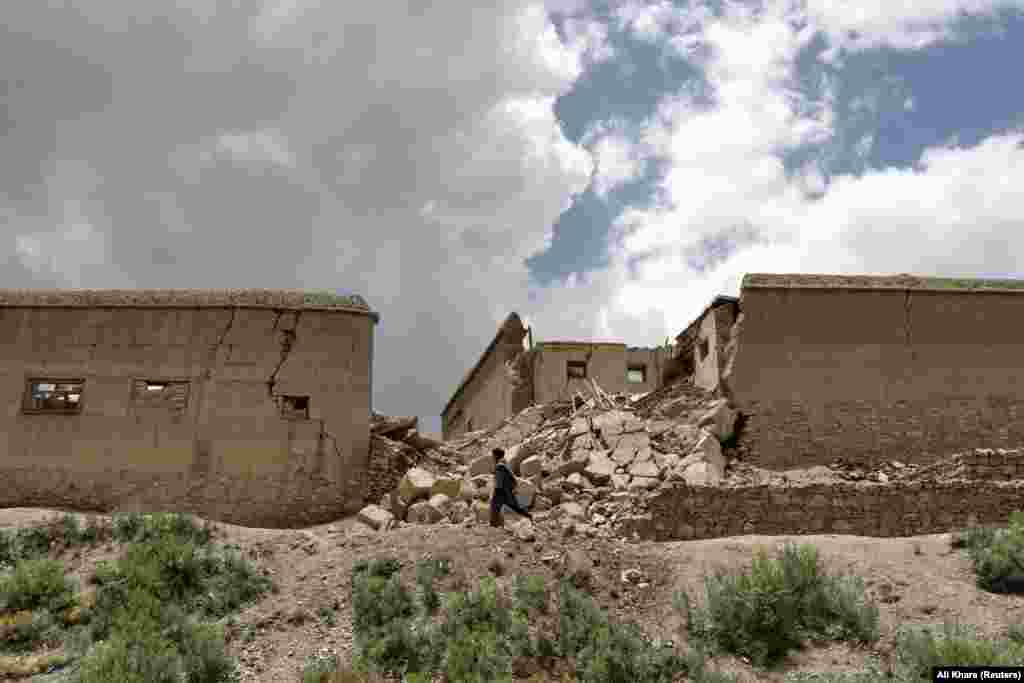
An Afghan man walks past a house in Gayan that was damaged in the earthquake.
4/14 An Afghan man walks past a house in Gayan that was damaged in the earthquake.
Afghanistan's Taliban authorities have announced the end of search-and-rescue operations following the June 22 earthquake that struck the country's east, bringing the death toll from country's worst natural disaster in two decades to 1,150.
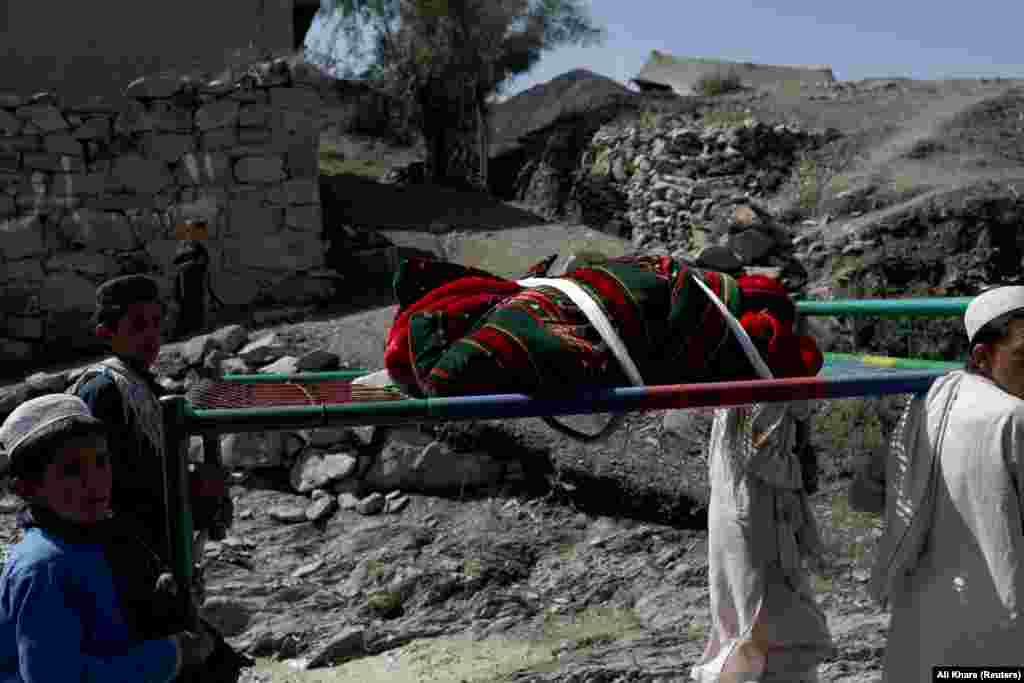
Afghan boys carry the body of a child who was killed in the Golam Kot district in Paktika Province.&nbsp;
5/14 Afghan boys carry the body of a child who was killed in the Golam Kot district in Paktika Province. 
Afghanistan's Taliban authorities have announced the end of search-and-rescue operations following the June 22 earthquake that struck the country's east, bringing the death toll from country's worst natural disaster in two decades to 1,150.
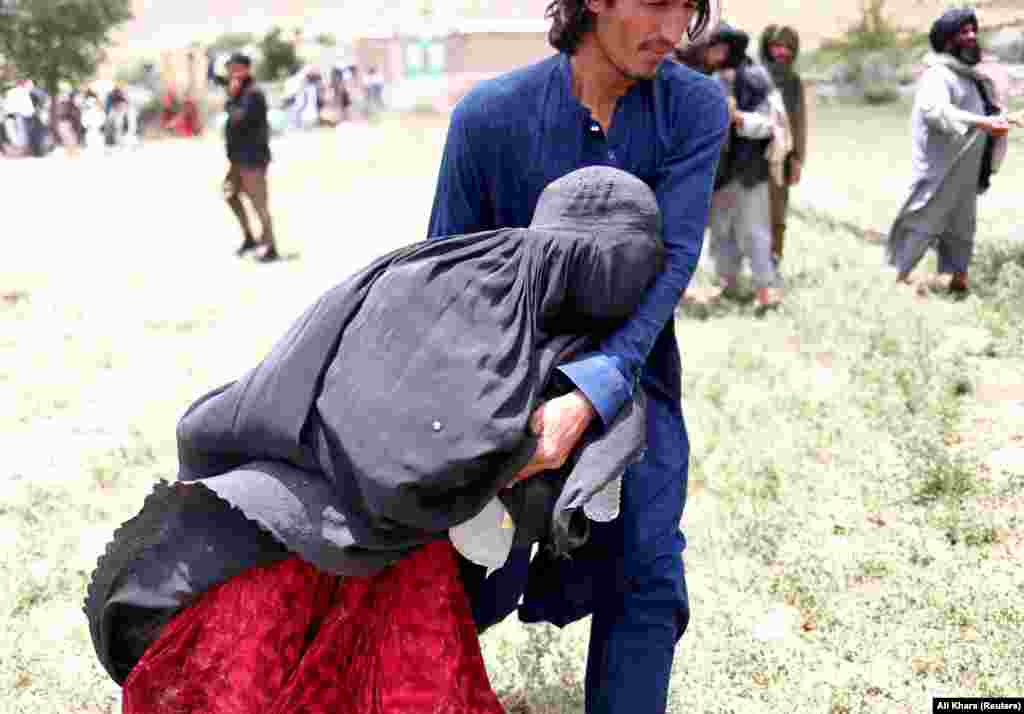
An Afghan woman is assisted to an evacuation helicopter after losing some of her relatives in the earthquake in the Gayan district.
6/14 An Afghan woman is assisted to an evacuation helicopter after losing some of her relatives in the earthquake in the Gayan district.
Afghanistan's Taliban authorities have announced the end of search-and-rescue operations following the June 22 earthquake that struck the country's east, bringing the death toll from country's worst natural disaster in two decades to 1,150.
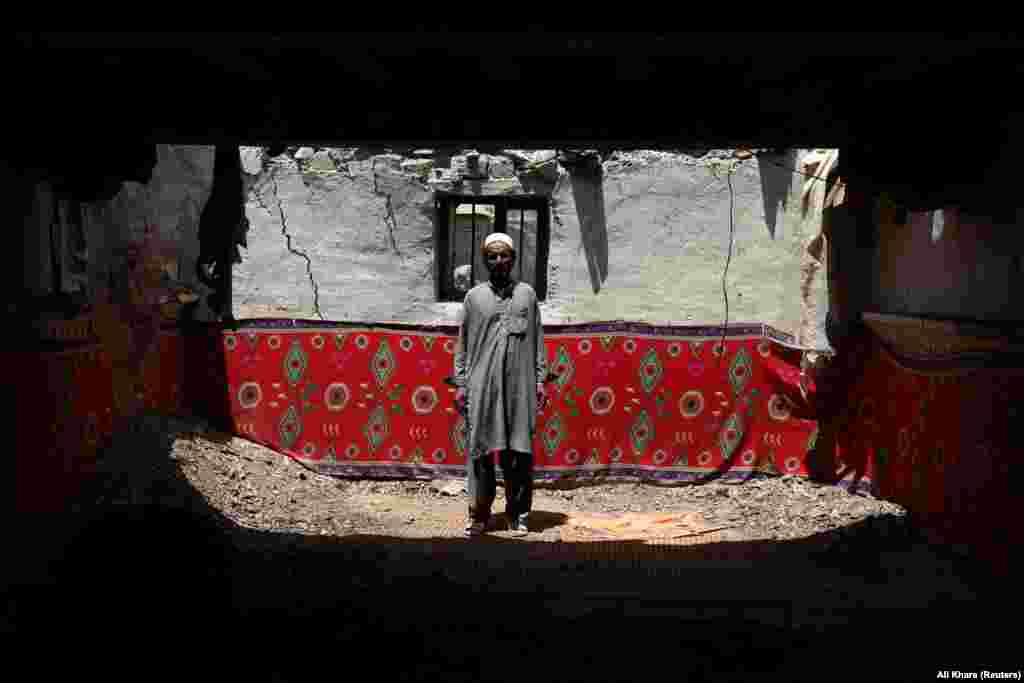
Ahmad Vali poses for a photograph inside his damaged house in Gayan.
7/14 Ahmad Vali poses for a photograph inside his damaged house in Gayan.
Afghanistan's Taliban authorities have announced the end of search-and-rescue operations following the June 22 earthquake that struck the country's east, bringing the death toll from country's worst natural disaster in two decades to 1,150.
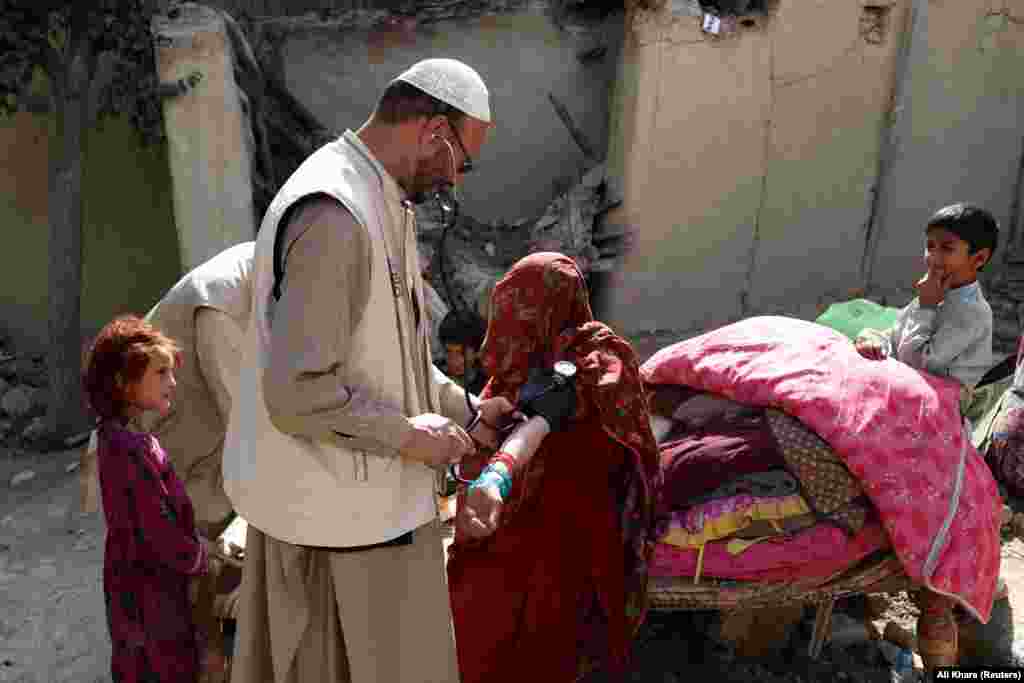
Children look on as an Afghan doctor treats an injured woman.
8/14 Children look on as an Afghan doctor treats an injured woman.
Afghanistan's Taliban authorities have announced the end of search-and-rescue operations following the June 22 earthquake that struck the country's east, bringing the death toll from country's worst natural disaster in two decades to 1,150.
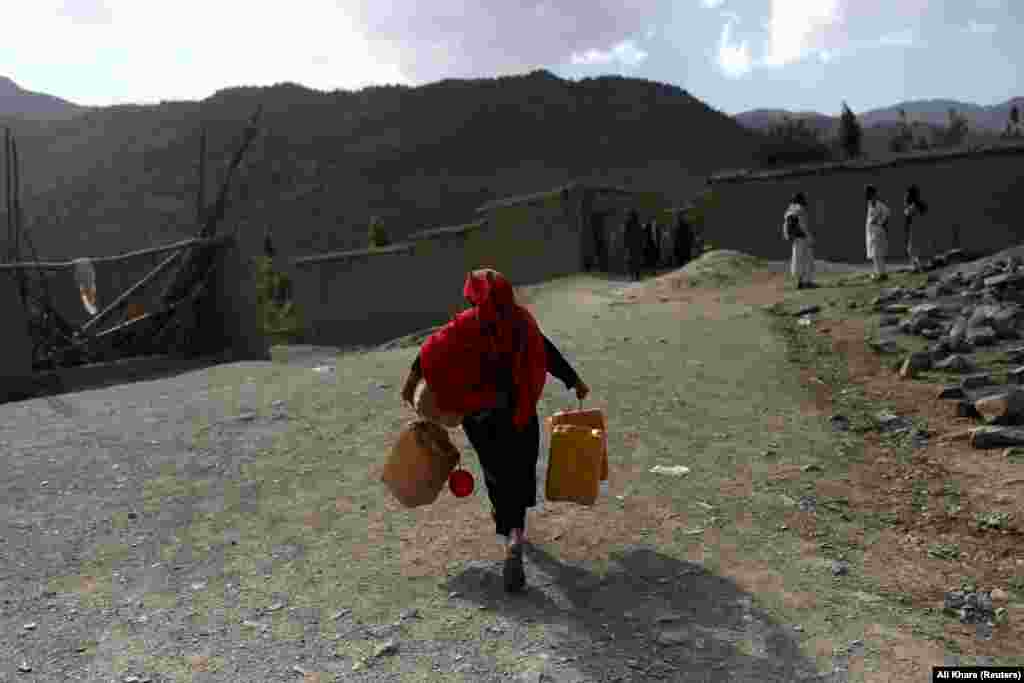
An Afghan girl carries empty water containers in the aftermath of the quake.
9/14 An Afghan girl carries empty water containers in the aftermath of the quake.
Afghanistan's Taliban authorities have announced the end of search-and-rescue operations following the June 22 earthquake that struck the country's east, bringing the death toll from country's worst natural disaster in two decades to 1,150.
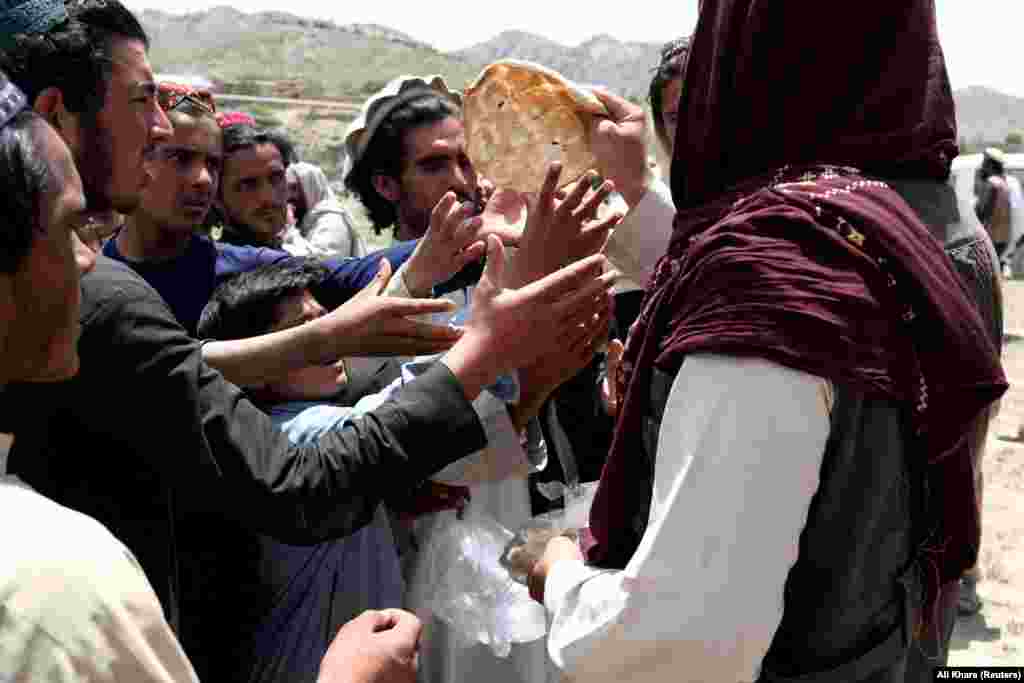
Afghan men receive bread from aid workers in an area affected by the earthquake.
10/14 Afghan men receive bread from aid workers in an area affected by the earthquake.
Afghanistan's Taliban authorities have announced the end of search-and-rescue operations following the June 22 earthquake that struck the country's east, bringing the death toll from country's worst natural disaster in two decades to 1,150.
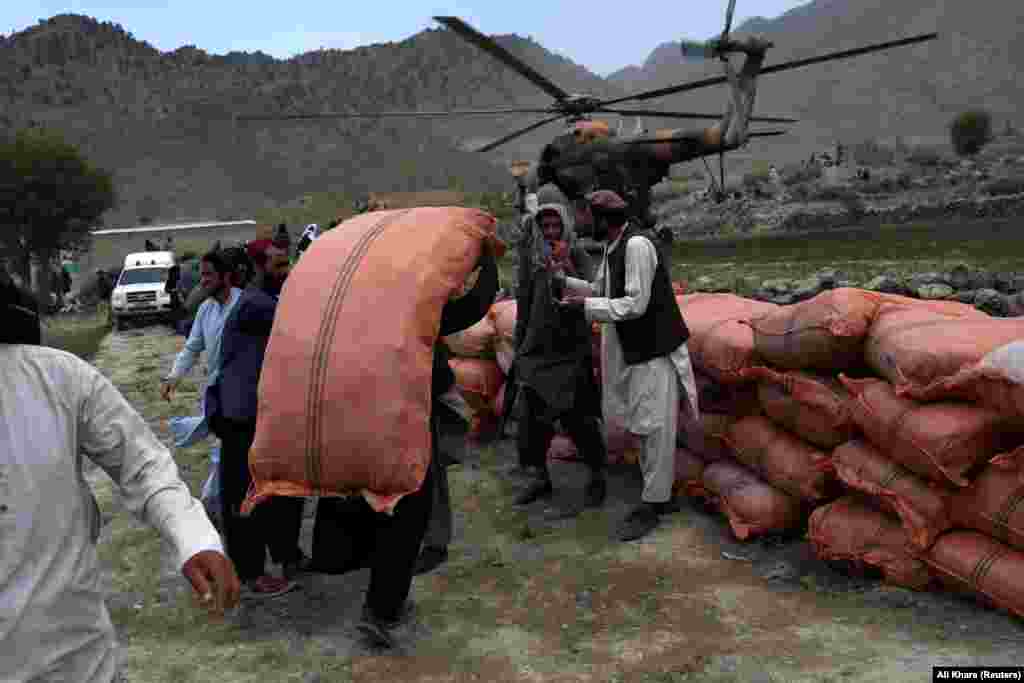
Afghan men stack sacks of aid in Gayan.&nbsp;
11/14 Afghan men stack sacks of aid in Gayan. 
Afghanistan's Taliban authorities have announced the end of search-and-rescue operations following the June 22 earthquake that struck the country's east, bringing the death toll from country's worst natural disaster in two decades to 1,150.
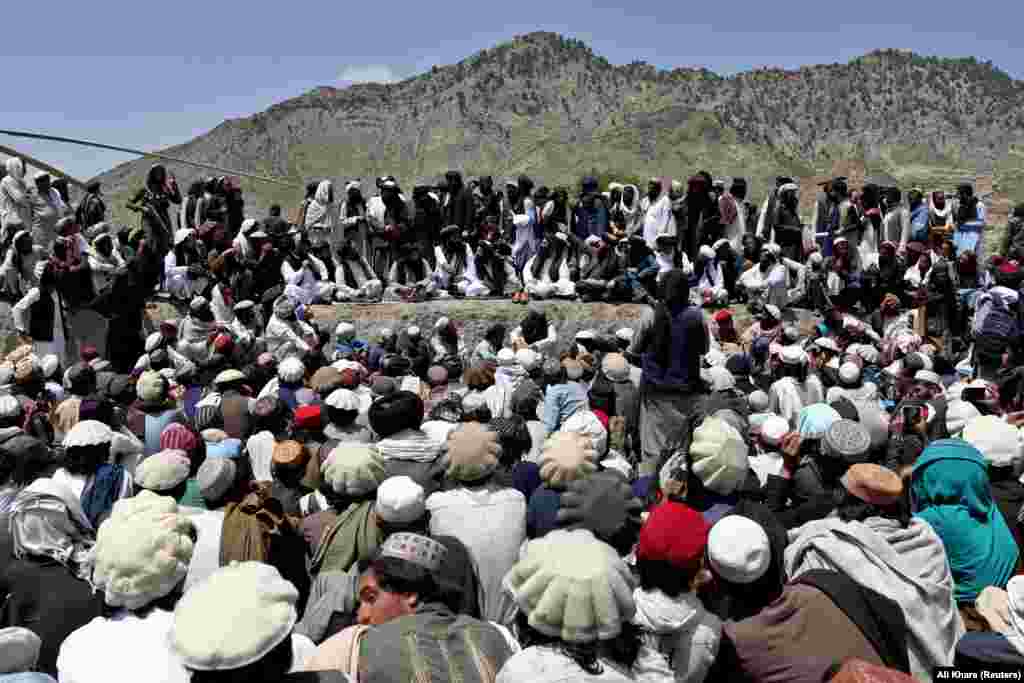
People wait to receive aid in Gayan, which was devastated by the June 22 earthquake.&nbsp;The quake was the deadliest in the country since 2002, when a similarly powerful tremor killed about 1,000 people in northern Afghanistan.
12/14 People wait to receive aid in Gayan, which was devastated by the June 22 earthquake. The quake was the deadliest in the country since 2002, when a similarly powerful tremor killed about 1,000 people in northern Afghanistan.
Afghanistan's Taliban authorities have announced the end of search-and-rescue operations following the June 22 earthquake that struck the country's east, bringing the death toll from country's worst natural disaster in two decades to 1,150.
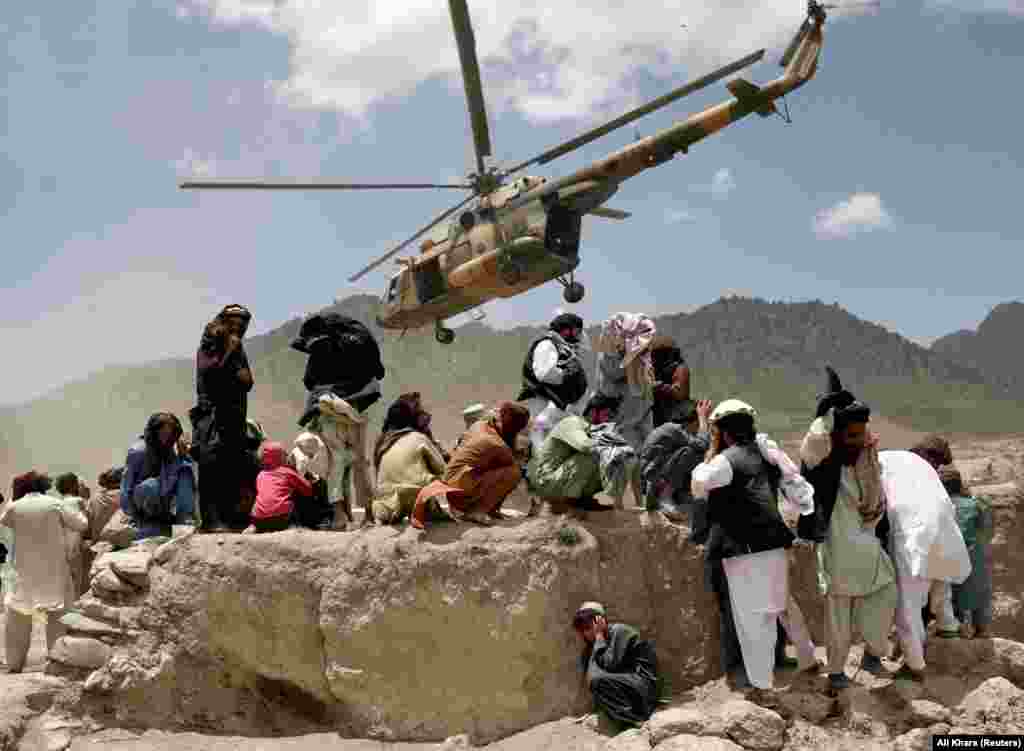
A Taliban helicopter takes off after bringing aid to Gayan. The United Nations said it was deploying medical health teams and supplying medicines, but it said it does not have search-and-rescue capabilities in Afghanistan.<br />
<br />
&nbsp;
13/14 A Taliban helicopter takes off after bringing aid to Gayan. The United Nations said it was deploying medical health teams and supplying medicines, but it said it does not have search-and-rescue capabilities in Afghanistan.

 
Afghanistan's Taliban authorities have announced the end of search-and-rescue operations following the June 22 earthquake that struck the country's east, bringing the death toll from country's worst natural disaster in two decades to 1,150.
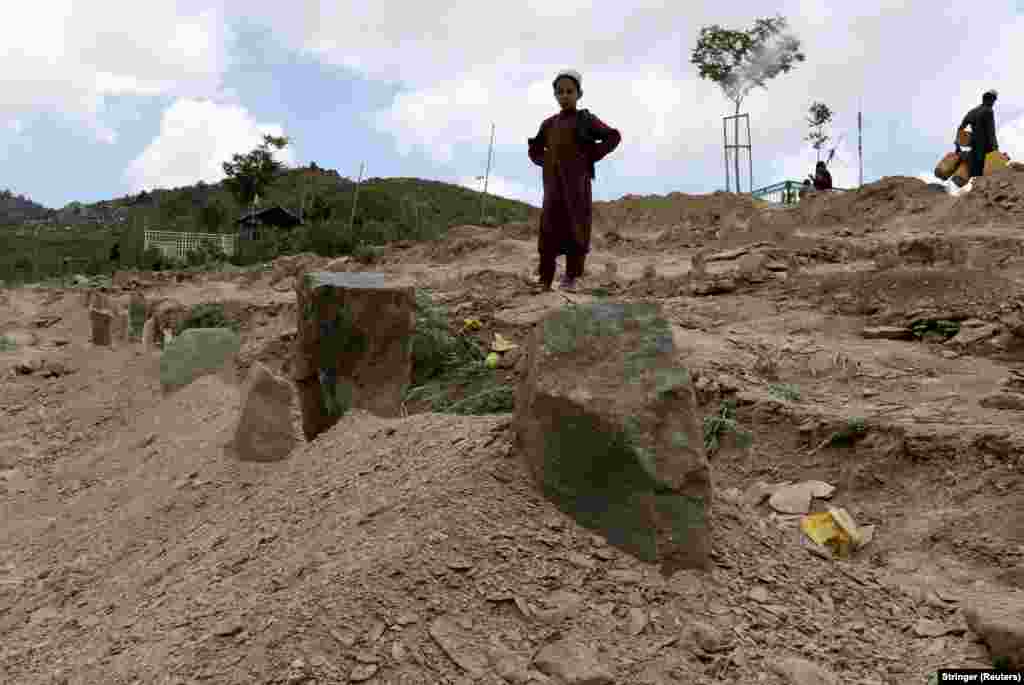
An Afghan boy stands near the graves of his relatives who died in the earthquake in Gayan.
14/14 An Afghan boy stands near the graves of his relatives who died in the earthquake in Gayan.
Afghanistan's Taliban authorities have announced the end of search-and-rescue operations following the June 22 earthquake that struck the country's east, bringing the death toll from country's worst natural disaster in two decades to 1,150.
Previous slide
Next slide


The death toll makes the earthquake, which was measured at a magnitude of 6.1, Afghanistan's worst natural disaster in two decades.

A Pakistani military cargo plane carrying relief supplies landed early on June 25 in Khost Province, one of the three eastern regions along with Paktika and Nangarhar that were most affected by the earthquake.

The disaster has posed a challenge for the Taliban-led government, which is not recognized by any country and is already battling a severe humanitarian disaster.

On June 24, Mohammad Nassim Haqqani, a spokesman for the Taliban's Ministry for Disaster Management, told the media that 10,000 houses were partially or completely destroyed in the earthquake.

On June 23, Haqqani told RFE/RL that it was difficult to get accurate information about the damage because of the poor condition of the telephone network in some areas.

He said supplies of medicine and other critical aid were inadequate.


Aid organizations such as the local Red Crescent and World Food Program have stepped in to assist the most vulnerable families with food and other emergency needs like tents and sleeping mats in Paktika and Khost provinces.

Wahidullah Amani, a spokesman for the World Food Program (WFP) for Afghanistan, told RFE/RL that the WFP and other partners were on their way to the affected areas.

Taliban rulers on June 25 pledged that they would not interfere with international efforts to distribute aid to those affected by the earthquake.

Aid organizations in the past have complained that Taliban authorities have tried to divert aid to people who supported their insurgency. No country has as of yet officially recognized the Taliban government following its takeover of the country last year.

But Khan Mohammad Ahmad, a top official in Paktika Province, said international groups aiding in relief efforts would be left free to conduct their work.

"Whether it is WFP, UNICEF, or any other organizations...the international community or the United Nations...they will do the distribution by themselves," he said.

Rescuers struggled earlier to reach remote areas as efforts were hampered by bad roads and heavy rain and as the country's Taliban rulers called on the international community to make donations to help with relief efforts.

Taliban spokesman Zabihullah Mujahid said on Twitter that eight trucks carrying food and other supplies had arrived from Pakistan. Aid also arrived by air from Iran and Qatar, he said.

The United Nations said it was deploying health teams and providing medical supplies, but it said it does not have search-and-rescue capabilities in Afghanistan.

The World Health Organization has also warned that the crisis could add to the risk of cholera developing across the country.

With reporting by AP, AFP, and Reuters
  • 16x9 Image

    RFE/RL's Radio Azadi

    RFE/RL's Radio Azadi is one of the most popular and trusted media outlets in Afghanistan. Nearly half of the country's adult audience accesses Azadi's reporting on a weekly basis.

XS
SM
MD
LG