





Thousands of Afghan families, fearing an uncertain future, have begun pouring into Afghanistan amid a fresh push from Pakistan against what officials describe a “crackdown" on undocumented aliens.
Islamabad had set the July 10 deadline for what the authorities call “undocumented” Afghans to leave the country.
The move comes amid a broader push by authorities around the world who have been pushing Afghans who fled their country to return home.
In Pakistan alone, more than 2.5 million Afghans have been deported since October 2023, the year when Islamabad announced the deportation policy.
“An average 400 to 600 families are crossing the Torkham border daily,” said Islam Badshah, a volunteer from the Jamrud region in Pakistan’s Khyber tribal district, who provides free food, medicines and other basic items to the departing families.
Torkham is the main crossing point between Afghanistan and Pakistan.
Badshah, who collects donations from locals to continue his welfare work, says a majority of the families hold UN-issued registration cards, but Pakistani authorities say only Afghans with valid-stay visas such as student, business, or visits in their passports will be allowed to stay.
Afghans Being Sent Home
Zia Rahman was among the hundreds of families who have arrived at the Hamza Baba Transit Center for Afghan refugees near the border on July 13.
With his family awaiting clearance from the authorities to cross the border, Rahman told RFE/RL that he and his elder brothers were born in Pakistan and are being forced to a country they don't know.
“Neither my children, nor those of my brothers ever visited Afghanistan,” he said. “We are heading to an uncertain future --- how to get jobs and if our children will be able to attend schools?”the 36-year-old said.
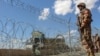
Millions of Afghans around the world are being either directly forced to return by states where they have been residing, or have felt compelled to do so because of threats, harassment, and intimidation.
But the situation is most acute in Pakistan.
Decades of conflict in Afghanistan have forced millions of Afghans to take refuge in Pakistan. Islamabad had estimated 1.5 million registered Afghans living in Pakistan before 2021. Another half a million plus fled the country to take refuge in Pakistan following the Taliban takeover of Kabul in August 2021.
Pakistan and the Taliban were undeclared allies for decades but relations between the two started deteriorating in 2021 with Islamabad accusing Kabul of hosting the Pakistani Taliban, who carry out attacks inside Pakistan.
The Afghan Taliban deny the Pakistani allegations by saying that they would not allow anyone to use the Afghan soil against any other country.
In October 2025, Pakistan carried out air strikes inside Afghanistan triggering bloody border clashes that resulted in numerous casualties and damages to infrastructure on both sides. Pakistan closed all the borders with Afghanistan besides intensifying the deportation of Afghans.
Recently, Pakistan has invalidated the Afghan Citizen Cards (ACC) and Proof of Registration (PoR) cards. Earlier, the two documents were recognized as a permission for Afghans’ legal stay in Pakistan. However, Pakistani authorities recently invalidated all other documents except a valid visa to stay in Pakistan.
Humanitarian Crisis
The mass deportations also have created a humanitarian crisis in parts of Afghanistan, overwhelming local infrastructure and leaving returnees vulnerable.
A majority of the departing Afghans say they have wrapped up their businesses and sold their properties on throw-away prices to avoid arrests during police raids, which have become more frequent since July 10.
In the Board Bazaar in Peshawar, one of the largest hubs for Afghan refugees in Pakistan, some 5,000 businesses such as bakeries, dry fruits, clothes and shoe outlets, pulse with shoppers.

But these days, police patrols compete with shoppers, forcing retailers to find novel ways to avoid arrest.
“We’ve hired locals to avoid arrests during police raids,” said one shop owner who wished not to be named for fear of an action by the authorities.
“Whenever there is a police raid, we skip out and hand over the business to the local. This saves us as well as our business…but this may not continue for a longer period.”
Another entrepreneur, Zakir Ayaz, whose family runs a well-established business in Peshawar, says police raids have become routine since July 10.
“My family migrated to Pakistan at the beginning of the Afghan jihad 40 years ago. We established our business over 25 years," Ayaz, who occasionally visits Afghanistan but wants to stay in Pakistan, said.
"Now, we’ve got to wrap it up with no future in sight.”

