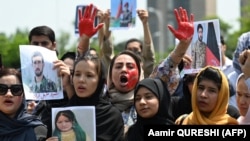
Afghan nationals carry placards as they shout slogans during a demonstration against the Taliban-led government in Islamabad on August 15.
U.S. Secretary of State Antony Blinken reiterated that there can be no advancement in the relationship between the United States and Afghanistan's Taliban rulers unless there is an improvement in the treatment of women in the country.
Speaking to reporters on August 15, the two-year anniversary of the Taliban’s seizure of power in Kabul, Blinken said the United States continues to work to hold the Taliban accountable for the commitments that it's made, particularly when it comes to the rights of women and girls.
"We've been very clear with the Taliban -- and dozens of countries around the world have been very clear -- that the path to any more normal relationship between the Taliban and other countries will be blocked unless and until the rights of women and girls among other things are actually supported," Blinken said.
No country has recognized the Taliban-led government, and the United States has avoided direct economic engagement in part over the treatment of women and girls, who have seen their rights drastically curbed by the hard-line Islamists. This includes a ban on women working in local and international nongovernmental organizations and a ban on education beyond the sixth grade.
Taliban 2.0: Two Years After Takeover, Afghan Women See Gains Whittled Away
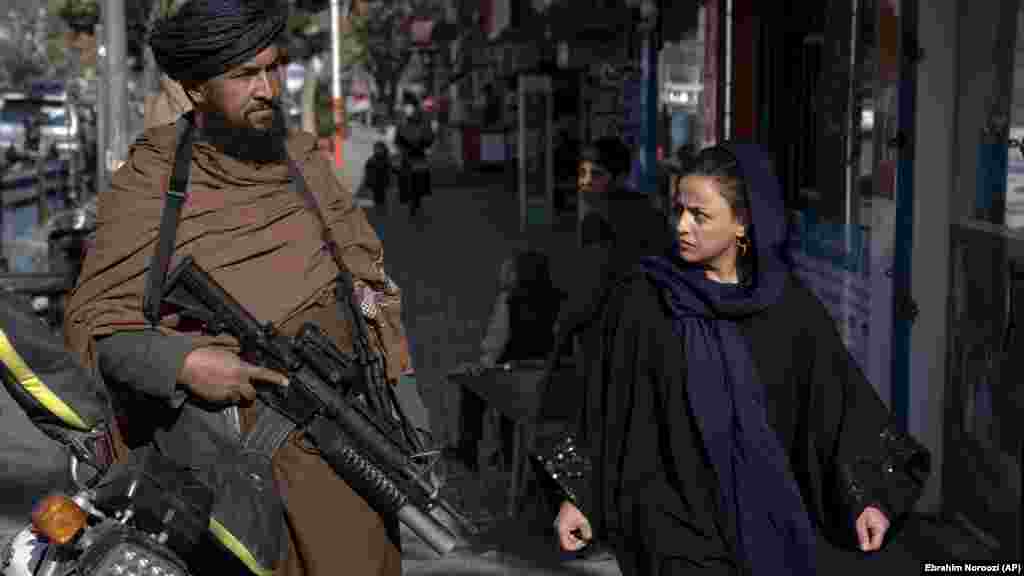
1/16A Taliban fighter and an Afghan woman eye one another in Kabul in December 2022.
Since their return to power in August 2021, the hard-line Islamists have waged a brutal crackdown on dissent and reintroduced their extreme and tribal interpretation of Islamic Shari’a law.
Afghanistan's Taliban rulers mark the two-year anniversary of their takeover of the capital, Kabul, on August 15. The UN says 20 years of progress for Afghan women and girls have since been reversed with the situation returning to what it was before 2002, when the Taliban last held power.
Show moreShow less
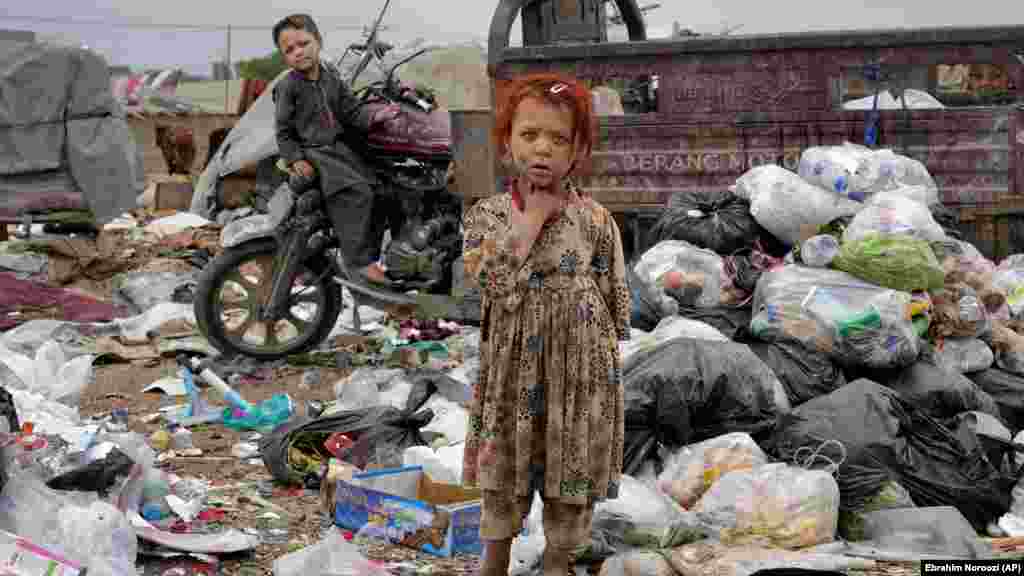
2/16Two Afghan children stand amid piles of garbage next to their home in Kabul.
Afghanistan’s gross domestic product is hard to measure, but it is estimated to have dropped by nearly 20 percent since the Taliban returned to power, endangering the lives of millions in an already impoverished country.
Afghanistan's Taliban rulers mark the two-year anniversary of their takeover of the capital, Kabul, on August 15. The UN says 20 years of progress for Afghan women and girls have since been reversed with the situation returning to what it was before 2002, when the Taliban last held power.
Show moreShow less
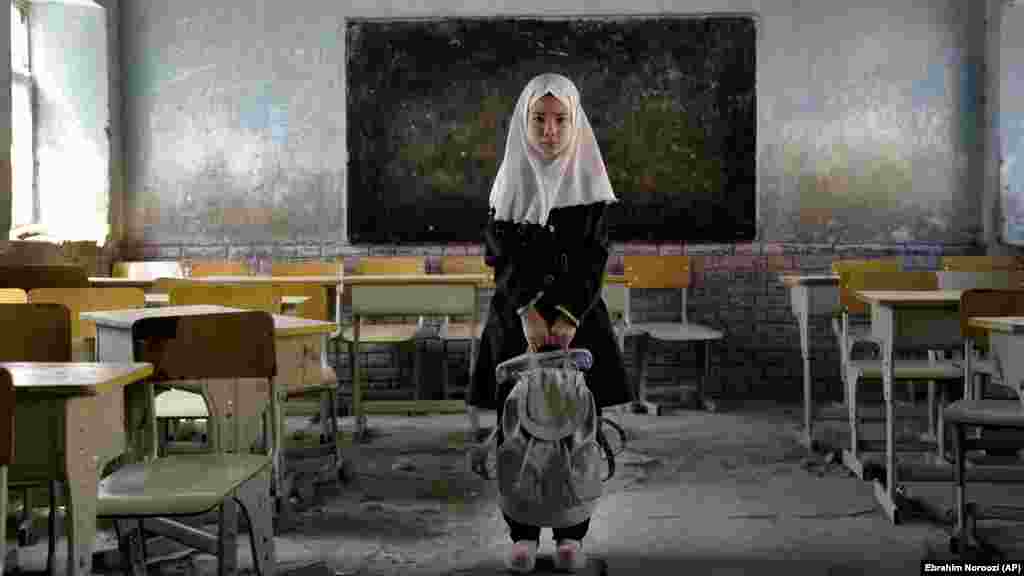
3/16On March 23, 2022, more than 1 million Afghan girls were turned away from schools following a last-minute reversal of the Taliban's decision to reopen them. Under the Taliban's theocratic government, only girls below the sixth grade are permitted to attend school.
Afghanistan's Taliban rulers mark the two-year anniversary of their takeover of the capital, Kabul, on August 15. The UN says 20 years of progress for Afghan women and girls have since been reversed with the situation returning to what it was before 2002, when the Taliban last held power.
Show moreShow less
4/16In May 2022, the Taliban decreed that women in public must wear all-encompassing robes and cover their faces except for their eyes. It also told them to stay at home unless they have important work outside the house.
Afghanistan's Taliban rulers mark the two-year anniversary of their takeover of the capital, Kabul, on August 15. The UN says 20 years of progress for Afghan women and girls have since been reversed with the situation returning to what it was before 2002, when the Taliban last held power.
Show moreShow less
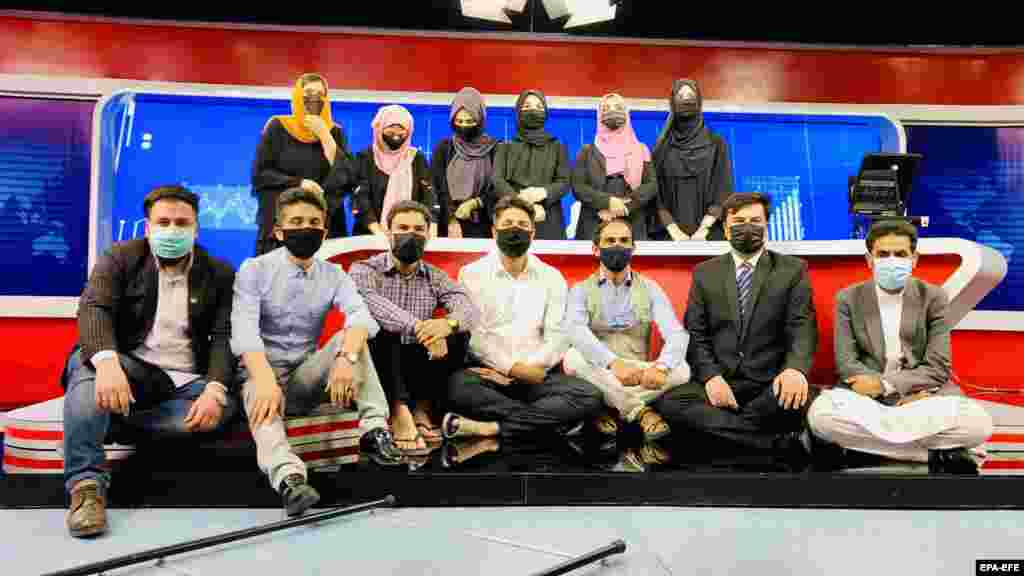
5/16Afghan men at Tolo TV wear face masks to show solidarity with their female colleagues, who were ordered to wear veils at the studio in Kabul.
Afghanistan's Taliban rulers mark the two-year anniversary of their takeover of the capital, Kabul, on August 15. The UN says 20 years of progress for Afghan women and girls have since been reversed with the situation returning to what it was before 2002, when the Taliban last held power.
Show moreShow less
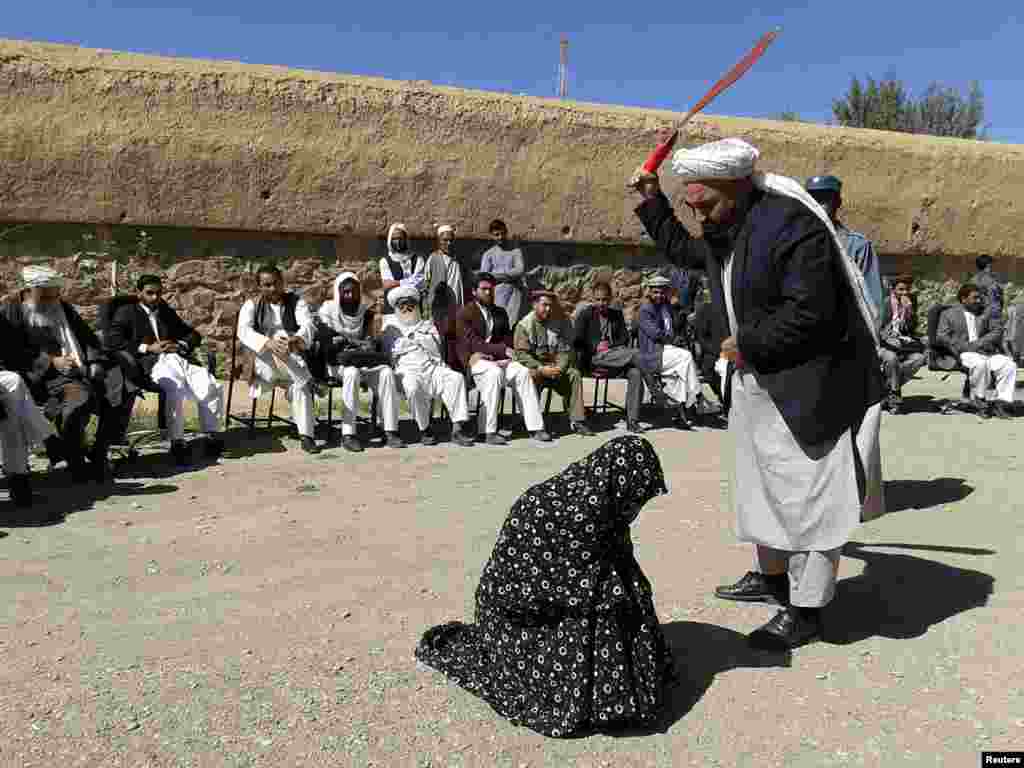
6/16In November, Taliban Supreme Leader Mullah Haibatullah Akhundzada ordered the return to qisas and hudood punishments, which essentially allow "eye-for-an-eye" retribution and corporal punishments. Hundreds across the country have been publicly flogged, stoned, or had body parts amputated.
Afghanistan's Taliban rulers mark the two-year anniversary of their takeover of the capital, Kabul, on August 15. The UN says 20 years of progress for Afghan women and girls have since been reversed with the situation returning to what it was before 2002, when the Taliban last held power.
Show moreShow less
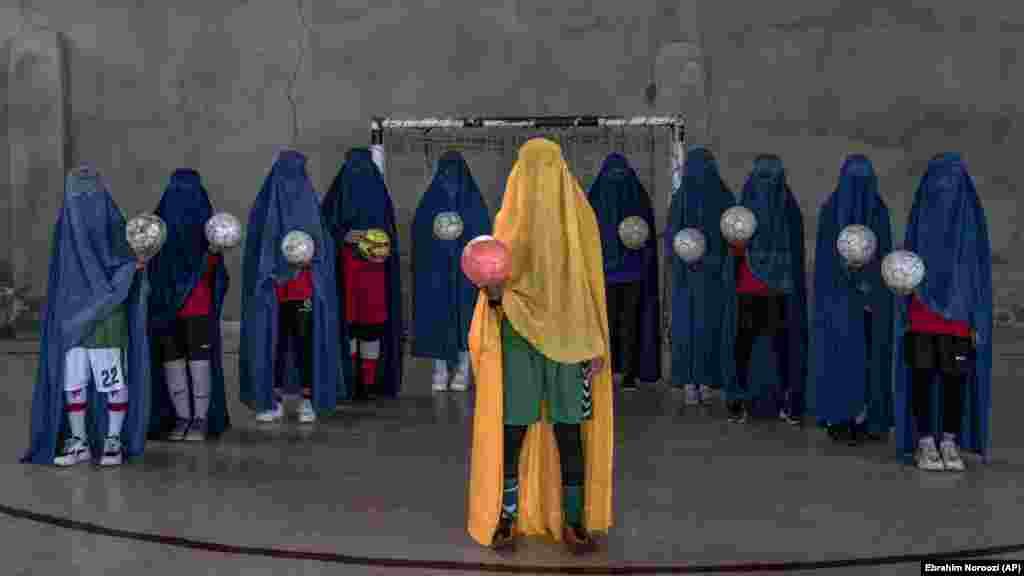
7/16The Taliban have also banned women from participating in sports, forcing many to go underground, such as these members of a women's soccer team photographed in Kabul in September 2022.
Afghanistan's Taliban rulers mark the two-year anniversary of their takeover of the capital, Kabul, on August 15. The UN says 20 years of progress for Afghan women and girls have since been reversed with the situation returning to what it was before 2002, when the Taliban last held power.
Show moreShow less
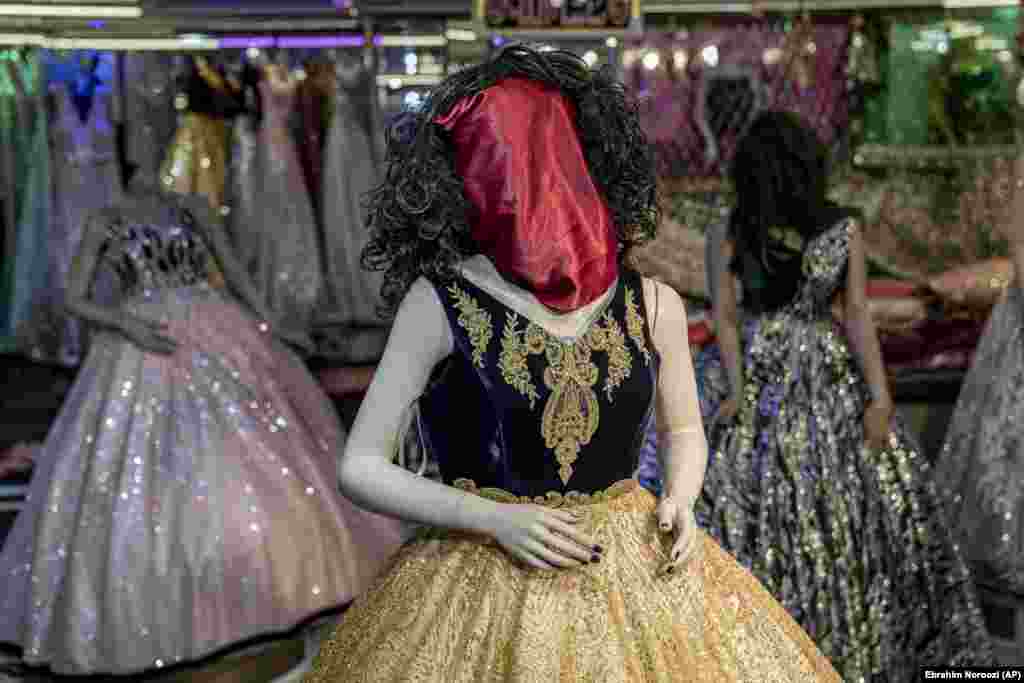
8/16Hooded shop mannequins have become a symbol of Taliban rule in Afghanistan, as seen in this December 2022 photo. The Taliban initially said mannequins must be either removed or beheaded, but after shopkeepers complained, they agreed on this bizarre compromise.
Afghanistan's Taliban rulers mark the two-year anniversary of their takeover of the capital, Kabul, on August 15. The UN says 20 years of progress for Afghan women and girls have since been reversed with the situation returning to what it was before 2002, when the Taliban last held power.
Show moreShow less
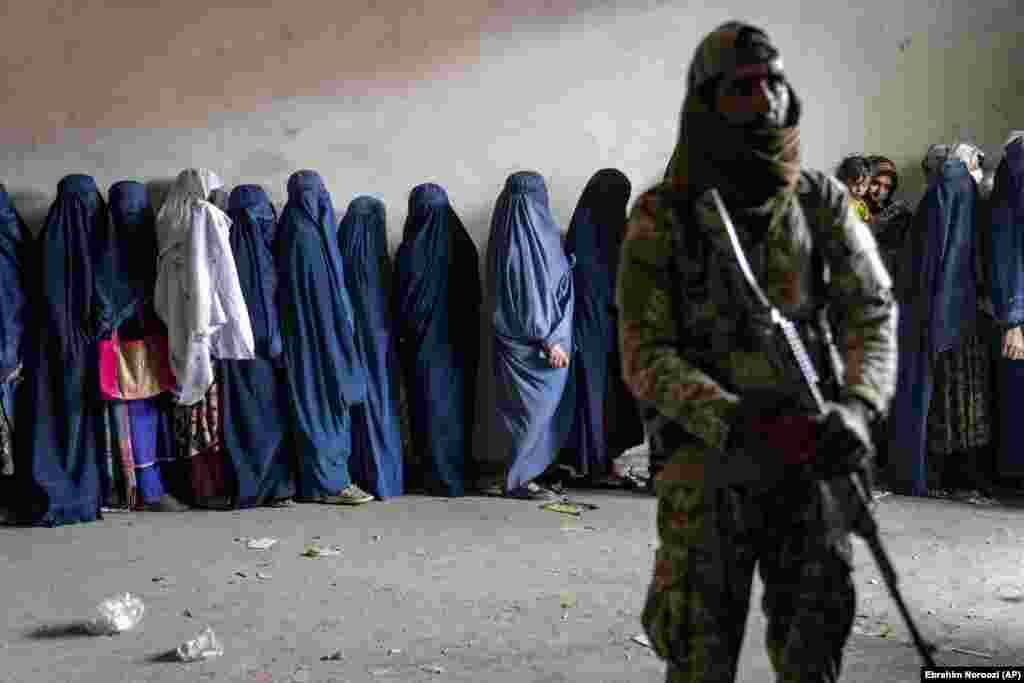
9/16A Taliban fighter stands guard as women wait to receive food rations distributed by a humanitarian aid group in Kabul in May. Aid groups estimate that some 30 million Afghans are in need of assistance.
Afghanistan's Taliban rulers mark the two-year anniversary of their takeover of the capital, Kabul, on August 15. The UN says 20 years of progress for Afghan women and girls have since been reversed with the situation returning to what it was before 2002, when the Taliban last held power.
Show moreShow less
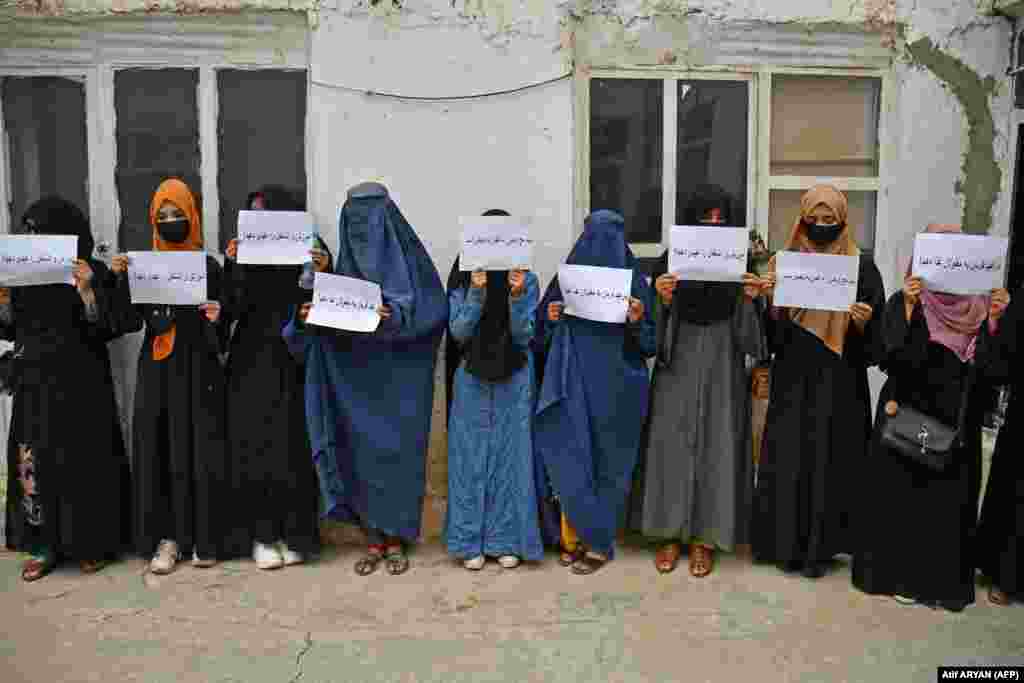
10/16Burqa-clad women hold placards demanding their right to education in Mazar-i-Sharif in June.
Women have been banned from attending university, and their job opportunities have been largely restricted to the health and education sectors.
Afghanistan's Taliban rulers mark the two-year anniversary of their takeover of the capital, Kabul, on August 15. The UN says 20 years of progress for Afghan women and girls have since been reversed with the situation returning to what it was before 2002, when the Taliban last held power.
Show moreShow less
11/16A bride attends a mass wedding for families who can't afford weddings in Kabul in July.
The Taliban's religious police have ordered wedding hall owners to refrain from playing music and engaging in activities that contradict Islamic rulings. The Taliban considers music to be against the teachings of Islam.
Afghanistan's Taliban rulers mark the two-year anniversary of their takeover of the capital, Kabul, on August 15. The UN says 20 years of progress for Afghan women and girls have since been reversed with the situation returning to what it was before 2002, when the Taliban last held power.
Show moreShow less
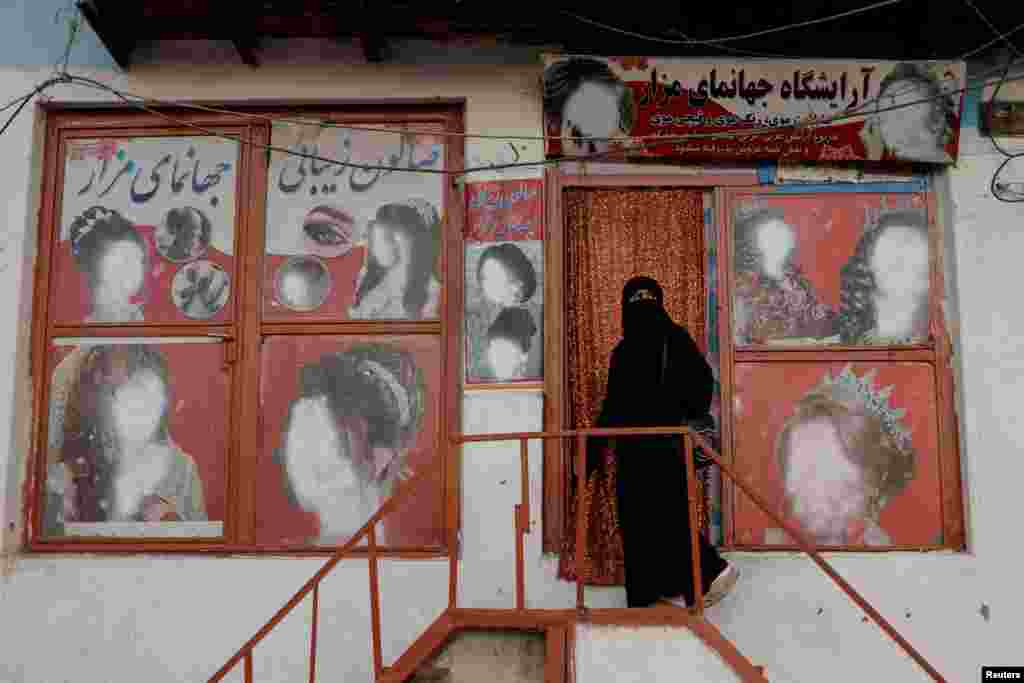
12/16A woman enters a beauty salon in Kabul where the ads featuring women have been defaced. Women's faces have been artlessly deleted from advertisements and murals around the country.
Afghanistan's Taliban rulers mark the two-year anniversary of their takeover of the capital, Kabul, on August 15. The UN says 20 years of progress for Afghan women and girls have since been reversed with the situation returning to what it was before 2002, when the Taliban last held power.
Show moreShow less
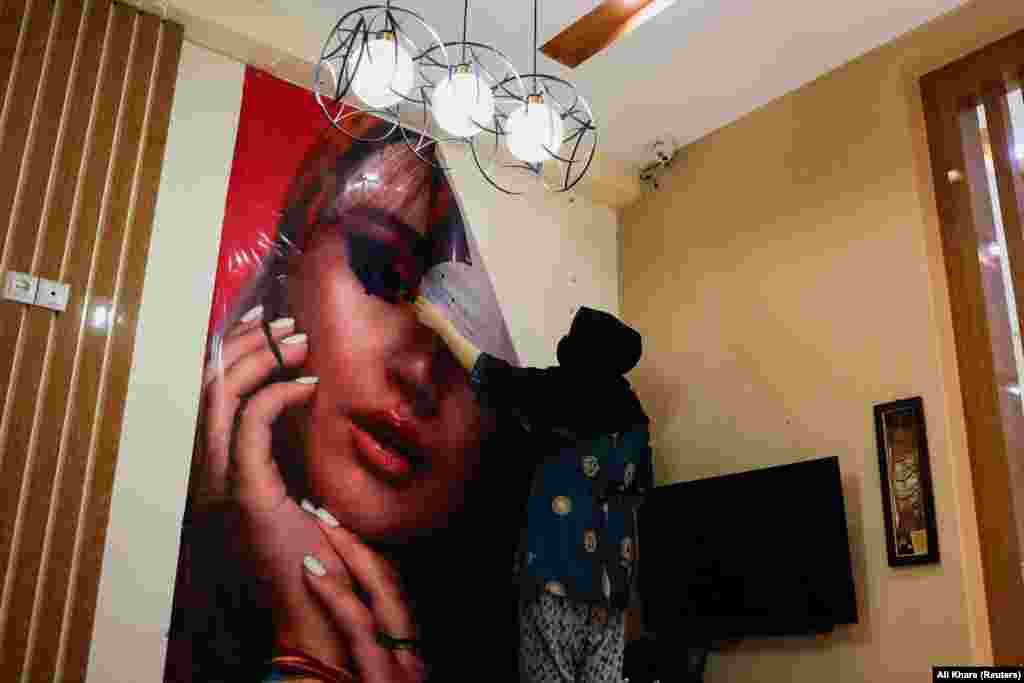
13/16An Afghan beautician removes a poster in a beauty salon in Kabul on July 24 after it was forced to close by Taliban decree. The closure has sparked rare public opposition from many Afghan women as it leaves another hole in their economic and social lives.
Afghanistan's Taliban rulers mark the two-year anniversary of their takeover of the capital, Kabul, on August 15. The UN says 20 years of progress for Afghan women and girls have since been reversed with the situation returning to what it was before 2002, when the Taliban last held power.
Show moreShow less
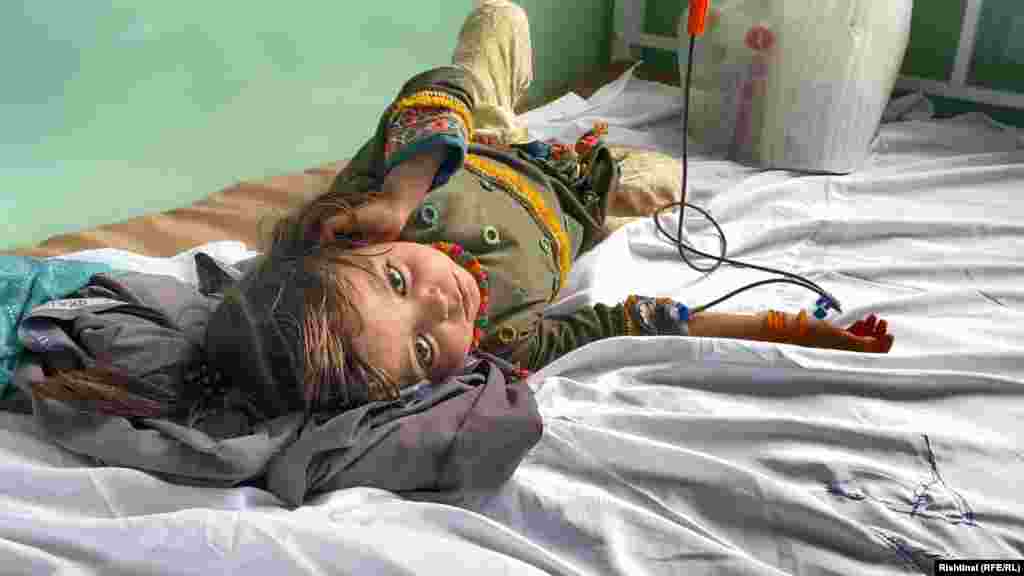
14/16A young child suffering from thalassemia in Kandahar in July.
According to the United Nations, the agency has received less than 5 percent of the funds required to help Afghanistan, making it the lowest-funded aid operation globally despite facing the world’s largest and most severe humanitarian crisis.
Afghanistan's Taliban rulers mark the two-year anniversary of their takeover of the capital, Kabul, on August 15. The UN says 20 years of progress for Afghan women and girls have since been reversed with the situation returning to what it was before 2002, when the Taliban last held power.
Show moreShow less
15/16With the only musical activity permitted being the singing of certain types of religious songs and Taliban chants, musical instruments are routinely confiscated for burning, such as this equipment in Herat Province this month.
Afghanistan's Taliban rulers mark the two-year anniversary of their takeover of the capital, Kabul, on August 15. The UN says 20 years of progress for Afghan women and girls have since been reversed with the situation returning to what it was before 2002, when the Taliban last held power.
Show moreShow less
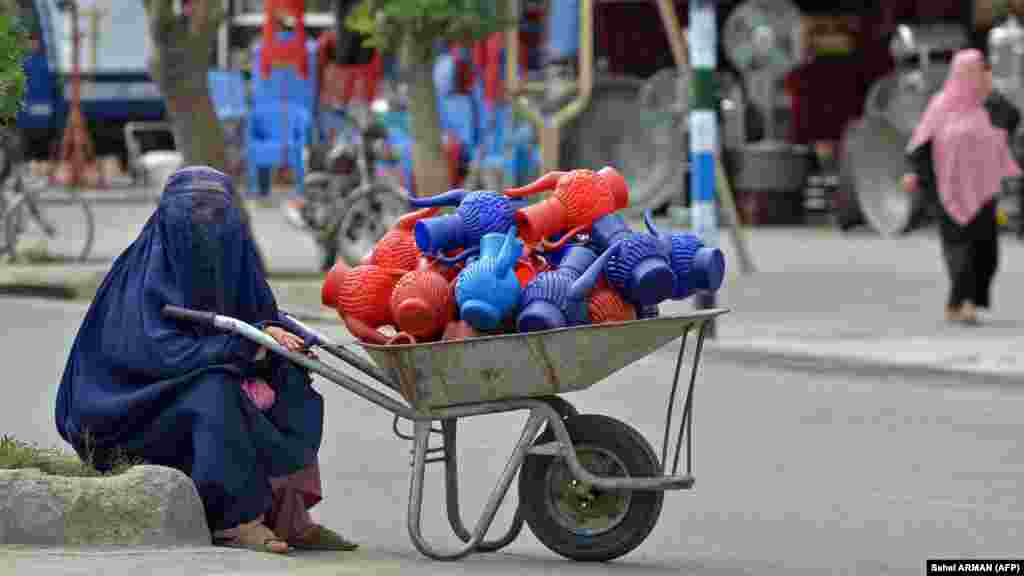
16/16A woman wearing a burqa walks in the early morning on the outskirts of Kandahar City in June.
From 2019 to 2020, the poverty rate was nearly 47 percent. Recent data shows that by mid-2022, two-thirds of Afghan households reportedly could not afford food and other basic non-food items, forcing many adults to engage in low-productivity activities to generate income.
Afghanistan's Taliban rulers mark the two-year anniversary of their takeover of the capital, Kabul, on August 15. The UN says 20 years of progress for Afghan women and girls have since been reversed with the situation returning to what it was before 2002, when the Taliban last held power.
Show moreShow less
Previous slide
Next slide
The Taliban stormed back to power in August 2021 after President Joe Biden withdrew U.S. troops under the terms of an agreement reached in February 2020 between the Taliban and the administration of then-U.S. President Donald Trump.
Blinken defended the pullout and said the United States was not focused on other priorities.
"The decision to withdraw from Afghanistan was an incredibly difficult one, but also the right one," Blinken said. "We ended America's longest war. For the first time in 20 years, we don't have another generation of young Americans going to fight and die."
A number of international human rights organizations earlier on August 15 called the Taliban's two years of rule shameful and worrying.
Amnesty International and several other international human rights organizations demanded in a statement an effective response to the situation, noting the Taliban's strict decrees against human rights in Afghanistan, especially against women and girls.
The organizations said in a statement that in the past two years, the Taliban has increasingly imposed harmful policies against women and girls and religious and ethnic minorities that clearly violate Afghanistan's obligations under international human rights law.
The Taliban has previously rejected reports on the treatment of women as propaganda of international organizations. The militant group's leaders have said they have strengthened all the rights of women in Afghanistan in light of Islamic principles.
Zabihullah Mujahid, the chief spokesman for the Taliban, said in an interview with the AP marking the second anniversary of the Taliban takeover of the country that the Taliban views its rule of Afghanistan as open-ended and as drawing legitimacy from Islamic law. He also suggested a ban on female education will remain in place.
Female activist Soheila Yousefi calls the situation alarming and wants the world to pay attention.
"The international community should take serious action in this regard because the world chose to be silent in these two years and did not take any practical steps. Our request is that they should look at the current situation in Afghanistan, then take a serious and comprehensive review."
The Taliban did not respond to Radio Azadi's questions before the release of the report, but the rulers have spoken of strengthening human rights in Afghanistan, especially the rights of women and girls, according to Islamic principles.
RFE/RL's Radio Azadi is one of the most popular and trusted media outlets in Afghanistan. Nearly half of the country's adult audience accesses Azadi's reporting on a weekly basis.