


Accessibility links

Breaking News

Iran Braces For Major Blowback After Biggest-Ever Attack On Israel

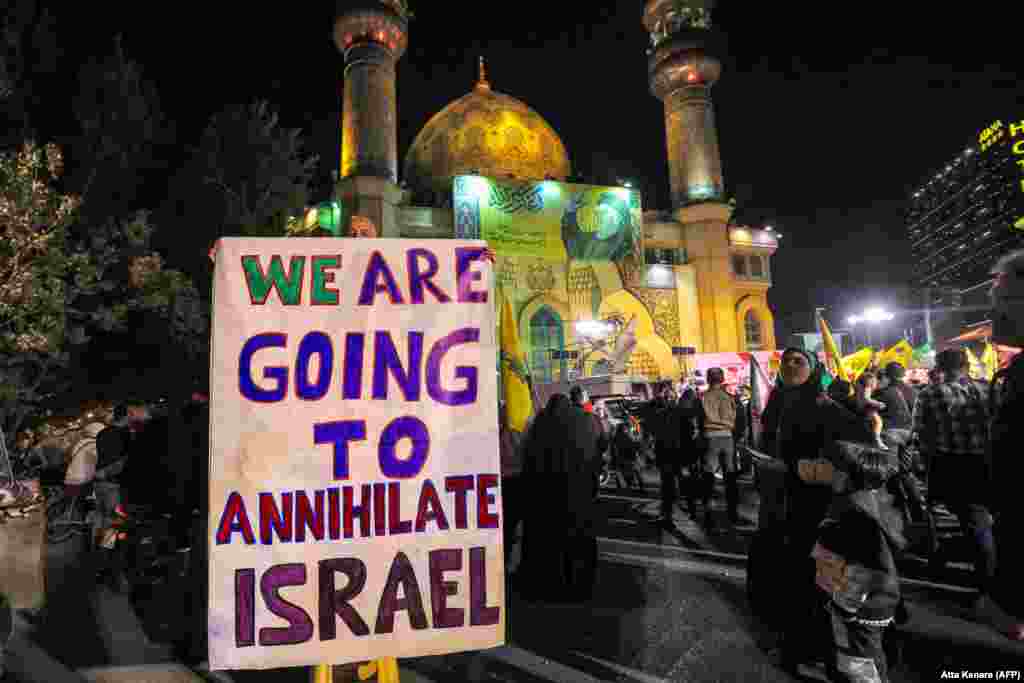
Iranians gather in Tehran to celebrate the massive missile attack against Israel on October 1.

Iran fired nearly 200 ballistic missiles at Israel, Tehran's largest-ever direct attack on its archenemy.

The October 1 attack was bigger and bolder than Iran's unprecedented strikes on Israel in April. Tehran also used more advanced missiles and gave little warning before launching its latest attack.

The full extent of the damage and casualties caused by Iran's missile attack is still unclear. But Israel has vowed a severe response.

Experts said Israel's retaliation is likely to be stronger compared to April, when its response was relatively muted, given the larger scale of Iran's latest direct attack.

"Israel is certainly going to deal a much more devastating blow to Iran," said Ali Vaez, director of the Iran Project at the International Crisis Group.

Israel Counts The Cost After Iranian Missile Barrage
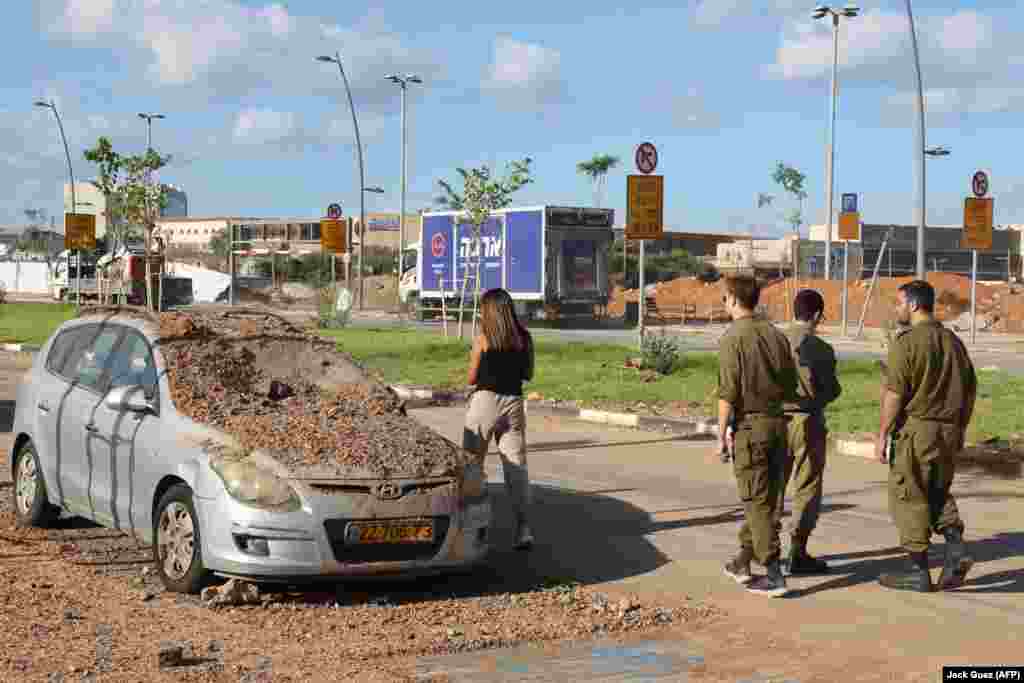
A car is covered in dirt apparently kicked up by a rocket impact in Tel Aviv. The photo was taken on the morning of October 2 after Iran launched a massive rocket attack on Israel the previous evening. 
1/10 A car is covered in dirt apparently kicked up by a rocket impact in Tel Aviv. The photo was taken on the morning of October 2 after Iran launched a massive rocket attack on Israel the previous evening. 
In the wake of an Iranian attack on October 1 that apparently included hypersonic missiles, Israelis survey the damage.
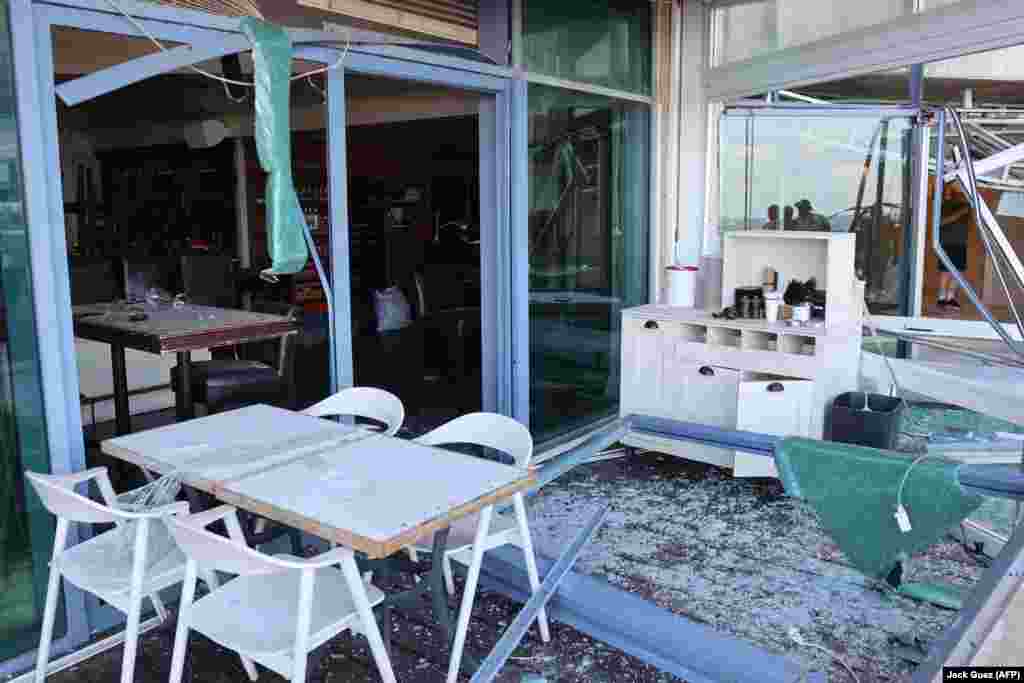
A damaged restaurant in Tel Aviv<br />
<br />
Around 180 missiles, including what Iran said were hypersonic weapons, rained down on Israel on the evening of October 1 amid a widening conflict in the Middle East.&nbsp;
2/10 A damaged restaurant in Tel Aviv

Around 180 missiles, including what Iran said were hypersonic weapons, rained down on Israel on the evening of October 1 amid a widening conflict in the Middle East. 
In the wake of an Iranian attack on October 1 that apparently included hypersonic missiles, Israelis survey the damage.
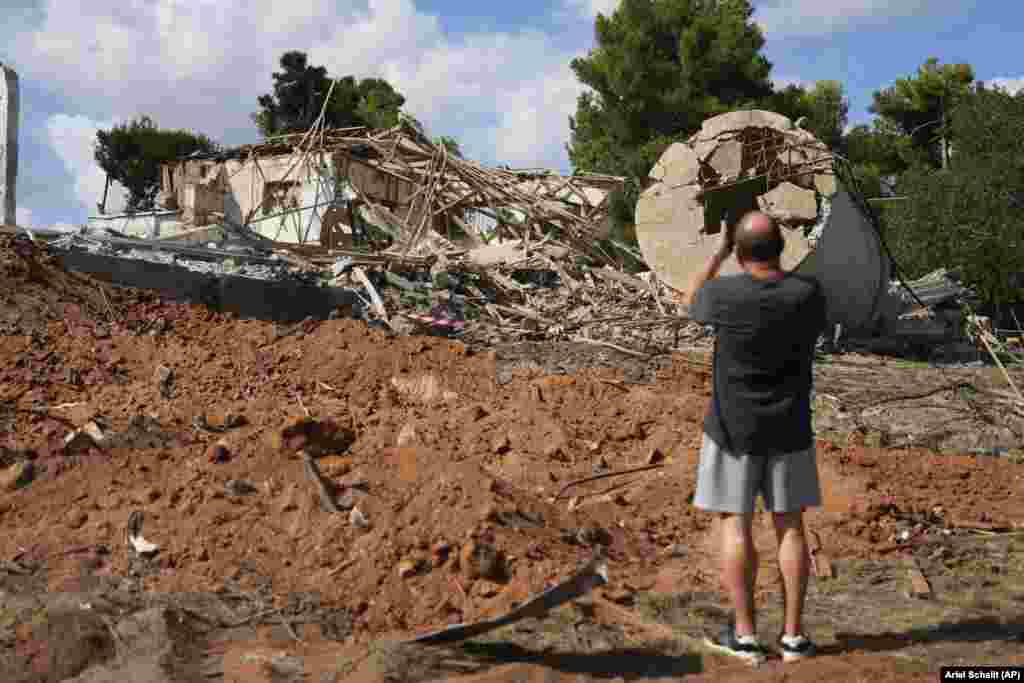
A man photographs a building in Hod HaSharon, near Tel Aviv, that was destroyed in the October 1 attack.&nbsp;
3/10 A man photographs a building in Hod HaSharon, near Tel Aviv, that was destroyed in the October 1 attack. 
In the wake of an Iranian attack on October 1 that apparently included hypersonic missiles, Israelis survey the damage.
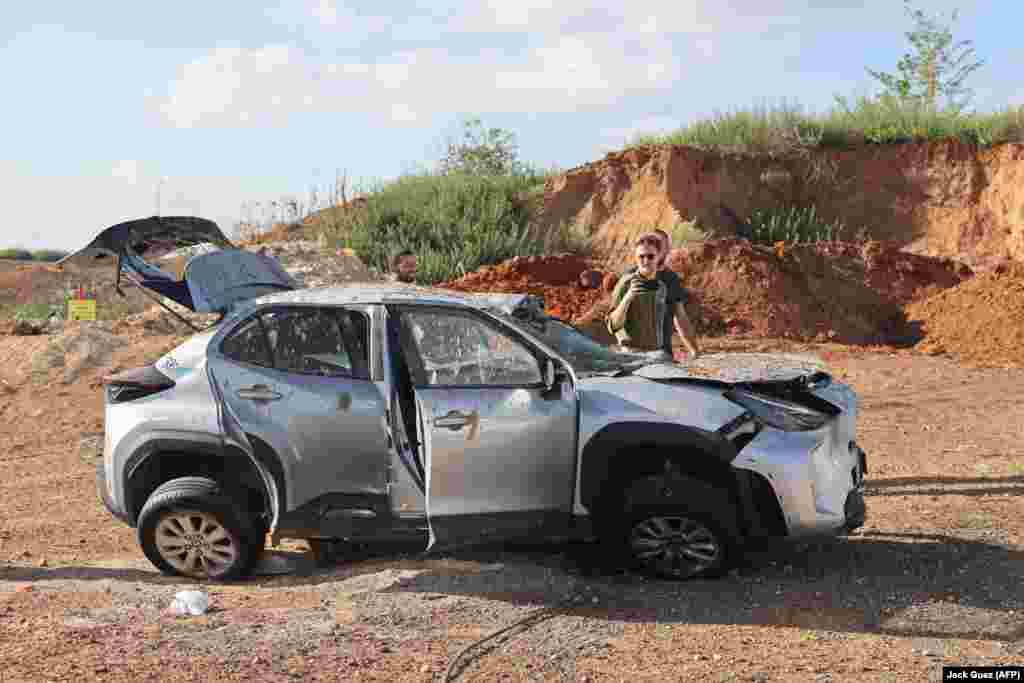
Men inspect a damaged car in Tel Aviv.&nbsp;<br />
<br />
The scale of the damage from the Iranian strikes remains unclear. One Palestinian man is known to have been killed by a falling section of rocket in the West Bank city of Jericho.&nbsp;
4/10 Men inspect a damaged car in Tel Aviv. 

The scale of the damage from the Iranian strikes remains unclear. One Palestinian man is known to have been killed by a falling section of rocket in the West Bank city of Jericho. 
In the wake of an Iranian attack on October 1 that apparently included hypersonic missiles, Israelis survey the damage.
Palestinians in Ramallah gather around a fallen rocket after the Iranian attack.&nbsp;
5/10 Palestinians in Ramallah gather around a fallen rocket after the Iranian attack. 
In the wake of an Iranian attack on October 1 that apparently included hypersonic missiles, Israelis survey the damage.
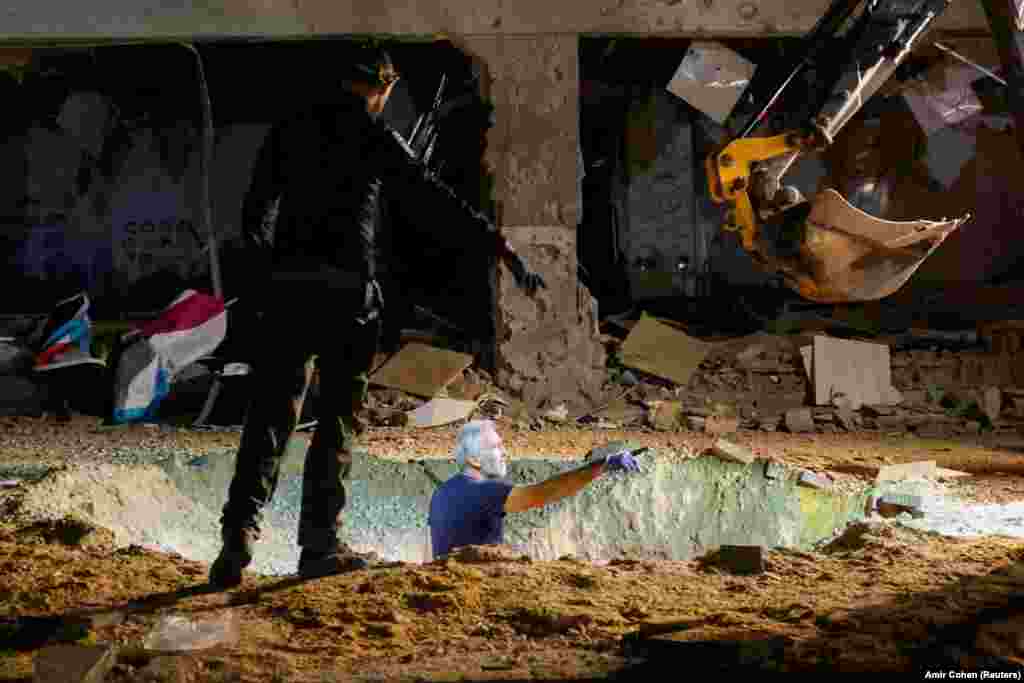
Israeli emergency workers inspect the impact crater of an Iranian rocket after it hit a school building in the center of the country.&nbsp;
6/10 Israeli emergency workers inspect the impact crater of an Iranian rocket after it hit a school building in the center of the country. 
In the wake of an Iranian attack on October 1 that apparently included hypersonic missiles, Israelis survey the damage.
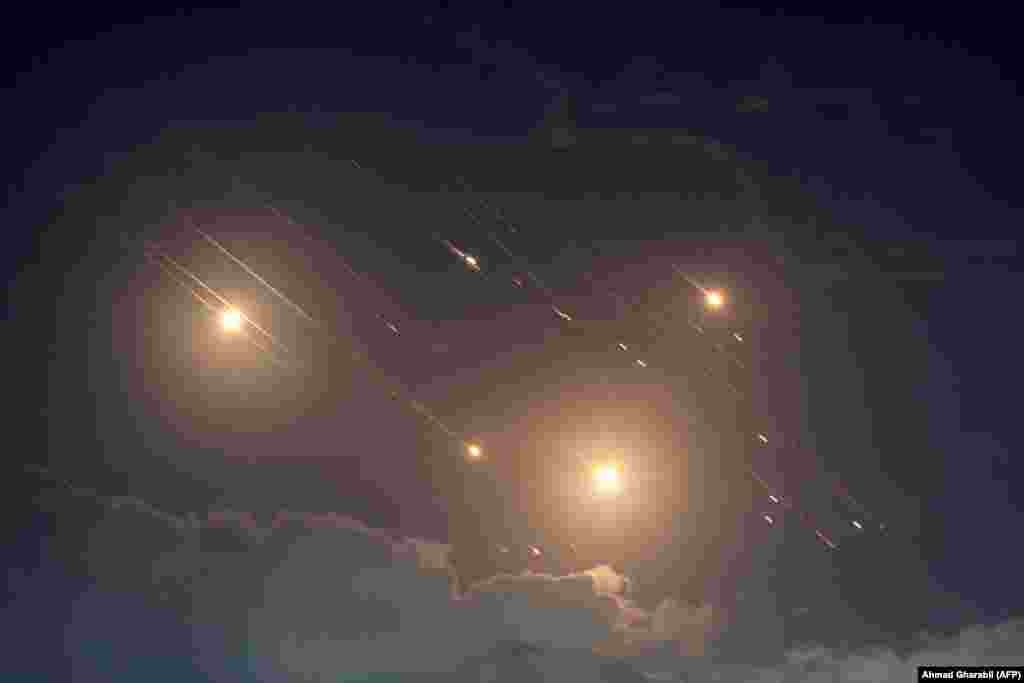
Rockets could be seen in the sky from the northern Israeli city of Baqa al-Gharbiyye.&nbsp;
7/10 Rockets could be seen in the sky from the northern Israeli city of Baqa al-Gharbiyye. 
In the wake of an Iranian attack on October 1 that apparently included hypersonic missiles, Israelis survey the damage.
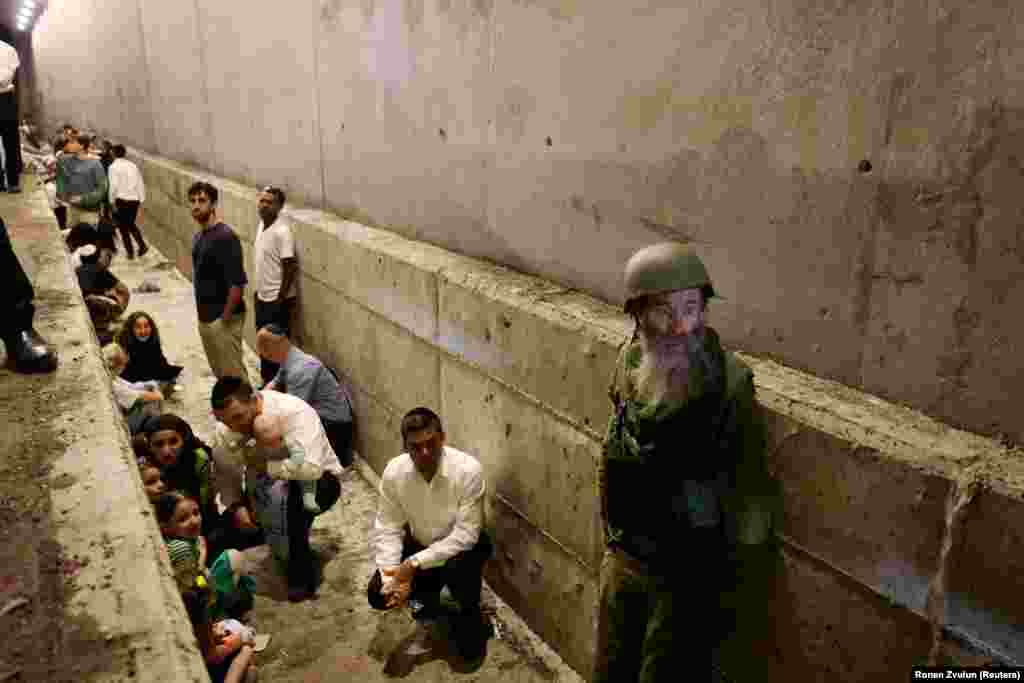
Israelis shelter in a ditch amid the October 1 attack.&nbsp;<br />
<br />
Two Israeli air bases were targeted in the strikes and some missiles landed near the headquarters of the Mossad spy agency in Tel Aviv.&nbsp;
8/10 Israelis shelter in a ditch amid the October 1 attack. 

Two Israeli air bases were targeted in the strikes and some missiles landed near the headquarters of the Mossad spy agency in Tel Aviv. 
In the wake of an Iranian attack on October 1 that apparently included hypersonic missiles, Israelis survey the damage.
An man holds a sign in Tehran as crowds in the Iranian capital celebrate the rocket attacks.<br />
<br />
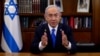
Israel has vowed to respond to the strikes, with Prime Minister Benjamin Netanyahu calling them &quot;a big mistake,&quot; which Tehran &quot;will pay for.&quot;&nbsp;
9/10 An man holds a sign in Tehran as crowds in the Iranian capital celebrate the rocket attacks.

Israel has vowed to respond to the strikes, with Prime Minister Benjamin Netanyahu calling them "a big mistake," which Tehran "will pay for." 
In the wake of an Iranian attack on October 1 that apparently included hypersonic missiles, Israelis survey the damage.
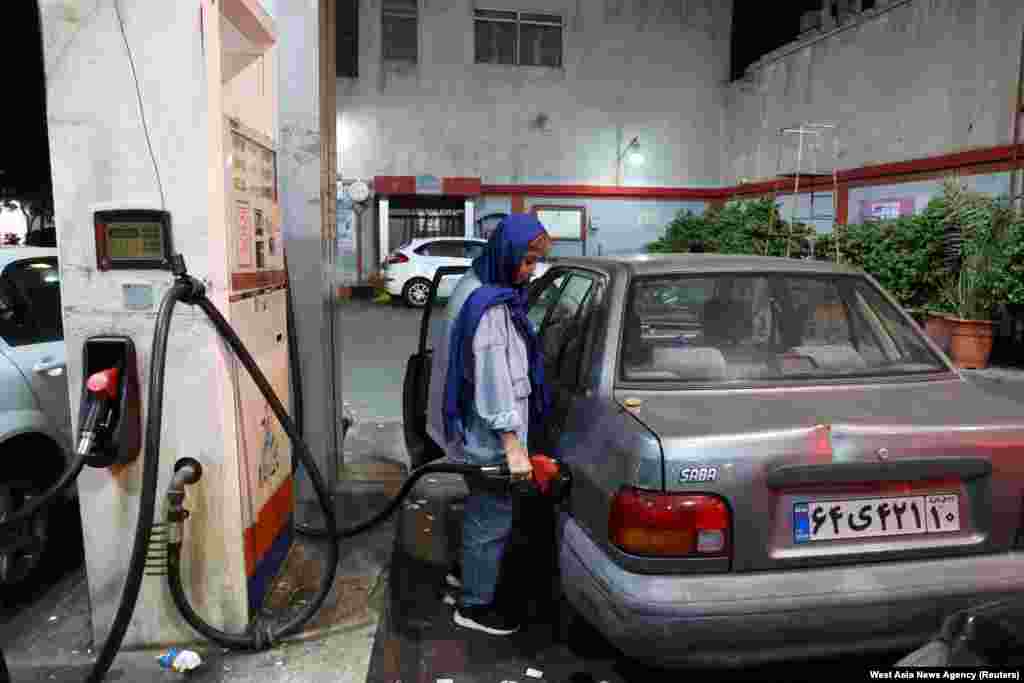
An Iranian woman fills up her car in Tehran amid fears an Israeli attack could target Iran&#39;s oil industry.&nbsp;
10/10 An Iranian woman fills up her car in Tehran amid fears an Israeli attack could target Iran's oil industry. 
In the wake of an Iranian attack on October 1 that apparently included hypersonic missiles, Israelis survey the damage.
Previous slide
Next slide

Risking Israeli Retaliation

Iran described its October 1 attack as retaliation for Israel's invasion of Lebanon and devastating yearlong war in the Gaza Strip as well as Israel's recent assassinations of key Iranian allies in the region.

Israeli forces launched a ground invasion of southern Lebanon on October 1 following a week of devastating air raids.

Israeli air strikes in Beirut on September 27 killed Hassan Nasrallah, the leader of Hezbollah, the Iran-backed armed group and political party that controls much of southern Lebanon.

Israeli attacks have decimated the leadership and degraded the fighting capabilities of Hezbollah, Iran's closest ally and key to Tehran's strategy of deterrence against Israel. Hezbollah is a U.S.-designated terrorist organization, although the EU has only blacklisted its armed wing.

Meanwhile, Ismail Haniyeh, the political head of the U.S.- and EU-designated Palestinian terrorist group Hamas and an ally of Iran, was killed in a suspected Israeli attack in Tehran in July.

Experts said domestic pressure to respond to Israel and Iran's weakening position in the region forced Tehran's hand.

"Iran seems to have come to the conclusion that the costs of inaction outweighed the risks of taking action," said Vaez.

"Tehran no doubt is aware of the risks in not only repeating but expanding its missile barrage it rained on Israel, thereby inviting an Israeli retaliation that seems all but certain to follow," he added.

Big Attack, Big Response

Iran's missile and drone attack on Israel in April, Tehran's first-ever direct assault on its foe, was highly telegraphed. Iran also used long-range drones and older missiles in that attack.

In comparison, Iran's October 1 attack was "very substantial," said Fabian Hinz, research fellow at the International Institute for Strategic Studies in London.
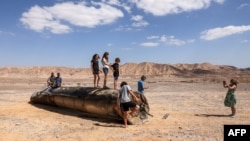
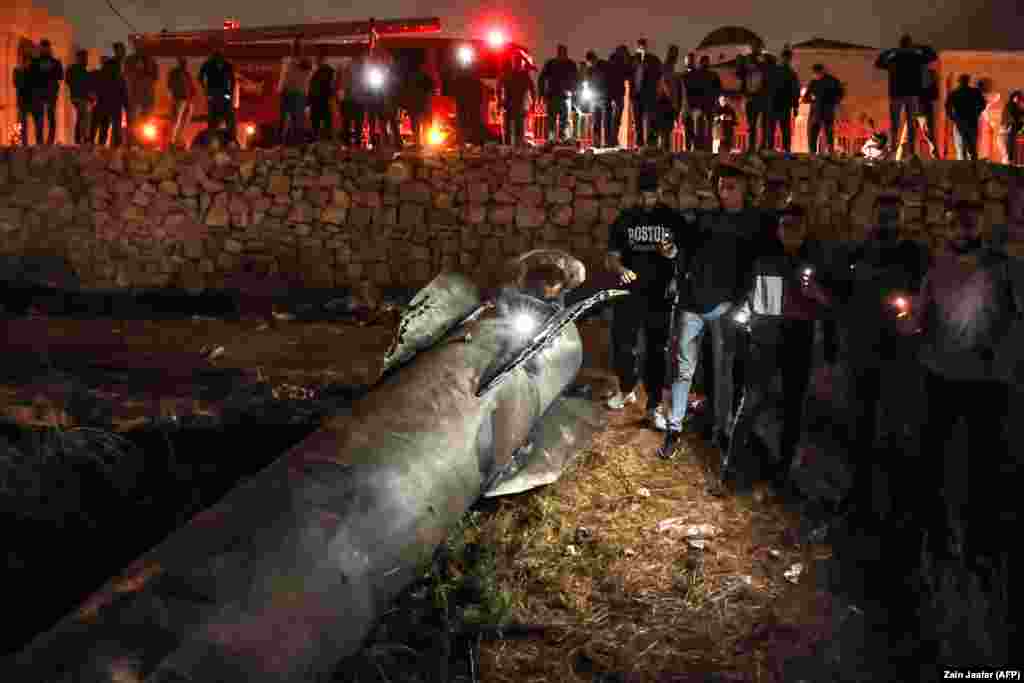
People stand on top of the remains of an Iranian missile in the Negev desert near Arad, Israel on October 2.

Preliminary evidence, he told RFE/RL's Radio Farda, suggests that Iran used ballistic missiles, which reached Israel in just minutes. The likely goal, Hinz says, was to give Israel limited time to prepare.

In April, Israel responded to Iran's attack by hitting an air-defense radar system in the central Iranian city of Isfahan.

But experts warn that Israeli retaliation is likely to be more severe this time.

Media reports citing Israeli officials said the country could strike strategic sites inside Iran, including energy facilities.
A possible Israeli strike on an oil or gas facility in energy-rich Iran would be optically spectacular, but not strategically damaging, said Farzin Nadimi, senior fellow at the Washington Institute for Near East Studies.

Hitting a nuclear facility, Nadimi told Radio Farda, would be riskier and require a large attack, considering that Iran's key nuclear infrastructure is deep underground.

Strikes targeting Iran's nuclear facilities, which Israel and the United States have reportedly rehearsed, could push Tehran to weaponize its nuclear program, experts have warned.

"Regardless of [Israel's] target, such a blow is bound to compel Tehran to retaliate, triggering a ballistic missile ping-pong that could push the entire region into an abyss," Vaez said.

Hannah Kaviani and Mohammad Zarghami of RFE/RL's Radio Farda contributed to this report.
  • 16x9 Image

    Kian Sharifi

    Kian Sharifi is a feature writer specializing in Iranian affairs in RFE/RL's Central Newsroom in Prague. He got his start in journalism at the Financial Tribune, an English-language newspaper published in Tehran, where he worked as an editor. He then moved to BBC Monitoring, where he led a team of journalists who closely watched media trends and analyzed key developments in Iran and the wider region.

This item is part of
XS
SM
MD
LG