


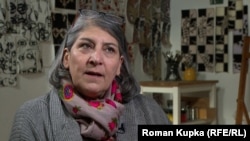
Exiled Iranian artist Parastou Forouhar returns to Tehran every year to mark the anniversary of the political murder of her parents. This year, she says she is struck by a “heavy atmosphere” caused by war, sanctions, and hardship.
“More than anything else, what strikes one is a sense that society is being crushed under the pressure of these times,” Forouhar said, speaking from Tehran to RFE/RL’s Radio Farda on November 23.
“The economic crisis, people's hardship, and poverty are very visible. This constant struggle with daily life, simply to preserve a modest and dignified everyday existence, seems apparent in every move people make,” she added.
A Gathering Of Dissidents
Forouhar was speaking a day after holding an annual event at her family home where her parents were stabbed to death in 1998.
Dariush Forouhar and his wife, Parvaneh Eskandari, had led a small political party opposed to Iran’s clerical authorities, and their deaths came amid a wave of killings of dissidents and intellectuals.

Ever since, Forouhar, who lives in Germany, has held an annual gathering in the family’s former Tehran home -- despite facing intimidation and harassment from the authorities.
She has persisted, she told RFE/RL in 2023, despite the fear of arrest or of not being allowed to return to Germany. Her visit last year followed Iran’s 12-day war with Israel. This year, it has come amid the ongoing conflict with the United States that began with US and Israeli air strikes on February 28.
“I did not expect that under such difficult and heavy conditions so many people would come,” to the anniversary gathering, she said.
“People from different generations and backgrounds of those seeking justice, political, social, and civil activists with a wide variety of intellectual and ideological backgrounds, and the presence of a broad spectrum of young people, who have become the backbone of this ceremony, were there,” she added.
Forouhar said that the authorities had warned her and others not to gather for this year’s anniversary, citing a speech she made last year calling for “justice for political crimes.”
This is a sentiment that she has voiced many times in the past, and she has for many years been exhibiting overtly political art challenging the Islamic republic at galleries and exhibitions around the world.
No To War
Forouhar is also a critic of the US and Israeli military strikes on Iran.
While she acknowledged that Tehran could exploit her position for its own political ends, she said it was important to speak out nonetheless.
“Among the broad range of people who gathered here yesterday, one issue that was repeatedly emphasized was precisely these principled positions against foreign aggression over recent months,” she said.

This included, she added, “aggression as a supposed aid to the people's struggle for freedom.”
US and Israeli officials have presented various war aims, most often related to Iran’s nuclear program but also including at various times “regime change” and supporting Iranians who joined mass nationwide demonstrations in January.
The protests, sparked primarily by acute economic stress, were brutally put down with thousands killed, beaten, and arrested by security forces.
Since then, Iran has maintained a tight lid on dissent, with human rights groups documenting a surge in executions of prisoners convicted of political charges, including many who joined the January unrest.
While US and Israeli military action has largely stopped, Washington has maintained the pressure with a naval blockade that has further stifled an already ailing economy by preventing Iranian oil exports. The aim, officials say, is to push Iran back to the negotiating table.
“The blockade and the economic sanctions are doing devastation to their economy. And it’s sad. The Iranian people deserve better than to be a third-world country, which is where their leadership is taking them. But that’s what their leaders have brought upon them,” US Secretary of State Marco Rubio said on November 10.
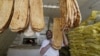
War damage to energy facilities has left Iran bracing for a winter gas shortage, while the collapse of Iran’s economy has even led to rationing of subsidized bread in some areas. Fuel shortages have led to lines at gas stations and restrictions on electricity supply.
“The sanctions, which have had an enormous impact, weighing on people's daily lives, on access to medicine for patients, on every cell of this society, seem to be having a corrosive effect,” Forouhar said.
“You can feel it, and it is very bitter and heavy: A heavy atmosphere hangs over the city,” she added.

