




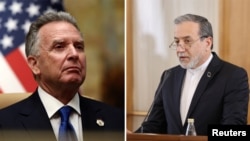
US and Iranian officials are set to hold a fresh round of nuclear talks in Geneva on February 26 for what is seen as a last-ditch attempt to avoid a major military conflict between the foes.
The third round of discussions come as President Donald Trump weighs options for US military action if no deal is secured to curb Iran’s nuclear program, with two American carrier groups deployed within striking distance of the Islamic republic.
Iranian Foreign Minister Abbas Araqchi left Tehran for the Swiss city on February 25, and is expected to hold talks with White House envoy Steve Witkoff and Trump's son-in-law Jared Kushner. Omani representatives will act as mediators, as they have in previous rounds.
The sides held indirect talks earlier this month in Oman, the first since Israel and the United States bombed Iran's key nuclear sites during a brief conflict in June. A second round of talks was held in Geneva on February 17.
The two rounds of negotiations failed to yield a breakthrough, and key sticking points remain unsolved.
During the talks, the United States has demanded that Iran put a complete halt on enriching uranium and give up its stockpile of around 400 kilograms of highly enriched uranium, steps that would prevent Tehran from building a nuclear weapon.
Tehran insists that its nuclear program is intended for peaceful, civilian purposes such as electricity generation.
"After their nuclear program was obliterated [by US and Israeli air strikes last year], they were told not to try to restart it...You can see them always trying to rebuild elements of it," US Secretary of State Marco Rubio said on February 25.
"They're not enriching right now, but they're trying to get to the point where they ultimately can."
Rubio said that while the talks will focus on Iran's nuclear program, its missiles "have to be addressed in the negotiations" as Tehran possesses "thousands of short range ballistic missiles that can reach US bases located in region."
He added that Trump's comments on February 24 during his State of the Union address that Iran is "working to build missiles that will soon reach the United States of America” didn't mean they currently possess such weapons, but that "clearly they are headed in the pathway to, one day, being able to develop weapons that could reach the continental US."
Iran has indicated it is prepared to make concessions in return for the lifting of US sanctions and recognition of its right to enrich uranium.
Kelsey Davenport, the director for nonproliferation policy at the US-based Arms Control Association, said there is still a chance for diplomacy even as the “risks of miscalculation and the risks of a return to conflict are extremely high.”
“I think despite all of the threats, Trump wants a deal,” Davenport told RFE/RL’s Radio Farda.
“He does not want to get the United States bogged down in another conflict in the region. And I think that Iran, too, to realize sanctions relief and to prevent a return to conflict, would also see value in an agreement.”
A Military On The Move: US Hardware Spotted Amid Iran Tensions
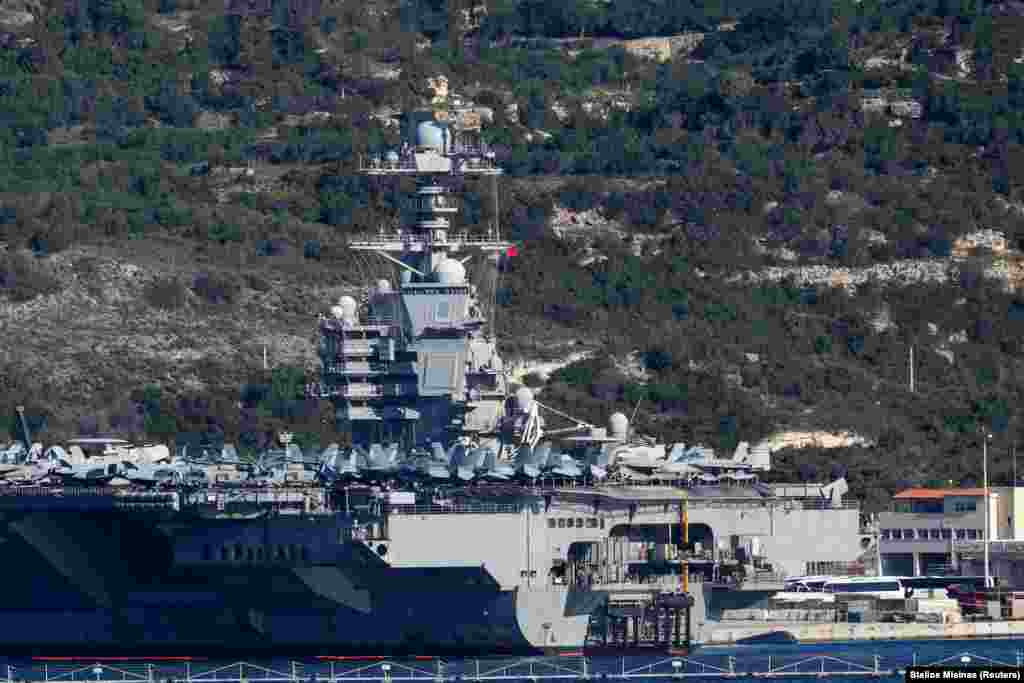

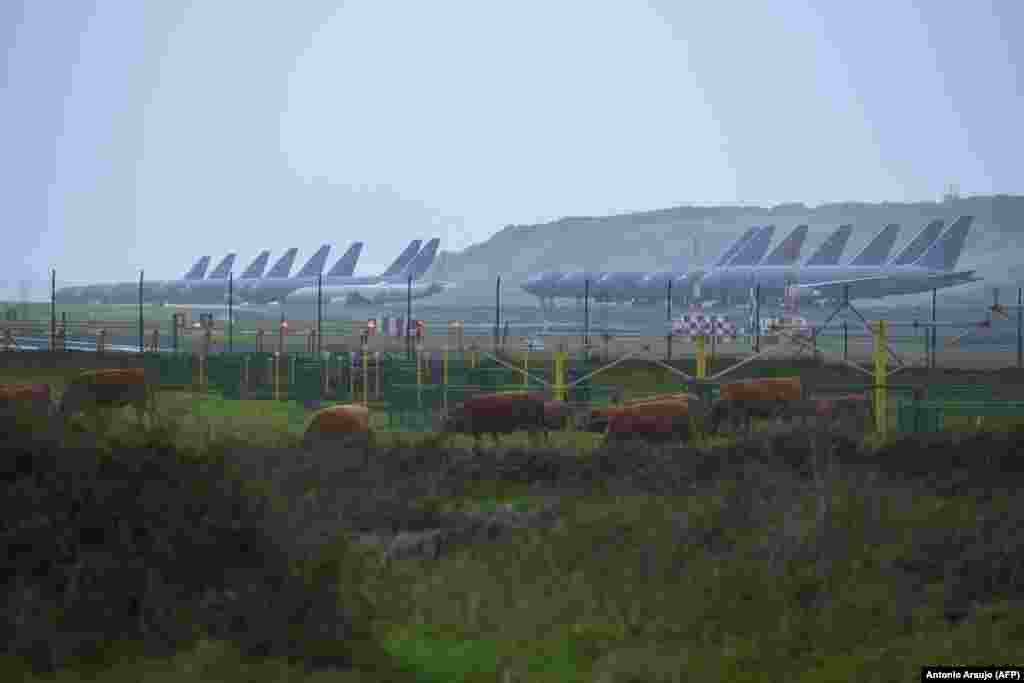
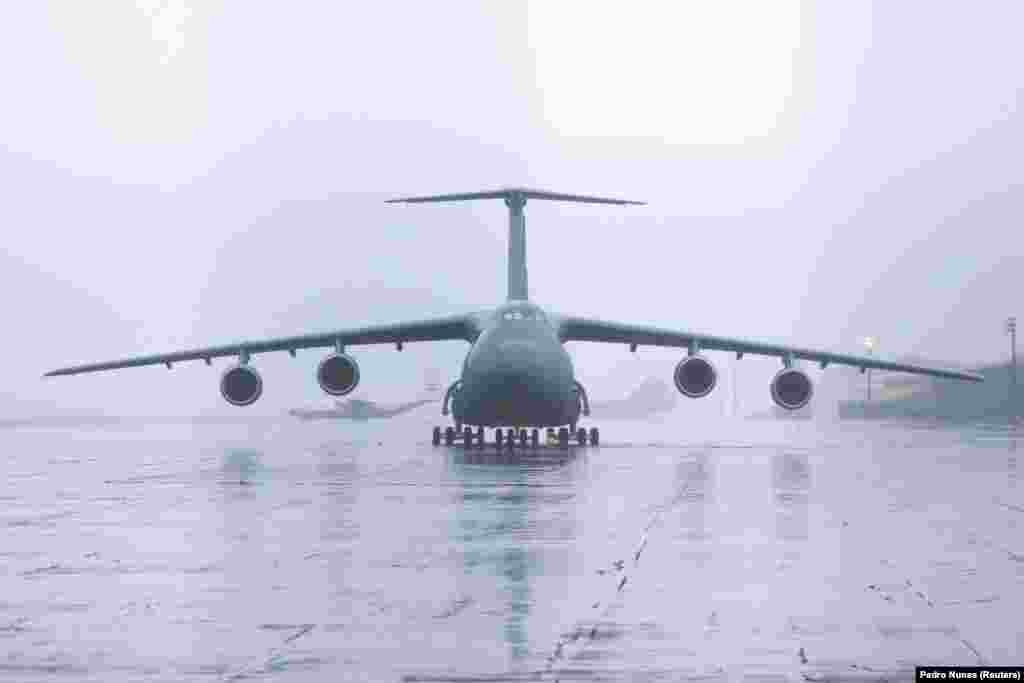
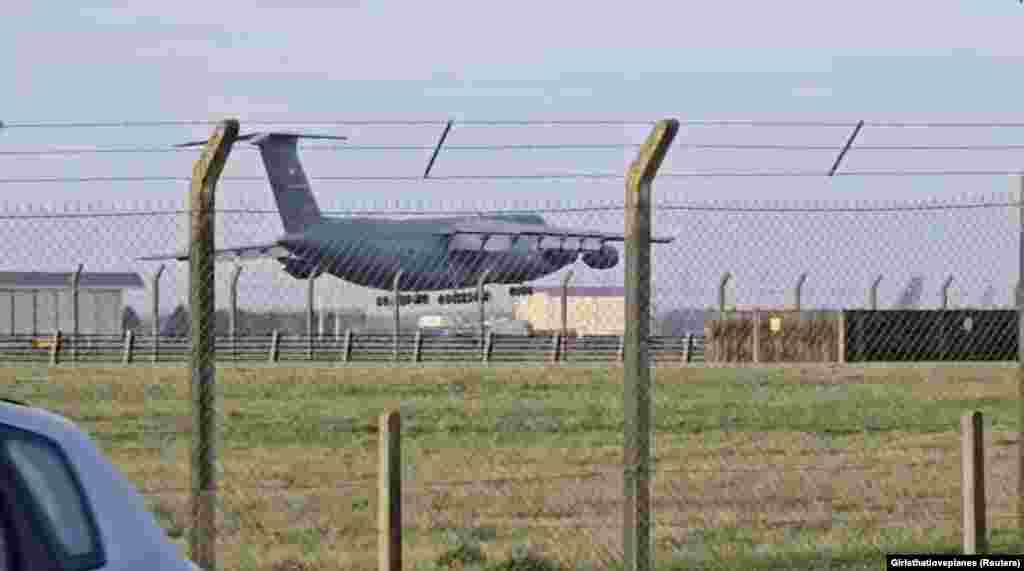


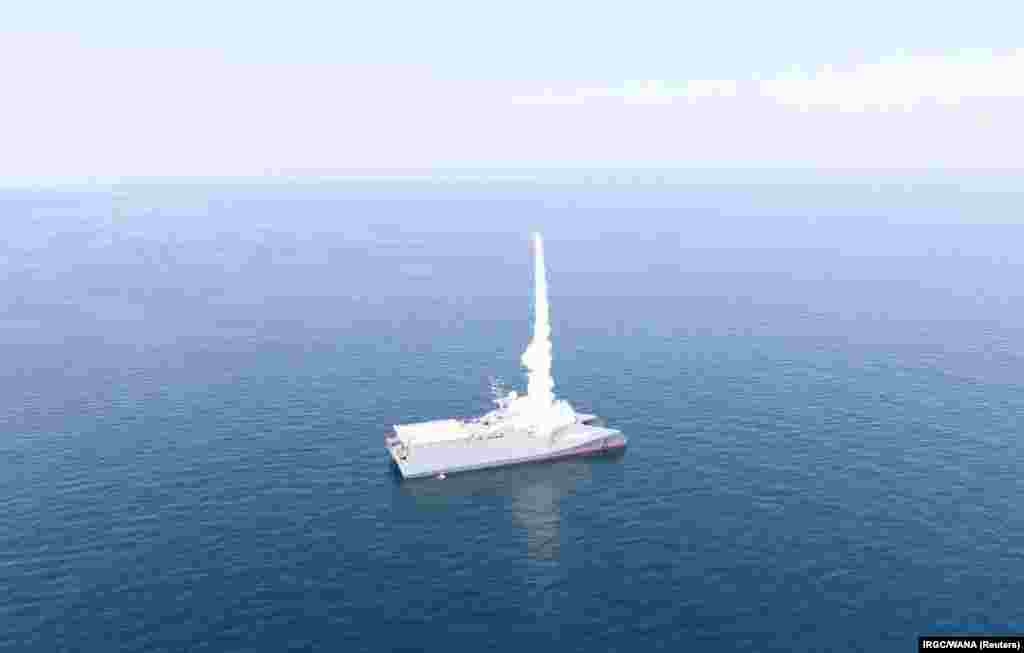
Ahead of the February 26 negotiations, Araqchi said the sides were close to an agreement that would avoid a military confrontation.
"We have a historic opportunity to strike an unprecedented agreement that addresses mutual concerns and achieves mutual interests," Araqchi said in a social media post, adding that a deal was "within reach, but only if diplomacy is given priority."
Araqchi also vowed that Iran will "under no circumstances ever develop a nuclear weapon," but insisted on the country's right to "harness dividends of peaceful nuclear technology."
In his February 24 address, Trump appeared to lay out his case for a possible attack on Iran, saying he would not allow the “world's number one sponsor of terror” to have a nuclear weapon.
Trump said Tehran wanted to rebuild its nuclear program and is "at this moment again pursuing their sinister nuclear ambitions."
In an apparent response to Trump's address, Iranian Foreign Ministry spokesman Esmaeil Baqaei posted on social media on February 25 that the US administration was spreading "lies."
"Whatever they're alleging in regards to Iran's nuclear program, Iran's ballistic missiles, and the number of casualties during January's unrest is simply the repetition of 'big lies,'" he wrote.
The negotiations in Geneva come after repeated threats from Trump of military action against Tehran, first over Iran's brutal crackdown on mass protests in January, and then more recently over the country's nuclear program.
World powers struck a landmark nuclear deal with Tehran in 2015 to prevent an Iranian bomb.
Western economic sanctions were eased at the time, but Iran began reneging on commitments after Trump, in his first term as president, withdrew from the agreement in 2018 and reimposed sanctions.

