



Accessibility links

Breaking News

Bombs Kill Scores In Pakistan

Updated
An injured rescue worker receives treatment at a hospital after the second bomb blast in Quetta.
1/16 An injured rescue worker receives treatment at a hospital after the second bomb blast in Quetta.
In one of Pakistan's bloodiest days in recent years, a series of bombings struck two cities on January 10, killing at least 115 people and wounding dozens more. The deadliest attacks were twin blasts which killed 81 people at a snooker hall in Quetta, the capital of the province of Balochistan. The bombings were claimed by the Sunni militant group Lashkar-e-Jhangvi, while an earlier attack in Quetta was claimed by the separatist United Baluch Army. In the northwestern Swat Valley, at least 22 people were reported killed by an explosion near Mingora.
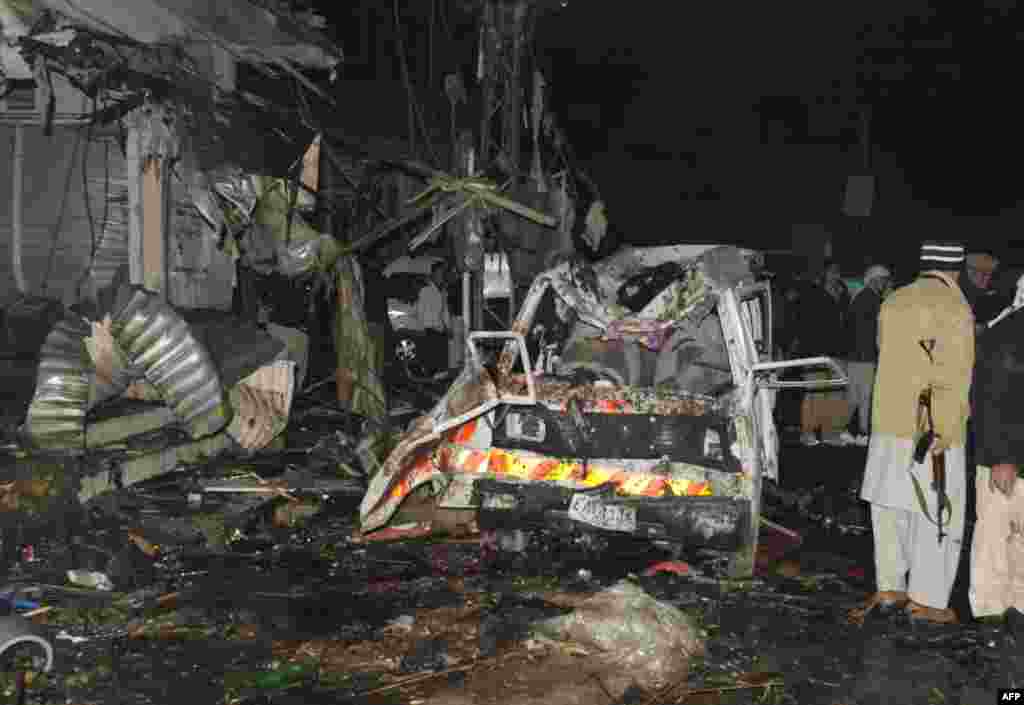
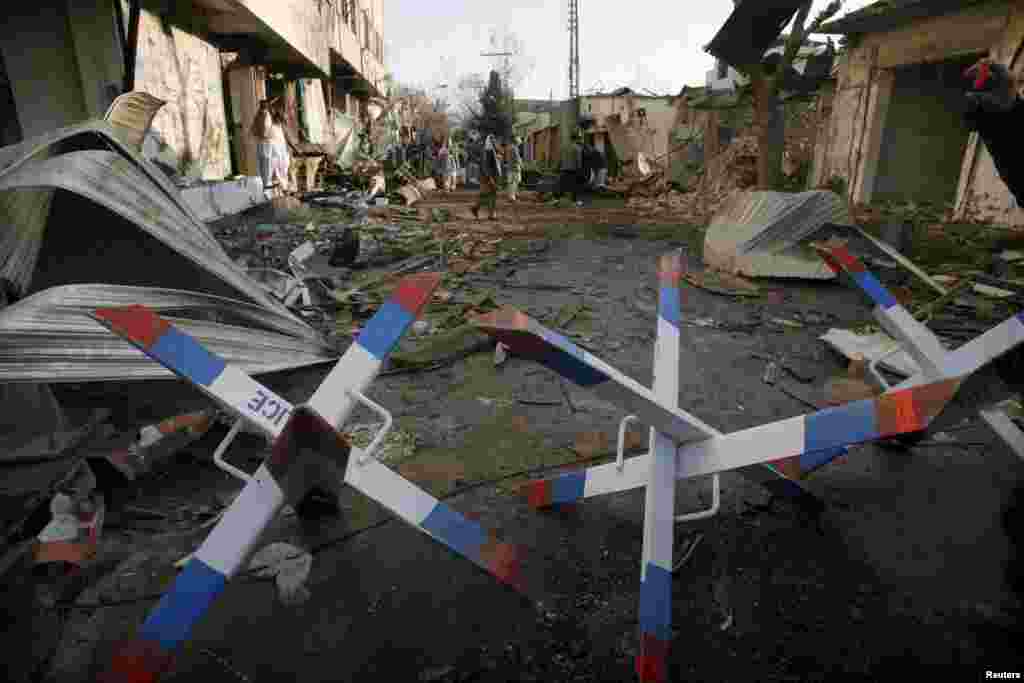
Police tape marks the site of the first bomb blast in Quetta, which killed 11 people and injured 27.
2/16 Police tape marks the site of the first bomb blast in Quetta, which killed 11 people and injured 27.
In one of Pakistan's bloodiest days in recent years, a series of bombings struck two cities on January 10, killing at least 115 people and wounding dozens more. The deadliest attacks were twin blasts which killed 81 people at a snooker hall in Quetta, the capital of the province of Balochistan. The bombings were claimed by the Sunni militant group Lashkar-e-Jhangvi, while an earlier attack in Quetta was claimed by the separatist United Baluch Army. In the northwestern Swat Valley, at least 22 people were reported killed by an explosion near Mingora.
3/16
In one of Pakistan's bloodiest days in recent years, a series of bombings struck two cities on January 10, killing at least 115 people and wounding dozens more. The deadliest attacks were twin blasts which killed 81 people at a snooker hall in Quetta, the capital of the province of Balochistan. The bombings were claimed by the Sunni militant group Lashkar-e-Jhangvi, while an earlier attack in Quetta was claimed by the separatist United Baluch Army. In the northwestern Swat Valley, at least 22 people were reported killed by an explosion near Mingora.
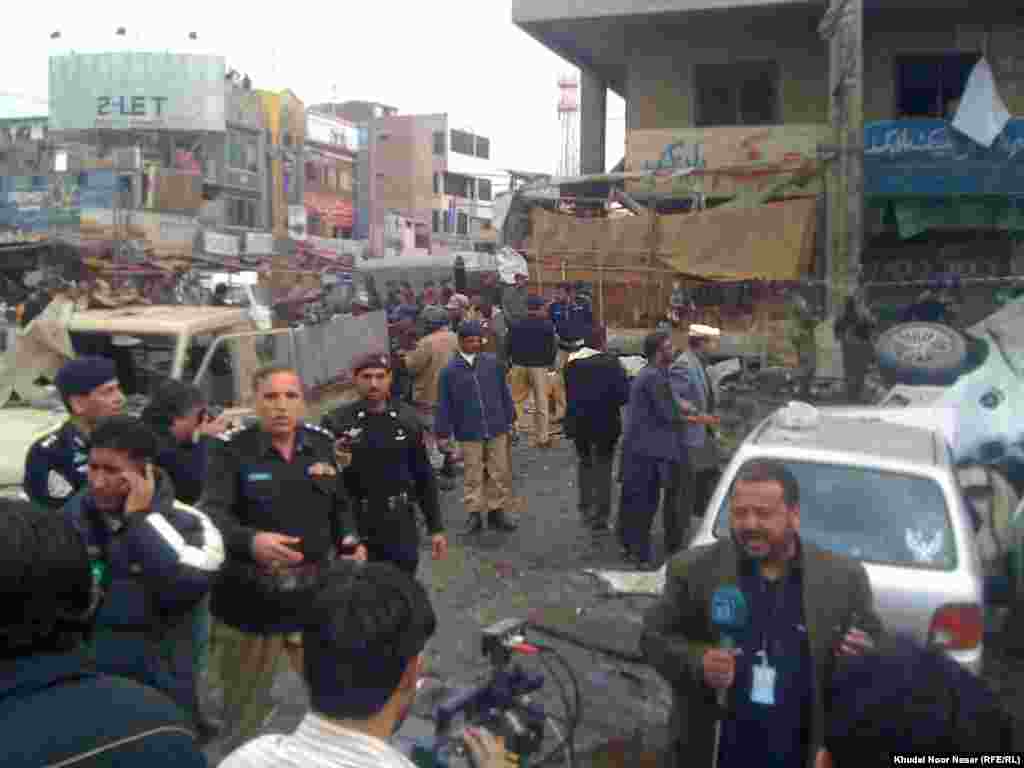
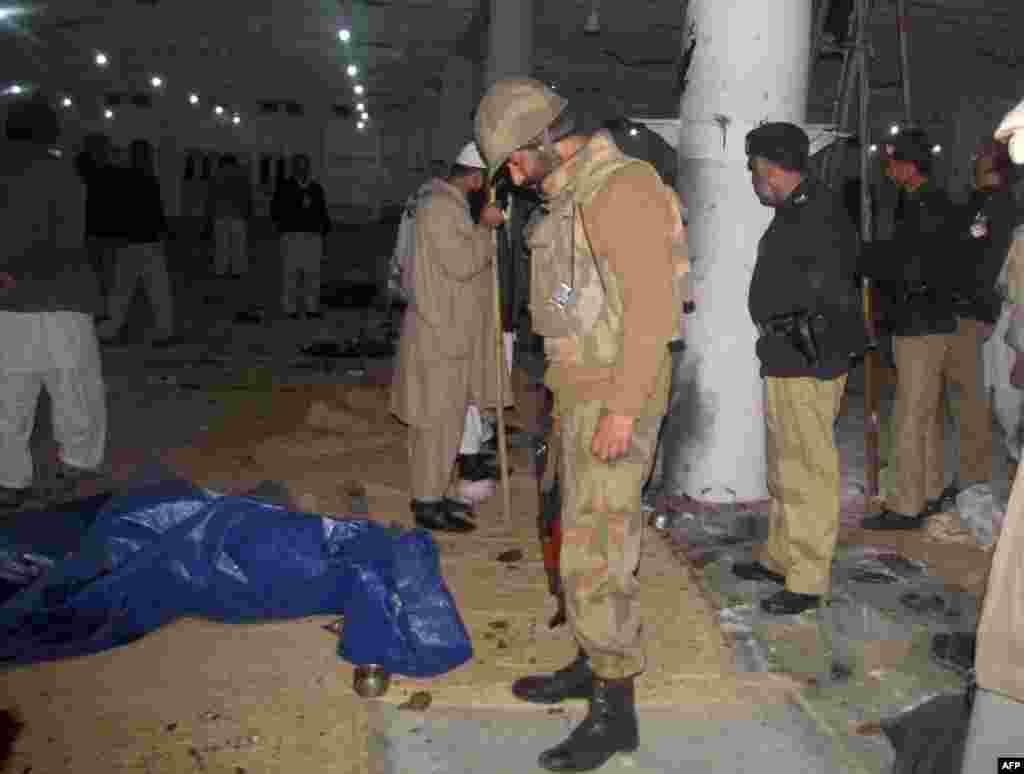
Pakistani security personnel examine the site of one of the explosions.
4/16 Pakistani security personnel examine the site of one of the explosions.
In one of Pakistan's bloodiest days in recent years, a series of bombings struck two cities on January 10, killing at least 115 people and wounding dozens more. The deadliest attacks were twin blasts which killed 81 people at a snooker hall in Quetta, the capital of the province of Balochistan. The bombings were claimed by the Sunni militant group Lashkar-e-Jhangvi, while an earlier attack in Quetta was claimed by the separatist United Baluch Army. In the northwestern Swat Valley, at least 22 people were reported killed by an explosion near Mingora.
5/16
In one of Pakistan's bloodiest days in recent years, a series of bombings struck two cities on January 10, killing at least 115 people and wounding dozens more. The deadliest attacks were twin blasts which killed 81 people at a snooker hall in Quetta, the capital of the province of Balochistan. The bombings were claimed by the Sunni militant group Lashkar-e-Jhangvi, while an earlier attack in Quetta was claimed by the separatist United Baluch Army. In the northwestern Swat Valley, at least 22 people were reported killed by an explosion near Mingora.
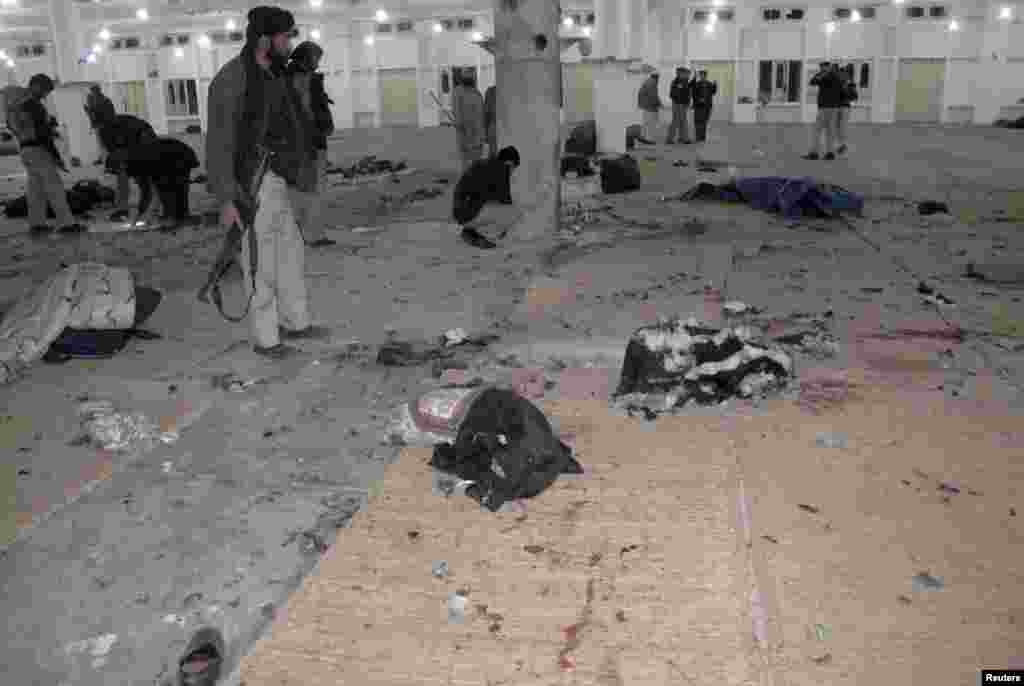
On the outskirts of Mingora, in Pakistan's Swat Valley, another blast struck the Maki mosque.
6/16 On the outskirts of Mingora, in Pakistan's Swat Valley, another blast struck the Maki mosque.
In one of Pakistan's bloodiest days in recent years, a series of bombings struck two cities on January 10, killing at least 115 people and wounding dozens more. The deadliest attacks were twin blasts which killed 81 people at a snooker hall in Quetta, the capital of the province of Balochistan. The bombings were claimed by the Sunni militant group Lashkar-e-Jhangvi, while an earlier attack in Quetta was claimed by the separatist United Baluch Army. In the northwestern Swat Valley, at least 22 people were reported killed by an explosion near Mingora.
Police inspect the damage to a mosque bombing.
7/16 Police inspect the damage to a mosque bombing.
In one of Pakistan's bloodiest days in recent years, a series of bombings struck two cities on January 10, killing at least 115 people and wounding dozens more. The deadliest attacks were twin blasts which killed 81 people at a snooker hall in Quetta, the capital of the province of Balochistan. The bombings were claimed by the Sunni militant group Lashkar-e-Jhangvi, while an earlier attack in Quetta was claimed by the separatist United Baluch Army. In the northwestern Swat Valley, at least 22 people were reported killed by an explosion near Mingora.
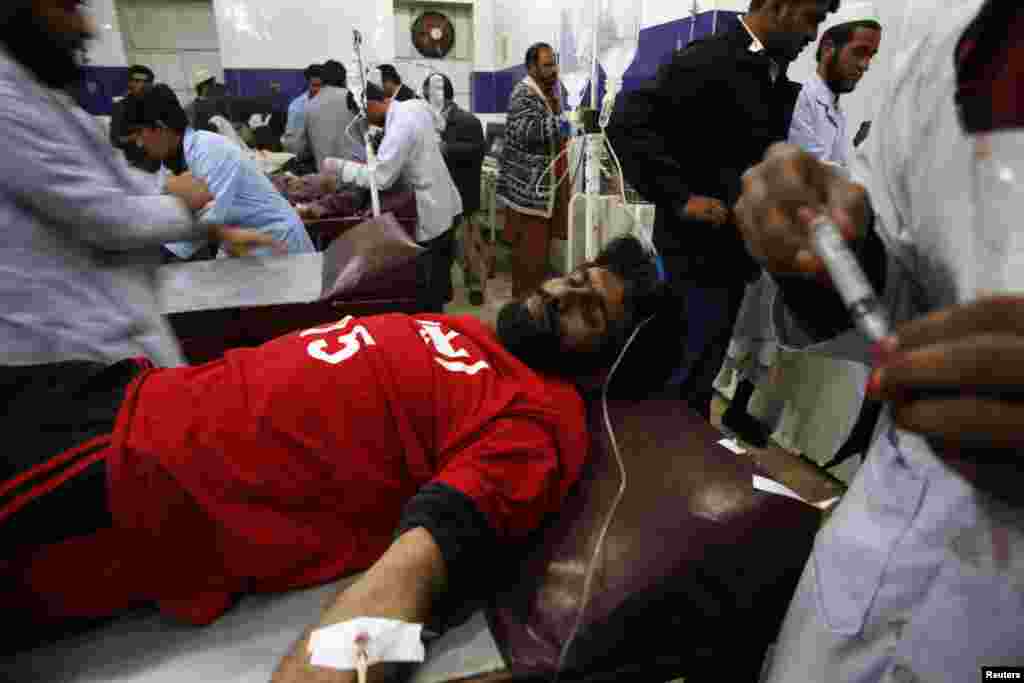
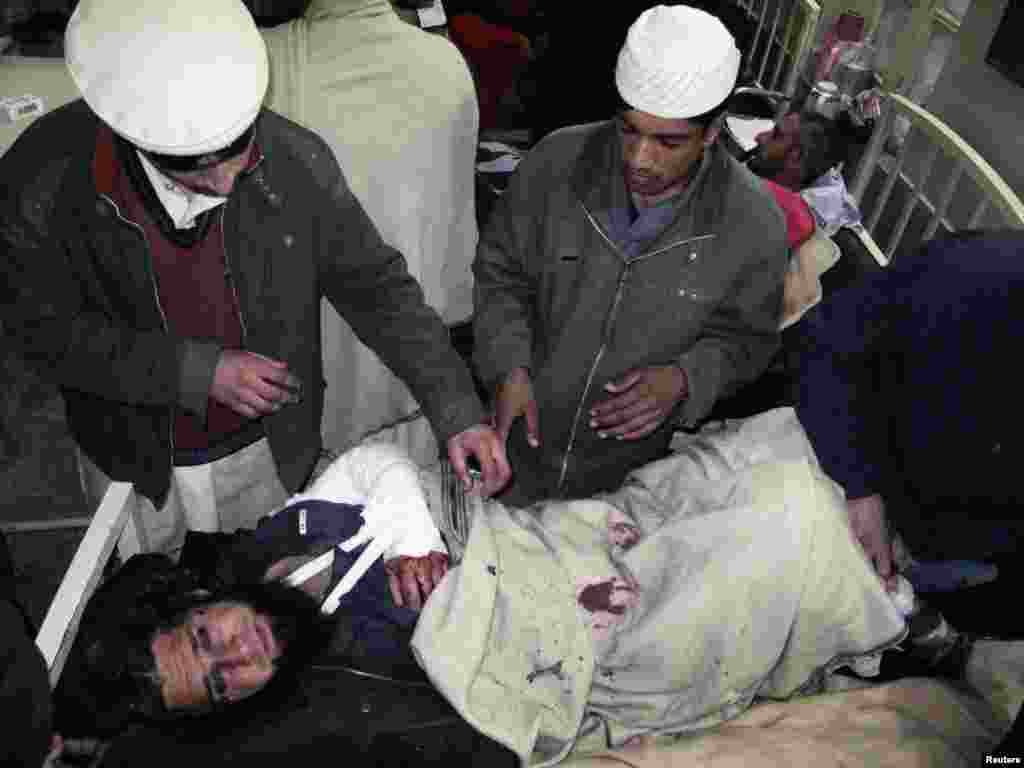
A wounded man receives treatment in Mingora.
8/16 A wounded man receives treatment in Mingora.
In one of Pakistan's bloodiest days in recent years, a series of bombings struck two cities on January 10, killing at least 115 people and wounding dozens more. The deadliest attacks were twin blasts which killed 81 people at a snooker hall in Quetta, the capital of the province of Balochistan. The bombings were claimed by the Sunni militant group Lashkar-e-Jhangvi, while an earlier attack in Quetta was claimed by the separatist United Baluch Army. In the northwestern Swat Valley, at least 22 people were reported killed by an explosion near Mingora.
Later in the day, two apparently coordinated bombings shook Quetta again.
9/16 Later in the day, two apparently coordinated bombings shook Quetta again.
In one of Pakistan's bloodiest days in recent years, a series of bombings struck two cities on January 10, killing at least 115 people and wounding dozens more. The deadliest attacks were twin blasts which killed 81 people at a snooker hall in Quetta, the capital of the province of Balochistan. The bombings were claimed by the Sunni militant group Lashkar-e-Jhangvi, while an earlier attack in Quetta was claimed by the separatist United Baluch Army. In the northwestern Swat Valley, at least 22 people were reported killed by an explosion near Mingora.
10/16
In one of Pakistan's bloodiest days in recent years, a series of bombings struck two cities on January 10, killing at least 115 people and wounding dozens more. The deadliest attacks were twin blasts which killed 81 people at a snooker hall in Quetta, the capital of the province of Balochistan. The bombings were claimed by the Sunni militant group Lashkar-e-Jhangvi, while an earlier attack in Quetta was claimed by the separatist United Baluch Army. In the northwestern Swat Valley, at least 22 people were reported killed by an explosion near Mingora.
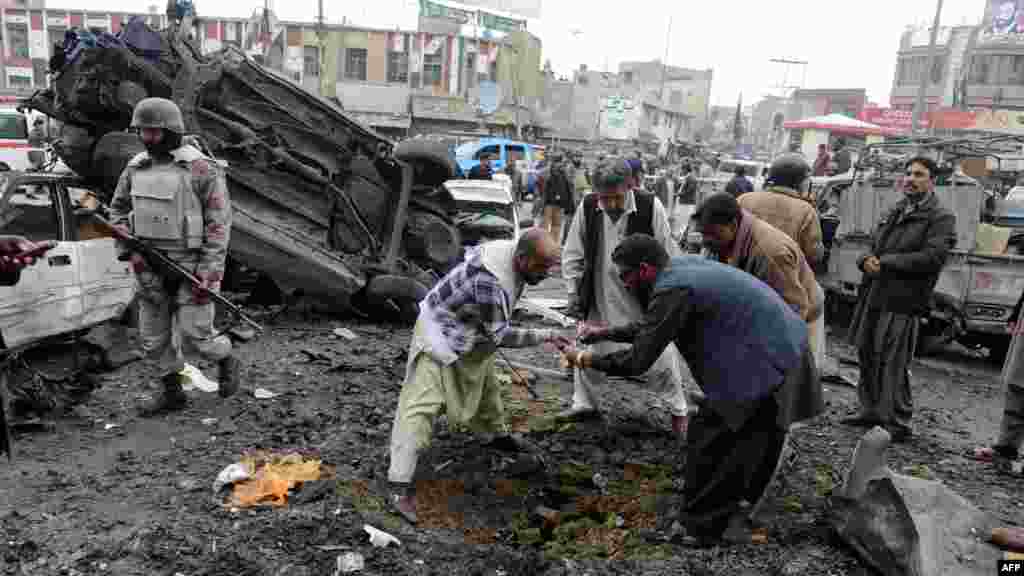
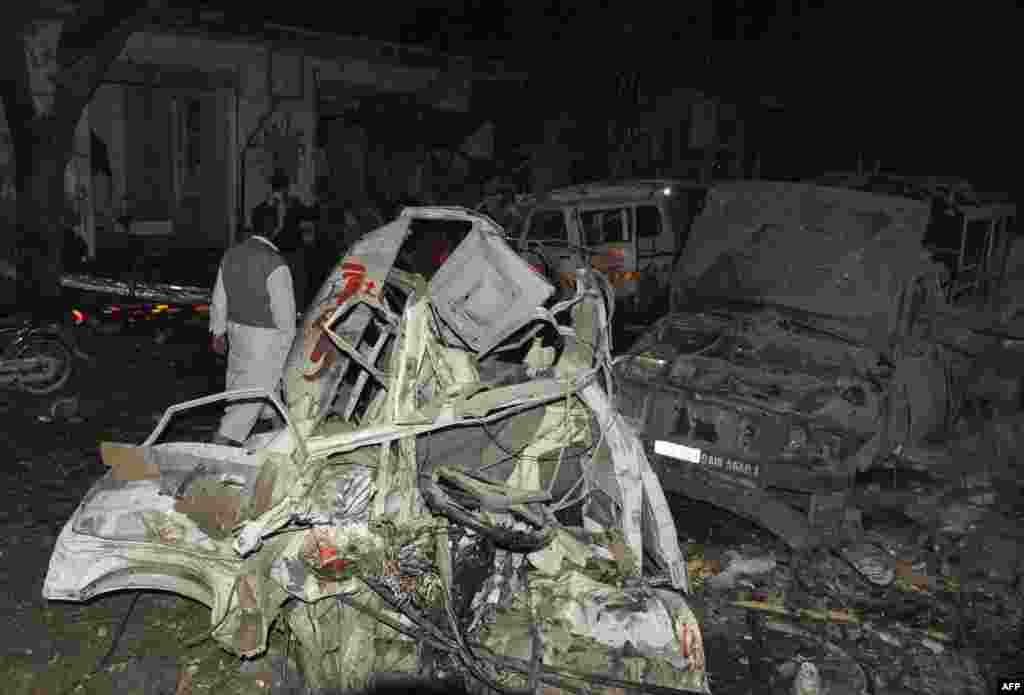
People inspect the damage in Quetta the day after the attacks.
11/16 People inspect the damage in Quetta the day after the attacks.
In one of Pakistan's bloodiest days in recent years, a series of bombings struck two cities on January 10, killing at least 115 people and wounding dozens more. The deadliest attacks were twin blasts which killed 81 people at a snooker hall in Quetta, the capital of the province of Balochistan. The bombings were claimed by the Sunni militant group Lashkar-e-Jhangvi, while an earlier attack in Quetta was claimed by the separatist United Baluch Army. In the northwestern Swat Valley, at least 22 people were reported killed by an explosion near Mingora.
12/16
In one of Pakistan's bloodiest days in recent years, a series of bombings struck two cities on January 10, killing at least 115 people and wounding dozens more. The deadliest attacks were twin blasts which killed 81 people at a snooker hall in Quetta, the capital of the province of Balochistan. The bombings were claimed by the Sunni militant group Lashkar-e-Jhangvi, while an earlier attack in Quetta was claimed by the separatist United Baluch Army. In the northwestern Swat Valley, at least 22 people were reported killed by an explosion near Mingora.
13/16
In one of Pakistan's bloodiest days in recent years, a series of bombings struck two cities on January 10, killing at least 115 people and wounding dozens more. The deadliest attacks were twin blasts which killed 81 people at a snooker hall in Quetta, the capital of the province of Balochistan. The bombings were claimed by the Sunni militant group Lashkar-e-Jhangvi, while an earlier attack in Quetta was claimed by the separatist United Baluch Army. In the northwestern Swat Valley, at least 22 people were reported killed by an explosion near Mingora.
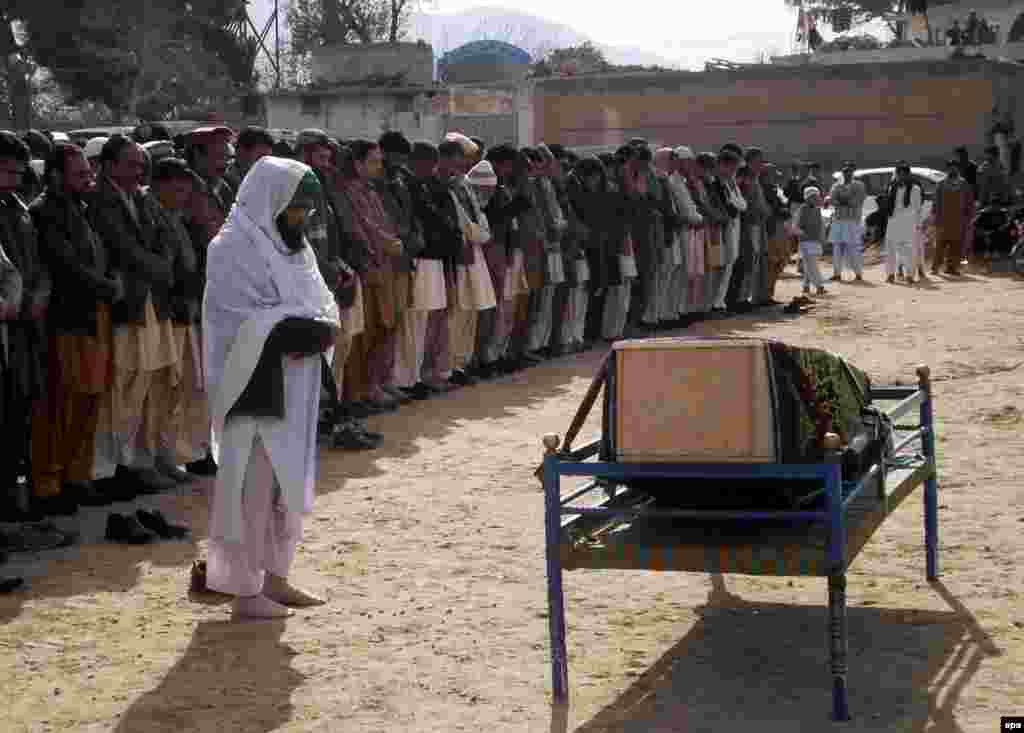
The funeral of a Pakistani journalist, Imran Sheikh, who was killed in twin bomb blasts in Quetta.
14/16 The funeral of a Pakistani journalist, Imran Sheikh, who was killed in twin bomb blasts in Quetta.
In one of Pakistan's bloodiest days in recent years, a series of bombings struck two cities on January 10, killing at least 115 people and wounding dozens more. The deadliest attacks were twin blasts which killed 81 people at a snooker hall in Quetta, the capital of the province of Balochistan. The bombings were claimed by the Sunni militant group Lashkar-e-Jhangvi, while an earlier attack in Quetta was claimed by the separatist United Baluch Army. In the northwestern Swat Valley, at least 22 people were reported killed by an explosion near Mingora.
People carry the coffin of a bombing victim in Mingora.
15/16 People carry the coffin of a bombing victim in Mingora.
In one of Pakistan's bloodiest days in recent years, a series of bombings struck two cities on January 10, killing at least 115 people and wounding dozens more. The deadliest attacks were twin blasts which killed 81 people at a snooker hall in Quetta, the capital of the province of Balochistan. The bombings were claimed by the Sunni militant group Lashkar-e-Jhangvi, while an earlier attack in Quetta was claimed by the separatist United Baluch Army. In the northwestern Swat Valley, at least 22 people were reported killed by an explosion near Mingora.
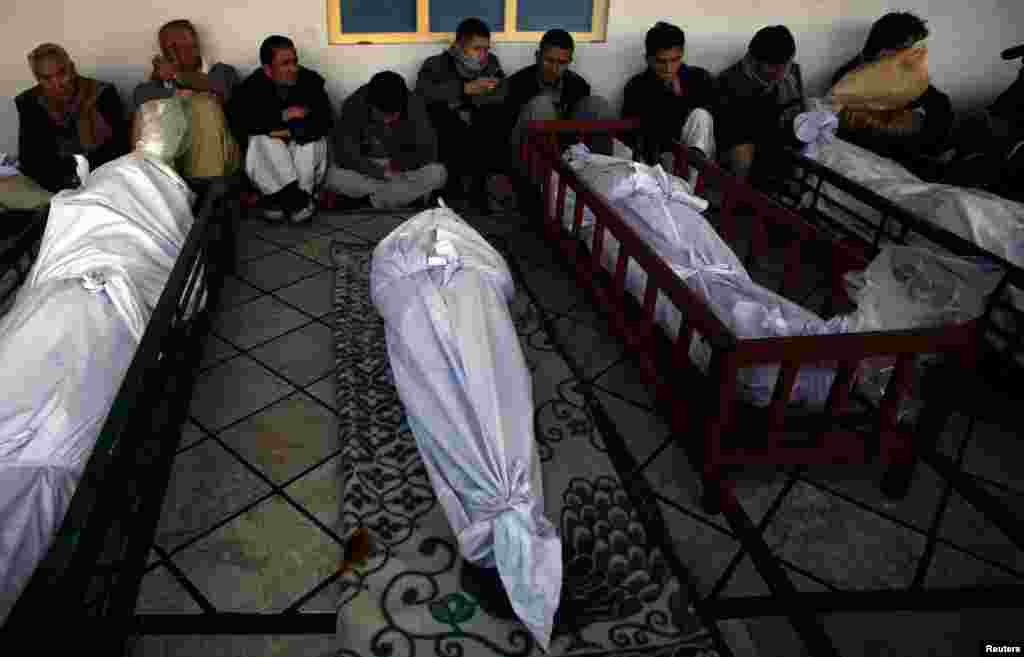
People gather around victims during a funeral service at a Quetta mosque.
16/16 People gather around victims during a funeral service at a Quetta mosque.
In one of Pakistan's bloodiest days in recent years, a series of bombings struck two cities on January 10, killing at least 115 people and wounding dozens more. The deadliest attacks were twin blasts which killed 81 people at a snooker hall in Quetta, the capital of the province of Balochistan. The bombings were claimed by the Sunni militant group Lashkar-e-Jhangvi, while an earlier attack in Quetta was claimed by the separatist United Baluch Army. In the northwestern Swat Valley, at least 22 people were reported killed by an explosion near Mingora.
Previous slide
Next slide
QUETTA, Pakistan -- Explosions claimed by sectarian and separatist militant groups have killed some 115 people and wounded dozens of others in what's been described as one of the bloodiest single days in Pakistan in recent years.

The deadliest attacks on January 10 occurred in Quetta, capital of the southwestern Balochistan Province.

More than 80 people were reported killed in two coordinated blasts -- from a suicide bomber and a car bomb -- apparently targeting minority Shi'a at a Quetta snooker club.

WATCH: The aftermath of the fatal bombing in Quetta
Explosion Kills At Least 11 In Quetta
please wait

No media source currently available

0:00 0:00:42 0:00

The attack was claimed by the Sunni militant Lashkar-e-Jhangvi group.

Meanwhile, a number of Sh'ia in Quetta have refused to bury their dead to protest the deadly bombings targeting the Shi'ite minority.

On January 11, members of Quetta's Shi'ite community laid at least 30 bodies, draped in shrouds and placed in coffins, out on the street.

They said they would not bury them until the government improves security in the area. Shi'a also burnt tires and blocked a nearby road in protest.

Earlier in Quetta, at least 11 people were killed by an explosion claimed by the separatist ethnic United Baluch Army.

Balochistan's government has announced three days of mourning for the victims.

In the northwestern Swat Valley, at least 22 people were reported killed by an explosion near Mingora.

Pakistani Taliban are suspected of carrying out that attack.

With reporting by AFP, AP, and dpa
  • 16x9 Image

    RFE/RL's Radio Mashaal

    RFE/RL's Radio Mashaal is a public-service broadcaster providing a powerful alternative to extremist propaganda in Pakistan's remote tribal regions along the border with Afghanistan.

This item is part of
XS
SM
MD
LG