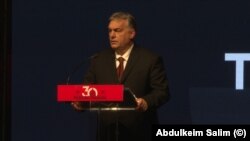
Hungarian Prime Minister Viktor Orban delivers a speech in Timisoara on December 15 commemorating 30 years since the end of communist rule in Romania.
Hungary’s Prime Minister Viktor Orban on December 15 visited the western Romanian city of Timisoara to take part in events marking 30 years since the end of communist rule and the overthrow of dictator Nicolae Ceausescu.
Delivering the keynote speech at the event in front of a crowd that included ethnic Hungarians, Orban praised his country’s relationship with Romania.
"We [as Hungarians] believe that we can achieve a goal easier with our neighbors than by ourselves,” he said.
Romania: From Fascism To Freedom
1/25A Hungarian soldier torches a bunker on an abandoned defensive line between Romania and Hungary in 1940.
Twenty-five images from an archive of mostly amateur photographs capture daily life through Romania’s turbulent journey from World War II to the collapse of communism in 1989.
Show moreShow less
2/25Ethnic Germans in northern Transylvania welcome Hungarian troops with Nazi salutes in 1940. The Romanian region was occupied by Nazi-allied Hungarian forces through most of the war.
Twenty-five images from an archive of mostly amateur photographs capture daily life through Romania’s turbulent journey from World War II to the collapse of communism in 1989.
Show moreShow less
3/25A rabbi speaks in front of a swastika in the Transylvanian town of Bistrita as Hungarian troops arrive in 1940.
This striking image from Romania, along with the other photos in this gallery, are from the Fortepan photo archive. The collection of mostly amateur photos captures life in Central Europe through the 20th century.
Twenty-five images from an archive of mostly amateur photographs capture daily life through Romania’s turbulent journey from World War II to the collapse of communism in 1989.
Show moreShow less
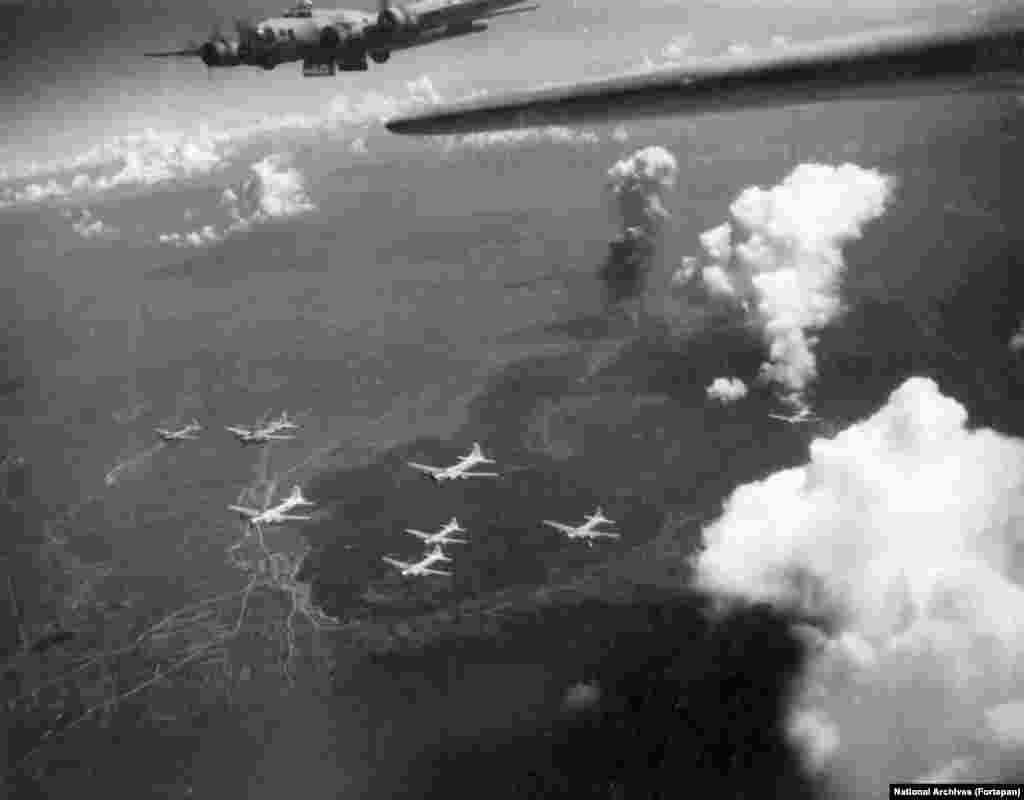
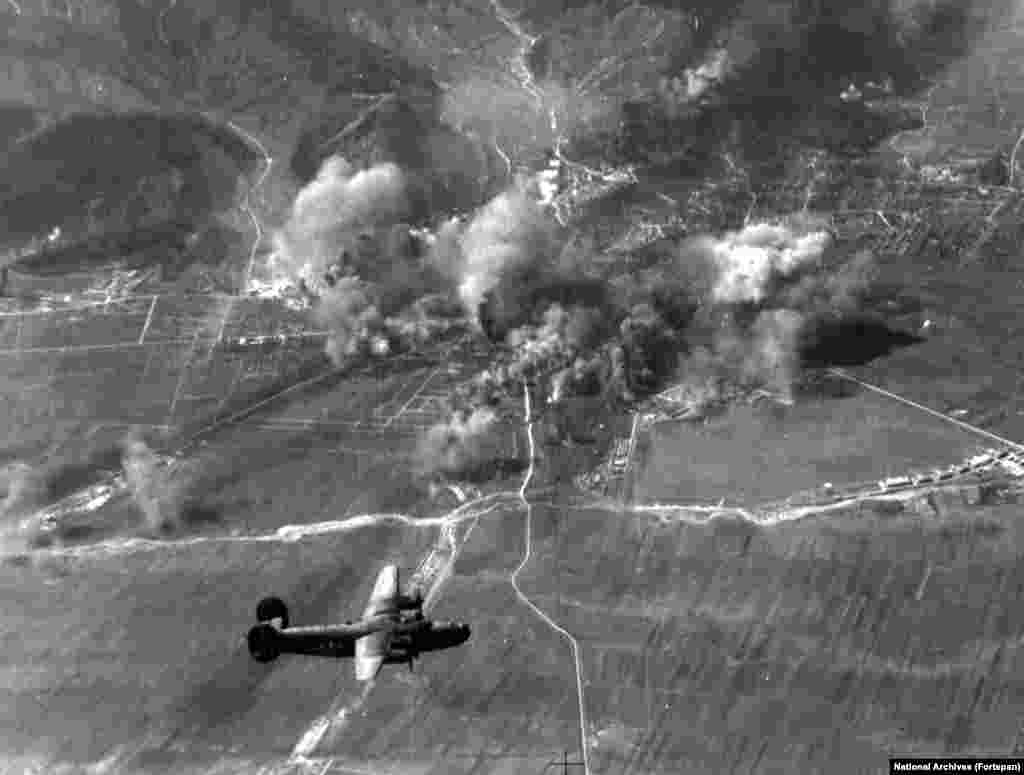
4/25U.S. bombers target an oil refinery in Brasov in 1944. In 1940, after a fascist ruler seized power in a coup, Romania allied itself with Nazi Germany.
Twenty-five images from an archive of mostly amateur photographs capture daily life through Romania’s turbulent journey from World War II to the collapse of communism in 1989.
Show moreShow less
5/25Romanian oil was a vital resource for the Nazi war machine.
Twenty-five images from an archive of mostly amateur photographs capture daily life through Romania’s turbulent journey from World War II to the collapse of communism in 1989.
Show moreShow less
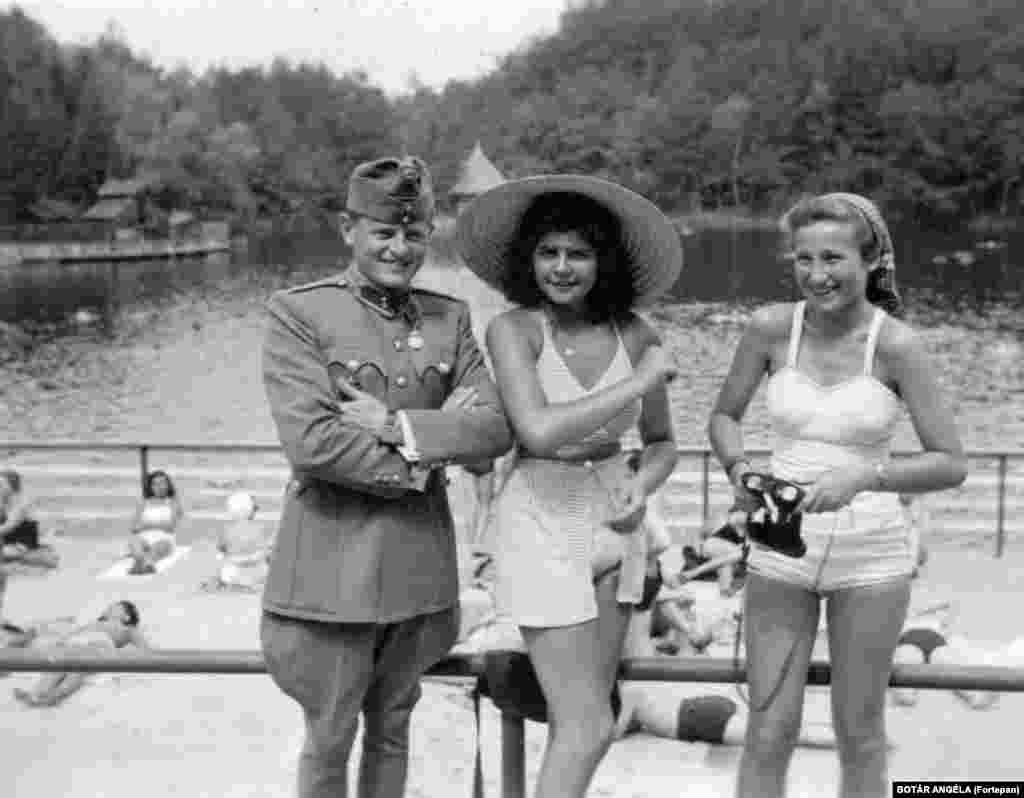
6/25A Hungarian soldier poses with locals in occupied northern Romania in 1942.
Twenty-five images from an archive of mostly amateur photographs capture daily life through Romania’s turbulent journey from World War II to the collapse of communism in 1989.
Show moreShow less
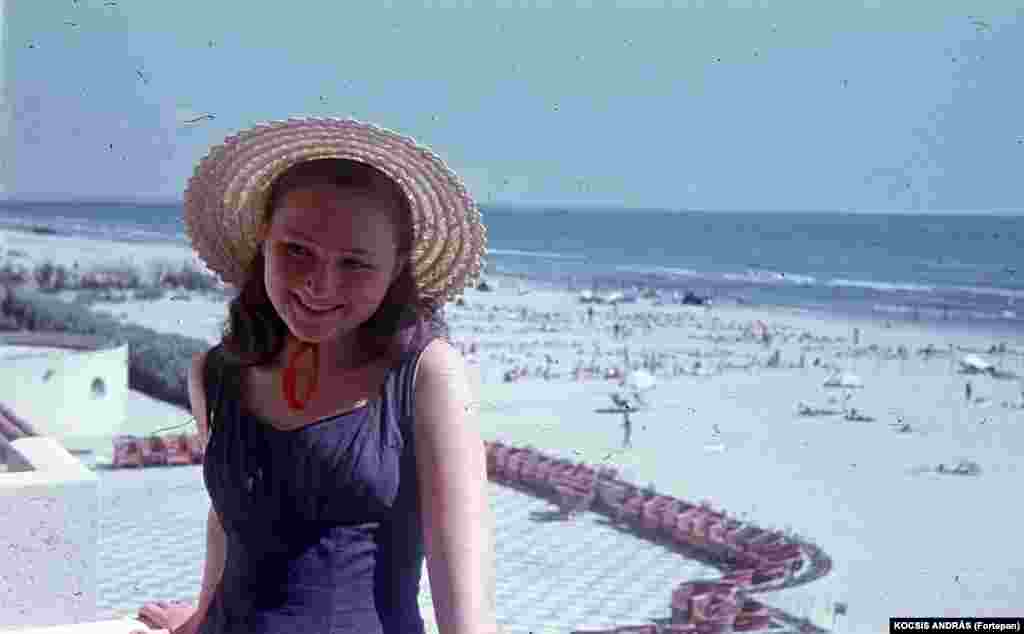
7/25A young woman on holiday in Constanta in 1955.
Twenty-five images from an archive of mostly amateur photographs capture daily life through Romania’s turbulent journey from World War II to the collapse of communism in 1989.
Show moreShow less
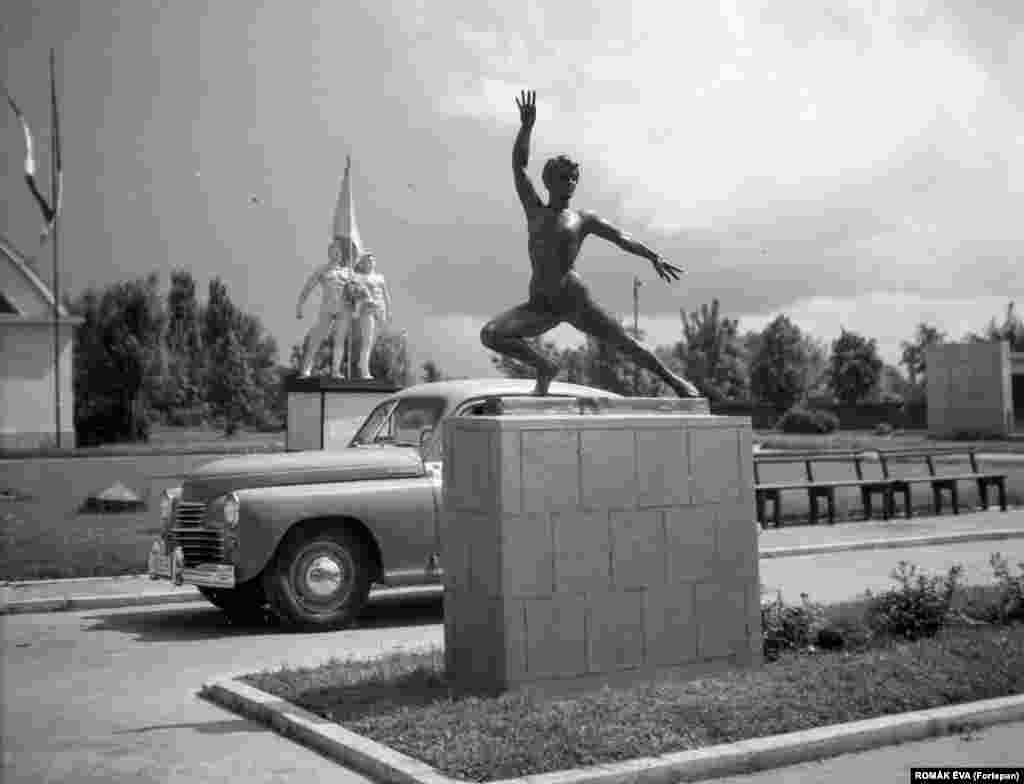
8/25Socialist-realist statues in Bucharest photographed in 1957. Romania was ruled by a communist dictatorship after the country was occupied by the Soviet Red Army.
Twenty-five images from an archive of mostly amateur photographs capture daily life through Romania’s turbulent journey from World War II to the collapse of communism in 1989.
Show moreShow less
9/25Actors Istvan Rozsos and Dorottya Geczi relax in the waves of the Black Sea near Constanta in 1959.
Twenty-five images from an archive of mostly amateur photographs capture daily life through Romania’s turbulent journey from World War II to the collapse of communism in 1989.
Show moreShow less
10/25Women working on a collective fruit farm in Transylvania in 1962.
Twenty-five images from an archive of mostly amateur photographs capture daily life through Romania’s turbulent journey from World War II to the collapse of communism in 1989.
Show moreShow less
11/25By the 1960s, communist politician Nicolae Ceausescu (pictured during a speech in Arad) ruled the country.
Twenty-five images from an archive of mostly amateur photographs capture daily life through Romania’s turbulent journey from World War II to the collapse of communism in 1989.
Show moreShow less
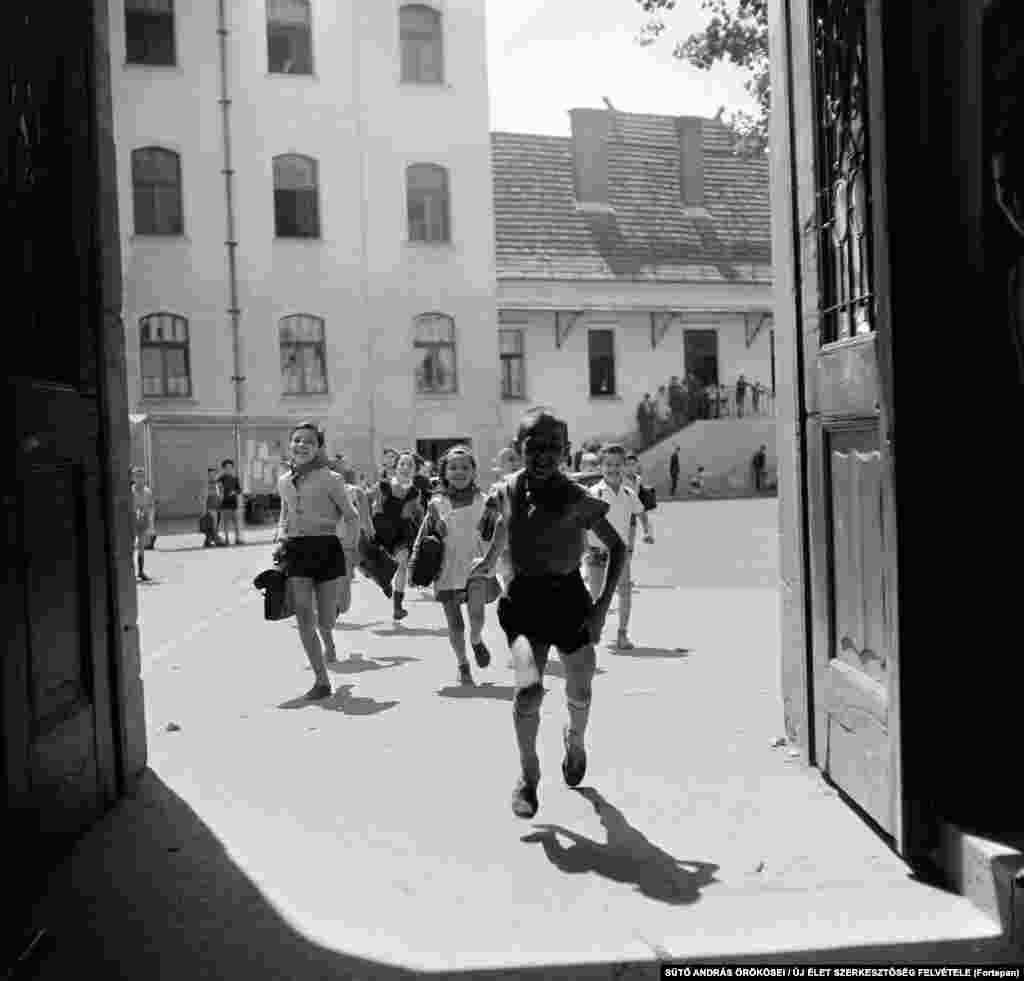
12/25Schoolchildren wearing the red scarves of the communist Pioneer youth group run into a building in Targu Mures in 1964.
Twenty-five images from an archive of mostly amateur photographs capture daily life through Romania’s turbulent journey from World War II to the collapse of communism in 1989.
Show moreShow less
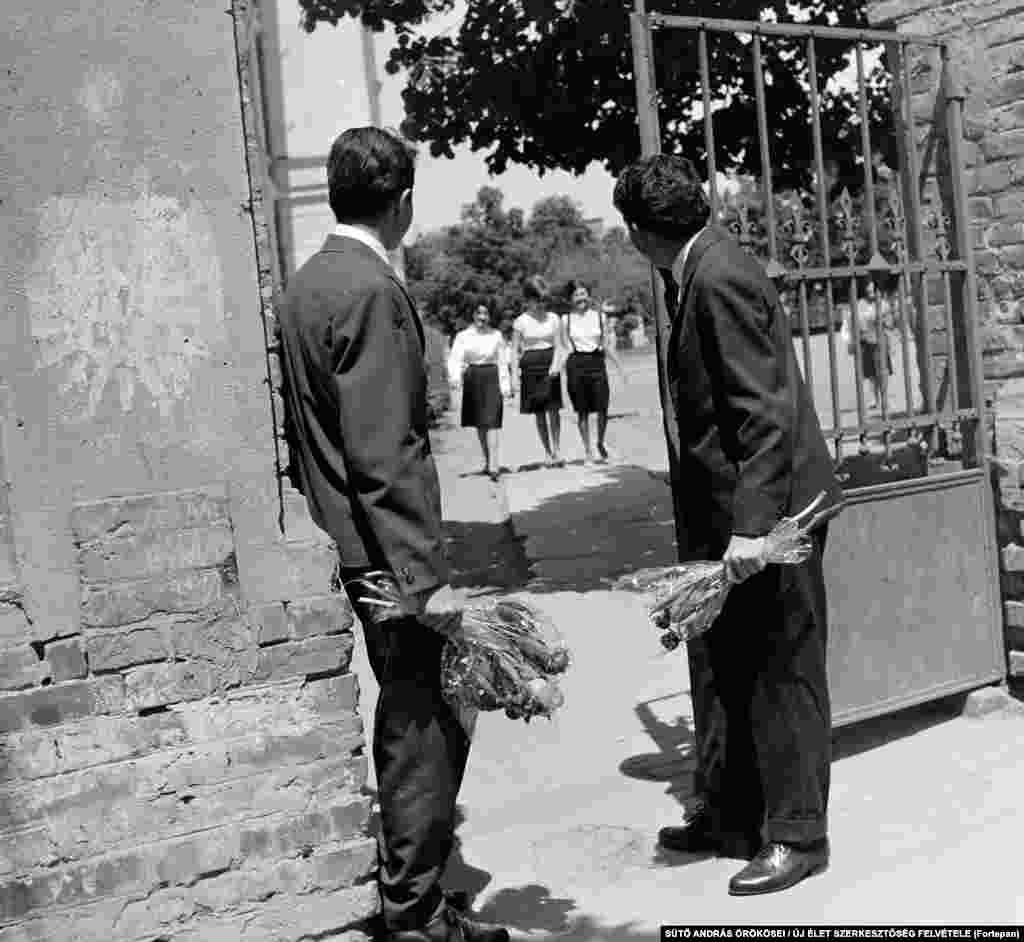
13/25Romantic Romanian students wait for a group of young women in Targu Mures in 1964.
Twenty-five images from an archive of mostly amateur photographs capture daily life through Romania’s turbulent journey from World War II to the collapse of communism in 1989.
Show moreShow less
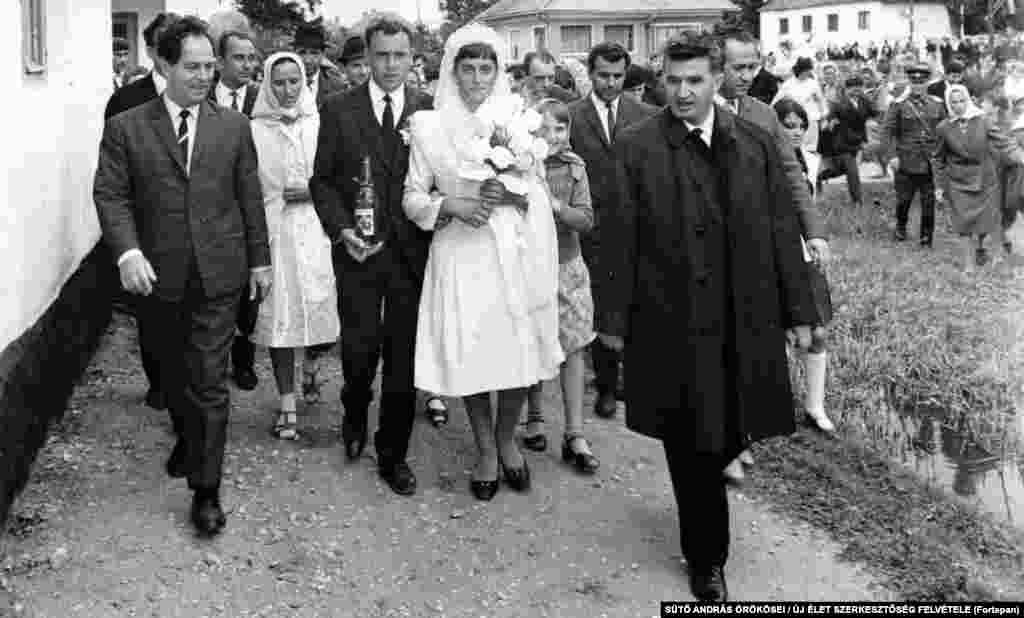
14/25Nicolae Ceausescu walks with a newlywed ethnic Hungarian couple near Brasov in 1967. Although Ceausescu oversaw the widespread repression of his political opponents, he was initially relatively popular with Romanians -- especially after he took out foreign loans that ensured Romanian shops were well stocked with food.
Twenty-five images from an archive of mostly amateur photographs capture daily life through Romania’s turbulent journey from World War II to the collapse of communism in 1989.
Show moreShow less
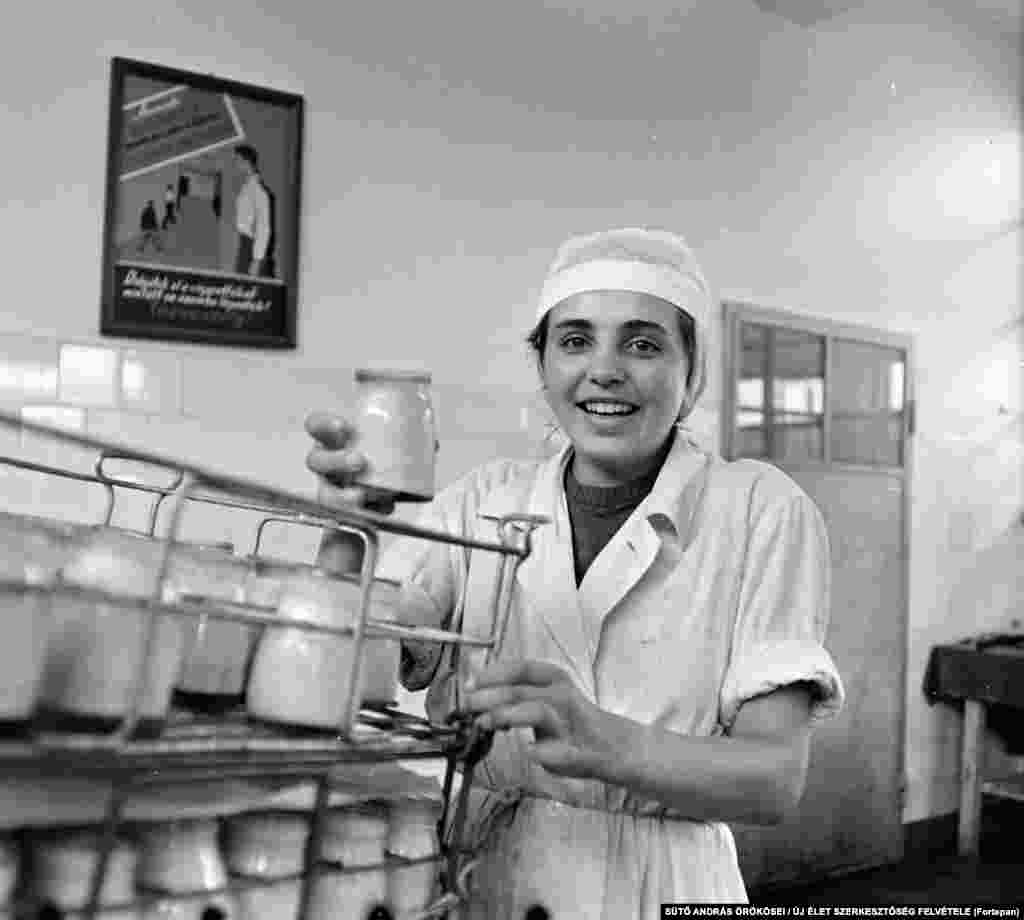
15/25A young worker at a dairy in Targu Mures in 1967.
Twenty-five images from an archive of mostly amateur photographs capture daily life through Romania’s turbulent journey from World War II to the collapse of communism in 1989.
Show moreShow less
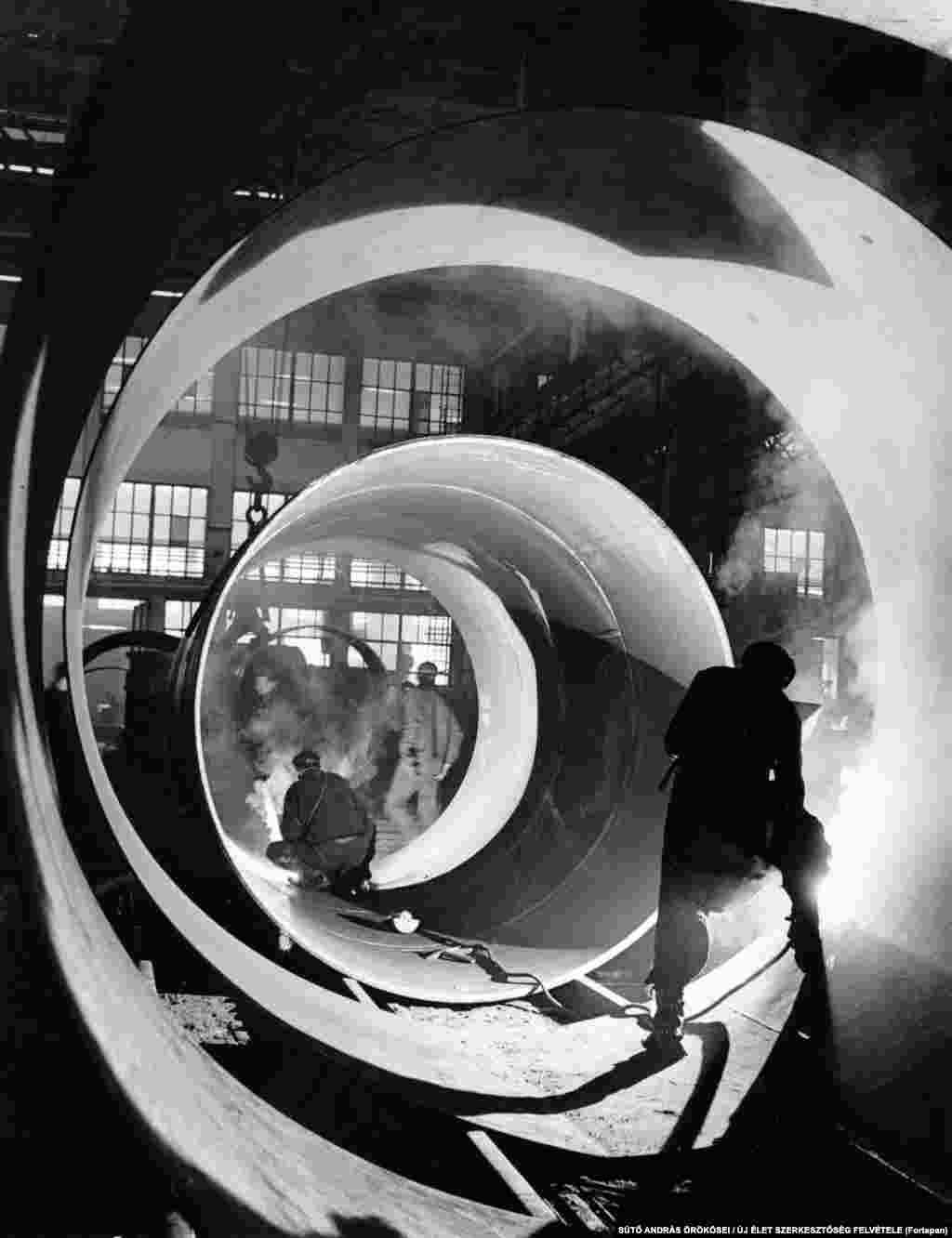
16/25Welders at work at Bucharest's Vulcan Machine Factory in 1973.
Twenty-five images from an archive of mostly amateur photographs capture daily life through Romania’s turbulent journey from World War II to the collapse of communism in 1989.
Show moreShow less
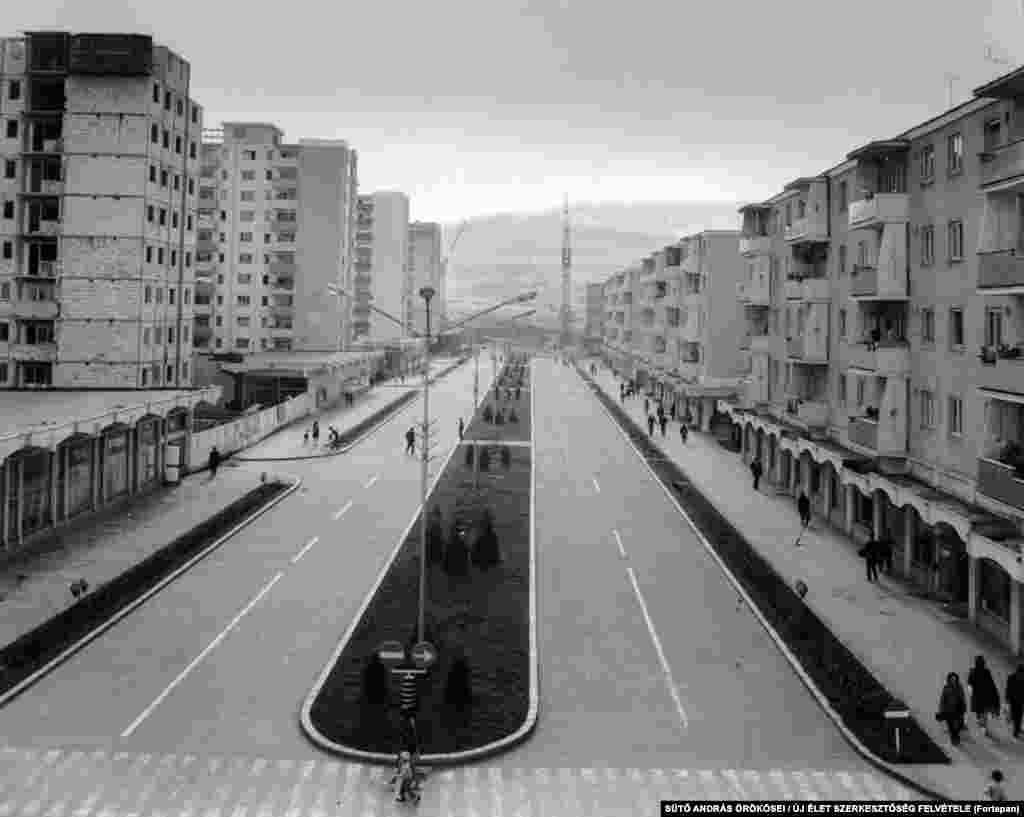
17/25A suburb under construction in 1977 in the Transylvanian city of Alba Iulia.
Twenty-five images from an archive of mostly amateur photographs capture daily life through Romania’s turbulent journey from World War II to the collapse of communism in 1989.
Show moreShow less
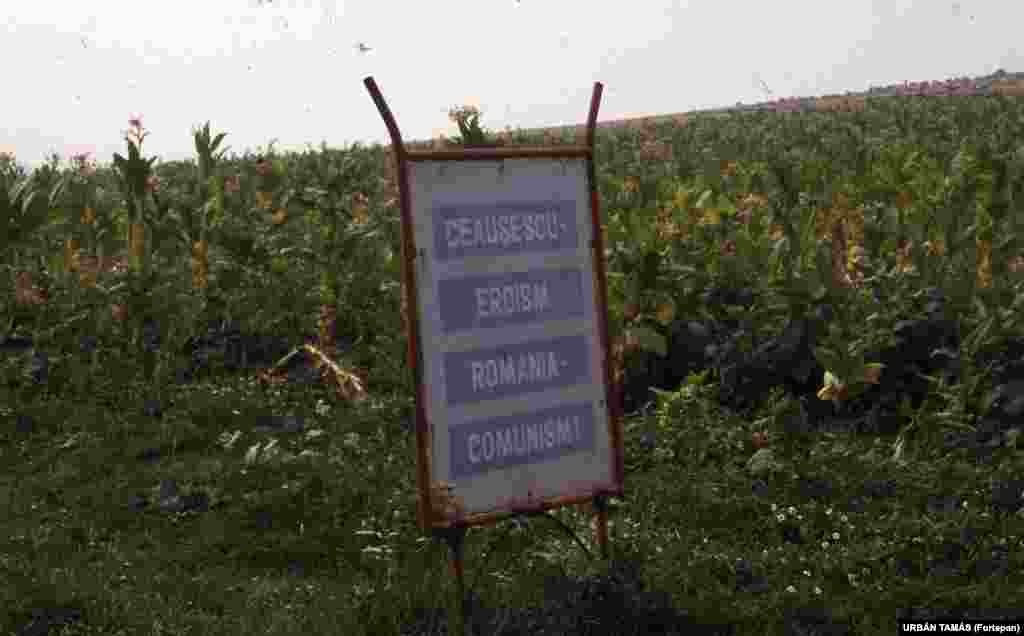
18/25A sign declaring "Ceausescu -- heroism, Romania -- communism!" By the 1980s, Ceausescu's obsession with glorifying himself and repaying foreign loans was having a devastating effect on the Romanian people.
Twenty-five images from an archive of mostly amateur photographs capture daily life through Romania’s turbulent journey from World War II to the collapse of communism in 1989.
Twenty-five images from an archive of mostly amateur photographs capture daily life through Romania’s turbulent journey from World War II to the collapse of communism in 1989.
Twenty-five images from an archive of mostly amateur photographs capture daily life through Romania’s turbulent journey from World War II to the collapse of communism in 1989.
Show moreShow less
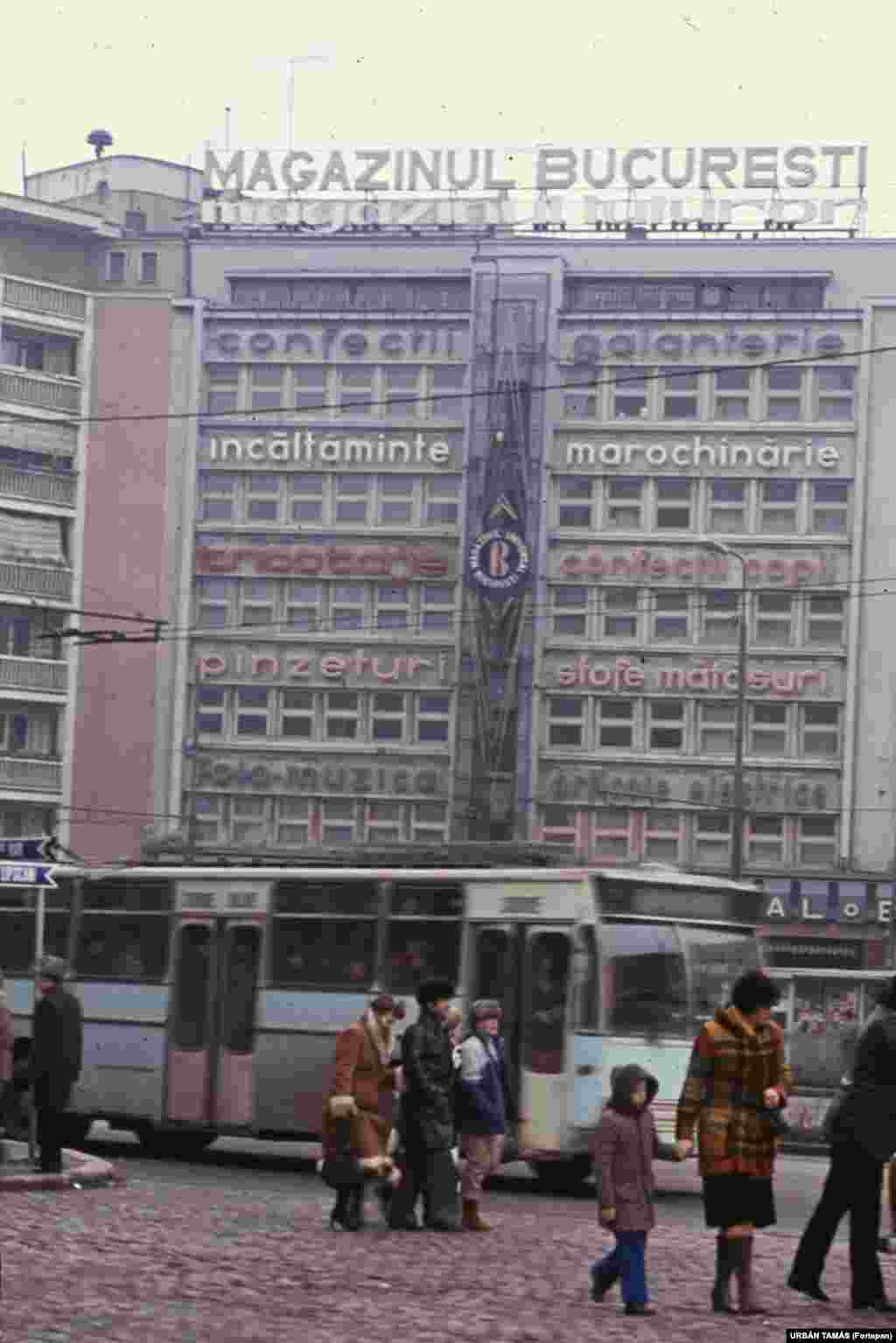
21/25A Bucharest department store in 1986. When this photo was taken, Ceausescu, backed by his fearsome network of secret police, enforced the rationing of food and heating.
Twenty-five images from an archive of mostly amateur photographs capture daily life through Romania’s turbulent journey from World War II to the collapse of communism in 1989.
Show moreShow less
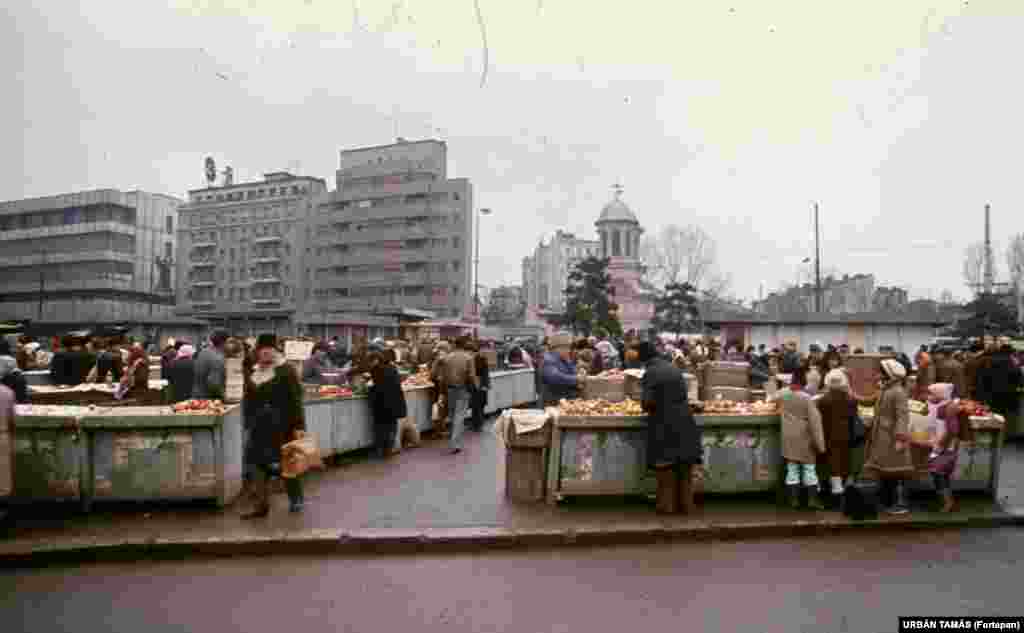
22/25A Bucharest fruit market in 1986. Outside of the capital, people were limited to buying five eggs, half a kilo of sugar, and half a kilo of cooking oil per month. Half a loaf of bread was allowed per day and only 6 kilograms of red meat was permitted a year.
Twenty-five images from an archive of mostly amateur photographs capture daily life through Romania’s turbulent journey from World War II to the collapse of communism in 1989.
Show moreShow less
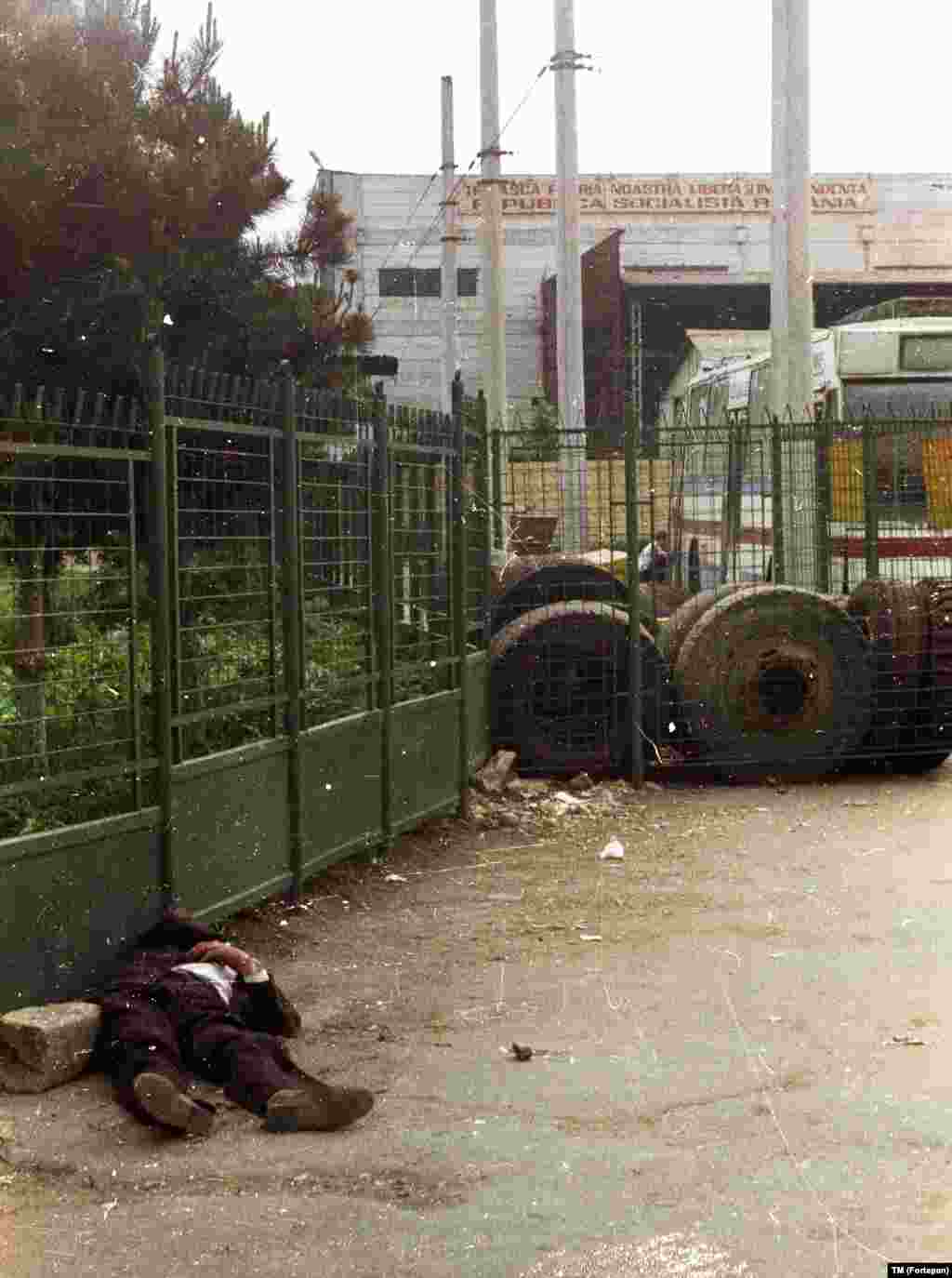
23/25A man sleeps outside a factory with a sign declaring, "Long live our free and independent motherland the socialist republic of Romania!"
Twenty-five images from an archive of mostly amateur photographs capture daily life through Romania’s turbulent journey from World War II to the collapse of communism in 1989.
Show moreShow less
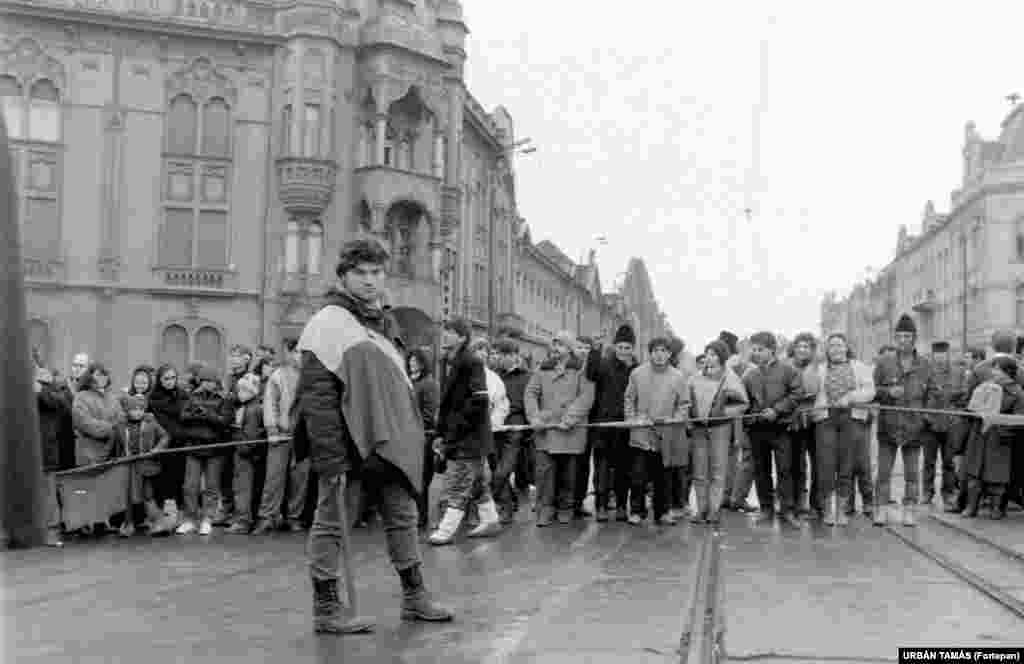
24/25Locals block a road in the western city of Timisoara on December 16, 1989, during the beginning of what would become known as the Romanian Revolution.
Twenty-five images from an archive of mostly amateur photographs capture daily life through Romania’s turbulent journey from World War II to the collapse of communism in 1989.
Show moreShow less
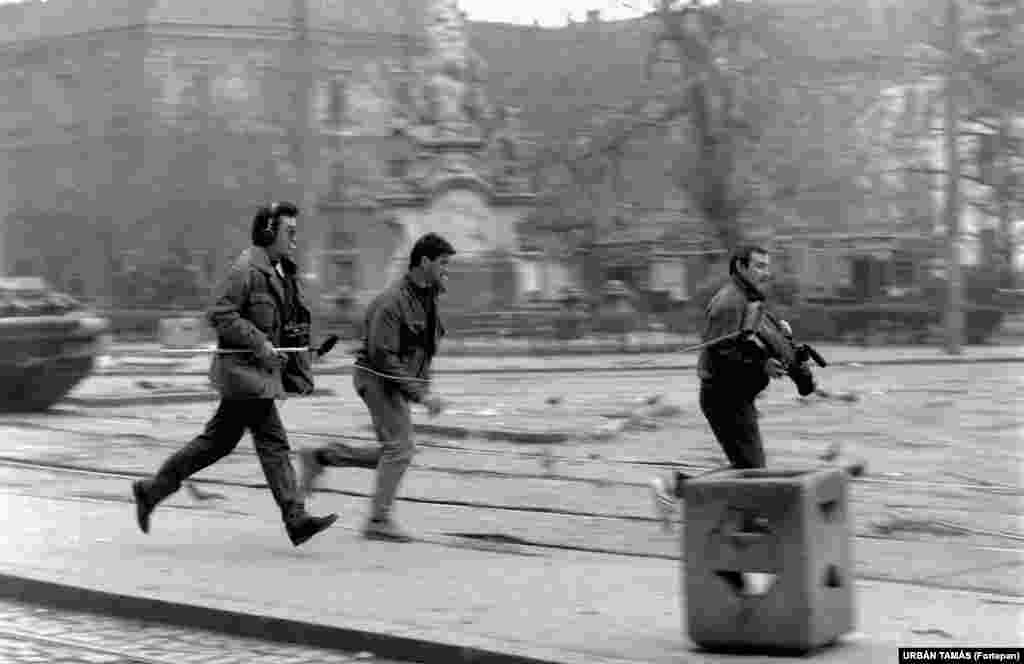
25/25A television crew runs into position in Timisoara during the revolution. After Romanian security services shot many demonstrators dead in Timisoara, a larger demonstration in Bucharest eventually led to the overthrow of the communist regime. Ceausescu and his wife, Elena, were executed on December 25, 1989.
Twenty-five images from an archive of mostly amateur photographs capture daily life through Romania’s turbulent journey from World War II to the collapse of communism in 1989.
Show moreShow less
Previous slide
Next slide
Orban said both countries could be at the forefront of “a new Central Europe,” a prosperous region that would "not be just a market for Western European economies but an area of great success and competitiveness.”
The diverse city is home to an ethnic Hungarian minority and was ground zero of the 1989 revolution, which ignited when Laszlo Tokes, an ethnic Hungarian pastor of a local church, was expelled for criticizing the Ceausescu dictatorship in his sermons.
Protests ensued against his expulsion and spread to other cities, including Bucharest, in a revolution that eventually brought down Europe’s last communist regime.
Two days after the first protests started, Ceausescu gave the order to fire on protesters, killing around 60 and wounding more than 2,000 in Timisoara on December 17, 1989.
“I couldn’t imagine that people would respond to my call…that they would come to my church to express their solidarity,” Tokes told AFP.
Ceausescu and his wife fled Bucharest a day after protesters reached the capital on December 21, 1989.
The couple was subsequently arrested, condemned, and summarily executed four days later.
After a decade-long closure, RFE/RL's Romanian Service relaunched in 2019 on digital platforms to help address declining media independence in Romania and the spread of disinformation.