


Accessibility links

Breaking News

Transdniester Residents Grapple With Conflicting Narratives About Moldova's Energy Crisis

Across Moldova's breakaway region of Transdniester, the central heating system for many apartment buildings has not yet been turned on and many street lights in Tiraspol no longer go on at night. (file photo)

As winter sets in and temperatures drop, residents of Transdniester -- Moldova's breakaway region -- are struggling to come to terms with a deepening energy crisis amid a flurry of conflicting statements from local politicians and widely watched Russian state media.

Valeria, a 27-year-old resident of the Transdniesteran capital of Tiraspol, says that while the radiators in her building are still cold, confusion about the cause of the gas shortages and how to cope with the coming winter is rampant among her neighbors and friends. Across the breakaway region, the central heating system for many apartment buildings has not yet been turned on and many street lights in Tiraspol no longer go on at night. Meanwhile, students have been encouraged to wear warm clothes to class and hot water is available only at certain times of the day.

"Everyone thinks it's just a technical error and that our authorities will soon reach an agreement [to get the flow of gas at full capacity]," Valeria, who asked that her last name be withheld, told RFE/RL's Moldovan Service.
Amid the ongoing war in Ukraine, Russia has drastically cut gas deliveries to Europe in response to Western sanctions over its invasion, triggering an energy crisis at the onset of winter. This has particularly affected Moldova, a European Union candidate country wedged between Ukraine and Romania, which relies predominantly on Russia for its gas supplies.

Russian gas deliveries to the country have been slashed and regular electricity imports have dried up, leading to blackouts and leaving many residents unable to pay their bills due to rising inflation and energy costs. The Moldovan government, based in Chisinau, has accused Moscow of energy "blackmail" and dismissed allegations levied by Russian energy giant Gazprom that Ukraine is withholding deliveries, describing the statements as "manipulation" meant to justify the supply cuts.

With temperatures now falling, RFE/RL's Moldovan Service spoke with residents in Transdniester about the unfolding energy crisis and found that while many are struggling with rising costs and shortages, most blame the authorities in Chisinau for the state of affairs, rather than Moscow. Locals like Valeria say this is because of the popularity of Russia state news in the breakaway region, which has increasingly framed the issue as manufactured by the pro-Western Moldovan government.

"Only Russian shows like those hosted by Vladimir Solovyov and Margarita Simonyan are watched," said Valeria. "I often argue [with my neighbors] about this. They say that this crisis will not last long and that soon Russia will come close [to Moldova's borders] and that things will turn around."

A New Fault Line

Moldova, a country of approximately 2.6 million, still has around 1,500 Russian troops at a former Soviet depot in Transdniester that have remained officially as part of a peacekeeping contingent since the collapse of the Soviet Union.

Due to its close ties with Moscow and the availability of what has traditionally been cheap gas, residents of the breakaway region say they have not given much thought to energy security.

But that's changed since Russia's February invasion of Ukraine, where supply issues from Gazprom are deepening tensions between Moldova. The 40 percent cut in supply from Gazprom to Moldovagaz, the country's state gas company, led in turn to a 40 percent reduction of gas delivered by the company to their Transdniesteran counterparts.

WATCH: The president of Moldova has warned that her nation could run out of gas and electricity this winter as it faces a sharp cut in natural gas supplies.

Cuts In Russian Gas And Ukrainian Electricity Leave Moldova Out In The Cold
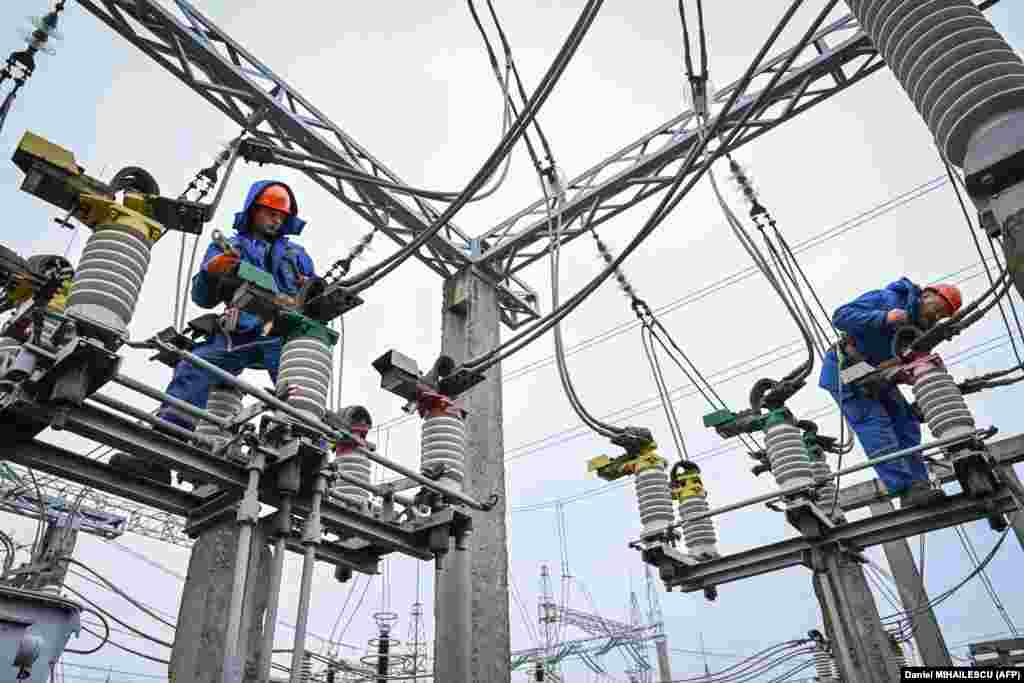
Electricians service power lines near Balti, Moldova, on November 2.<br />
<br />
The Moldovan government could sue Russian state energy company Gazprom over a sharp cut in natural gas supply and is studying its options, Reuters reported. Gazprom has accused cash-strapped Moldova of failing to promptly pay for gas deliveries.<br />
<br />
&nbsp;
1/14 Electricians service power lines near Balti, Moldova, on November 2.

The Moldovan government could sue Russian state energy company Gazprom over a sharp cut in natural gas supply and is studying its options, Reuters reported. Gazprom has accused cash-strapped Moldova of failing to promptly pay for gas deliveries.

 
The president of Moldova has warned that her nation could run out of gas and electricity this winter as it faces a sharp cut in natural gas supplies.
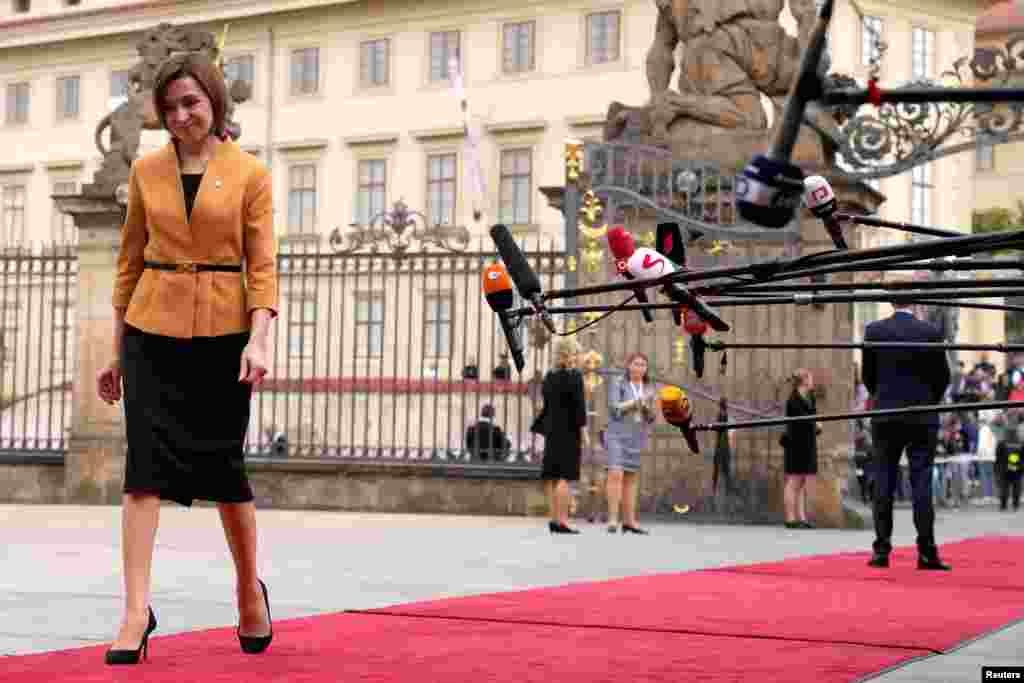
Moldovan President Maia Sandu arrives for a meeting of the European Political Community at Prague Castle on October 6.<br />
<br />
Sandu, the pro-European and Harvard-educated president of Moldova, has warned that with gas prices soaring as much as 600 percent in the past year, her country could potentially run out of gas and electricity this winter.
2/14 Moldovan President Maia Sandu arrives for a meeting of the European Political Community at Prague Castle on October 6.

Sandu, the pro-European and Harvard-educated president of Moldova, has warned that with gas prices soaring as much as 600 percent in the past year, her country could potentially run out of gas and electricity this winter.
The president of Moldova has warned that her nation could run out of gas and electricity this winter as it faces a sharp cut in natural gas supplies.
Power lines are pictured on the outskirts of Balti on November 2.<br />
<br />
Moldova, which has denounced the Kremlin&rsquo;s invasion of Ukraine, has a contract with Gazprom that fluctuates from month to month based on the spot-market price of gas and oil. With prices soaring and a 40 percent cut in deliveries, the country is struggling to supply enough electricity to its 2.5 million population.<br />
&nbsp;
3/14 Power lines are pictured on the outskirts of Balti on November 2.

Moldova, which has denounced the Kremlin’s invasion of Ukraine, has a contract with Gazprom that fluctuates from month to month based on the spot-market price of gas and oil. With prices soaring and a 40 percent cut in deliveries, the country is struggling to supply enough electricity to its 2.5 million population.
 
The president of Moldova has warned that her nation could run out of gas and electricity this winter as it faces a sharp cut in natural gas supplies.
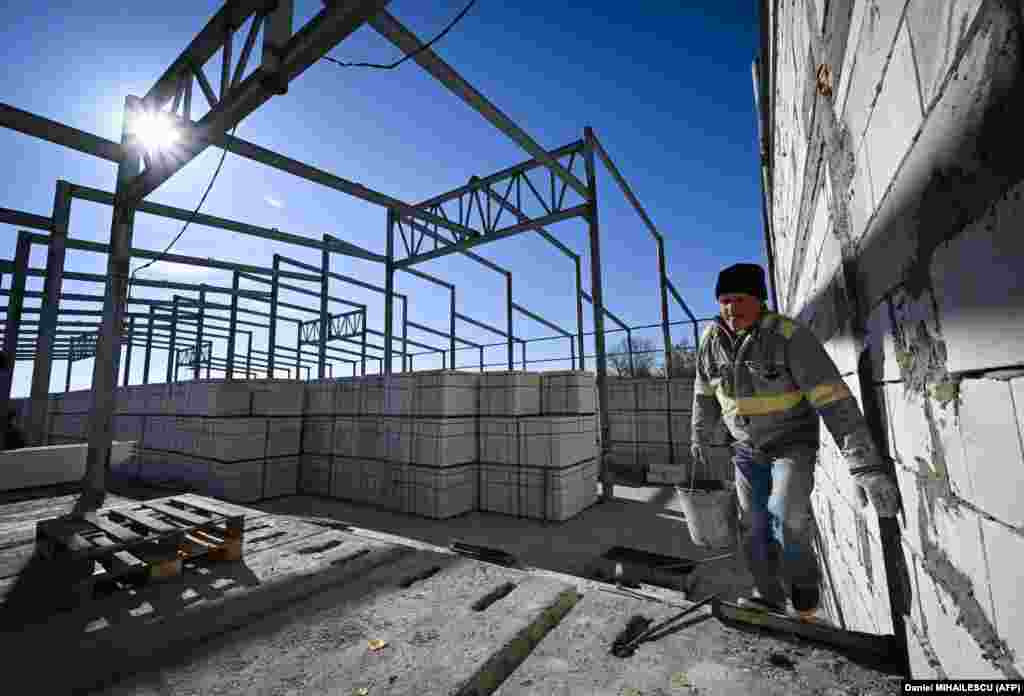
The crisis has forced this factory, which produces building materials, to shut down for the first time since 1992. Its workers are now reassigned to building a new hall in order to keep their jobs.<br />
<br />
<br />
<br />
<br />
&nbsp;
4/14 The crisis has forced this factory, which produces building materials, to shut down for the first time since 1992. Its workers are now reassigned to building a new hall in order to keep their jobs.


The president of Moldova has warned that her nation could run out of gas and electricity this winter as it faces a sharp cut in natural gas supplies.
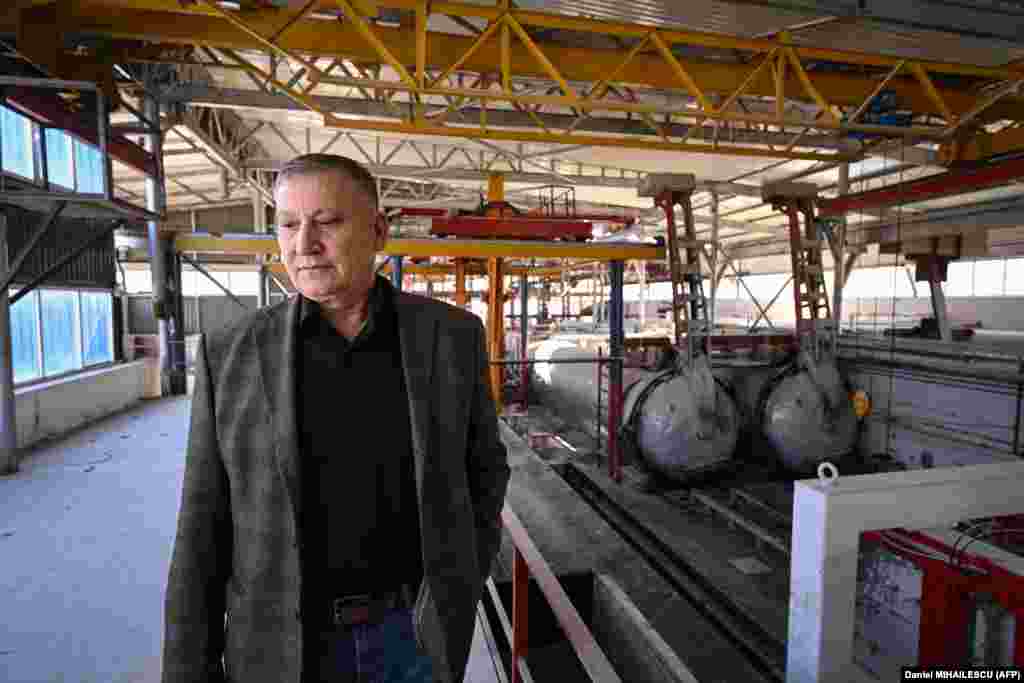
Ion Ignat, the founder and director of the company producing building materials, contemplates his future at the idled&nbsp;factory that previously employed 50 workers.<br />
<br />
<br />
<br />
<br />
&nbsp;
5/14 Ion Ignat, the founder and director of the company producing building materials, contemplates his future at the idled factory that previously employed 50 workers.


The president of Moldova has warned that her nation could run out of gas and electricity this winter as it faces a sharp cut in natural gas supplies.
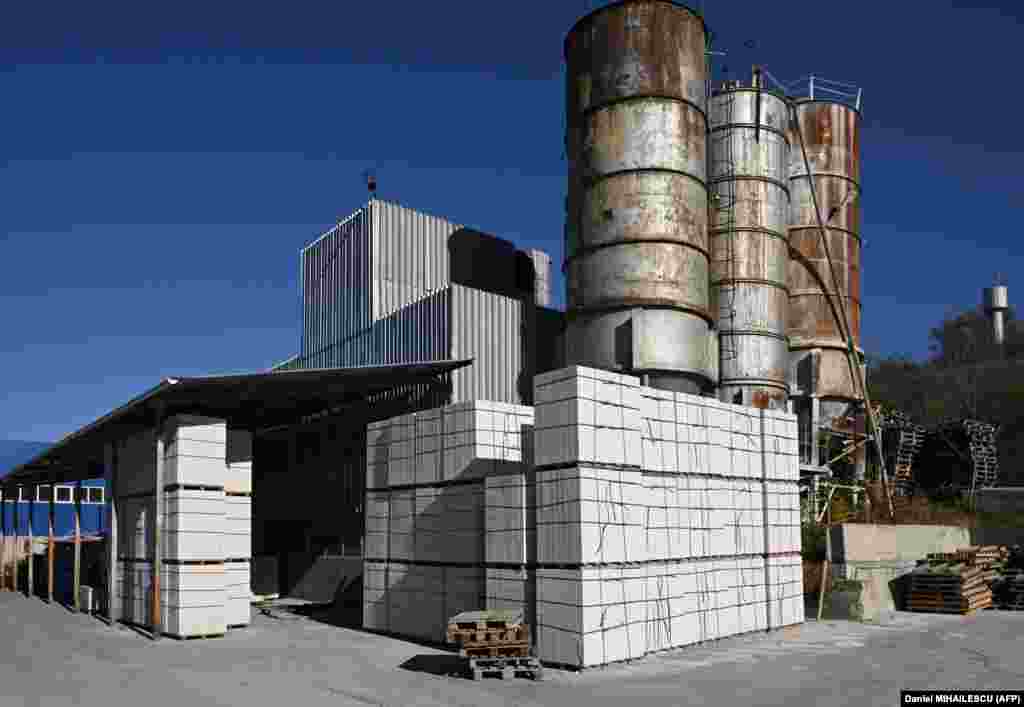
Concrete blocks are pictured in the courtyard of Ignat&#39;s factory&nbsp;in Chetrosu.<br />
<br />
Ignat said the &quot;next six months will be decisive&quot; for his country.&nbsp;&quot;We have one foot in Russia and one in the EU. But if we&#39;re going to be brave and dignified we&#39;ll have both feet in Europe and we&#39;ll get rid of the blackmail of the past 30 years.&quot;<br />
<br />
<br />
<br />
<br />
<br />
&nbsp;
6/14 Concrete blocks are pictured in the courtyard of Ignat's factory in Chetrosu.

Ignat said the "next six months will be decisive" for his country. "We have one foot in Russia and one in the EU. But if we're going to be brave and dignified we'll have both feet in Europe and we'll get rid of the blackmail of the past 30 years."


The president of Moldova has warned that her nation could run out of gas and electricity this winter as it faces a sharp cut in natural gas supplies.
A woman eats her dinner by candlelight in Chisinau on October 25.<br />
<br />
&quot;It&#39;s a daily challenge to supply the country with energy. A family is paying 70 to 75 percent of its incomes on [gas and electricity] bills,&quot; Sandu said in a recent address to parliament in neighboring Romania.<br />
<br />
&nbsp;
7/14 A woman eats her dinner by candlelight in Chisinau on October 25.

"It's a daily challenge to supply the country with energy. A family is paying 70 to 75 percent of its incomes on [gas and electricity] bills," Sandu said in a recent address to parliament in neighboring Romania.

 
The president of Moldova has warned that her nation could run out of gas and electricity this winter as it faces a sharp cut in natural gas supplies.
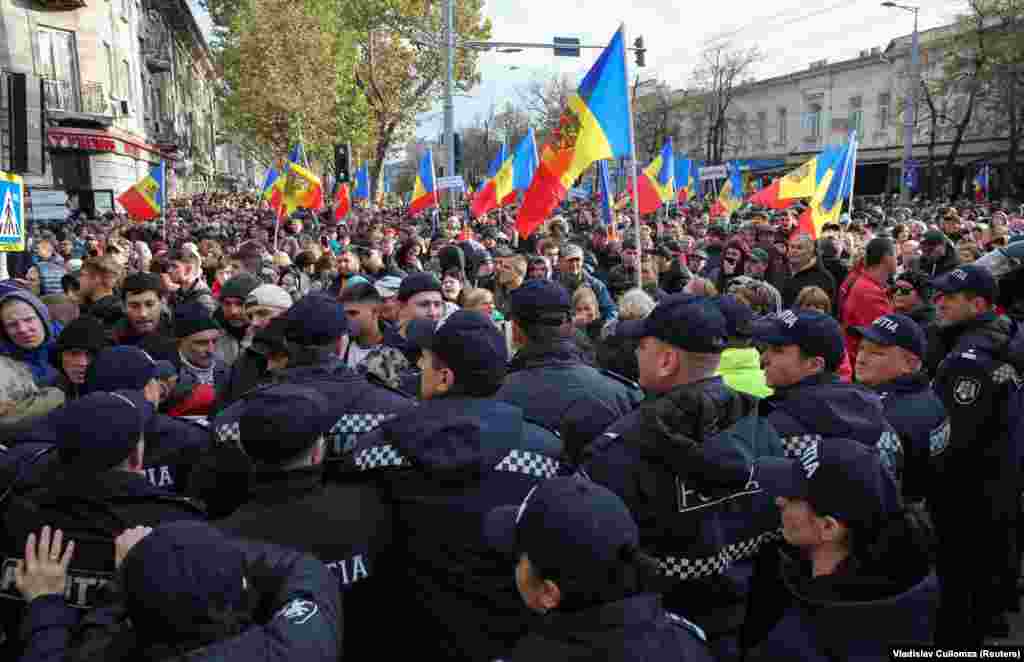
High inflation, particularly for energy, has triggered weekly street protests in the nation&#39;s capital of&nbsp;Chisinau.<br />
&nbsp;
8/14 High inflation, particularly for energy, has triggered weekly street protests in the nation's capital of Chisinau.
 
The president of Moldova has warned that her nation could run out of gas and electricity this winter as it faces a sharp cut in natural gas supplies.
A tractor works the land near Tibirica on November 2.<br />
<br />
EU member Romania said last month it would start selling electricity to its neighbor at a reduced price because of the difficulties created by the war in Ukraine. The Moldovan government has also urged towns to turn off street lights and households to limit consumption, with businesses asked to alter their hours to work at off-peak times.<br />
&nbsp;
9/14 A tractor works the land near Tibirica on November 2.

EU member Romania said last month it would start selling electricity to its neighbor at a reduced price because of the difficulties created by the war in Ukraine. The Moldovan government has also urged towns to turn off street lights and households to limit consumption, with businesses asked to alter their hours to work at off-peak times.
 
The president of Moldova has warned that her nation could run out of gas and electricity this winter as it faces a sharp cut in natural gas supplies.
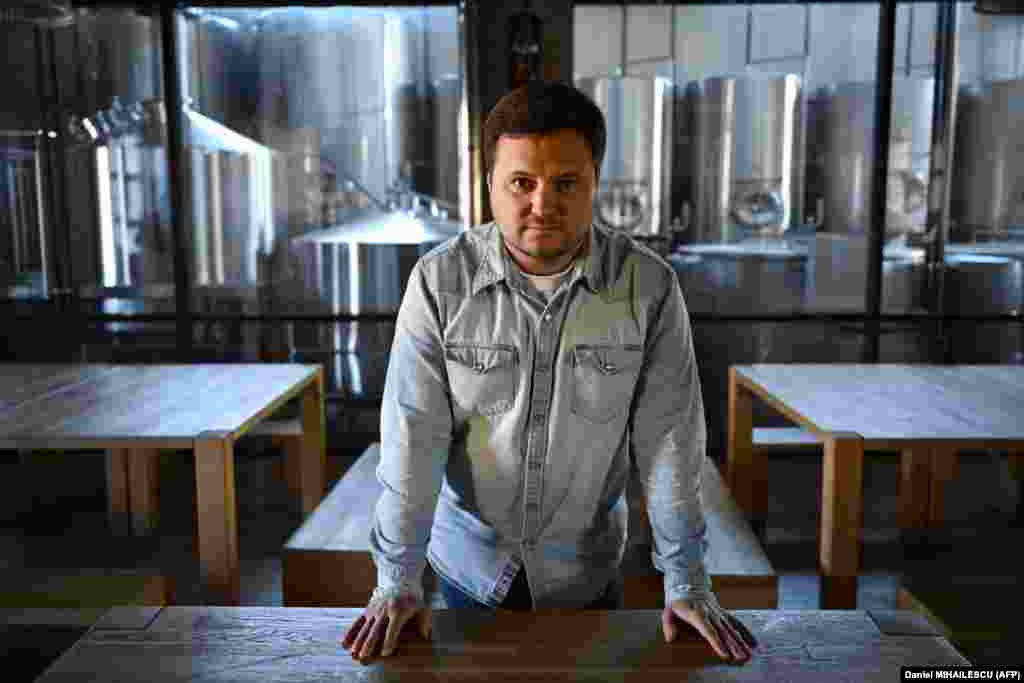
Sergei Litra, the owner of Litra Brewing Company, Moldova&#39;s first craft beer factory, is trying hard to save energy. His employees now work in two shifts outside peak hours, one running from 11 p.m. to 5 a.m.<br />
<br />
&quot;Everything depends on when the war in Ukraine will end. This war made everybody understand that we need energy independence,&quot; the 36-year-old told AFP, adding that he was considering buying solar panels.&nbsp;<br />
<br />
&nbsp;
10/14 Sergei Litra, the owner of Litra Brewing Company, Moldova's first craft beer factory, is trying hard to save energy. His employees now work in two shifts outside peak hours, one running from 11 p.m. to 5 a.m.

"Everything depends on when the war in Ukraine will end. This war made everybody understand that we need energy independence," the 36-year-old told AFP, adding that he was considering buying solar panels. 

 
The president of Moldova has warned that her nation could run out of gas and electricity this winter as it faces a sharp cut in natural gas supplies.
Previously, Ukraine provided 30 percent of Moldova&#39;s electricity needs. However, Russian attacks on the country&#39;s energy infrastructure have forced Kyiv to halt all exports. The remaining 70 percent of the country&#39;s power normally comes from a thermal power station in Moldova&#39;s breakaway Transdniester region, where Russian troops are stationed and which also cut deliveries.<br />
<br />
&nbsp;
11/14 Previously, Ukraine provided 30 percent of Moldova's electricity needs. However, Russian attacks on the country's energy infrastructure have forced Kyiv to halt all exports. The remaining 70 percent of the country's power normally comes from a thermal power station in Moldova's breakaway Transdniester region, where Russian troops are stationed and which also cut deliveries.

 
The president of Moldova has warned that her nation could run out of gas and electricity this winter as it faces a sharp cut in natural gas supplies.
Sandu -- a former World Bank economist elected in 2020 -- said Moldova&#39;s dependence on Russian gas is a &quot;vulnerability [that] generates political blackmail.&quot;<br />
<br />
<br />
<br />
&nbsp;
12/14 Sandu -- a former World Bank economist elected in 2020 -- said Moldova's dependence on Russian gas is a "vulnerability [that] generates political blackmail."


The president of Moldova has warned that her nation could run out of gas and electricity this winter as it faces a sharp cut in natural gas supplies.
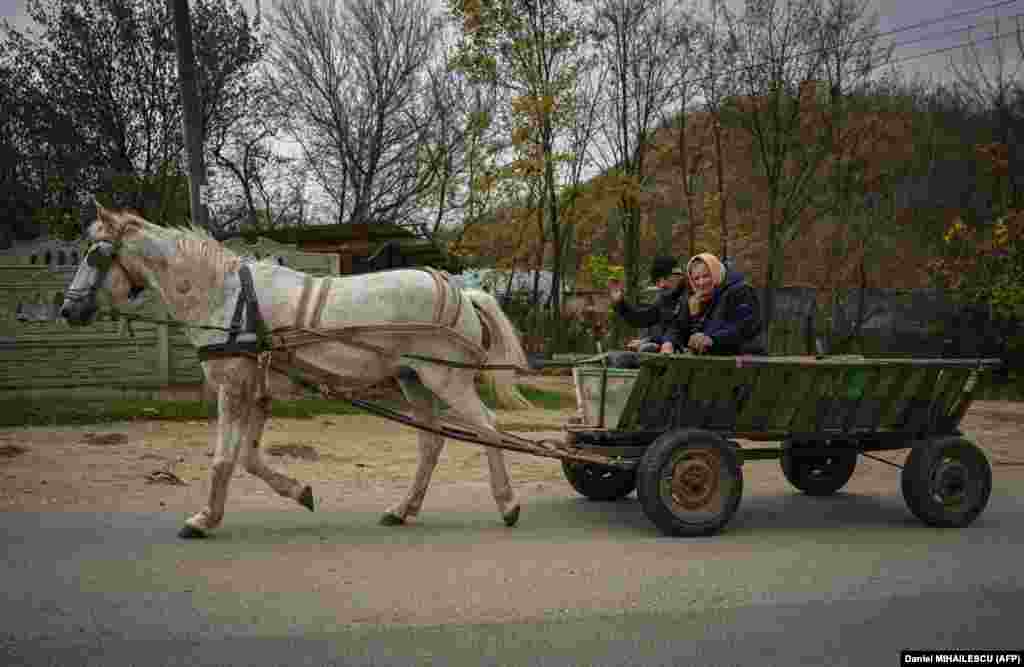
Villagers use a horse and cart in Tibirica on November 2.<br />
<br />
On October 26, the U.S. Treasury imposed sanctions on a former Moldovan official and several other figures to counter Russia&#39;s &quot;persistent malign influence campaigns and systemic corruption in Moldova.&quot;<br />
<br />
&nbsp;
13/14 Villagers use a horse and cart in Tibirica on November 2.

On October 26, the U.S. Treasury imposed sanctions on a former Moldovan official and several other figures to counter Russia's "persistent malign influence campaigns and systemic corruption in Moldova."

 
The president of Moldova has warned that her nation could run out of gas and electricity this winter as it faces a sharp cut in natural gas supplies.
&quot;I felt deep sadness seeing Chisinau plunged into darkness,&quot; said pharmacist Liliana Damaschin, 54, who had returned to Moldova from her job in Italy for a holiday. &quot;I am very worried about my country.&quot;<br />
&nbsp;
14/14 "I felt deep sadness seeing Chisinau plunged into darkness," said pharmacist Liliana Damaschin, 54, who had returned to Moldova from her job in Italy for a holiday. "I am very worried about my country."
 
The president of Moldova has warned that her nation could run out of gas and electricity this winter as it faces a sharp cut in natural gas supplies.
Previous slide
Next slide

In response, officials from the breakaway republic have blamed the energy crisis on Chisinau, a narrative that has found fertile ground on Russian state propaganda networks.

"On TV, the propaganda says it's [Chisinau] that is keeping [this missing amount] for itself and is now storing them somewhere in its reserves," said Serghei, a 23-year-old from a village outside of Tiraspol.

He says he's frustrated watching how the narratives broadcast by local authorities and Russian media are being parroted by his neighbors but is also critical of both Chisinau and Tiraspol for not being able to reach a compromise and instead inflaming tensions.

Anatoli, a 35-year-old who lives in Tiraspol with his wife and daughter, says he is not a regular viewer of news programs and remains confused by the conflicting accounts for the energy crisis that he's seen on Russian and local television channels.

"At first, they said the Russians had turned off the tap and we would have less gas," he said. "Then, as far as I understand, [Tiraspol] said the Moldovans took the gas intended for us and now they are selling it."

Both Serghei and Anatoli say they are worried about the coming winter and the lack of preparedness from neighbors and local authorities.

Anatoli remains concerned about a rise in road accidents due to a lack of street lighting and cold classroom temperatures for his daughter. Serghei, meanwhile, is looking to stockpile alternative energy sources like firewood for the winter and hopes he can raise more awareness among his friends and neighbors in his Tiraspol suburb.

"The heating in the apartments has not been turned on yet, [but] if people understand that the winter will be hard, they can prepare somehow," he said. "[Although] everyone here seems to believe that it's a temporary problem and that the authorities will find a solution."

An Energy Crisis Deepens

Talks between Gazprom and Chisinau have gained little traction, and some Western leaders see Moscow as seeking to destabilize Moldova amid the current energy crisis.

Pro-Western Moldovan President Maia Sandu warned earlier this month that her country's energy woes risked stoking popular discontent, and in recent weeks thousands of protesters have taken to the streets of Chisinau to rail about the government's policies and spiking inflation.
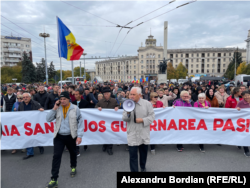
Supporters of the party of fugitive banker Ilan Shor, who allegedly has close ties to Russia, protest on the streets of Chisinau on October 30.

The protests are organized in part by the party of fugitive banker Ilan Shor, who was convicted in absentia in connection with what's been dubbed the "theft of the century" for taking more than $1 billion from three Moldovan banks in 2014. Shor is also alleged to have close links to Russia, including its Federal Security Service (FSB).

Earlier this month, the Telegram social media accounts of Sandu and other top Moldovan officials were hacked, resulting in the posting of what appeared to befake messages about alleged wrongdoing by Sergiu Litvinenko, the country's justice minister. Litvinenko has since denied the accusations in the Telegram posts.

Amid the energy crisis, leaders from Transdniester also look to be leaning into their Kremlin ties and taking aim at Chisinau by accusing it of unsubstantiated provocations.

During a recent trip to Moscow, Aleksandr Korshunov -- head of the breakaway region's parliament -- met with Russian lawmaker Sergei Mironov, where he accused Moldova without evidence of potential armed action against Transdniester. The comments were later broadcast by state television.

"We suspect [Chisinau] of preparing an escalation. Large quantities of weapons were concentrated at the Moldovan-Romanian border," Korshunov said. "From a military point of view, the situation remains difficult."

Written by Reid Standish in Prague based on reporting by RFE/RL's Moldovan Service

  • 16x9 Image

    RFE/RL's Moldovan Service

    RFE/RL’s Moldova Service reaches 30 percent of the population in Moldova each week, increasing listeners’ understanding of local, regional, and global events.

This item is part of
XS
SM
MD
LG