




We know you're busy and probably don't have the time to read all of our coverage each and every day. That's why we've put together The Week's Best. Here are some of the highlights produced in English by RFE/RL's vast team of correspondents, multimedia editors, and visual journalists over the past seven days.
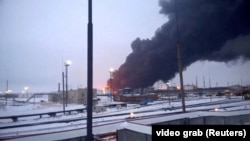
Russia Has Taken Steps To Protect Its Oil Refineries. Ukraine Is Still Hitting Them.
Russia said it would protect oil refineries better after several were struck by Ukrainian drones. Ukraine continues to hit the facilities, despite U.S. warnings against such attacks, as it launches larger and larger drone swarms. The strikes have decreased refinery output but beyond a morale boost for Ukraine, the effects are moderate so far. By Todd Prince


Film Director Flees Iran On Foot, Receives Standing Ovation At Cannes
The Iranian film director Mohammad Rasoulof has received a special jury award and a 12-minute standing ovation after his new film was screened at the Cannes Film Festival. Rasoulof spoke to RFE/RL at the festival about how he escaped Iran on foot through a secret mountainous route just weeks earlier to avoid an eight-year prison sentence. By RFE/RL's Radio Farda, Babak Ghafooriazar, and AP
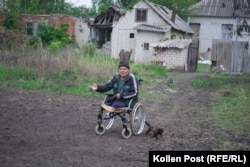
Life, Death, And A Dilemma On Ukraine’s New Front Line: Stay Or Go
With Russian shells pounding the border towns of the Kharkiv region, Moscow’s new offensive in northeastern Ukraine is killing civilians, razing homes, and uprooting families. As villages empty out, some people are staying put. By Kollen Post
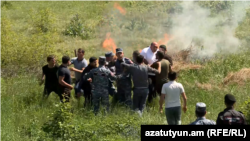
As Land In Northern Armenia Ceded To Azerbaijan, Protests Spread In Yerevan
Boundary delimitations in northern Armenia have sparked mass protests in Yerevan as anti-government crowds call for the resignation of Prime Minister Nikol Pashinian over concessions to Azerbaijan. By RFE/RL's Armenian Service

The Desperate Ways To Flee Ukraine And Avoid Mobilization
Amid a new mobilization law in Ukraine, men aged 18-60 are seeking increasingly inventive methods to flee the country and escape the war -- border guards even caught one man who tried to dress as a woman and use his sister's passport, while at least 30 bodies have been recovered as men attempted to swim across a river into Romania. Ukraine is seeking to replenish its army as it struggles to hold back invading Russian forces after more than two years of fighting. By Myroslava Tereshko, Current Time, and Ray Furlong
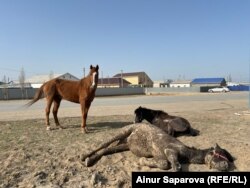
In Kazakhstan, 'The Floods Are Over But The Problems Have Just Begun'
Protests for better compensation, concerns about the spread of disease from livestock burials, and fears for the future of crop-growing: the giant floods that struck Kazakhstan this spring look to be a national headache for some time. By Chris Rickleton, Petr Trotsenko, and Ainur Saparova

After 'Foreign Agent' Law Defeat, Georgian Protesters Set Sights On Elections
Now that Georgia's controversial "foreign agent" law has been passed, government opponents are trying to channel public anger about the law to fight parliamentary elections in October. But they face an uphill battle. By Joshua Kucera

Pro-Kremlin Forces On Rise In Bulgaria Ahead Of European Elections
Pro-Kremlin candidates are confident ahead of Bulgaria's elections to the European Parliament on June 9 amid expectations across the continent of gains by far-right parties. By Pavel Kostova and Tony Wesolowsky
Terminal Conflict: Donetsk Airport's 10 Years On The Front Lines
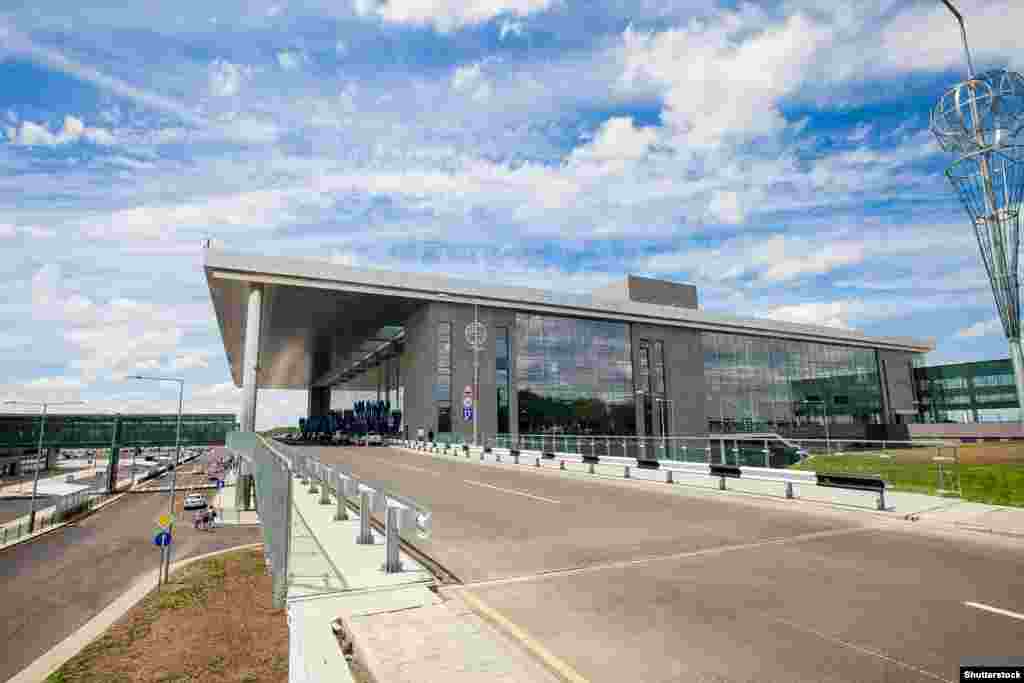
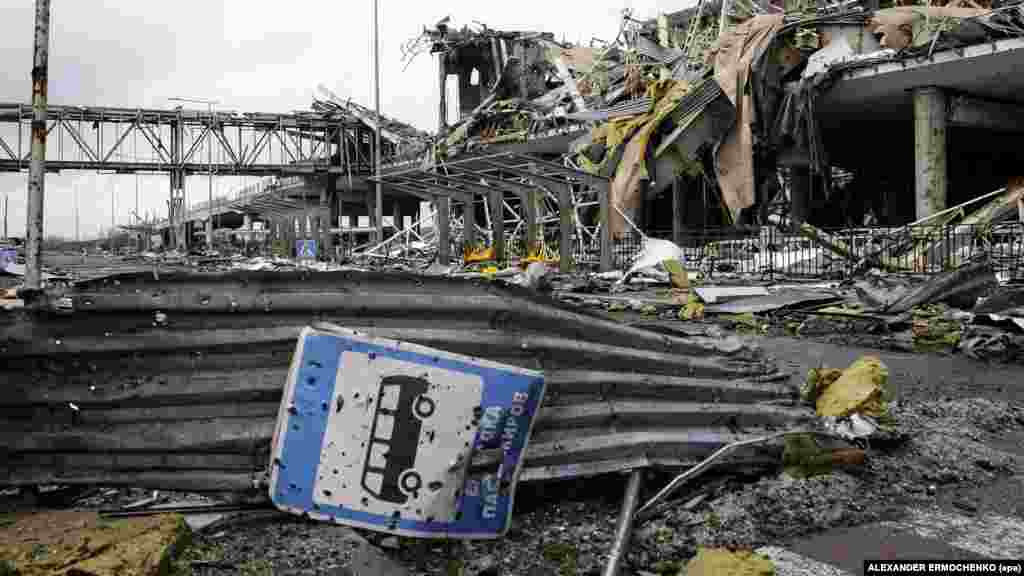


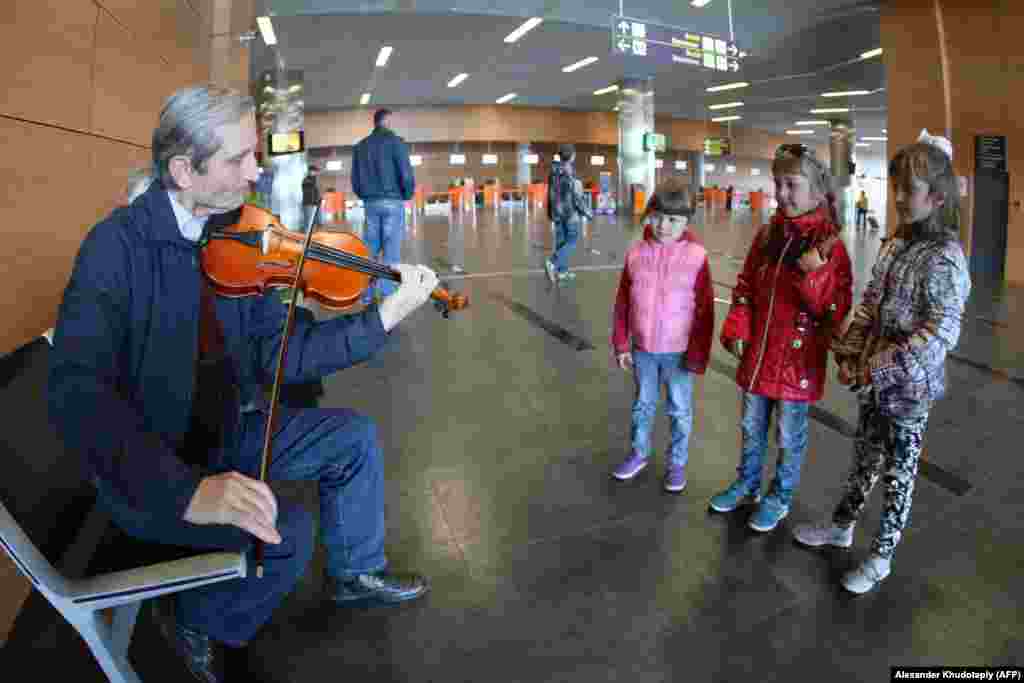
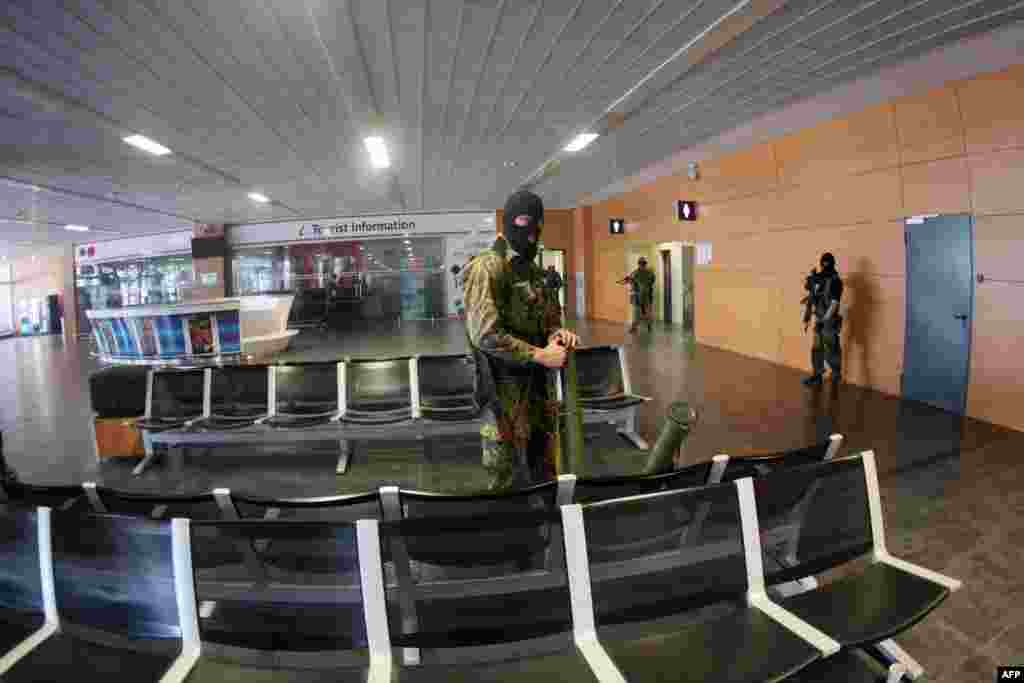
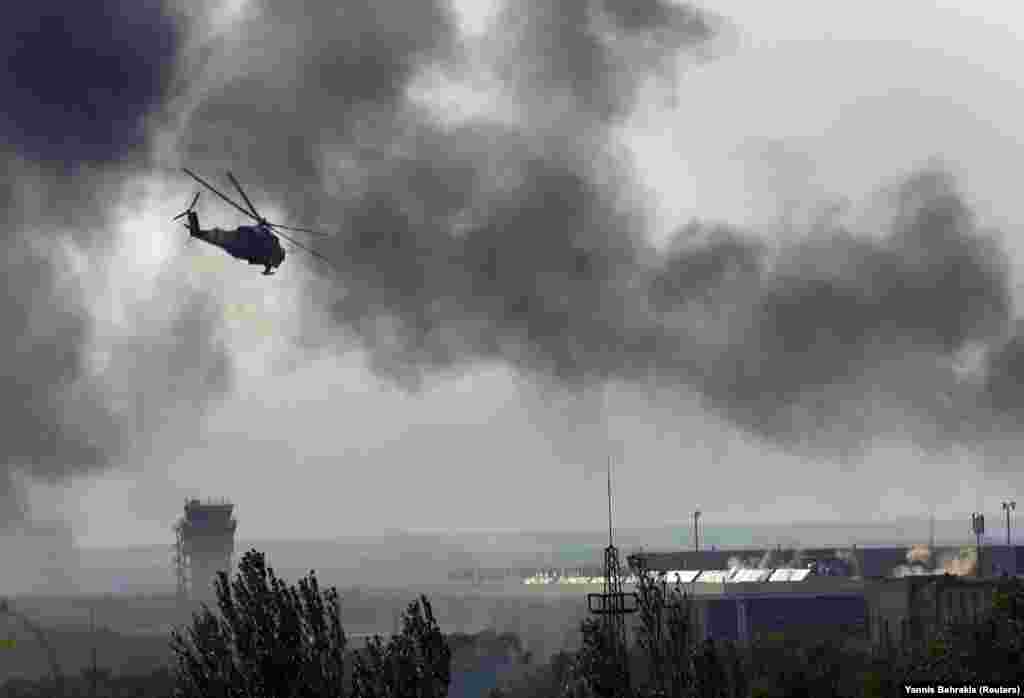

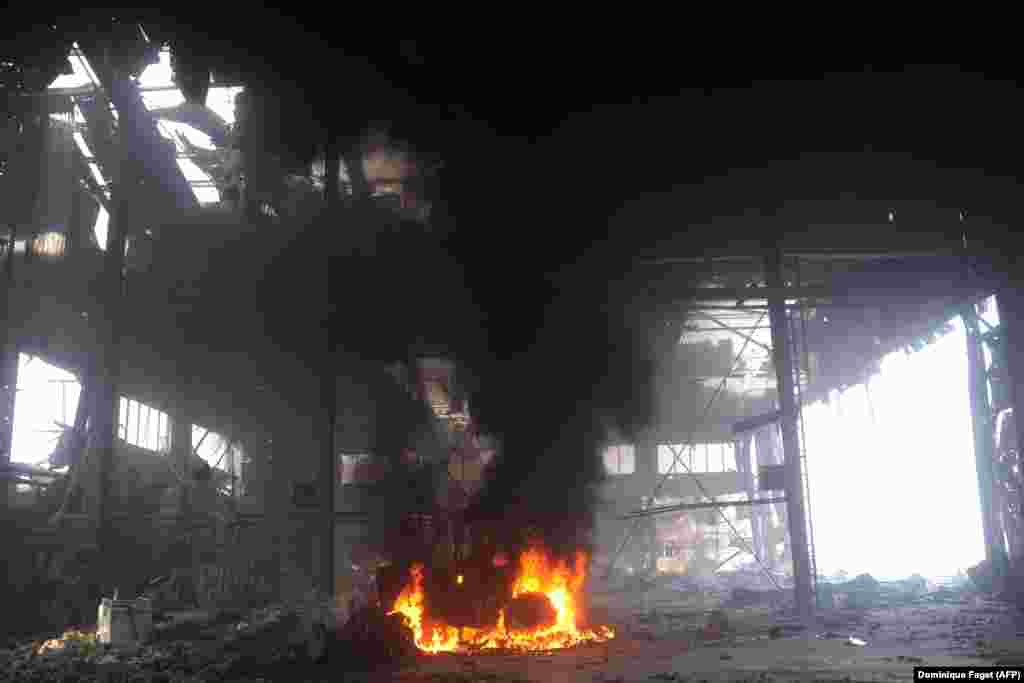
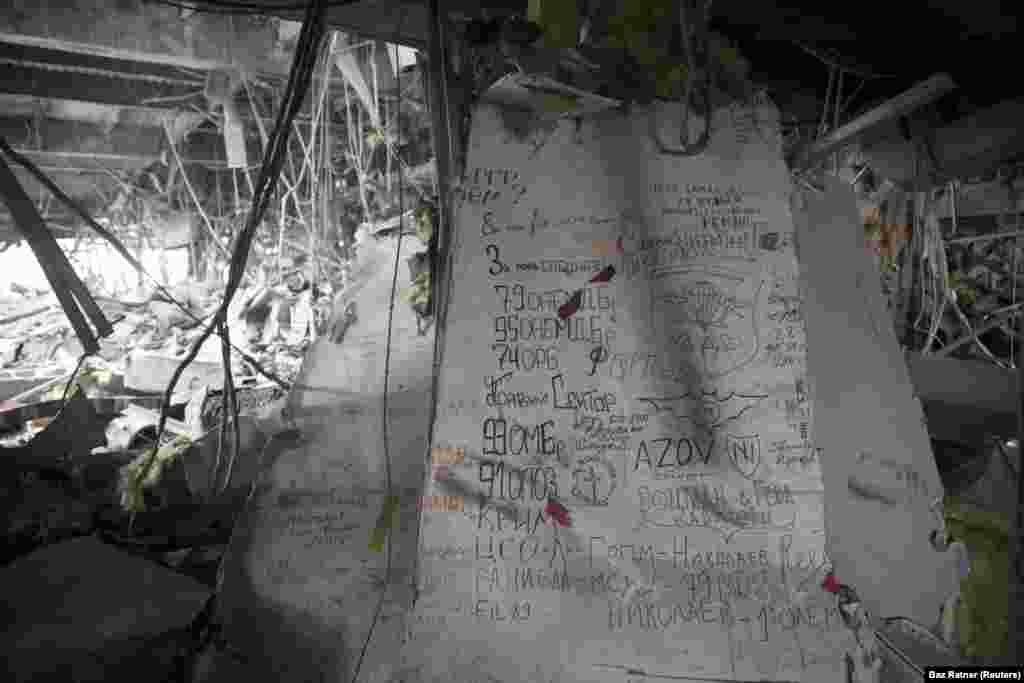


Photo Gallery: Terminal Conflict: Donetsk Airport's 10 Years On The Front Lines
Up until May 2014, Donetsk had one of the finest airports in Ukraine. But when fighting broke out there a decade ago, the site was reduced to rubble that remains a no-man's land to this day. By RFE/RL

Distrustful Of The Taliban, A Growing Number Of Afghans Ditch Banks
A growing number of Afghans are taking what little money they have in the bank and closing their accounts. Experts say trust in the formal banking system has collapsed. By RFE/RL’s Radio Azadi and Abubakar Siddique

