





Accessibility links

Breaking News

ITAR-TASS Looks Ahead By Traveling Back To Soviet-Era Name

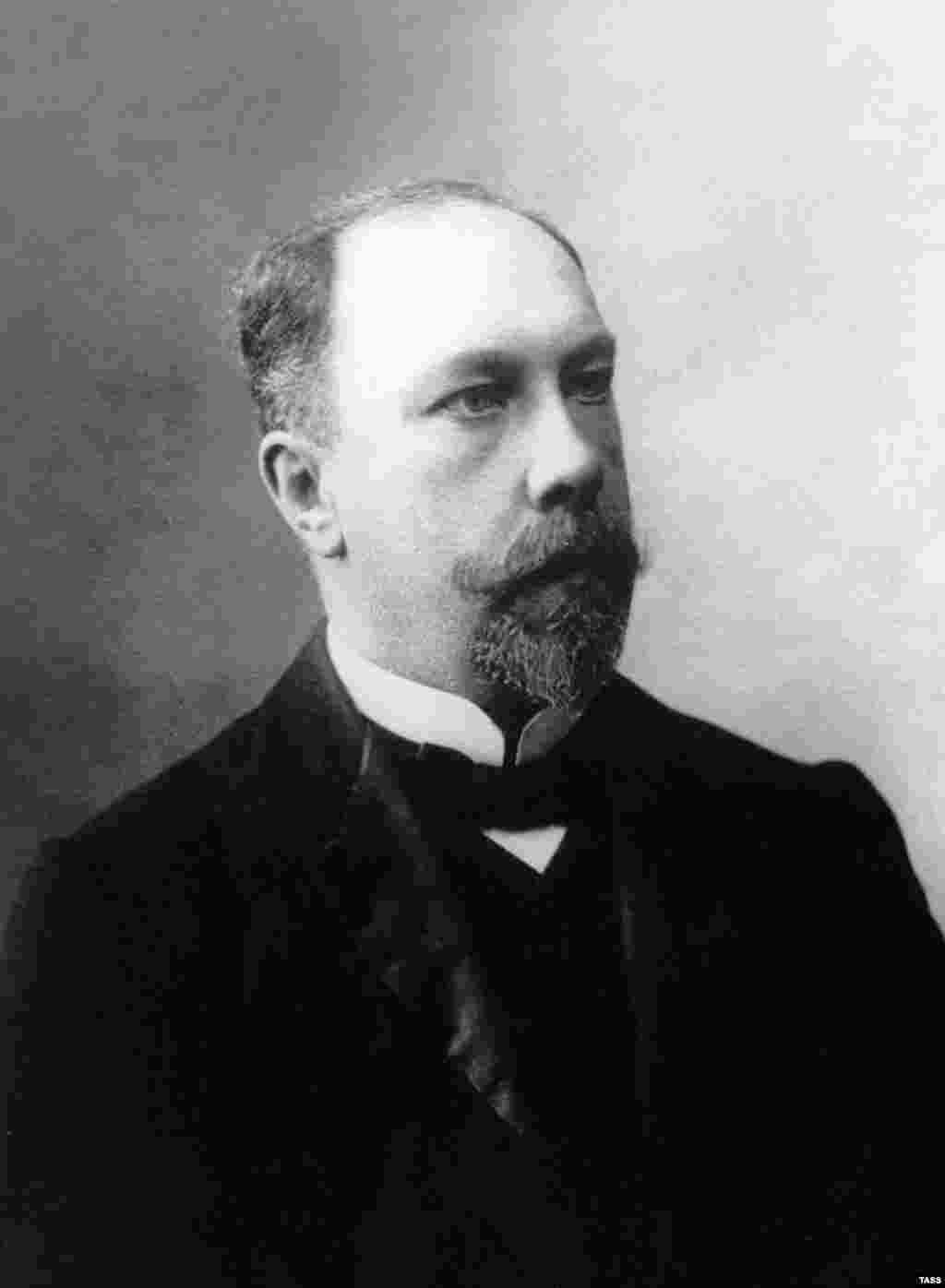
TASS grew out of the St. Petersburg Telegraphic Agency, which was founded in 1904 and was the main news service of imperial Russia. The agency's first director was Pavel Miller (pictured here), a senior official in Russia's Finance Ministry.
1/12 TASS grew out of the St. Petersburg Telegraphic Agency, which was founded in 1904 and was the main news service of imperial Russia. The agency's first director was Pavel Miller (pictured here), a senior official in Russia's Finance Ministry.
Russia's state news agency ITAR-TASS has just rebranded itself and will be known by its old, Soviet-era name TASS. Founded in 1925, the Telegraph Agency Of The Soviet Union was responsible for all news content for radio, television, and print media. It became ITAR-TASS in 1992 after the breakup of the Soviet Union.
TASS journalists in a Moscow newsroom in 1933.
2/12 TASS journalists in a Moscow newsroom in 1933.
Russia's state news agency ITAR-TASS has just rebranded itself and will be known by its old, Soviet-era name TASS. Founded in 1925, the Telegraph Agency Of The Soviet Union was responsible for all news content for radio, television, and print media. It became ITAR-TASS in 1992 after the breakup of the Soviet Union.
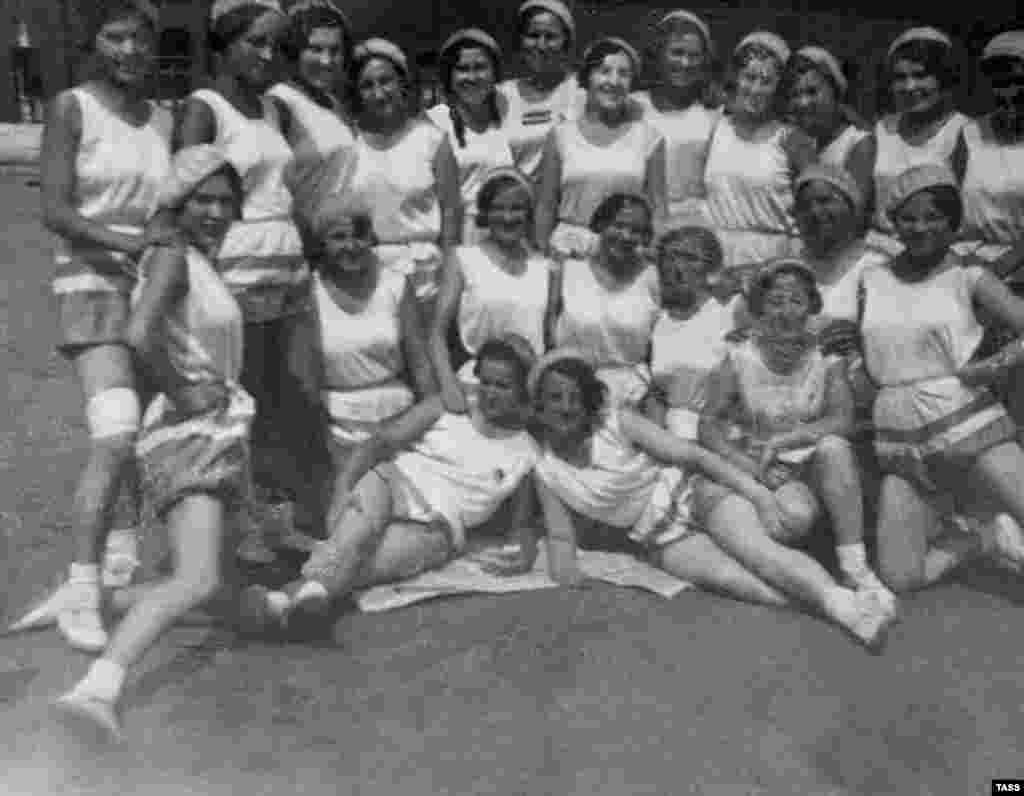
TASS workers and members of the Komsomol, the communist youth league, during preparations for a parade of athletes in Moscow in 1934.
3/12 TASS workers and members of the Komsomol, the communist youth league, during preparations for a parade of athletes in Moscow in 1934.
Russia's state news agency ITAR-TASS has just rebranded itself and will be known by its old, Soviet-era name TASS. Founded in 1925, the Telegraph Agency Of The Soviet Union was responsible for all news content for radio, television, and print media. It became ITAR-TASS in 1992 after the breakup of the Soviet Union.
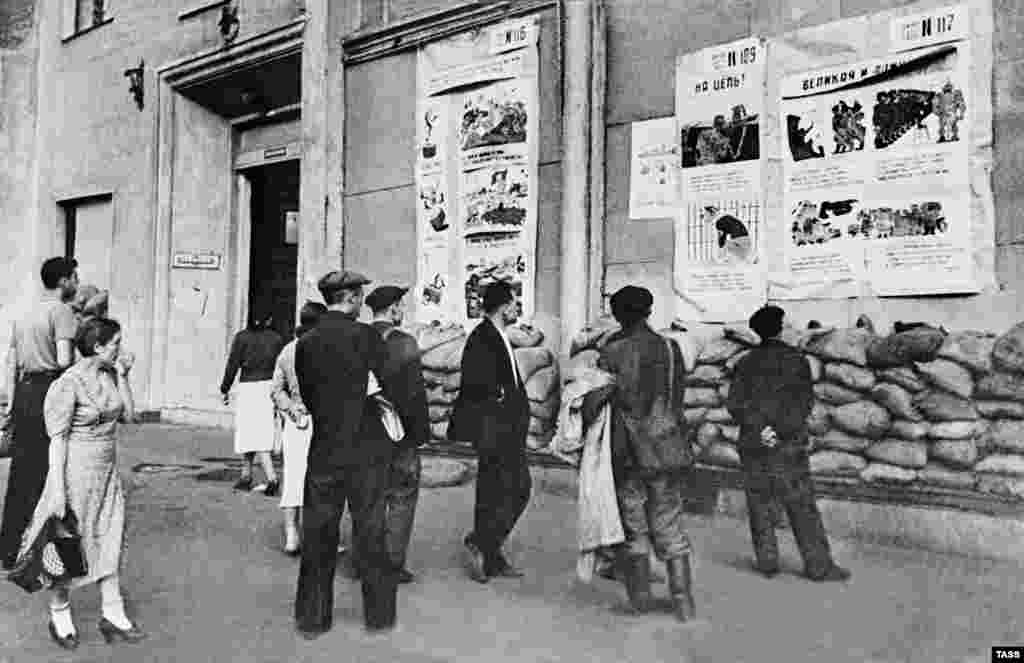
During World War II, TASS regularly posted news on walls for people to read.
4/12 During World War II, TASS regularly posted news on walls for people to read.
Russia's state news agency ITAR-TASS has just rebranded itself and will be known by its old, Soviet-era name TASS. Founded in 1925, the Telegraph Agency Of The Soviet Union was responsible for all news content for radio, television, and print media. It became ITAR-TASS in 1992 after the breakup of the Soviet Union.
A TASS editorial team in 1958
5/12 A TASS editorial team in 1958
Russia's state news agency ITAR-TASS has just rebranded itself and will be known by its old, Soviet-era name TASS. Founded in 1925, the Telegraph Agency Of The Soviet Union was responsible for all news content for radio, television, and print media. It became ITAR-TASS in 1992 after the breakup of the Soviet Union.
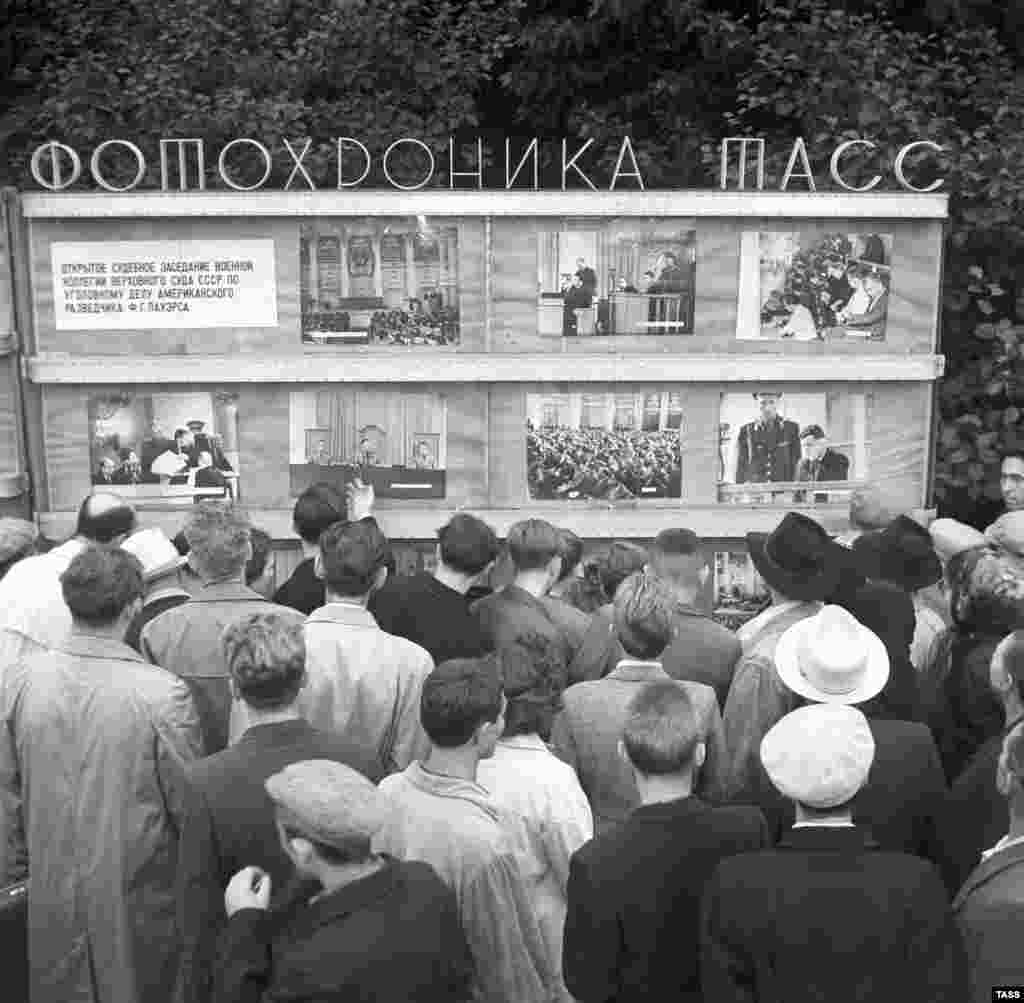
In 1960, Muscovites read information about the trial of Francis Gary Powers, an American pilot who was shot down in his spy plane over the Soviet Union.
6/12 In 1960, Muscovites read information about the trial of Francis Gary Powers, an American pilot who was shot down in his spy plane over the Soviet Union.
Russia's state news agency ITAR-TASS has just rebranded itself and will be known by its old, Soviet-era name TASS. Founded in 1925, the Telegraph Agency Of The Soviet Union was responsible for all news content for radio, television, and print media. It became ITAR-TASS in 1992 after the breakup of the Soviet Union.
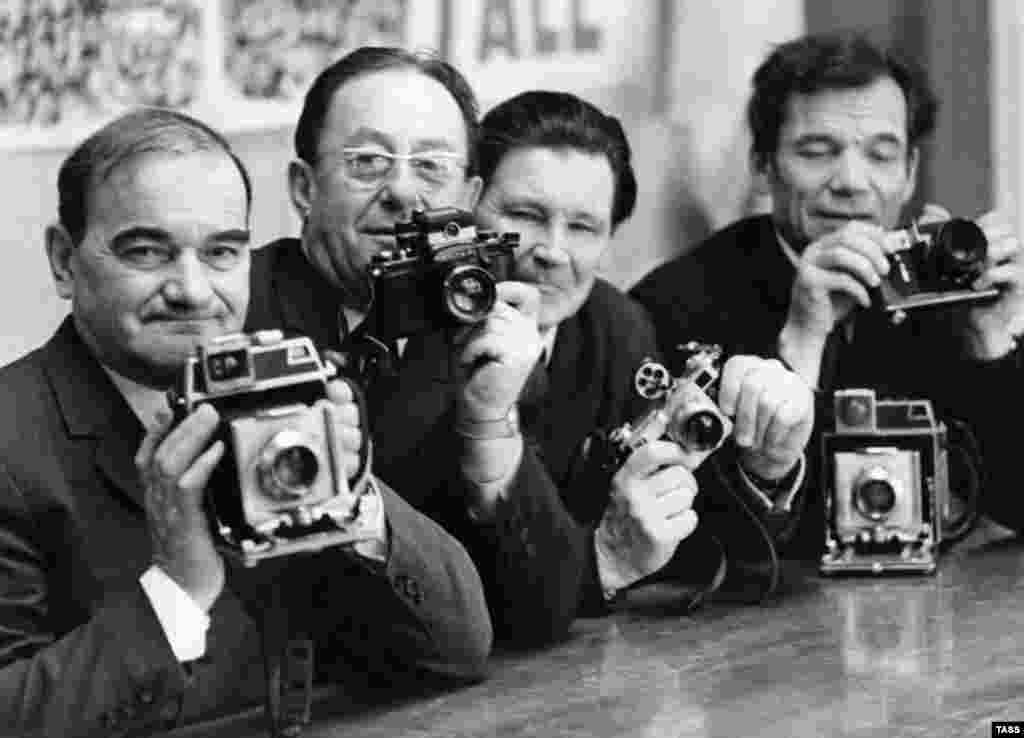
TASS photojournalists in 1962
7/12 TASS photojournalists in 1962
Russia's state news agency ITAR-TASS has just rebranded itself and will be known by its old, Soviet-era name TASS. Founded in 1925, the Telegraph Agency Of The Soviet Union was responsible for all news content for radio, television, and print media. It became ITAR-TASS in 1992 after the breakup of the Soviet Union.
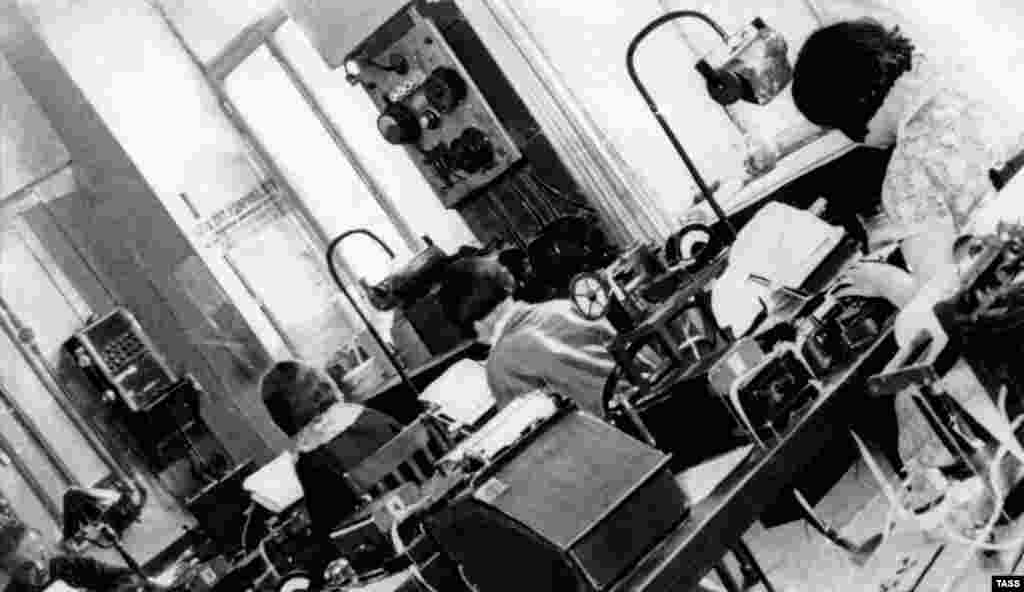
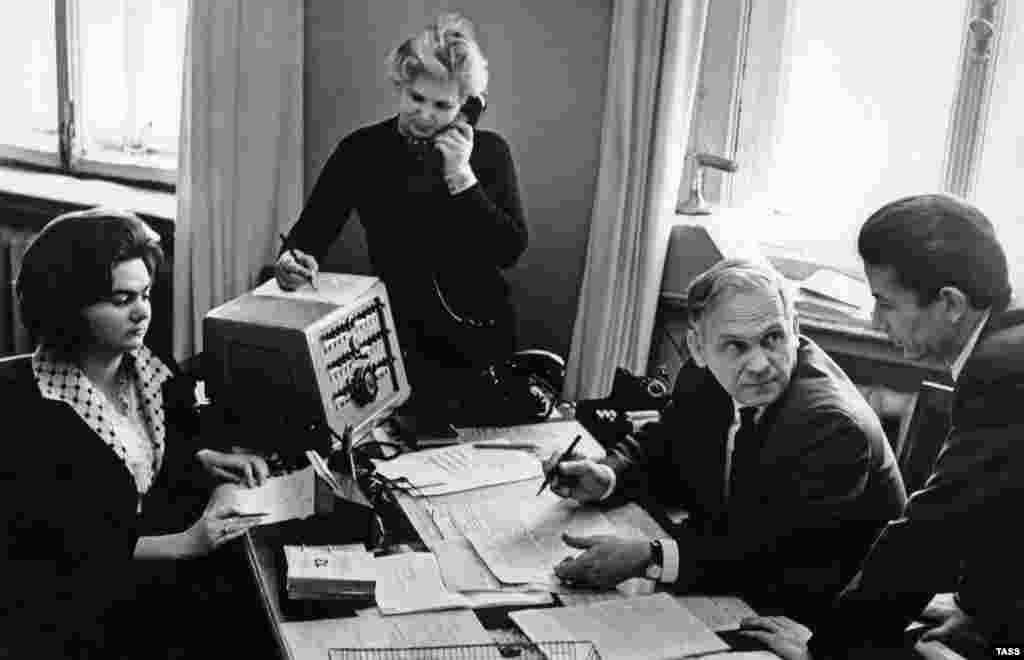
A teletype room in Moscow, where news was distributed and received
8/12 A teletype room in Moscow, where news was distributed and received
Russia's state news agency ITAR-TASS has just rebranded itself and will be known by its old, Soviet-era name TASS. Founded in 1925, the Telegraph Agency Of The Soviet Union was responsible for all news content for radio, television, and print media. It became ITAR-TASS in 1992 after the breakup of the Soviet Union.
TASS built an underground operations room so the agency could function in the event of an emergency. It was situated 50 meters underground and is pictured here in 1959.
9/12 TASS built an underground operations room so the agency could function in the event of an emergency. It was situated 50 meters underground and is pictured here in 1959.
Russia's state news agency ITAR-TASS has just rebranded itself and will be known by its old, Soviet-era name TASS. Founded in 1925, the Telegraph Agency Of The Soviet Union was responsible for all news content for radio, television, and print media. It became ITAR-TASS in 1992 after the breakup of the Soviet Union.
A military vehicle outside the TASS headquarters in Moscow in August 1991 during the attempted coup to unseat Soviet President Mikhail Gorbachev. 
10/12 A military vehicle outside the TASS headquarters in Moscow in August 1991 during the attempted coup to unseat Soviet President Mikhail Gorbachev. 
Russia's state news agency ITAR-TASS has just rebranded itself and will be known by its old, Soviet-era name TASS. Founded in 1925, the Telegraph Agency Of The Soviet Union was responsible for all news content for radio, television, and print media. It became ITAR-TASS in 1992 after the breakup of the Soviet Union.
TASS's foreign news desk in 1994
11/12 TASS's foreign news desk in 1994
Russia's state news agency ITAR-TASS has just rebranded itself and will be known by its old, Soviet-era name TASS. Founded in 1925, the Telegraph Agency Of The Soviet Union was responsible for all news content for radio, television, and print media. It became ITAR-TASS in 1992 after the breakup of the Soviet Union.
ITAR-TASS's headquarters in Moscow in 2013.
12/12 ITAR-TASS's headquarters in Moscow in 2013.
Russia's state news agency ITAR-TASS has just rebranded itself and will be known by its old, Soviet-era name TASS. Founded in 1925, the Telegraph Agency Of The Soviet Union was responsible for all news content for radio, television, and print media. It became ITAR-TASS in 1992 after the breakup of the Soviet Union.
Previous slide
Next slide

The Soviet Union's state news agency TASS was once so closely identified with the Kremlin that it reserved a special phrase to use whenever it related official news to the Soviet people.

The phrase was "TASS is authorized to announce," and it prefaced the Kremlin's statements on everything from Cold War diplomatic crises to the progress of economic five-year plans. By stressing the agency's special authorization, TASS -- an acronym for the Telegraph Agency of the Soviet Union -- maintained that whatever other accounts the Soviet audience might hear or read, this was the only approved, and therefore, accurate one.

Its signature phrase fell out of use when, after the collapse of communism, the state news agency changed its name to ITAR-TASS -- ITAR being an acronym for Information Telegraph Agency of Russia. In the spirit of the changing times, the agency was seeking to emphasize the independence of its reporting, though it remained a state news agency.

But now, ITAR-TASS is again adopting its Soviet-era acronym of simply TASS in a step it says will strengthen its image. The name change is expected to be phased in through the end of the year.

Announcing the change on the occasion of the agency's 110th anniversary on September 1, Director-General Sergei Mikhailov told staff in Moscow that "the decision was made to return to the historic and globally recognized name of TASS."

He did not say precisely why the change was necessary but argued that the current media market, with its huge quantity of information from varied sources, does not provide a full and accurate picture of events. He said providing an "accurate" picture would be the agency's main task.

The back-to-the-future branding choice strikes some observers as odd.

The intention of changing the name was to bring a kind of credibility to the old name of the Telegraph Agency of the Soviet Union, because the name was empty of any credibility."
-- Jefim Fistein

Jefim Fistein, a Russian-Czech commentator and former director of RFE/RL's Russian Service, says that in 1992 the acronym ITAR was coupled to TASS in an effort to win the public's trust.

"The intention of changing the name was to bring a kind of credibility to the old name of the Telegraph Agency of the Soviet Union, because the name was empty of any credibility," he says.

TASS lost its credibility by being the mouthpiece for official Soviet versions of events that were patently contradicted by history, Fistein notes. That included announcing in 1968 that the Warsaw Pact invasion of Czechoslovakia was in response to a counter-revolution.

As ITAR-TASS now returns to its Soviet-era acronym, the real reasons behind the change may be less about the pros and cons of choosing a specific brand name than about the Kremlin's own ongoing efforts to highlight Russia's Soviet past.

The move echoes similar steps by Russian President Vladimir Putin, including bringing back the Soviet national anthem, reviving Soviet-style military parades, and restoring a Stalin-era labor award.

Fistein says Putin's stoking of nostalgia for the Soviet era has had considerable success in helping isolate his Western-leaning opposition, encouraging him to go further.

"For many people now, the Soviet past, paradoxically, reflects the happy future of present-day Russia," he observes. "They don't expect a happy future to come in the form of modernization or in the form of approaching the Westernized world. For them, the future lies in the Soviet past of Russia."

At the same time, rebranding the news agency is in line with steps by the Kremlin to bring other state-owned media assets more visibly under its control.

In December, Putin ordered the closure of the RIA Novosti news agency and Voice of Russia radio, with both to be absorbed into a new media conglomerate called Rossiya Segodnya.

Sergei Ivanov, the head of Russia's presidential administration, said upon announcing the reorganization that Russia "must tell the truth and make it accessible to as any people as possible" as Russia holds "an independent policy and unwaveringly protects its national interests."

The name change is just one of many ITAR-TASS has undergone over the course of its 110-year history, all of them reflecting the spirit of the times.

The agency dates back to 1904 when tsarist Russia was at war with Japan and needed rapid news from the battlefield. Its first name was the Saint Petersburg Telegraph Agency (SPTA).

However, it was soon renamed. Seized by the Bolsheviks at the start of the Russian Revolution, it became the Russian Telegraph Agency (ROSTA) in 1918 and, in 1925, the Telegraph Agency of the Soviet Union (TASS). Then, in 1992, it acquired the additional acronym ITAR before losing it again this week.

At its height, TASS was known across the globe as the Soviet Union's leading news agency, with bureaus in some 90 countries. Today it is smaller, with bureaus in 70 countries, but remains one of the world's largest news agencies.

This item is part of
XS
SM
MD
LG