
Russia Confirms Spike In Radioactivity, Denies Nuclear Accident
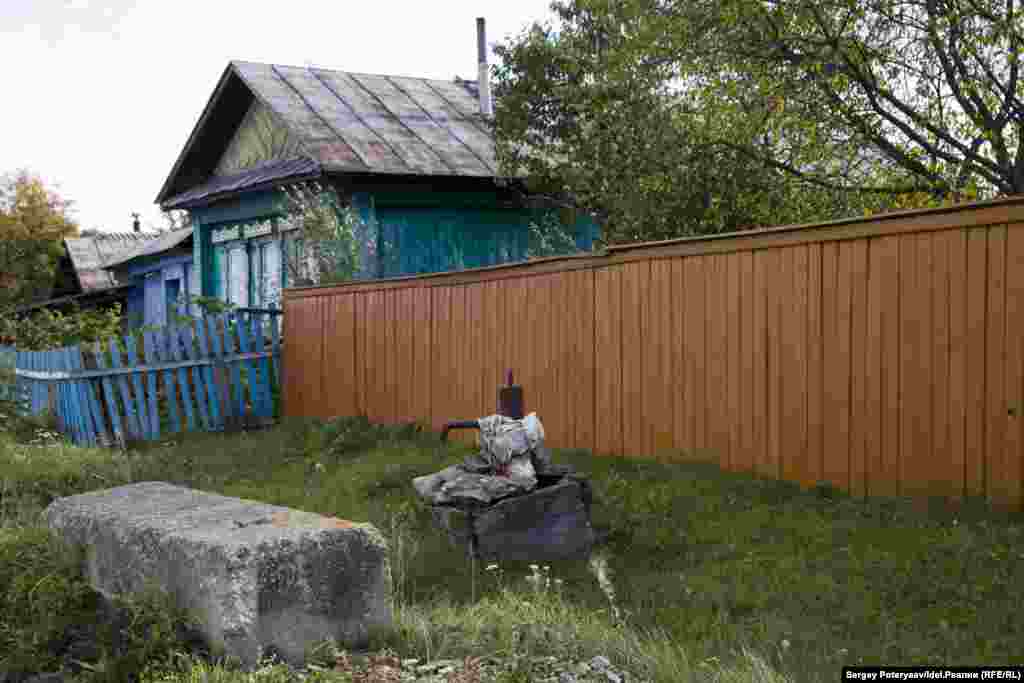
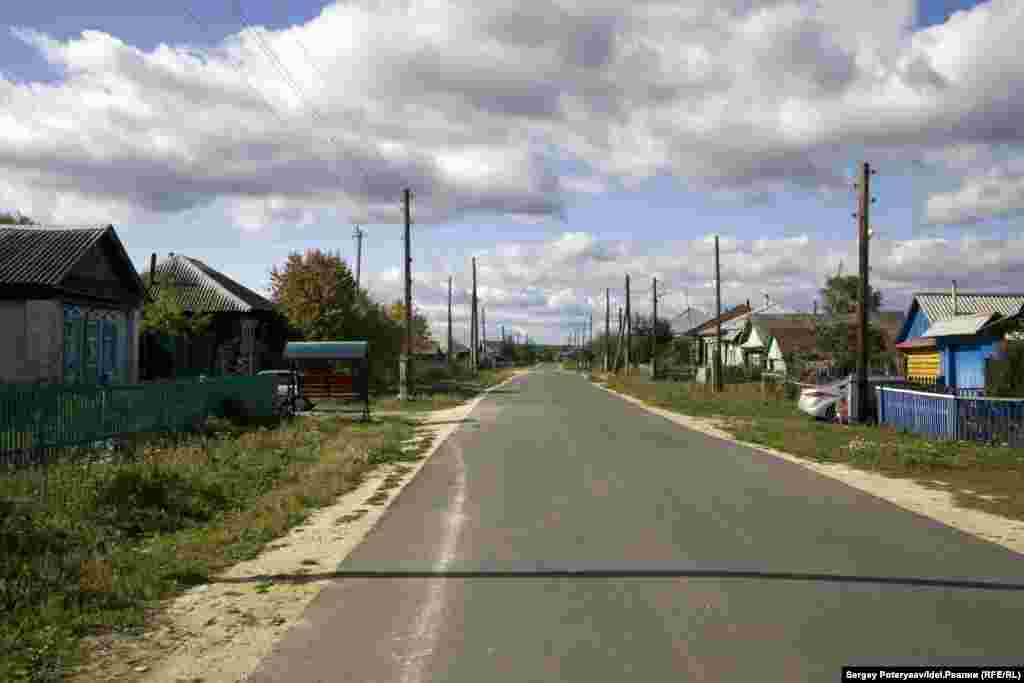
The Russian meteorological service did not point to any specific source of the pollution. (illustrative photo)
Russia's meteorological service has indicated that it measured "extremely high" concentrations of the radioactive isotope ruthenium-106 (Ru-106) in the southern Urals in late September, but then contradicted itself and accused environmental-protection organizations of raising a false alarm in order to attract more funding.
The conflicting statements from Rosgidromet on November 21 came weeks after reports of a radioactive cloud drifting westward from Russia first appeared in Europe, a delay that government critics said was reminiscent of the Soviet government's initial silence about the Chernobyl nuclear-power-plant disaster in 1986.
The French nuclear-safety agency said on November 9 that a cloud of radioactive pollution detected over Europe in the last week of September probably came from a facility -- such as a nuclear-fuel-treatment site or center for radioactive medicine -- in Russia or Kazakhstan. Neither of the two former Soviet republics has acknowledged any accident.
In one report on its website, Rosgidromet -- the state agency that monitors air and water pollution -- said that it measured a concentration of Ru-106 at nearly 986 times normal levels at the Argayash weather station in the Chelyabinsk region in late September and early October. A table that was part of the report referred to that as "extremely high contamination."
At the Novogorny meteorological station, in the same region in the southern Urals, levels were 440 times those of the previous month, the report said.
A separate statement posted later, however, said that Ru-106 levels qualifying as "extremely high contamination" had not been detected.
It said, using bold type for emphasis, that concentrations of Ru-106 were "several times lower" than the "permissible" level.
It also said that the reason levels were hundreds of times higher than in the previous monitoring periods was that Ru-106 had been "absent" from the earlier findings.
Rosgidromet said that the fact that it found "even negligible concentrations of radioactive isotopes" was evidence of the "high effectiveness" of its monitoring methods.
It asserted that the "heightened attention" paid to the Ru-106 levels by "certain environmental-protection organizations" was an effort to "increase their importance in the eyes of society" at a time when "their budgets for the next year are being drafted."
Environmental activist group Greenpeace said in a statement that it will petition the Russian Prosecutor-General's Office to open an inquiry into "possible concealment of a radiation accident" and check whether public health was sufficiently protected.
Speaking to journalists, Rosgidromet chief Maksim Yakovenko said that the levels of Ru-106 recorded in Russia posed no danger to human health as they are "hundreds of thousands of times lower than the allowed maximum."
Yakovenko added that Rosgidromet did not try to find the source of the increased radiation "because in Romania the level of the wastes concentration was 1.5-2 times higher than in Russia, and in Poland and Ukraine it was the same."
The Russian monitoring agency did not point to any specific potential source of the pollution.
The Argayash station is about 30 kilometers from the Mayak nuclear facility, which reprocesses nuclear fuel and produces radioactive material for industrial and research purposes.
The Mayak plant, which is under the umbrella of Russia's nuclear energy corporation Rosatom, said that the contamination "has nothing to do" with its activities and that it had not produced Ru-106 for years.
In 1957, the facility was the site of one of the worst nuclear accidents in history, and nearby residents say the government is still paying little attention to their plight 60 years later.
'Left To Die As Guinea Pigs': Tatar Village Struggles On, 60 Years After Nuclear Catastrophe
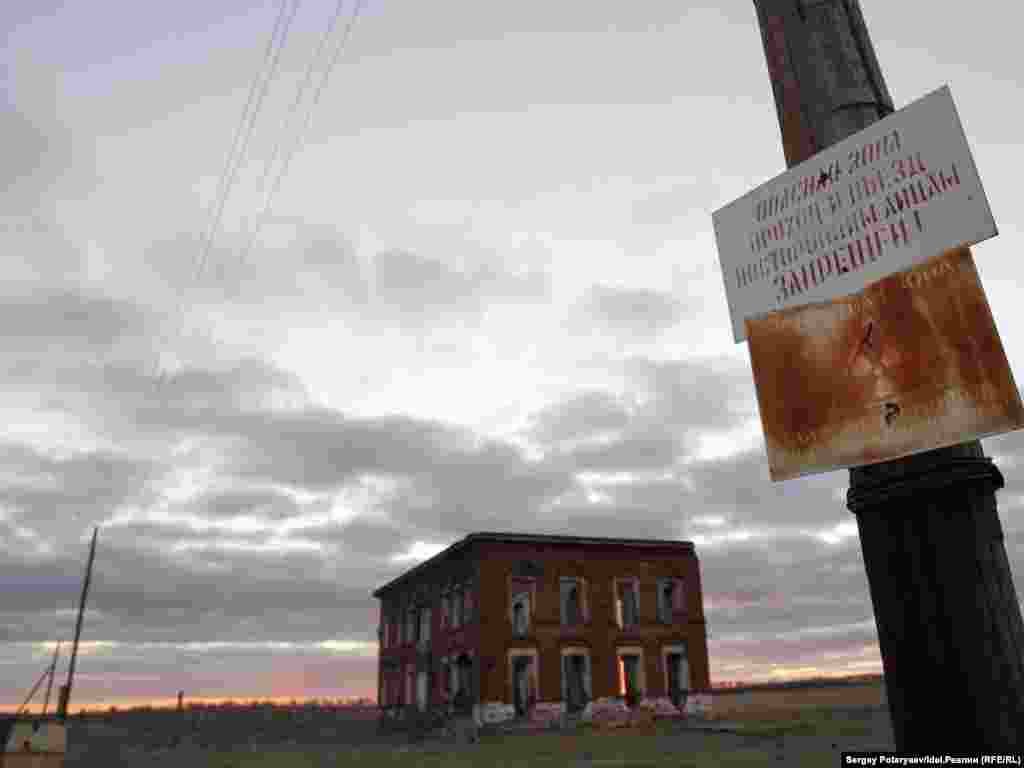
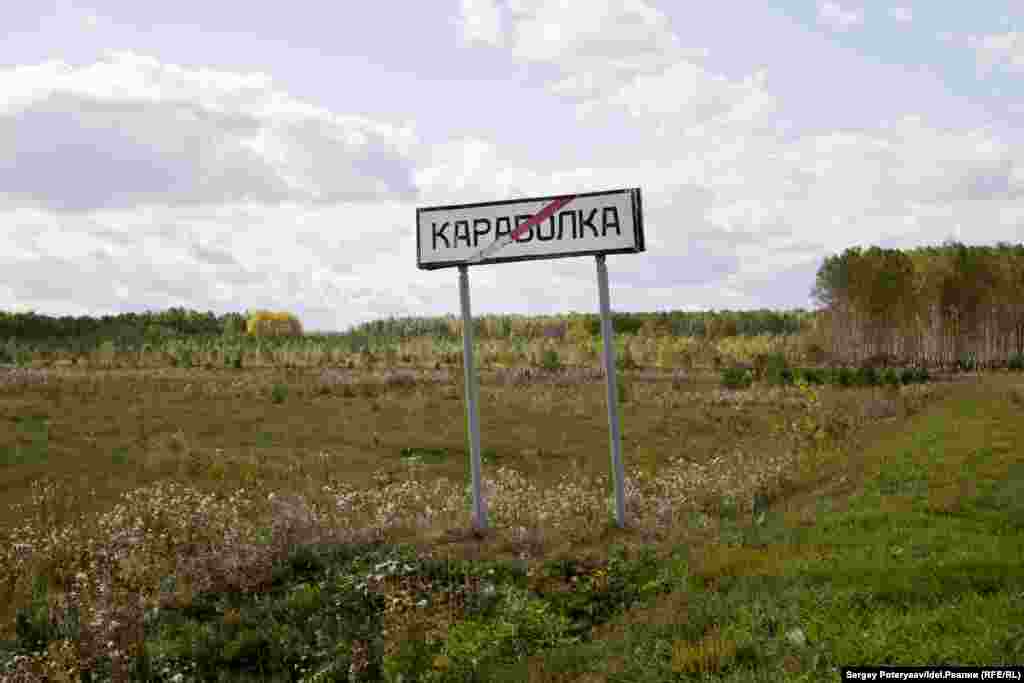
1/11The sign says "Danger Zone." An explosion on September 29, 1957, contaminated an area of 23,000 square kilometers and exposed more than 270,000 people to significant levels of radiation.
An explosion at a Soviet nuclear plant 1,400 kilometers east of Moscow remains the world's third-largest nuclear disaster, after Chernobyl and Fukushima. At the time, in 1957, it was the worst ever. Sixty years on, nearby Tatar villagers are still struggling for official recognition of their plight. (RFE/RL's Tatar-Bashkir Service)
2/11The village of Karabolka is 30 kilometers from the Mayak nuclear plant, where the explosion occurred. For decades afterwards, it did not appear on maps, only reappearing 20 years ago. But life there continued.
An explosion at a Soviet nuclear plant 1,400 kilometers east of Moscow remains the world's third-largest nuclear disaster, after Chernobyl and Fukushima. At the time, in 1957, it was the worst ever. Sixty years on, nearby Tatar villagers are still struggling for official recognition of their plight. (RFE/RL's Tatar-Bashkir Service)
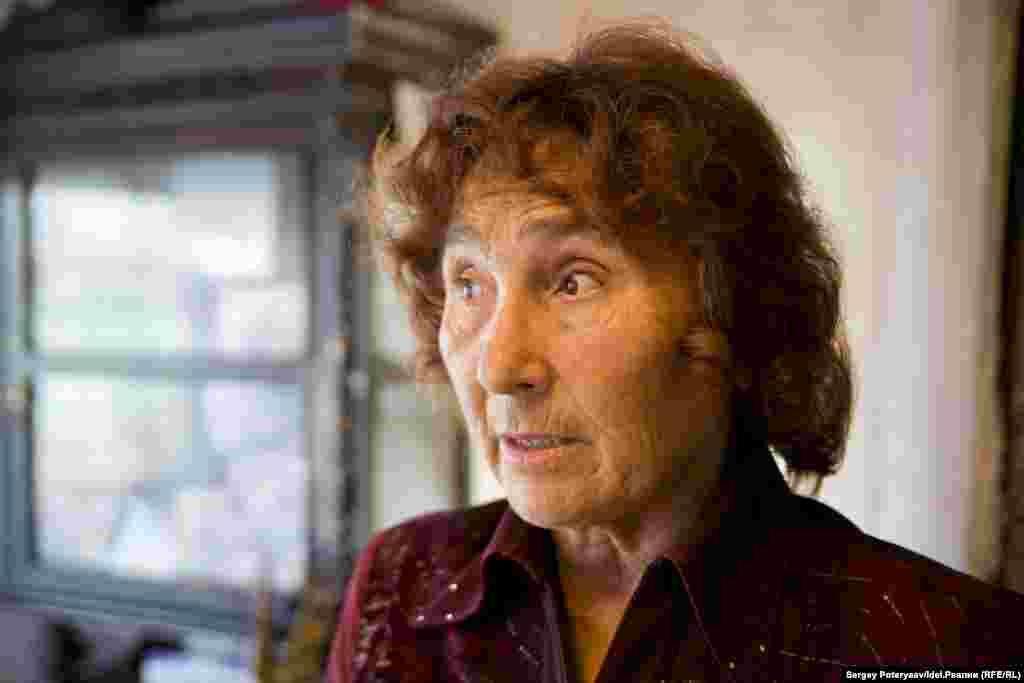
3/11Gulshara Ismagilova has lived in Karabolka all her life. She is campaigning for official recognition for the suffering of the villagers. Rates of cancer and genetic abnormalities here are significantly higher than the national average. "We are all handicapped here," she says.
An explosion at a Soviet nuclear plant 1,400 kilometers east of Moscow remains the world's third-largest nuclear disaster, after Chernobyl and Fukushima. At the time, in 1957, it was the worst ever. Sixty years on, nearby Tatar villagers are still struggling for official recognition of their plight. (RFE/RL's Tatar-Bashkir Service)
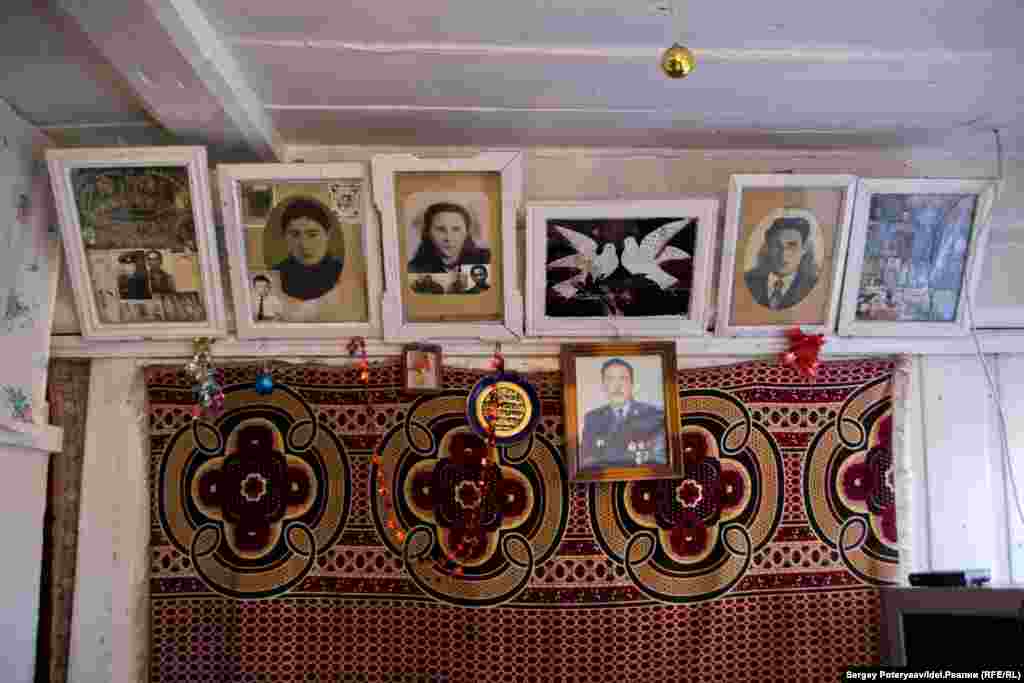
4/11These are Ismagilova's relatives who have died over the last 60 years. It includes an aunt, her mother, and her brother, who all died of cancer. Ismagilova herself has liver cancer.
An explosion at a Soviet nuclear plant 1,400 kilometers east of Moscow remains the world's third-largest nuclear disaster, after Chernobyl and Fukushima. At the time, in 1957, it was the worst ever. Sixty years on, nearby Tatar villagers are still struggling for official recognition of their plight. (RFE/RL's Tatar-Bashkir Service)
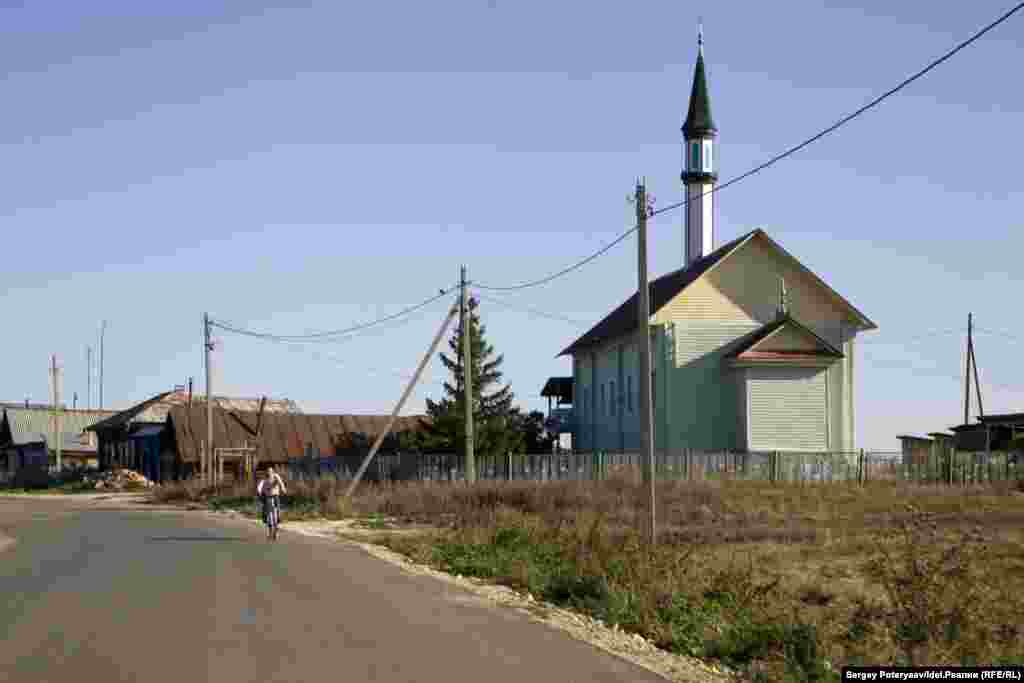
5/11In 1957, the village had about 4,000 residents; in 2010, just 423. The village had two distinct parts: a mostly Tatar part, which was not evacuated, and a mostly Russian part, which was. Some locals say they were used in an experiment on the effects of radiation.
An explosion at a Soviet nuclear plant 1,400 kilometers east of Moscow remains the world's third-largest nuclear disaster, after Chernobyl and Fukushima. At the time, in 1957, it was the worst ever. Sixty years on, nearby Tatar villagers are still struggling for official recognition of their plight. (RFE/RL's Tatar-Bashkir Service)
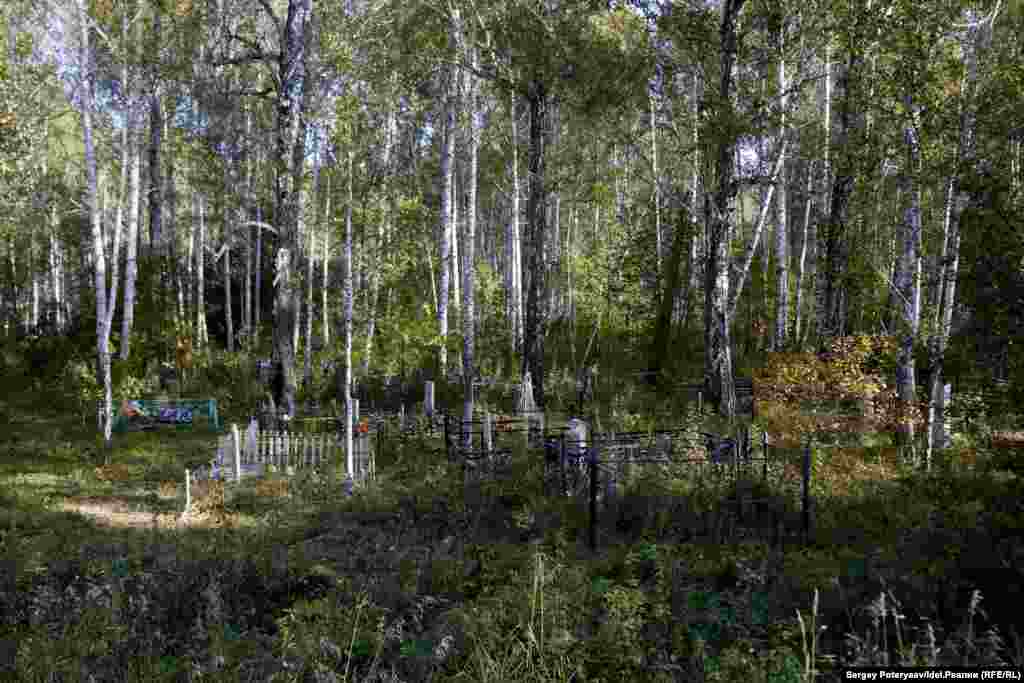
6/11The village has eight cemeteries. Seven of them are a resting place for residents who died of cancer. Children here are often born with cancer and die before reaching adulthood.
An explosion at a Soviet nuclear plant 1,400 kilometers east of Moscow remains the world's third-largest nuclear disaster, after Chernobyl and Fukushima. At the time, in 1957, it was the worst ever. Sixty years on, nearby Tatar villagers are still struggling for official recognition of their plight. (RFE/RL's Tatar-Bashkir Service)
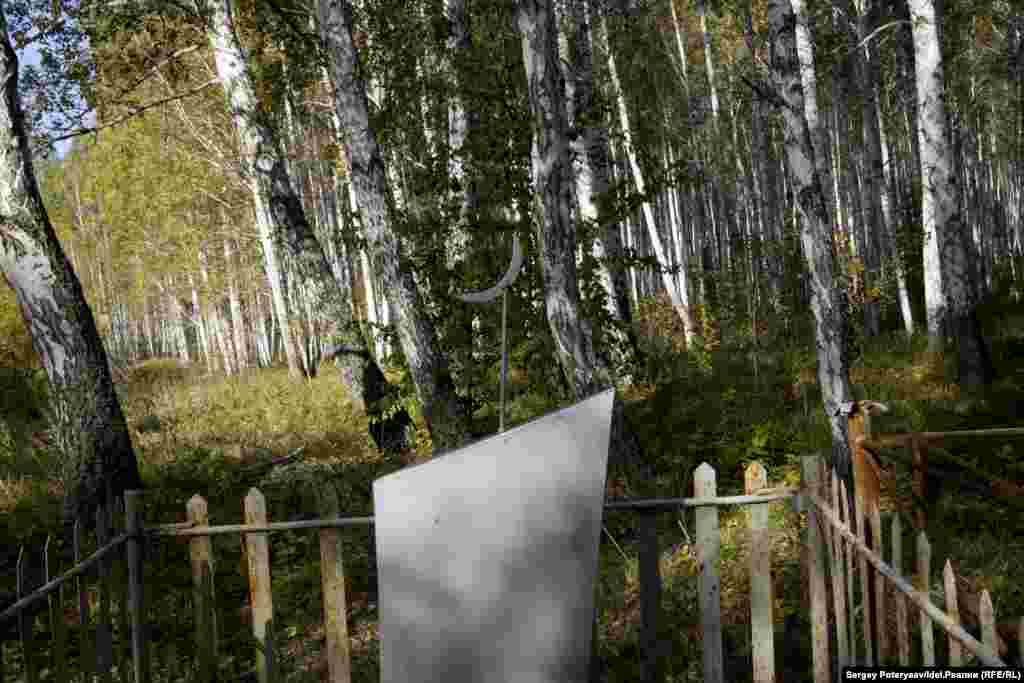
7/11Only Muslims are buried here. Following their beliefs, some relatives prevent autopsies being performed. This can prevent some deaths being classified as cancer-related.
An explosion at a Soviet nuclear plant 1,400 kilometers east of Moscow remains the world's third-largest nuclear disaster, after Chernobyl and Fukushima. At the time, in 1957, it was the worst ever. Sixty years on, nearby Tatar villagers are still struggling for official recognition of their plight. (RFE/RL's Tatar-Bashkir Service)
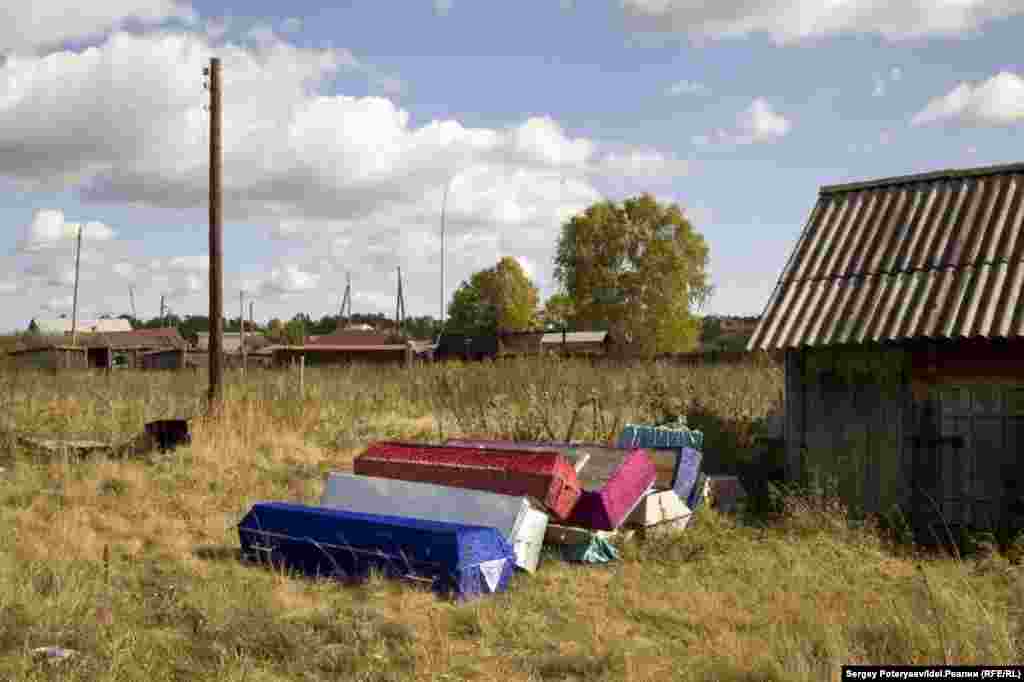
8/11A pile of coffins at the ready. Families usually bury their dead by noon of the day following their death. "People don't know what to eat and how to survive," Ismagilova says. "They have been left here to die as guinea pigs."
An explosion at a Soviet nuclear plant 1,400 kilometers east of Moscow remains the world's third-largest nuclear disaster, after Chernobyl and Fukushima. At the time, in 1957, it was the worst ever. Sixty years on, nearby Tatar villagers are still struggling for official recognition of their plight. (RFE/RL's Tatar-Bashkir Service)
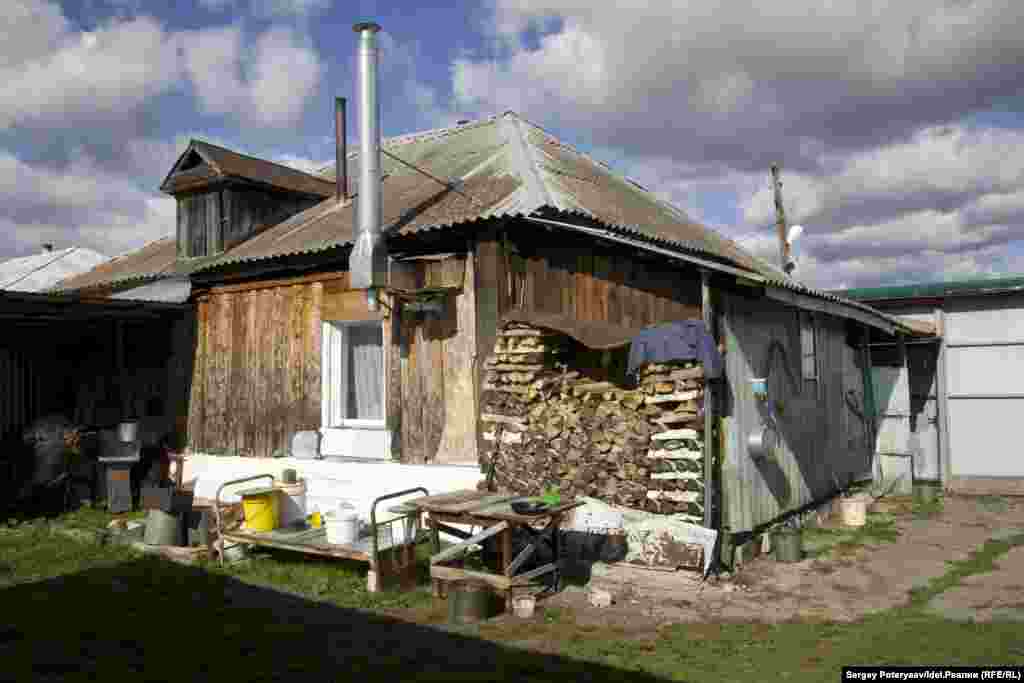
9/11This house has a pile of firewood outside. In the 1990s, local people were warned that wood stored radiation and should not be used for burning. But the village was not connected to a gas supply until 2016.
An explosion at a Soviet nuclear plant 1,400 kilometers east of Moscow remains the world's third-largest nuclear disaster, after Chernobyl and Fukushima. At the time, in 1957, it was the worst ever. Sixty years on, nearby Tatar villagers are still struggling for official recognition of their plight. (RFE/RL's Tatar-Bashkir Service)
10/11A water pump outside a house. "The authorities prohibited drinking water from local wells but couldn’t arrange supplies of clean water. A couple of months later, they took samples and said the local water was good enough to drink," says Ismagilova.
An explosion at a Soviet nuclear plant 1,400 kilometers east of Moscow remains the world's third-largest nuclear disaster, after Chernobyl and Fukushima. At the time, in 1957, it was the worst ever. Sixty years on, nearby Tatar villagers are still struggling for official recognition of their plight. (RFE/RL's Tatar-Bashkir Service)
11/11A Greenpeace report 10 years ago said the Mayak site was "one of the most radioactive places on Earth." It added that thousands of people in surrounding towns and villages still lived on contaminated land.
An explosion at a Soviet nuclear plant 1,400 kilometers east of Moscow remains the world's third-largest nuclear disaster, after Chernobyl and Fukushima. At the time, in 1957, it was the worst ever. Sixty years on, nearby Tatar villagers are still struggling for official recognition of their plight. (RFE/RL's Tatar-Bashkir Service)
Previous slide
Next slide
Rosatom said there were no radiation leaks from its facilities that could increase the level of the radioactive isotope in the atmosphere.
Yevgeny Savchenko, the Chelyabinsk region's minister of public security, said that the regional administration received no official information about dangerous levels of radiation in September.
"When the media got hysterical about some accident and cloud of ruthenium-106, we asked for explanations" from Rosgidromet and Rosatom, Savchenko wrote on Facebook.
The November 9 report from France's Institute for Radioprotection and Nuclear Safety (IRSN) said that ruthenium-106 had been detected in France between September 27 and October 13. Several other nuclear-safety institutes in Europe had measured high levels of the radioactive nuclide.
The IRSN statement said it could not accurately locate the release of Ru-106 but, based on weather patterns, it most likely originated south of the Ural Mountains, between the Urals and the Volga River.
This could indicate Russia or possibly Kazakhstan as the site of the origin of the cloud, IRSN Director Jean-Marc Peres said.
IRSN ruled out an accident in a nuclear reactor, saying it was likely a leak at a nuclear-fuel-treatment site or center for radioactive medicine.
Ruthenium-106 does not occur naturally. It is a product of splitting atoms in a reactor, and is also used in medical treatments.
In mid-October in response to the earliest European reports about the radioactive cloud, Rosatom issued a statement quoted by Russian media outlets as saying that "in samples tested from September 25 to October 7, including in the southern Urals, no trace of ruthenium-106 was found, except in St. Petersburg."
Rosatom later said in response to the French agency's report that "radiation around all facilities of Russian nuclear infrastructure are within the norm and are at the level of background radiation."

RFE/RL journalists report the news in 24 languages in 18 countries where a free press is banned by the government or not fully established. We provide what many people cannot get locally: uncensored news, responsible discussion, and open debate.