


Accessibility links

Breaking News

After Kazan School Shooting, Some Russian Officials See Solution In Less Freedom, More Control

Mourners place flowers at the grave of English teacher Elvira Ignatyeva, who was killed during the shooting in Kazan, at her funeral on May 12.

In the wake of the fatal school shooting in Kazan on May 11, the question of how to prevent such incidents -- which have become increasingly common in Russia in recent years -- jumped to the top of the national agenda.

Some officials of longtime President Vladimir Putin's authoritarian government were quick to propose measures that could further boost the state's role in citizens' lives. Other commentators, though, have suggested the example the government sets by resorting to violence in the face of political challenges and blaming failures on outside "enemies" could be contributing to the deadly violence.

Vyacheslav Volodin, the speaker of the State Duma, the lower chamber of Russia's parliament, wrote on Telegram that "it is necessary to discuss" proposals to restrict "anonymity on the Internet." Such restrictions would "reduce the volume of content promoting violence and lionizing extremism," Volodin said, purportedly summarizing the arguments of proponents of the idea.

Irina Volynets
Irina Volynets

Speaking on the YouTube channel of hard-line state-media moderator Vladimir Solovyov, Tatarstan ombudswoman for children's rights Irina Volynets blamed the Kazan shooting, in which nine people were killed and 23 injured, on "the absolute absence of a state ideology."

"As long as we do not have a state ideology, as long as children are not busy outside of school hours like they were in the Soviet Union -- and that activity has to be organized by the state -- if we don't fundamentally change our system, then unfortunately this situation will repeat itself," Volynets said.

State Information Abuse

The Education Ministry in the northern Murmansk region, in response to the Kazan tragedy, ordered the creation of a database of students and recent graduates who are "inclined to disciplinary problems" and who "demonstrate unmotivated aggression." However, the ministry's order, which appeared in several local publications, contained a web address of such a database that included personal information on hundreds of students, even though the file was apparently only created at 2:25 p.m. on May 11, Moscow time.

The database was quickly taken offline when journalists noticed it, but not before reporters from Mediazona found notations describing individual students that included "brought a knife to school," "shows suicidal behavior," "swears," "participated in a protest supporting [imprisoned opposition politician Aleksei] Navalny," "has opposed Russian laws," and "does not recognize authority."

The file reportedly contained information about students from cities and towns throughout the region, including, in some cases, their social-media accounts.

Kazan political commentator and civic activist Darya Kulakova told RFE/RL that the government had a clear track record of misusing security measures for political ends. When surveillance cameras were installed throughout the city, she said, the authorities used them primarily to identify and punish anti-government demonstrators.

"In January, after the demonstrations against Putin in Kazan, a Telegram channel called Krasnaya Kazan was created where they published lists of people who demonstrated and threatened them," Kulakova said.

"Since only the police have access to the cameras and the facial-recognition technology connected to them, it is not difficult to conclude that, most likely, the police were somehow involved in the release of this personal data. The organizers of the channel warned about retribution against protesters, but the police somehow ignored these threats."
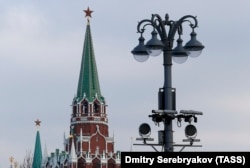
Security cameras in Moscow

'Enemies Everywhere'

The state's behavior could well be a cause of the problem, Moscow-based political analyst Dmitry Oreshkin said. People don't understand what is happening," he told RFE/RL. "They are told constantly that we are surrounded by enemies and the whole world is controlled by unknown forces. Then conspiracy theories begin agitating vulnerable minds."

Analyst and former Kremlin speechwriter Abbas Gallyamov offered a similar perspective. "People have become accustomed to seeing enemies everywhere and to looking for the reasons for their failures outside themselves," he said. "Just as the Russian government does. People pick up the behavioral models that they are used to seeing around them."

In the past, the Russian government has been unwilling to entertain similar criticism. In July 2020, RFE/RL contributor Svetlana Prokopyeva was convicted of "justifying terrorism" for a commentary she made about the November 2018 suicide bombing of the Arkhangelsk office of the Federal Security Service (FSB) by a teenager. Prokopyeva suggested that the teen's actions could have been motivated by feelings of despair and desperation caused by the repressive political climate in Putin's Russia.

Victims Of School Shooting In Kazan Buried
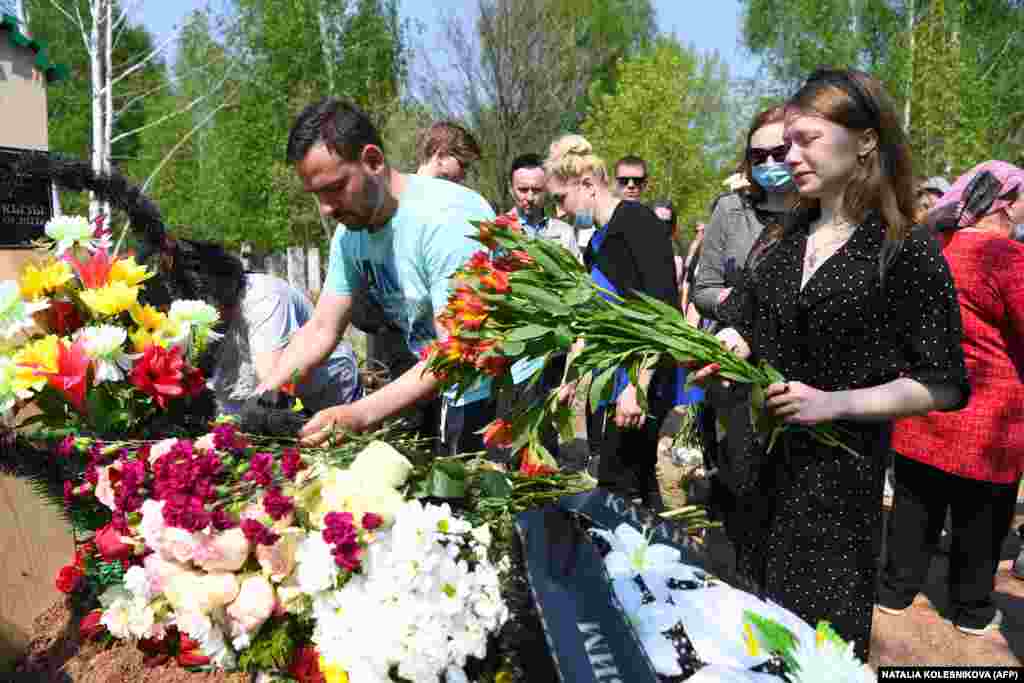
Mourners lay flowers at the grave of English teacher Elvira Ignatyeva, who was killed during a shooting at School No. 175, during her funeral in Kazan on May 12.
1/20 Mourners lay flowers at the grave of English teacher Elvira Ignatyeva, who was killed during a shooting at School No. 175, during her funeral in Kazan on May 12.
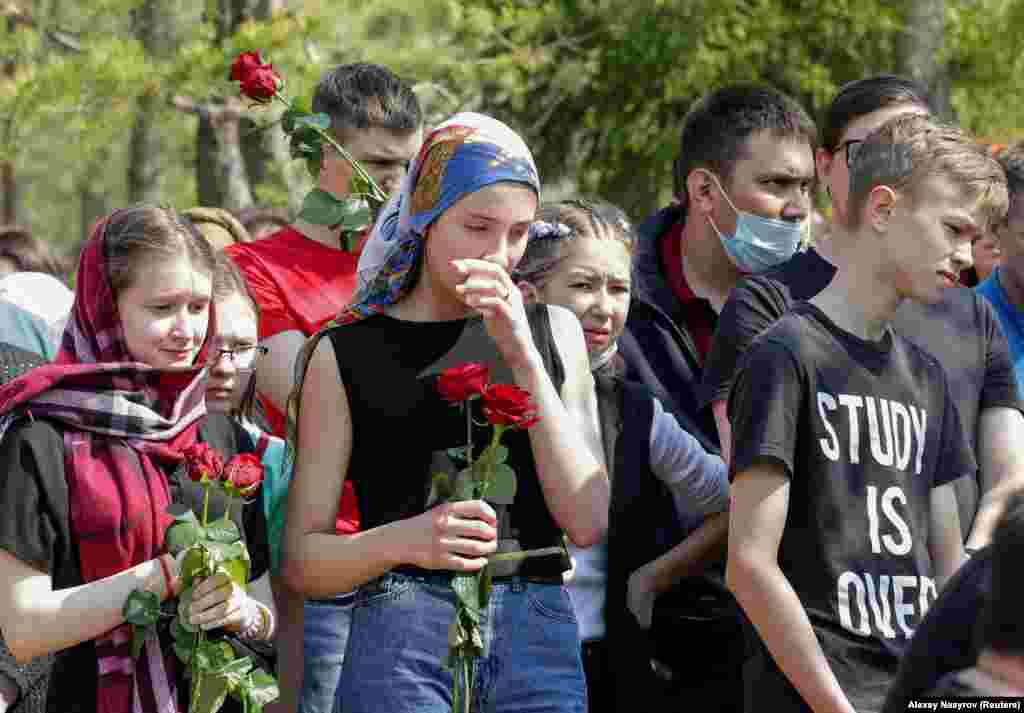
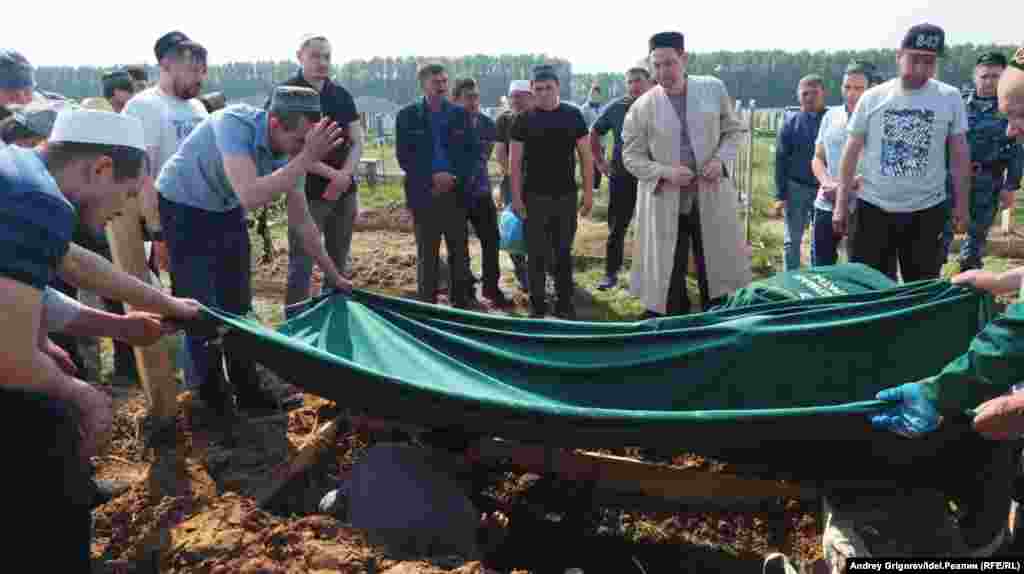
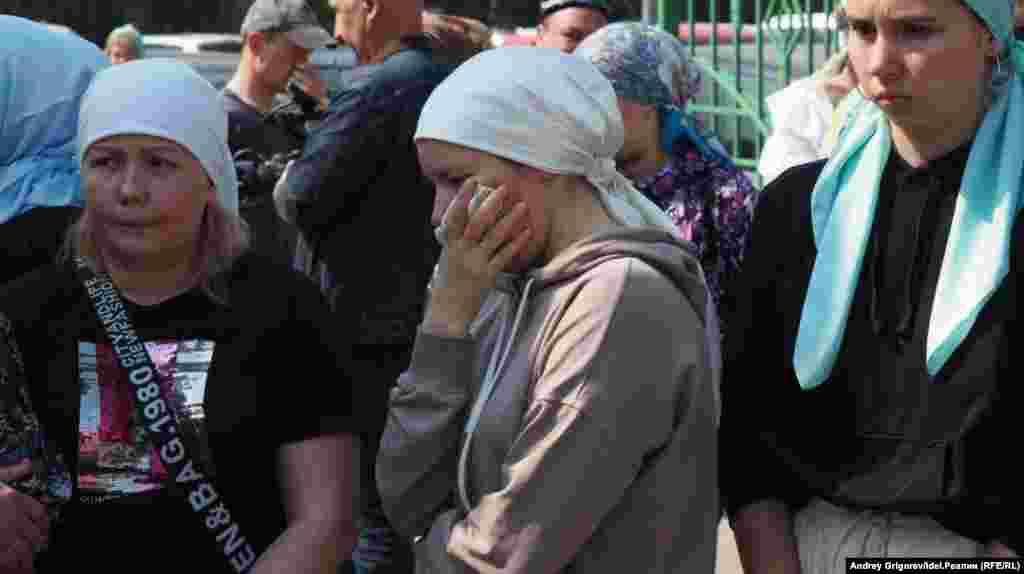
Nine victims from an attack on a school in the capital of the Russia's Tatarstan region were laid to rest in Kazan and other districts on May 12.
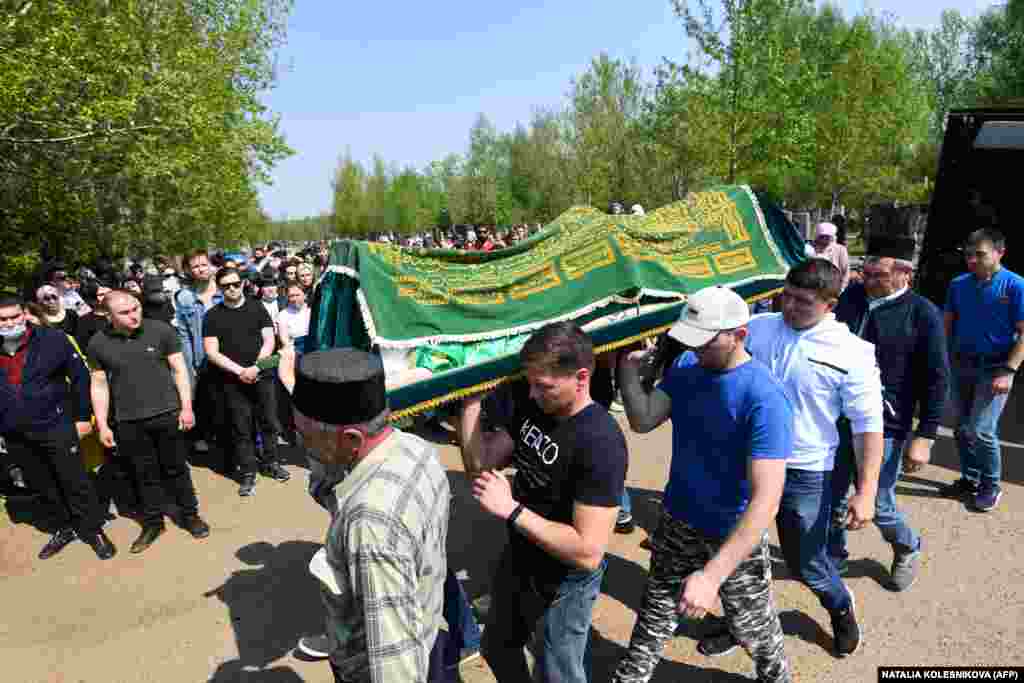
Men carry Ignatyeva's casket at her funeral.
2/20 Men carry Ignatyeva's casket at her funeral.
Nine victims from an attack on a school in the capital of the Russia's Tatarstan region were laid to rest in Kazan and other districts on May 12.
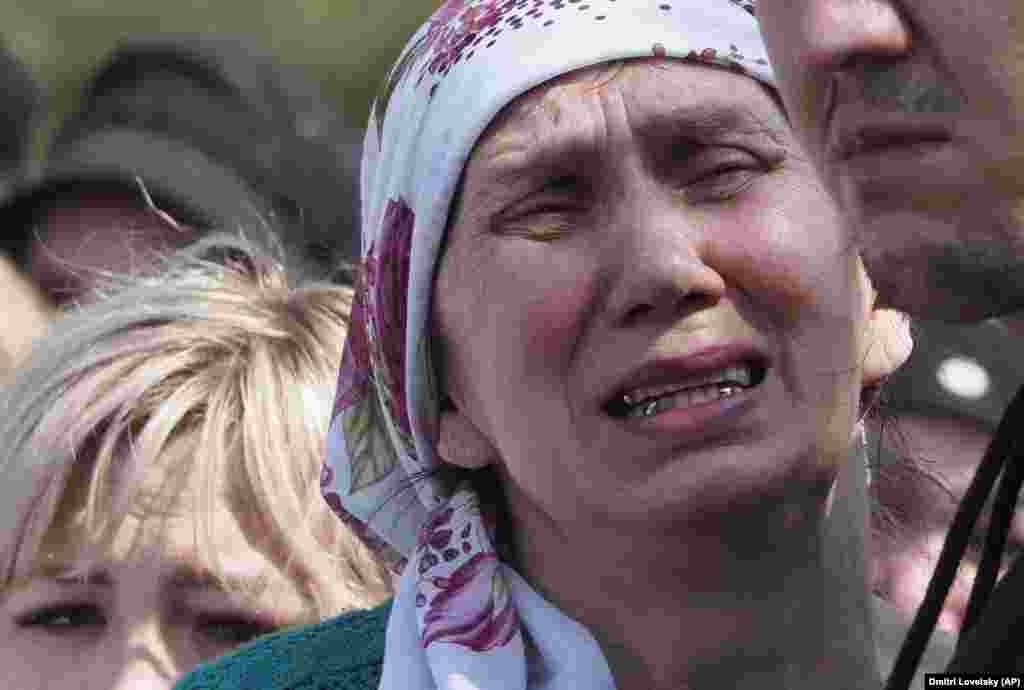
A woman cries at Elvira Ignatyeva's funeral in Kazan.
3/20 A woman cries at Elvira Ignatyeva's funeral in Kazan.
Nine victims from an attack on a school in the capital of the Russia's Tatarstan region were laid to rest in Kazan and other districts on May 12.
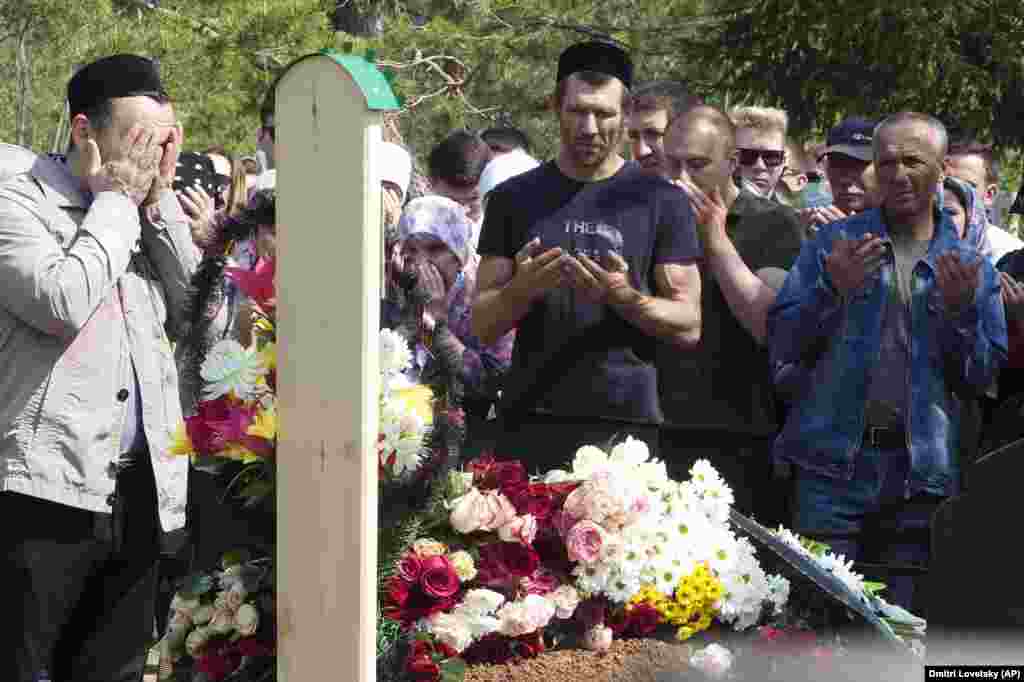
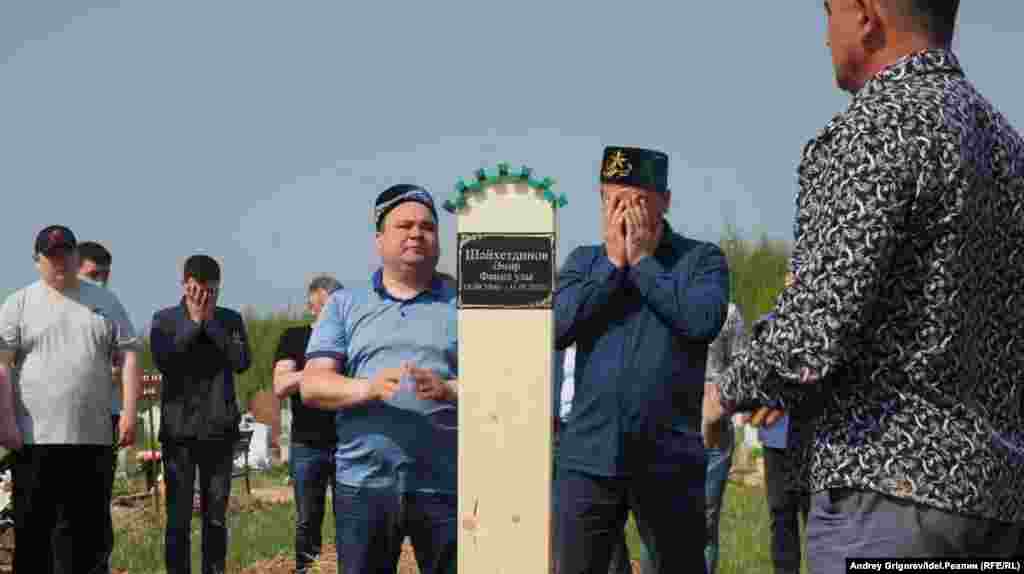
People pray next to Ignatyeva's grave.
4/20 People pray next to Ignatyeva's grave.
Nine victims from an attack on a school in the capital of the Russia's Tatarstan region were laid to rest in Kazan and other districts on May 12.
5/20
Nine victims from an attack on a school in the capital of the Russia's Tatarstan region were laid to rest in Kazan and other districts on May 12.
6/20
Nine victims from an attack on a school in the capital of the Russia's Tatarstan region were laid to rest in Kazan and other districts on May 12.
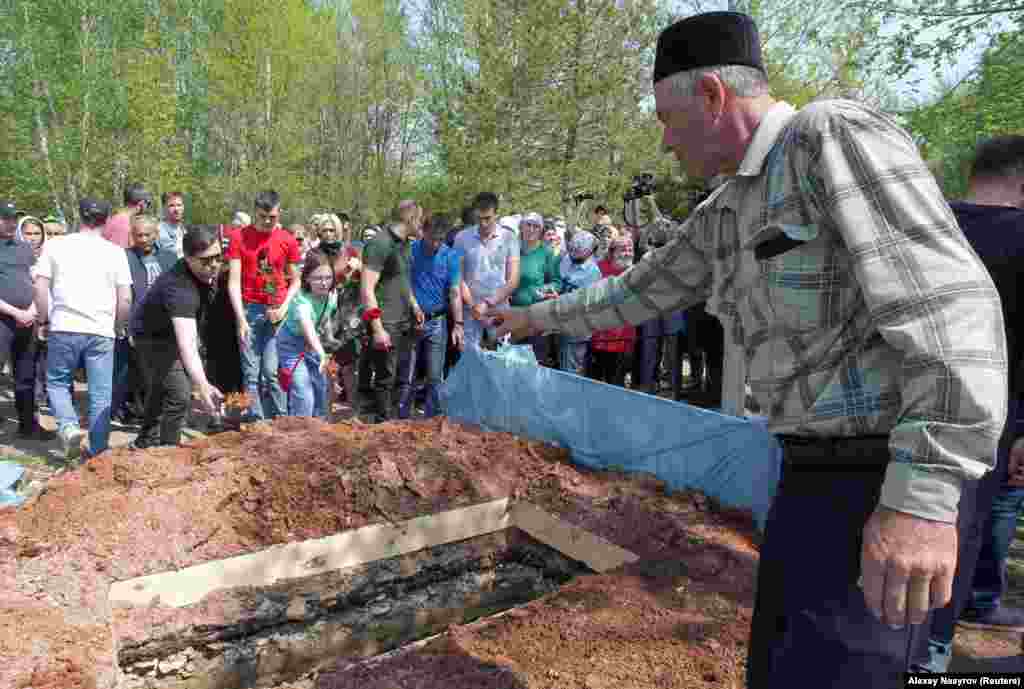
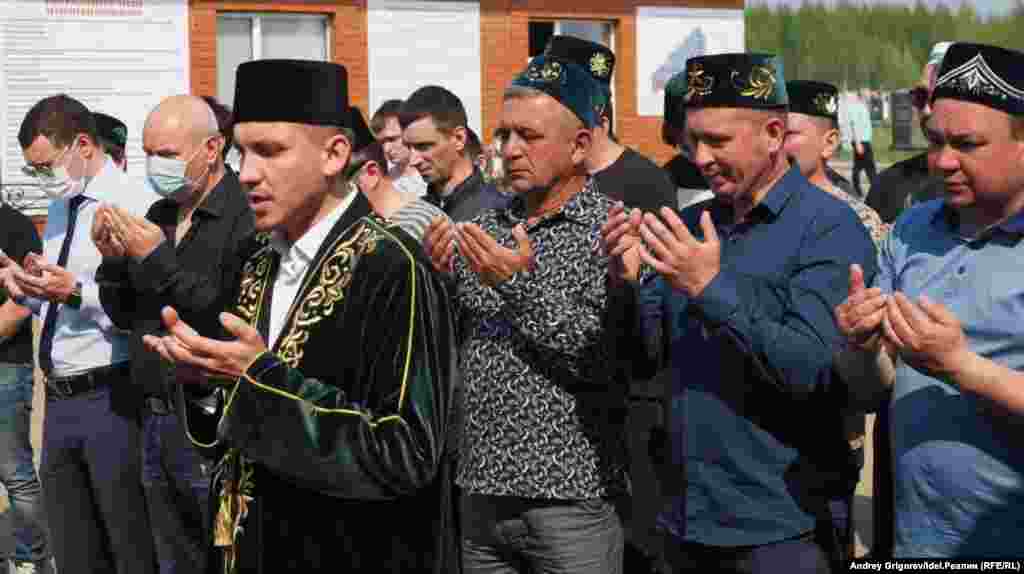
A funeral is held at the Muslim cemetery in Kazan for students killed in the shooting on May 12.
7/20 A funeral is held at the Muslim cemetery in Kazan for students killed in the shooting on May 12.
Nine victims from an attack on a school in the capital of the Russia's Tatarstan region were laid to rest in Kazan and other districts on May 12.
Victims' families react during the students' funeral.
8/20 Victims' families react during the students' funeral.
Nine victims from an attack on a school in the capital of the Russia's Tatarstan region were laid to rest in Kazan and other districts on May 12.
People attend the funeral of Amir Shaikhutdinov, 14, on May 12. Amir's classmates Ilzia Nagimullina and Damir Gaynutdinov were also buried.
9/20 People attend the funeral of Amir Shaikhutdinov, 14, on May 12. Amir's classmates Ilzia Nagimullina and Damir Gaynutdinov were also buried.
Nine victims from an attack on a school in the capital of the Russia's Tatarstan region were laid to rest in Kazan and other districts on May 12.
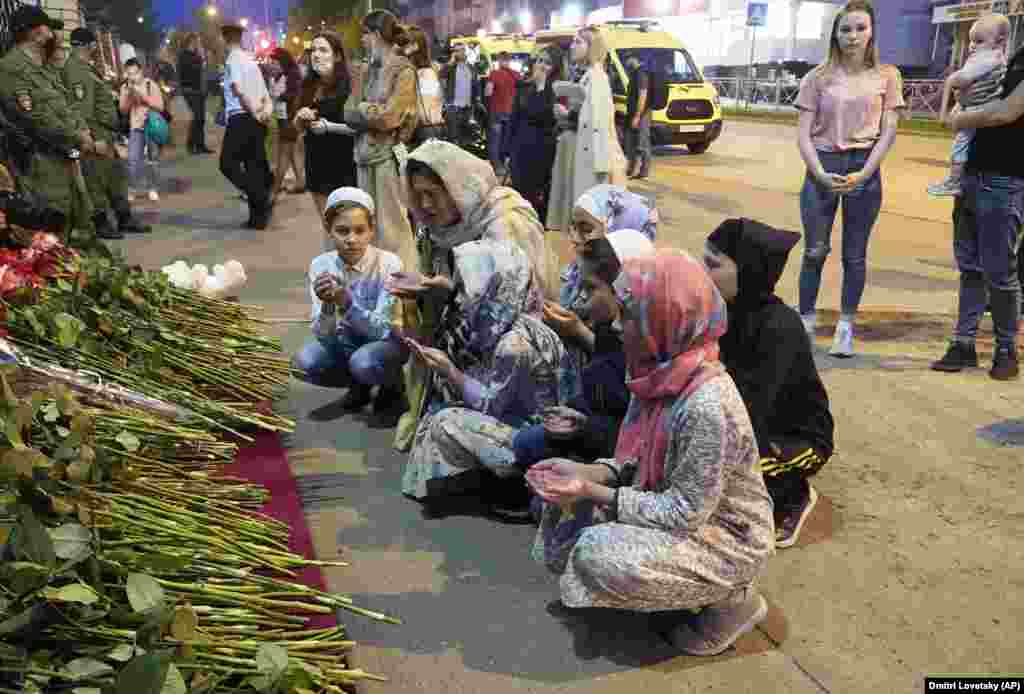
People pray at the students' funeral.
10/20 People pray at the students' funeral.
Nine victims from an attack on a school in the capital of the Russia's Tatarstan region were laid to rest in Kazan and other districts on May 12.
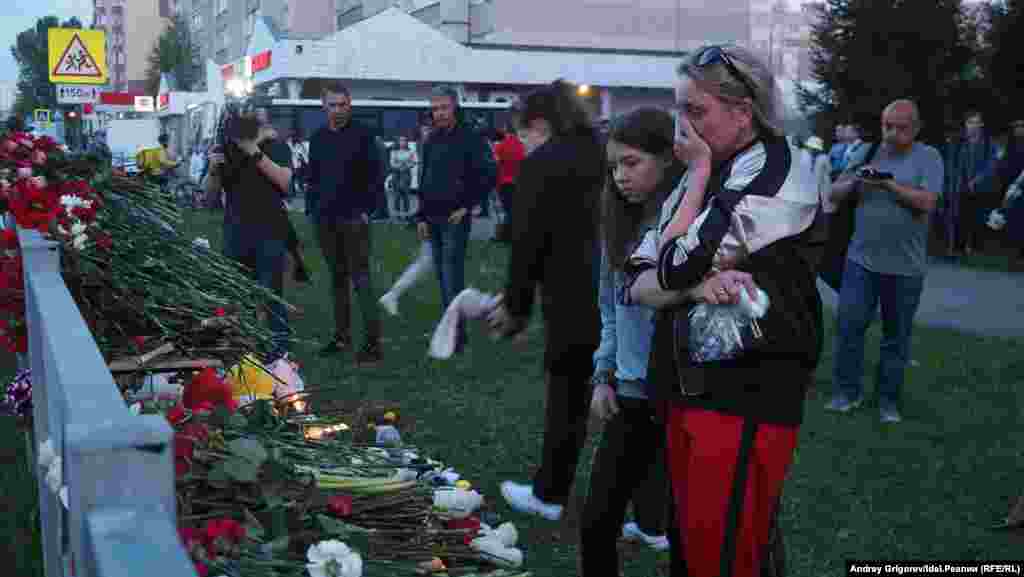
A girl lays flowers near a school after the shooting in Kazan on May 11.
11/20 A girl lays flowers near a school after the shooting in Kazan on May 11.
Nine victims from an attack on a school in the capital of the Russia's Tatarstan region were laid to rest in Kazan and other districts on May 12.
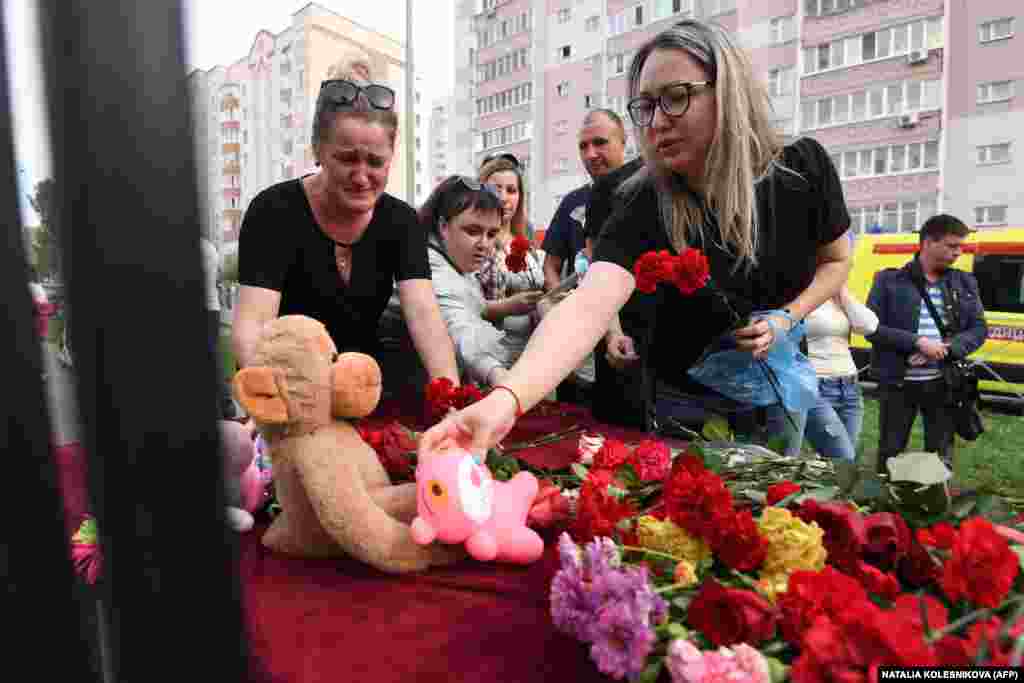
A woman places a toy at a makeshift memorial for victims of the shooting at Kazan's School No. 175 on May 11.
12/20 A woman places a toy at a makeshift memorial for victims of the shooting at Kazan's School No. 175 on May 11.
Nine victims from an attack on a school in the capital of the Russia's Tatarstan region were laid to rest in Kazan and other districts on May 12.
People place lit candles on the ground to form the school's number 175 in Kazan on May 11.
13/20 People place lit candles on the ground to form the school's number 175 in Kazan on May 11.
Nine victims from an attack on a school in the capital of the Russia's Tatarstan region were laid to rest in Kazan and other districts on May 12.
A woman cries near a school in Kazan on May 11. The writing on the wall reads, "We grieve."
14/20 A woman cries near a school in Kazan on May 11. The writing on the wall reads, "We grieve."
Nine victims from an attack on a school in the capital of the Russia's Tatarstan region were laid to rest in Kazan and other districts on May 12.
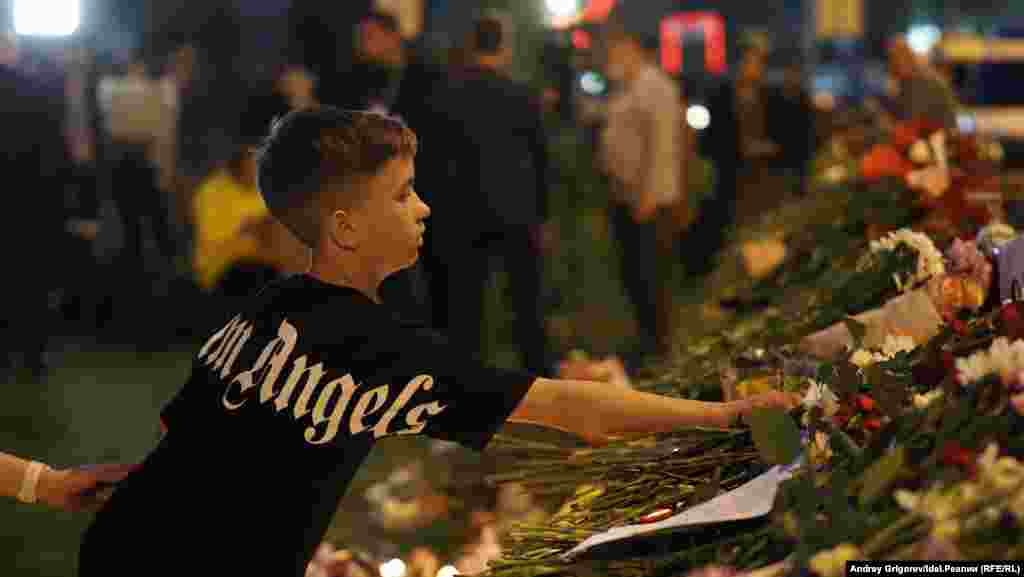
A boy puts flowers at the memorial site in Kazan.
15/20 A boy puts flowers at the memorial site in Kazan.
Nine victims from an attack on a school in the capital of the Russia's Tatarstan region were laid to rest in Kazan and other districts on May 12.
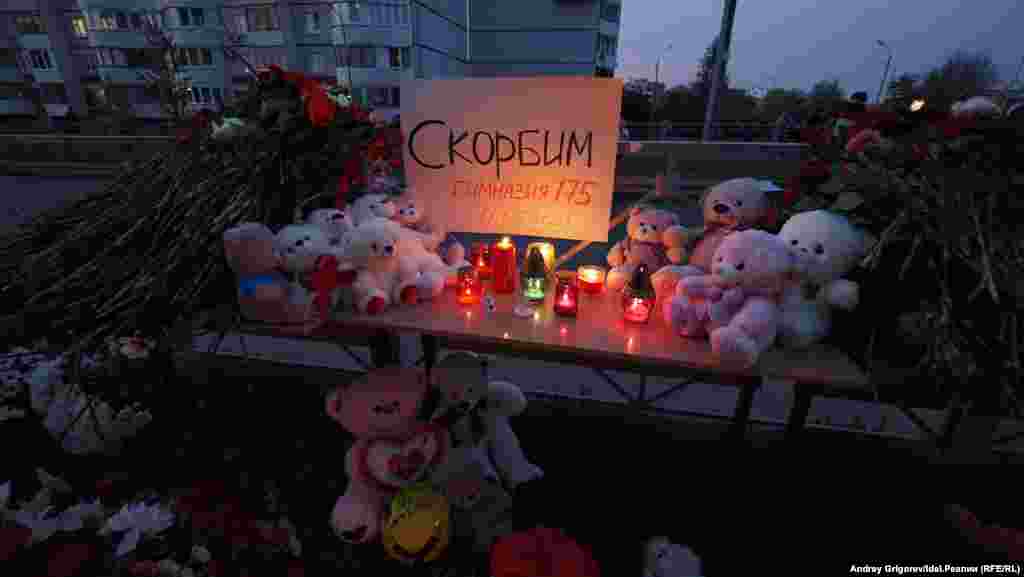
A sign reads, "We grieve."
16/20 A sign reads, "We grieve."
Nine victims from an attack on a school in the capital of the Russia's Tatarstan region were laid to rest in Kazan and other districts on May 12.
Mourners leave flowers at a makeshift memorial near School No. 175.
17/20 Mourners leave flowers at a makeshift memorial near School No. 175.
Nine victims from an attack on a school in the capital of the Russia's Tatarstan region were laid to rest in Kazan and other districts on May 12.
18/20
Nine victims from an attack on a school in the capital of the Russia's Tatarstan region were laid to rest in Kazan and other districts on May 12.
Children pray near a school after the shooting in Kazan on May 11.
19/20 Children pray near a school after the shooting in Kazan on May 11.
Nine victims from an attack on a school in the capital of the Russia's Tatarstan region were laid to rest in Kazan and other districts on May 12.
A teddy bear and flowers with the poster reading "11.05.21, School # 175, Mourn" in memory of the slain students in Kazan at the Tatarstan region's office in Moscow.
20/20 A teddy bear and flowers with the poster reading "11.05.21, School # 175, Mourn" in memory of the slain students in Kazan at the Tatarstan region's office in Moscow.
Nine victims from an attack on a school in the capital of the Russia's Tatarstan region were laid to rest in Kazan and other districts on May 12.
Previous slide
Next slide

Psychologist Denis Davydov told Current Time, a Russian-language network headed by RFE/RL in collaboration with VOA, that Russia really needs more scientific and transparent studies of such violent incidents in order to respond comprehensively.

"The first thing Russia needs is to organize a really serious research group under the patronage of a powerful ministry -- not the Education Ministry," Davydov said. "In America, the Secret Service does this work, recruiting the best and best-known psychologists. They publish regular reports on their research. Here, scientists in general have no access to factual data about what is happening."

Meanwhile, in a post on Facebook, pro-Kremlin analyst Sergei Markov praised 25-year-old Elvira Ignatyeva, an English-language teacher who was shot dead during the Kazan tragedy, and the other teachers at the school.

"They fulfilled their duty and tried to save the children," Markov wrote. "They showed that we have a morally healthy society."

And pro-Kremlin commentator Solovyov published a YouTube video with the title: Western Structures Are Taking Over VKontakte Groups. Who Might Be Behind The Attack On The School In Kazan?

RFE/RL's Russian and Tatar-Bashkir services and Current Time contributed to this report
  • 16x9 Image

    Robert Coalson

    Robert Coalson worked as a correspondent for RFE/RL from 2002 to 2024.

This item is part of
XS
SM
MD
LG