


Accessibility links

Breaking News

Anti-Migrant Sentiment Rises In Russia As 4 Tajiks Charged In Moscow Attack

Updated
Moscow Attack Suspects Appear In Court, Amid Signs Of Abuse
please wait

No media source currently available

0:00 0:00:43 0:00

WATCH: Moscow Terror Attack Suspects Appear In Court, Amid Signs Of Abuse

Russia has charged four Tajiks in connection with the deadly terrorist attack on a concert venue near Moscow on March 22 that left at least 137 people dead.

Russian media identified the men as Saidakram Rajabalizoda, Dalerjon Mirzoev, Muhammadsobir Faizov, and Faridun Shamsiddin and said they are Tajik citizens. The court said three of the four men had pleaded guilty to all charges during the closed-door hearing.
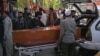
The announcement followed Russian media reports that several Tajik citizens were involved in the deadly attack, while unverified videos purportedly showed several suspects -- Tajik citizens -- being interrogated.

Earlier, the Federal Security Service (FSB) said the 11 suspects arrested in connection with the deadly attack at the Crocus City Hall in Krasnogorsk were foreigners but did not announce their identities.

The Tajik government, a close ally of Moscow, insists it has not received any "official information" from Russian authorities about Tajiks allegedly involved in the attack.

But Muhiddin Kabiri, the leader of the opposition Islamic Renaissance Party of Tajikistan (IRPT), says the opposition has information that several Tajik nationals and Tajik-Russian citizens took part in the massacre.

Kabiri blamed the Tajik government's authoritarian policies and crackdown on Islam for "radicalizing" some of its citizens. The IRPT -- which served in the government -- is banned in Tajikistan.

Russian lawmaker Aleksandr Khinshtein wrote on Telegram that Tajik passports were found inside the car the suspects allegedly used to flee before being caught by Russian police in the Bryansk region, about 340 kilometers southwest of Moscow.

Harsh Interrogation

Rajabalizoda, the man who was later charged with terrorism, appeared in two separate, unverified videos that show him confessing to have taken part in the Moscow attack. In graphic footage, Russian security officials are shown cutting off the man's ear.

Before-And-After Images Suggest Severe Abuse Of Moscow Terror Suspects
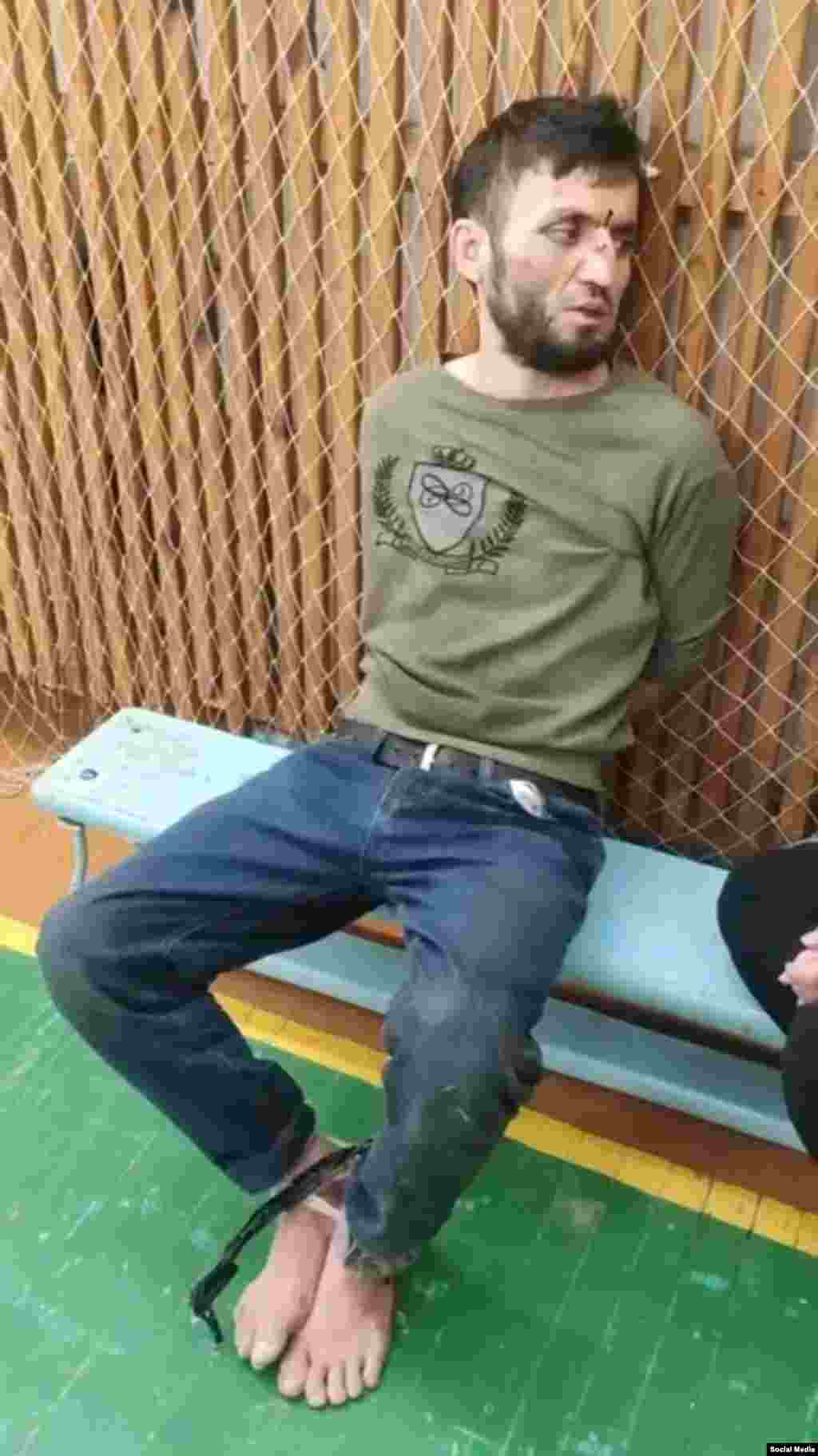
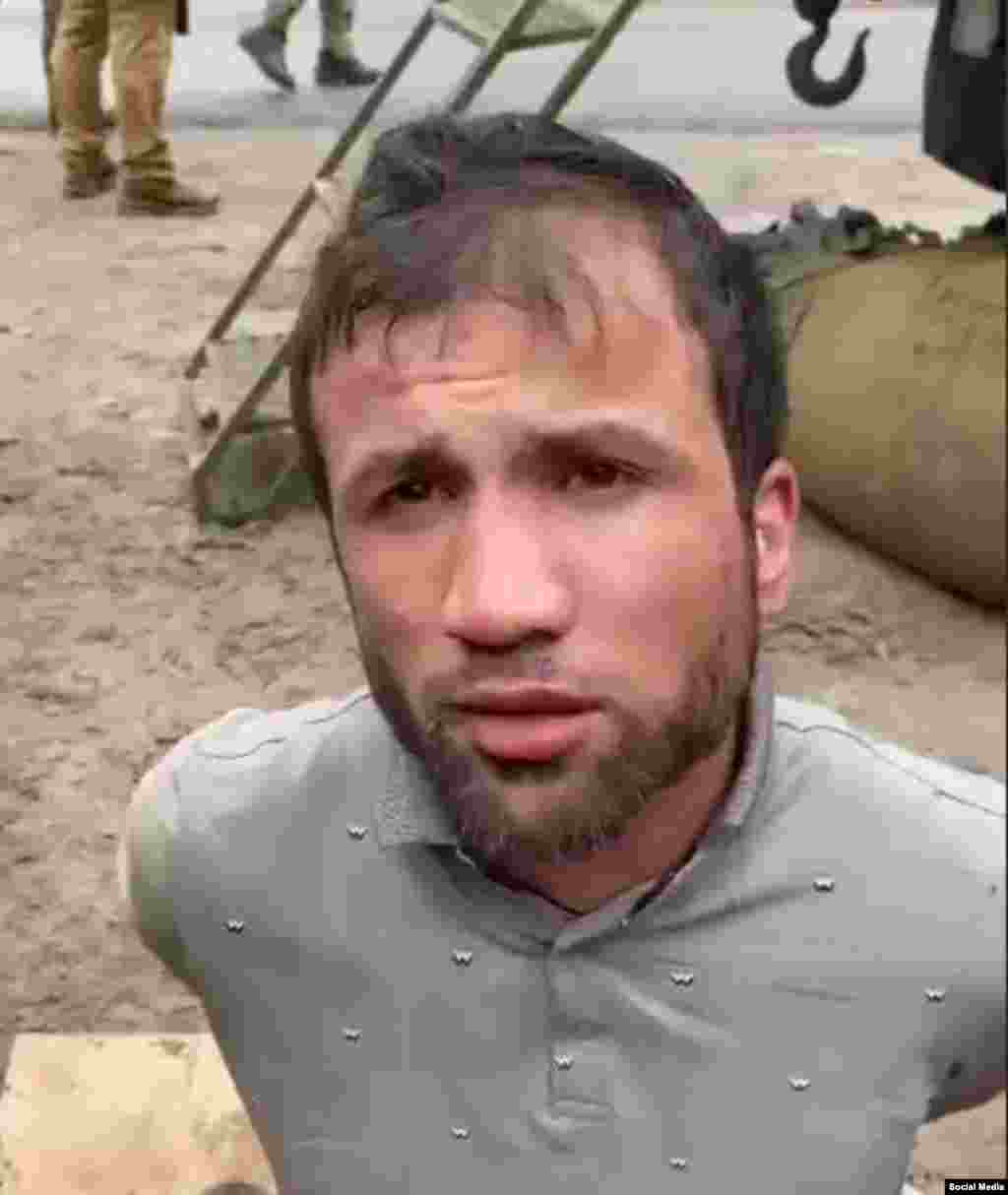
Dalerjon Mirzoev is seen immediately after his capture in the Bryansk region on March 23. He was captured on suspicion of being one of four Tajik nationals involved in the terrorist attack on a concert hall near Moscow on March 22 that left at least 137 dead and more than 180 injured.
1/8 Dalerjon Mirzoev is seen immediately after his capture in the Bryansk region on March 23. He was captured on suspicion of being one of four Tajik nationals involved in the terrorist attack on a concert hall near Moscow on March 22 that left at least 137 dead and more than 180 injured.
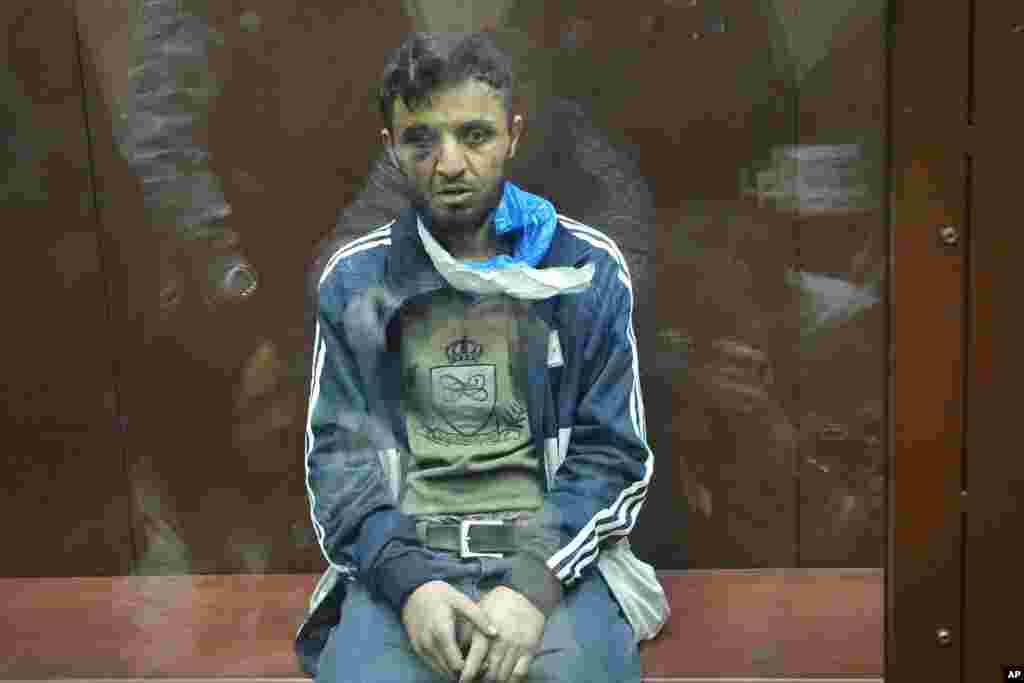
Images taken as four Tajik men suspected of committing the Crocus City Hall shooting near Moscow were apprehended in western Russia on March 23 are starkly different from how the men appeared -- battered and bruised -- in court the following day.
Here is Mirzoev pictured in court in Moscow on March 24 wearing the same long-sleeved T-shirt but sporting signs of being beaten.
2/8 Here is Mirzoev pictured in court in Moscow on March 24 wearing the same long-sleeved T-shirt but sporting signs of being beaten.
Images taken as four Tajik men suspected of committing the Crocus City Hall shooting near Moscow were apprehended in western Russia on March 23 are starkly different from how the men appeared -- battered and bruised -- in court the following day.
Faridun Shamsiddin is shown apparently unscathed immediately after his capture in the Bryansk region on March 23. 
3/8 Faridun Shamsiddin is shown apparently unscathed immediately after his capture in the Bryansk region on March 23. 
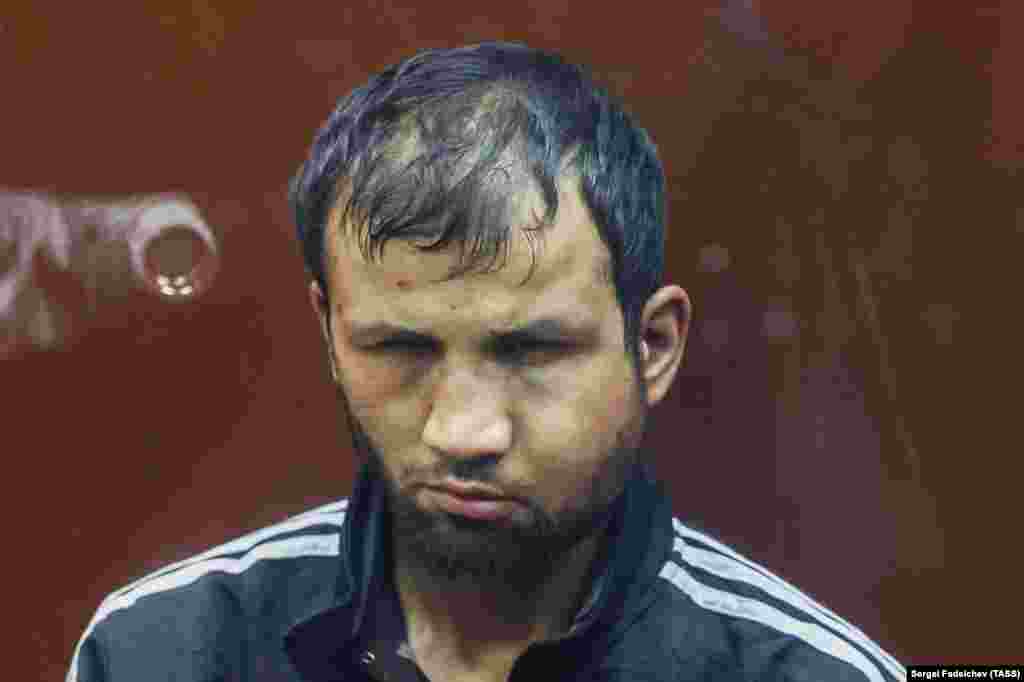
Images taken as four Tajik men suspected of committing the Crocus City Hall shooting near Moscow were apprehended in western Russia on March 23 are starkly different from how the men appeared -- battered and bruised -- in court the following day.
Shamsiddin is seen here pictured in court in Moscow on March 24 with a swollen and bruised face. Earlier, the Tajik man was filmed as he was apparently being tortured by security forces with an electrical cable attached to his genitals.<br />
<br />
Aiden Aslin, a British national who was captured by Russia while fighting for Ukraine during the battle of Mariupol, told RFE/RL that he believes the publication of apparent torture of the terror suspects is intended to &quot;set an example.&quot;<br />
<br />
The former Ukrainian marine says such abuse of suspects yet to be found guilty of any crime is at &quot;the same level&quot; as the extrajudicial violence he says he witnessed while in Russian captivity.&nbsp;
4/8 Shamsiddin is seen here pictured in court in Moscow on March 24 with a swollen and bruised face. Earlier, the Tajik man was filmed as he was apparently being tortured by security forces with an electrical cable attached to his genitals.

Aiden Aslin, a British national who was captured by Russia while fighting for Ukraine during the battle of Mariupol, told RFE/RL that he believes the publication of apparent torture of the terror suspects is intended to "set an example."

The former Ukrainian marine says such abuse of suspects yet to be found guilty of any crime is at "the same level" as the extrajudicial violence he says he witnessed while in Russian captivity. 
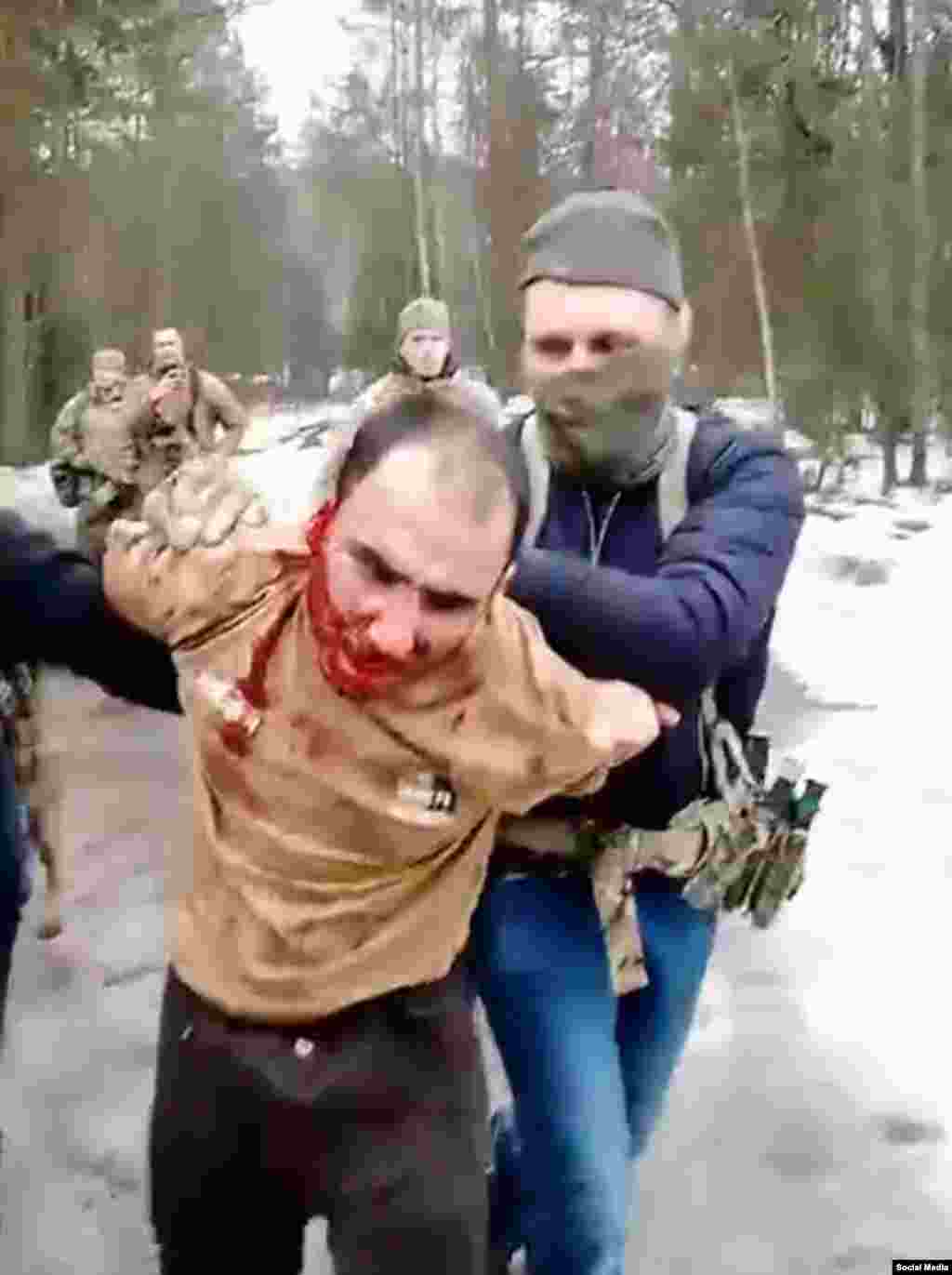
Images taken as four Tajik men suspected of committing the Crocus City Hall shooting near Moscow were apprehended in western Russia on March 23 are starkly different from how the men appeared -- battered and bruised -- in court the following day.
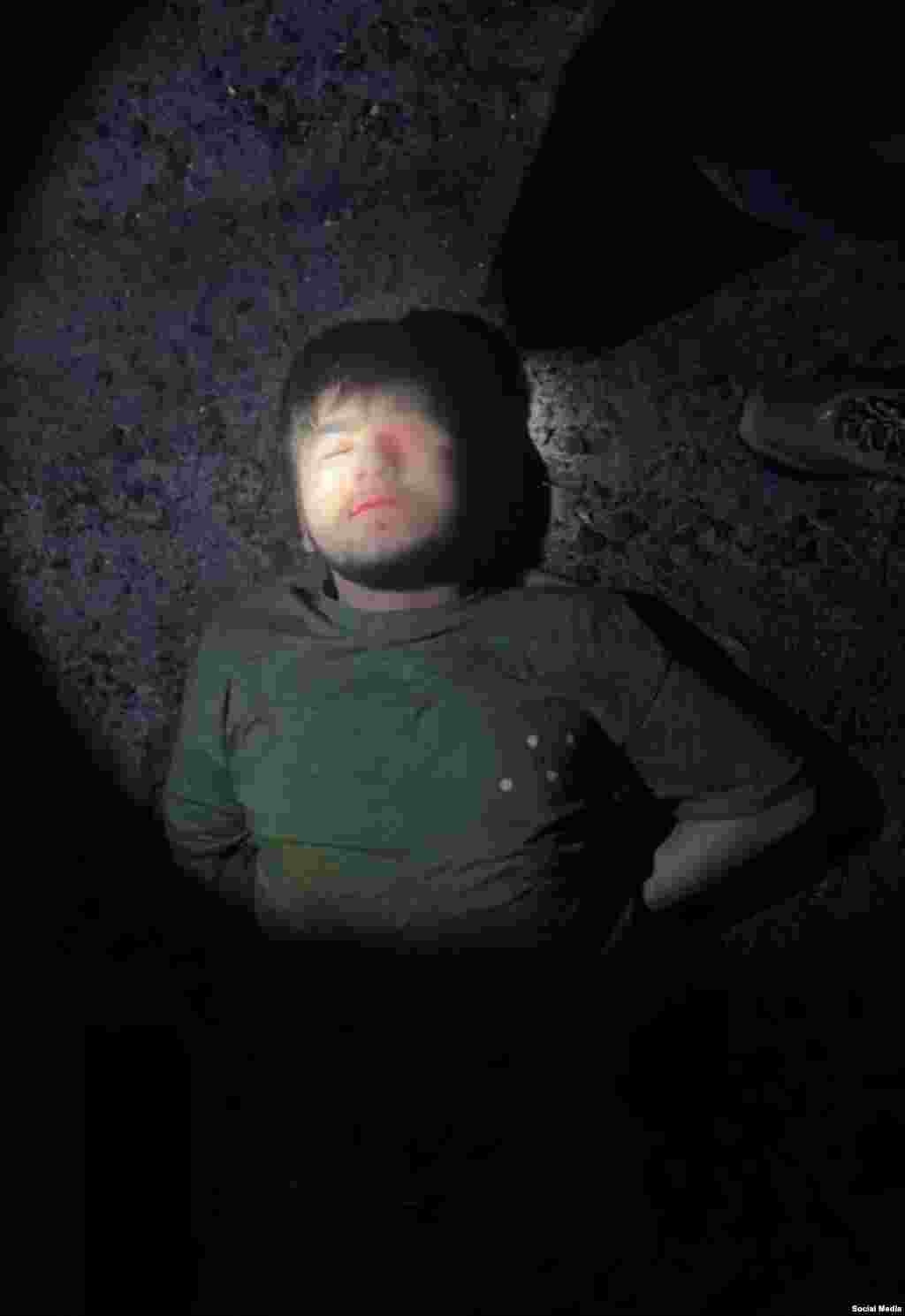
Saidakram Rajabalizoda is seen as he is led away after reportedly having his ear sliced off by uniformed men who caught him in a forest in Russia&#39;s Bryansk region on March 23.<br />
<br />
The Russian Grey Zone Telegram channel, which is connected to the Wagner group, published a video purportedly showing Rajabalizoda&rsquo;s ear being cut off and security agents trying to force him to eat it. A man in the video yells at the suspect: &ldquo;Chew, bastard! I will cut you open and shove it into your mouth.&rdquo;
5/8 Saidakram Rajabalizoda is seen as he is led away after reportedly having his ear sliced off by uniformed men who caught him in a forest in Russia's Bryansk region on March 23.

The Russian Grey Zone Telegram channel, which is connected to the Wagner group, published a video purportedly showing Rajabalizoda’s ear being cut off and security agents trying to force him to eat it. A man in the video yells at the suspect: “Chew, bastard! I will cut you open and shove it into your mouth.”
Images taken as four Tajik men suspected of committing the Crocus City Hall shooting near Moscow were apprehended in western Russia on March 23 are starkly different from how the men appeared -- battered and bruised -- in court the following day.
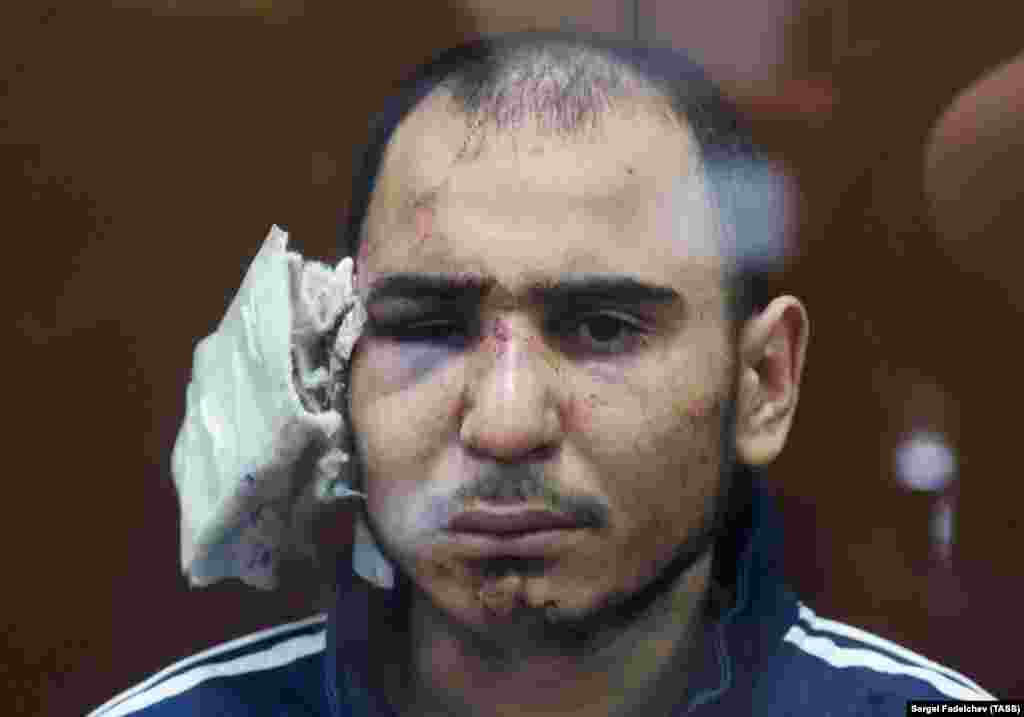
Rajabalizoda is seen at his March 24 court appearance with his right ear bandaged and showing evidence of being beaten while in detention.&nbsp;
6/8 Rajabalizoda is seen at his March 24 court appearance with his right ear bandaged and showing evidence of being beaten while in detention. 
Images taken as four Tajik men suspected of committing the Crocus City Hall shooting near Moscow were apprehended in western Russia on March 23 are starkly different from how the men appeared -- battered and bruised -- in court the following day.
Muhammadsobir Faizov is pictured after being apprehended on March 23 with an apparently severe eye injury that has been blurred out by Russian media outlets.
7/8 Muhammadsobir Faizov is pictured after being apprehended on March 23 with an apparently severe eye injury that has been blurred out by Russian media outlets.
Images taken as four Tajik men suspected of committing the Crocus City Hall shooting near Moscow were apprehended in western Russia on March 23 are starkly different from how the men appeared -- battered and bruised -- in court the following day.
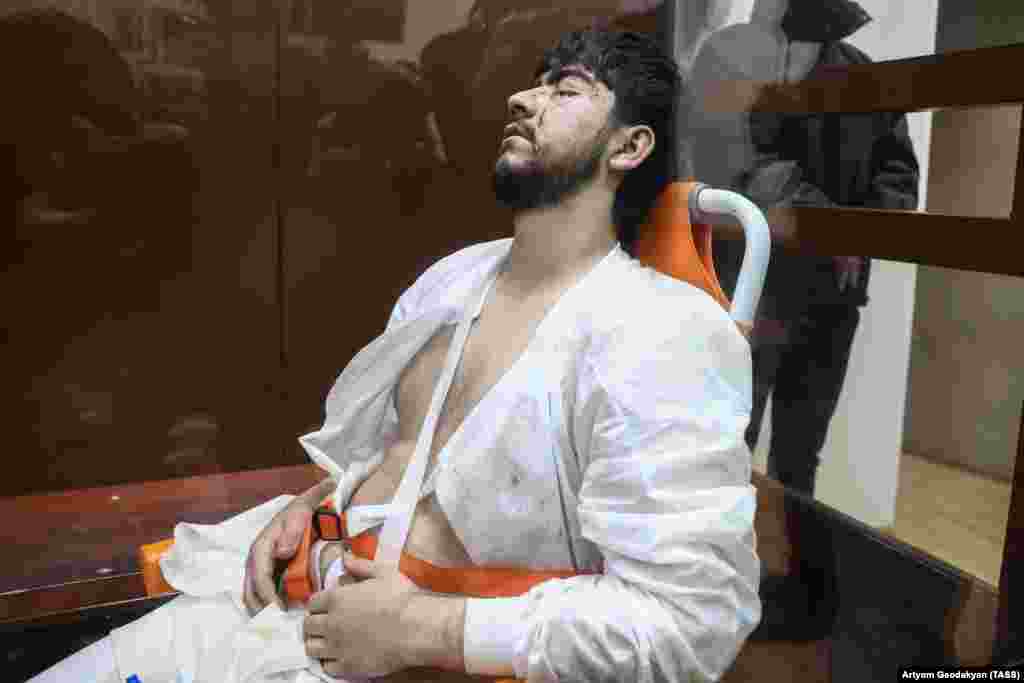
Faizov is seen here at a March 24 court hearing. The terror suspect was wheeled into the courtroom and appeared barely responsive during the appearance.&nbsp;
8/8 Faizov is seen here at a March 24 court hearing. The terror suspect was wheeled into the courtroom and appeared barely responsive during the appearance. 
Images taken as four Tajik men suspected of committing the Crocus City Hall shooting near Moscow were apprehended in western Russia on March 23 are starkly different from how the men appeared -- battered and bruised -- in court the following day.
Previous slide
Next slide


He is also shown with his head wrapped in a bandage and his face and T-shirt covered in blood. The man says he and other accomplices left their weapons "somewhere on the road" as they fled the scene of the attack. RFE/RL cannot verify the authenticity of the footage.

Another unverified video shows a handcuffed young man telling his interrogator that he was hired by unknown people via Telegram to "shoot at people" for money.
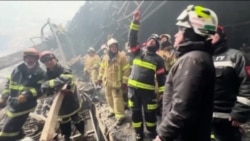
Why Would Islamic State Attack Russia?
please wait

No media source currently available

0:00 0:04:07 0:00


Speaking Russian with a Tajik accent, the man identified himself as Faridun Shamsiddin and said he was born in September 1998. He said he had been contacted by the "assistant of an [Islamic] preacher" whose lectures he had been listening to on Telegram.

According to Shamsiddin, the assistant offered him about 1 million rubles ($10,800) to kill people with provided weapons and told him the site of the attack.

The assistant gave no information about himself: "no name, no surname, nor anything else" he claimed, adding that "half of the money" had been transferred to him before the attack.

The face of the Russian-speaking interrogator and other men holding the suspect were not shown in the footage, which was widely circulated on Russian websites and social media on March 23 before appearing on state media outlets.

The authenticity of the video cannot be independently verified.

Shamsiddin and other suspects detained and shown in videos made no mention of the extremist Islamic State group, which claimed responsibility for the mass killings, or the Islamic State-Khorasan offshoot that has also been mentioned as possibly carrying out the attack.
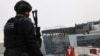
Another short video shows a third suspect -- an unidentified man speaking Tajik -- telling interrogators through a translator that he had been unemployed and looking for job when he befriended a man called Abdullo via Telegram "about 10 days ago."

The man said Abdullo offered to buy a car together with him so they could work as taxi drivers. Abdullo "was among us," the man said, though it's unclear if he was referring to the attack.

According to Russian media reports, the suspects detained in Bryansk also include Muhammadsobir Faizov, 19, who hails from the Tajik capital, Dushanbe.

Faizov was reportedly wounded before his arrest and was treated at a Bryansk hospital before being taken by Russian law enforcement.

Two accounts on the Russian social media platform VKontake were linked to Faizov, showing that he had worked at a barber shop in the Russian city of Ivanovo until November. It also showed that he subscribed to the social media accounts Islam My Life and I Love Islam and that he had shared posts about his religious beliefs.

The names of several other alleged Tajik nationals and their photos appeared on Russian websites as suspects in the attack.

Shohin Safolzoda, a 22-year-old native of the Tajik district of Faizobod, was among them. Little is known about Safolzoda or why he's alleged to have taken part in the attack.

Tajikistan's Interior Ministry very quickly rejected Russian media reports about the involvement in the attack of three Tajik nationals: Rivojiddin Ismonov, Mahmadrasul Nasriddinov, and Rustam Nazarov, saying in a statement on March 22 that two of the men were at home in Tajikistan at the time of the assault and a third was at work in the Russian city of Samara, several hundred kilometers from Moscow.

But the ministry has not commented on the others with Tajik names who were reportedly detained and interrogated on the videos.

Migrants In Russia Under Pressure

The reports and videos have added to anti-Tajik and anti-migrant sentiments that were already at high levels in Russia, home to millions of workers from Tajikistan and other former Soviet Central Asian countries.

A cafeteria run by Tajik migrants was set on fire in the Far East city of Blagoveshchensk, while three Tajiks were reportedly beaten in the western Russian city of Kaluga.

In several Russian cities, taxi service customers were reportedly canceling their order if the driver was Tajik.

Backlash against other Central Asians was also reported.

Dozens of Kyrgyz men were detained upon arrival at Sheremetyevo airport in Moscow on March 23 and held in rooms with beds, RFE/RL's Kyrgyz Service reported the next day. They said they had not received any food or water for nearly 24 hours and that women and children had been sent on flights back to Kyrgyzstan.

  • 16x9 Image

    Farangis Najibullah

    Farangis Najibullah is a senior correspondent for RFE/RL who has reported on a wide range of topics from Central Asia, including the impact of Russia’s invasion of Ukraine on the region. She has extensively covered efforts by Central Asian states to repatriate and reintegrate their citizens who joined Islamic State in Syria and Iraq.

  • 16x9 Image

    RFE/RL's Tajik Service

    RFE/RL’s Tajik Service is a trusted source of local news, attracting audiences with compelling reporting on issues not otherwise covered by Tajikistan’s state-run media.

This item is part of
XS
SM
MD
LG