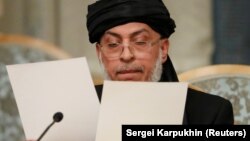
Sher Mohammad Abbas Stanikzai will lead the Taliban's delegation.
The Taliban says it will attend what it calls "intra-Afghan" talks in Moscow designed to bring together prominent Afghan figures, including former President Hamid Karzai, opposition figures, and tribal elders -- but no government officials.
The meeting is due to start on February 5 and last for two days. The Moscow-based Council of Afghan Society, an organization of the Afghan diaspora in Russia, said in a statement issued in Kabul on February 4 that it was the organizer of the meeting.
The Russian government has denied organizing the meeting, while the United States has made no comments so far about it.
It comes amid a renewed push aimed at resolving Afghanistan's 17-year war, a process that has accelerated since the appointment in September of Zalmay Khalilzad as U.S. peace envoy.
Suhail Shaheen, spokesman for the Taliban's political office in Qatar, confirmed the Taliban's participation. Their delegation is to be led by Sher Mohammad Abbas Stanikzai.
The Taliban has refused to talk to Afghan President Ashraf Ghani's government, which it views as a U.S. puppet.
Along with Karzai, the former president, many of the 38 delegates from Kabul have held prominent government positions.
Among them is potential presidential candidate Hanif Atmar, who resigned as Ghani's security adviser in August.
Hopes And Fears Of Young Afghans As Taliban Talks Advance
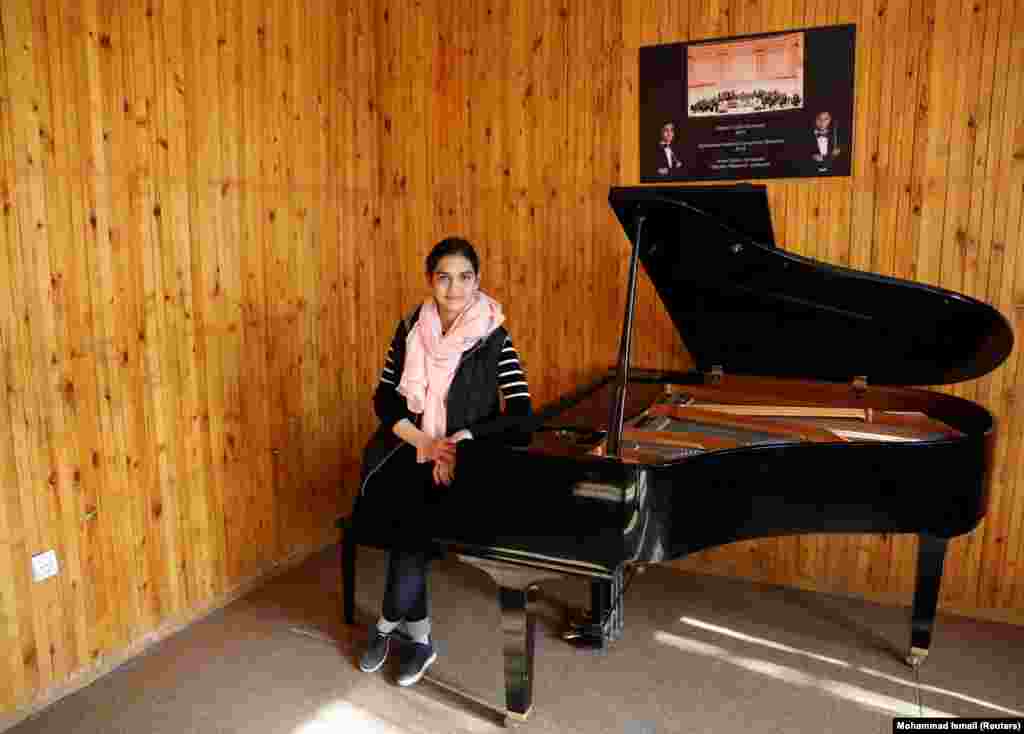
1/14Maram Atayee, 16, a pianist at the Afghan National Institute of Music, is concerned about a future role in government for the Taliban. "The thing I'm most worried about is that if they return, I won't be able to continue playing music."
This year the generation of Afghans born in 2001, when a U.S.-backed coalition toppled the Taliban, comes of age. As the United States engages in talks with the militants, young Afghans speak of their hopes and concerns for the future.
Show moreShow less
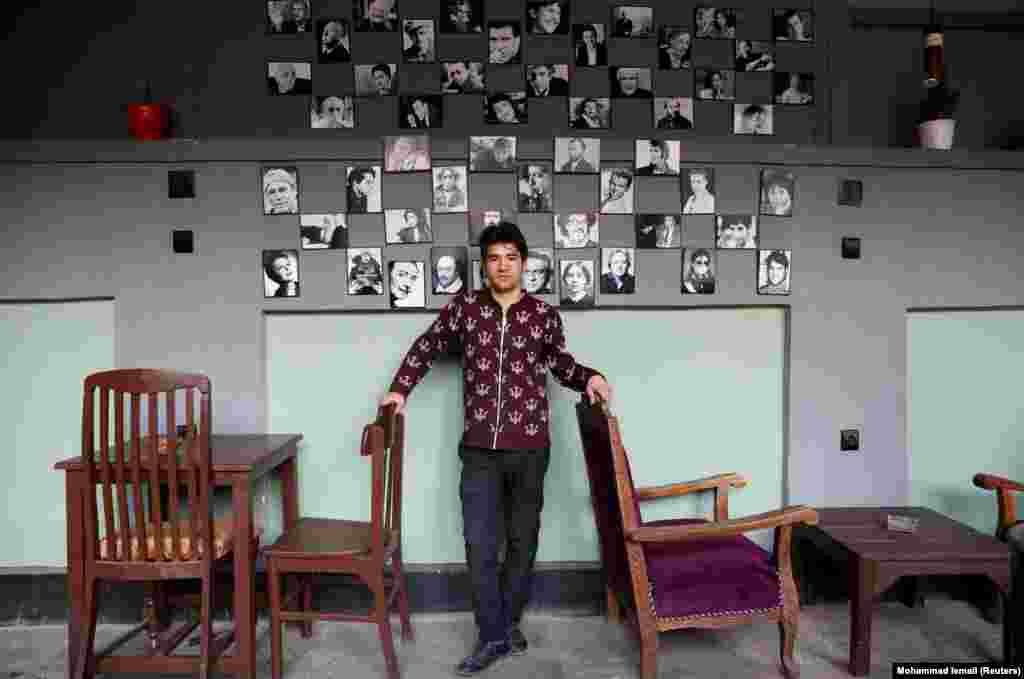
2/14Anosh Sarwari, 23, works in a coffee shop. "We are thirsty for peace. We want peace so people can run their businesses and live comfortably."
This year the generation of Afghans born in 2001, when a U.S.-backed coalition toppled the Taliban, comes of age. As the United States engages in talks with the militants, young Afghans speak of their hopes and concerns for the future.
Show moreShow less
3/14Doctor Mohammad Jawed Momand, 22. "Peace requires everyone to lay down their arms, and think about education and prosperity in our country."
This year the generation of Afghans born in 2001, when a U.S.-backed coalition toppled the Taliban, comes of age. As the United States engages in talks with the militants, young Afghans speak of their hopes and concerns for the future.
Show moreShow less
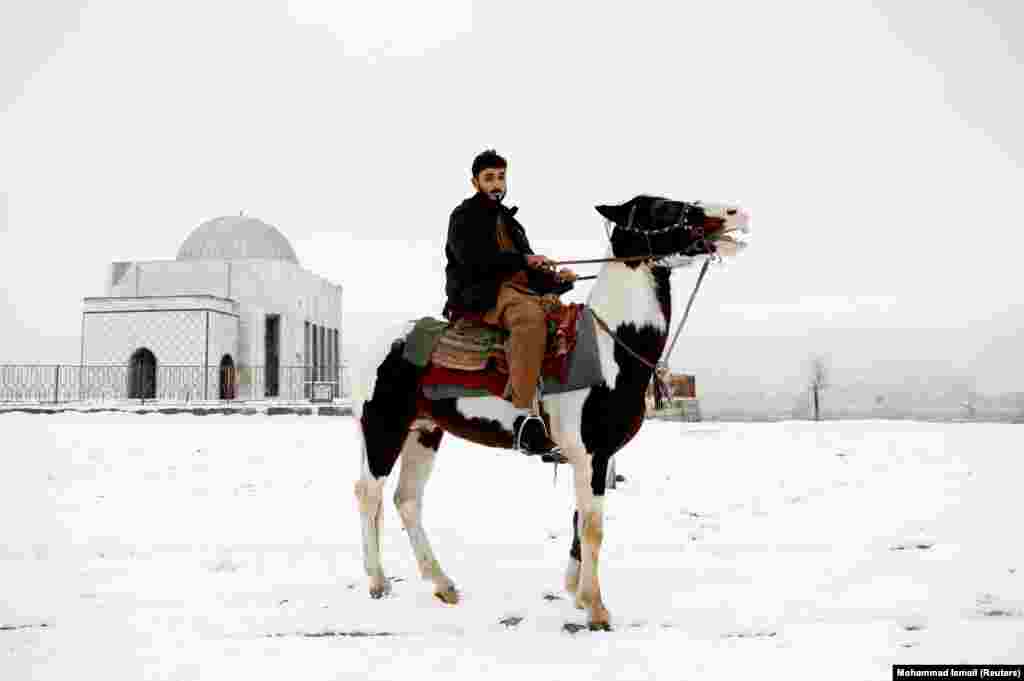
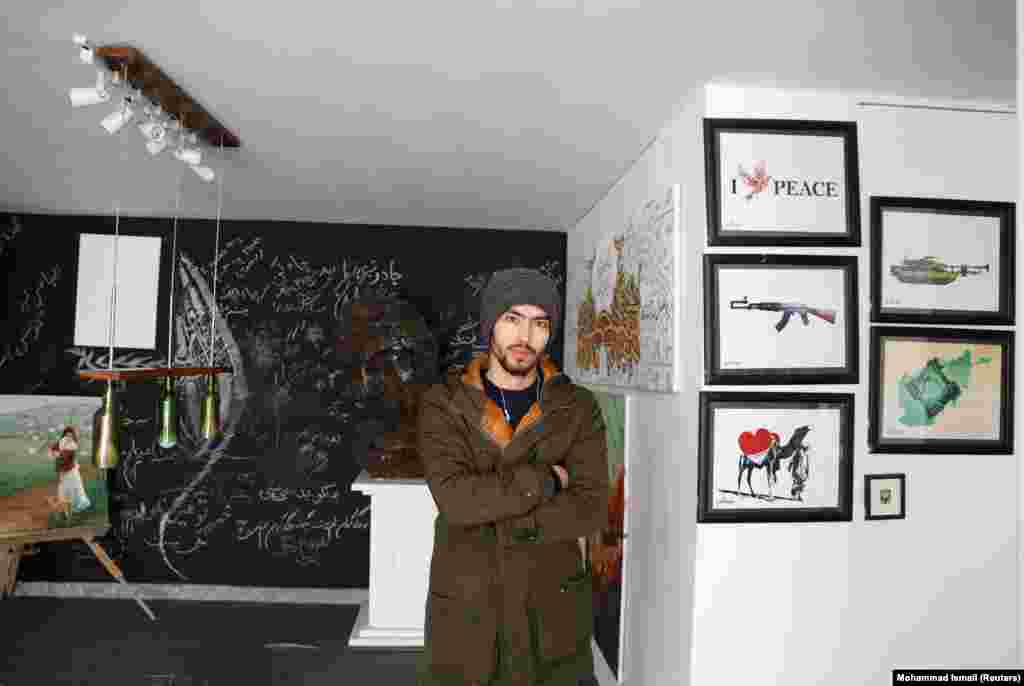
4/14Artist Mahdi Zahak, 25. "There is hope for peace. But the only way we can have peace is if they (the Taliban) accept the achievements made in this country in the past 17 years and let everyone enjoy their lives."
This year the generation of Afghans born in 2001, when a U.S.-backed coalition toppled the Taliban, comes of age. As the United States engages in talks with the militants, young Afghans speak of their hopes and concerns for the future.
Show moreShow less
5/14Kawsar Sherzad, 17, at her Thai boxing club in Kabul. "Afghan females have made a lot of achievements in sports. I am optimistic that the Taliban will accept these achievements."
This year the generation of Afghans born in 2001, when a U.S.-backed coalition toppled the Taliban, comes of age. As the United States engages in talks with the militants, young Afghans speak of their hopes and concerns for the future.
Show moreShow less
6/14Afghan model Omid Arman, 21. "Everyone has the desire for peace in this country. We've witnessed a lot of conflicts. It's enough, we don't want to be witnesses to any more tragedy."
This year the generation of Afghans born in 2001, when a U.S.-backed coalition toppled the Taliban, comes of age. As the United States engages in talks with the militants, young Afghans speak of their hopes and concerns for the future.
Show moreShow less
7/14Freelance journalist Zainab Farahmand, 22. "We will only welcome the Taliban if they accept democracy and its values."
This year the generation of Afghans born in 2001, when a U.S.-backed coalition toppled the Taliban, comes of age. As the United States engages in talks with the militants, young Afghans speak of their hopes and concerns for the future.
Show moreShow less
8/14Sultan Qasim Sayeedi, 18, scours social media to study fashion. "We're afraid that if the Taliban come, we will not be able to hold our shows." But he also says it's time the fighting ended. "If American troops go, peace will come."
This year the generation of Afghans born in 2001, when a U.S.-backed coalition toppled the Taliban, comes of age. As the United States engages in talks with the militants, young Afghans speak of their hopes and concerns for the future.
Show moreShow less
9/14Nadim Quraishi, 19, poses for a picture outside his game zone shop in Kabul. "We want to see an end to the current conflict in the country. We are hopeful for a lasting peace between the government and the Taliban."
This year the generation of Afghans born in 2001, when a U.S.-backed coalition toppled the Taliban, comes of age. As the United States engages in talks with the militants, young Afghans speak of their hopes and concerns for the future.
Show moreShow less
10/14Zarghona Haidari, 22, works at a book store. "I'm not very optimistic about peace. I don't think the Taliban will make a deal with the government."
This year the generation of Afghans born in 2001, when a U.S.-backed coalition toppled the Taliban, comes of age. As the United States engages in talks with the militants, young Afghans speak of their hopes and concerns for the future.
Show moreShow less
11/14Owner of a luxury clothes shop Sohail Ataie, 22. "We are tired of war. What we want is peace, to live a better life."
This year the generation of Afghans born in 2001, when a U.S.-backed coalition toppled the Taliban, comes of age. As the United States engages in talks with the militants, young Afghans speak of their hopes and concerns for the future.
Show moreShow less
12/14Farzad Aslami, 18, at a snooker club in Kabul. "We want peace for the sake of our country's welfare. We don't want any more suicide attacks and explosions."
This year the generation of Afghans born in 2001, when a U.S.-backed coalition toppled the Taliban, comes of age. As the United States engages in talks with the militants, young Afghans speak of their hopes and concerns for the future.
Show moreShow less
13/14Hairdresser Hussain, 19, at a hair salon in Kabul. "I am optimistic about the Taliban joining the peace process." Like many young Afghans, Hussain grew up in neighbouring Iran where millions have taken refuge. "I want the Taliban to change their policy and not behave like before."
This year the generation of Afghans born in 2001, when a U.S.-backed coalition toppled the Taliban, comes of age. As the United States engages in talks with the militants, young Afghans speak of their hopes and concerns for the future.
Show moreShow less
14/14Singer Wasim Anwari, 19, at the Afghan Star talent show at Tolo television studio in Kabul. "Without peace there is no hope for a better future."
This year the generation of Afghans born in 2001, when a U.S.-backed coalition toppled the Taliban, comes of age. As the United States engages in talks with the militants, young Afghans speak of their hopes and concerns for the future.
Show moreShow less
Previous slide
Next slide
Former Vice President Mohammad Yunus Qanuni and former Balkh provincial Governor Atta Mohammad Noor are also on the list of participants, along with former Taliban insurgents who reconciled with the Afghan government.
Khalilzad has been holding separate talks with the Taliban even as he presses for a dialogue that would bring together all key Afghan players.
Ghani's office criticized the meeting in Moscow, saying that Afghan politicians attending the gathering were doing so "in order to gain power."
Ghani's chief adviser, Fazel Fazly, tweeted that it was "regrettable."
RFE/RL journalists report the news in 24 languages in 18 countries where a free press is banned by the government or not fully established. We provide what many people cannot get locally: uncensored news, responsible discussion, and open debate.