We know that rferl.orgisn't the only website you read, and it's possible that you may have missed some of our most interesting journalism from the past week. To make sure you're up-to-date, here are some of the highlights produced by RFE/RL's team of correspondents, multimedia editors, and visual journalists over the past seven days.
The Escort And The Oligarch: 'Nastya Rybka' Goes From Accusation To Apology
A 28-year-old Belarusian escort who said she had evidence of Russian interference in the 2016 U.S. presidential election appears to have rowed back from her claims, in her first interview since being released from detention in Moscow. Anastasia Vashukevich, also known as Nastya Rybka, gained global notoriety and spent nearly a year in a Thai prison after saying she had recordings of Russian oligarch Oleg Deripaska discussing the election on his yacht in 2016. By Current Time and Ray Furlong
The French Connection: Donbas Fighters Don Yellow Vests
French citizens who joined Russia-backed separatists in eastern Ukraine have now resurfaced among the Yellow Vest protesters in Paris. By Ray Furlong, Levko Stek, and RFE/RL's Ukrainian Service
A Tajik who says he wants to shake up the political system and run for president is told he should undergo a psychiatric assessment. By Farangis Najibullah and Mumin Ahmadi
A senior member of Iran's Society of Veterinarians says a ban on walking dogs in Tehran is likely to have negative consequences and lead to the spread of diseases. By Mohammad Zarghami
February 1979: Ayatollah Khomeini Returns To Iran From Exile
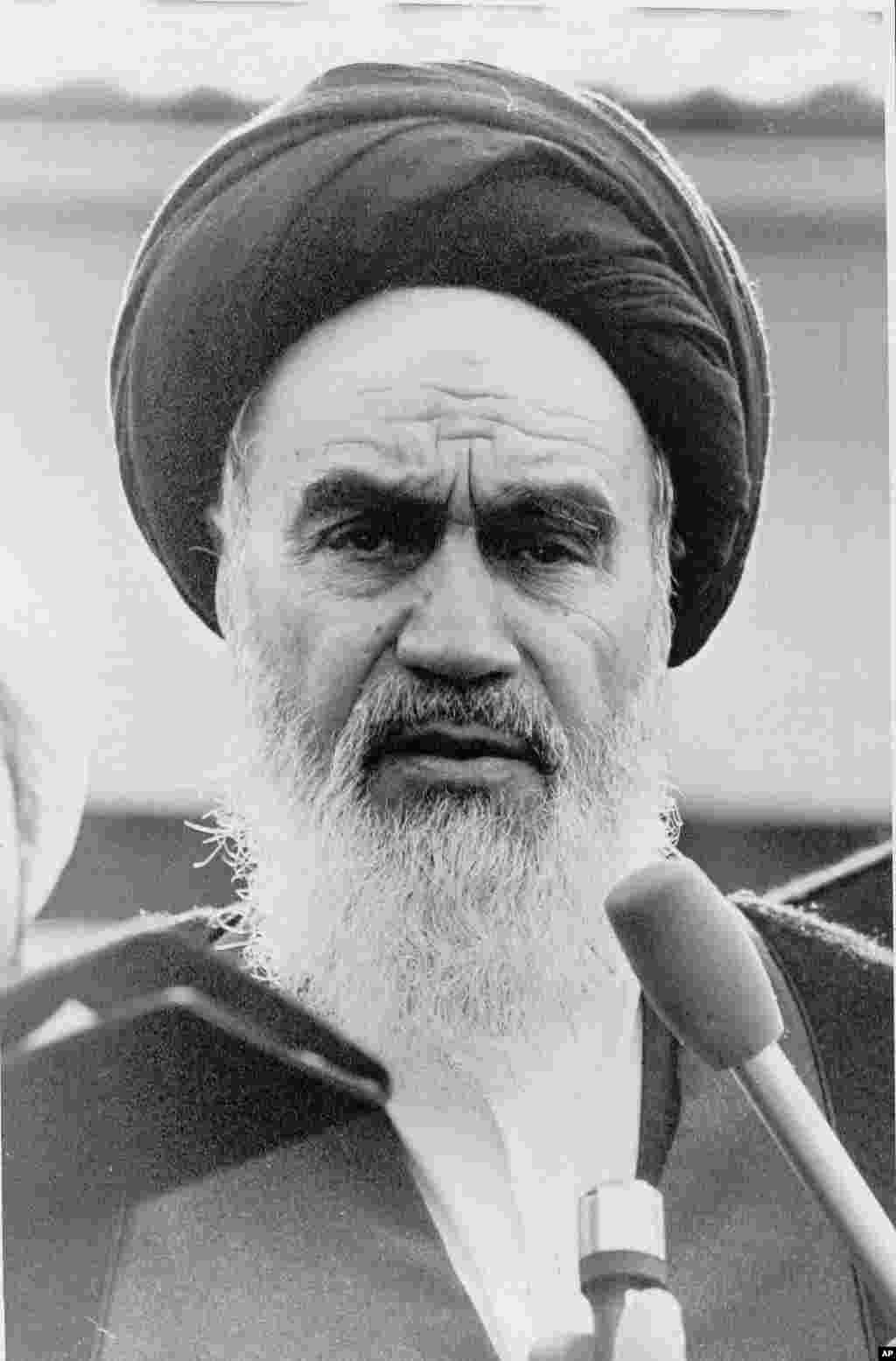
1/14Ayatollah Ruhollah Khomeini, Iran's exiled religious leader, speaks on January 25, 1979, at a news conference following morning prayers in Paris. Through an interpreter, he told international journalists that he was postponing his return to Tehran because of the Iranian Army's closure of the airports.
The return of Ayatollah Ruhollah Khomeini to Iran on February 1, 1979, marked a turning point in Iranian history. Millions of followers turned out in Tehran to greet Khomeini as he arrived from Paris, where he had spent 14 years in exile as an outlawed cleric. Iran's ruler at the time, Shah Mohammad Reza Pahlavi, had fled the country two weeks before Khomeini came back. In March, Khomeini led the drafting of a constitution for the renamed Islamic Republic of Iran. He was officially installed as supreme leader after a referendum in November 1979.
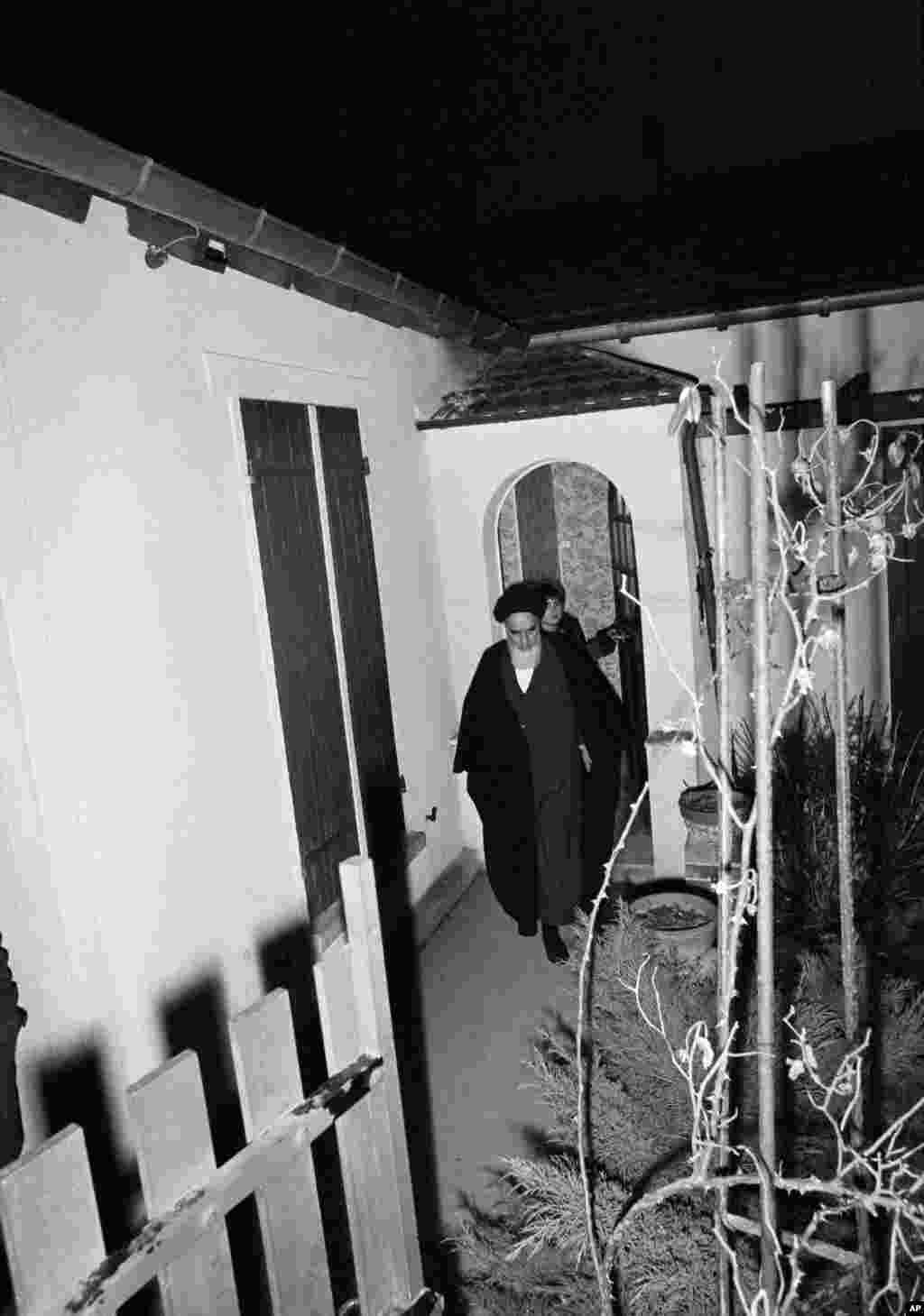
2/14Khomeini leaves his residence in suburban Neauphle-le-Chateau for an evening prayer, just hours before leaving for Charles de Gaulle Airport in Paris on January 31, 1979.
The return of Ayatollah Ruhollah Khomeini to Iran on February 1, 1979, marked a turning point in Iranian history. Millions of followers turned out in Tehran to greet Khomeini as he arrived from Paris, where he had spent 14 years in exile as an outlawed cleric. Iran's ruler at the time, Shah Mohammad Reza Pahlavi, had fled the country two weeks before Khomeini came back. In March, Khomeini led the drafting of a constitution for the renamed Islamic Republic of Iran. He was officially installed as supreme leader after a referendum in November 1979.
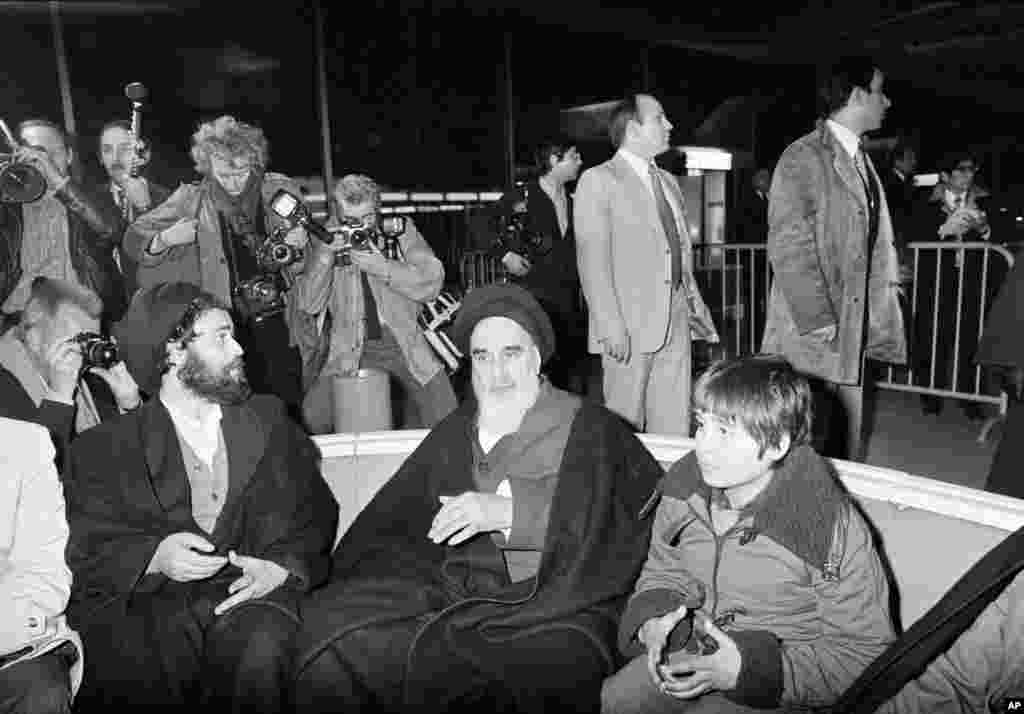
3/14Khomeini talks briefly with reporters at Charles de Gaulle Airport in Paris, January 31, 1979, minutes before boarding a chartered airplane which was to fly him back to Iran after 14 years exile. His grandson is seen at his side.
The return of Ayatollah Ruhollah Khomeini to Iran on February 1, 1979, marked a turning point in Iranian history. Millions of followers turned out in Tehran to greet Khomeini as he arrived from Paris, where he had spent 14 years in exile as an outlawed cleric. Iran's ruler at the time, Shah Mohammad Reza Pahlavi, had fled the country two weeks before Khomeini came back. In March, Khomeini led the drafting of a constitution for the renamed Islamic Republic of Iran. He was officially installed as supreme leader after a referendum in November 1979.
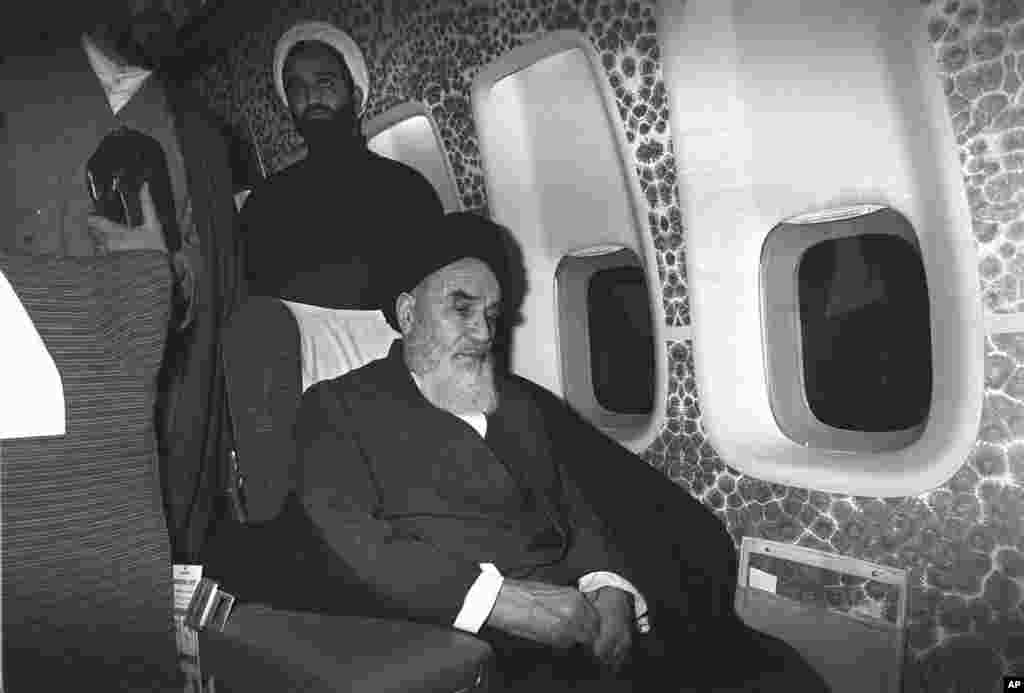
4/14Khomeini sits inside the chartered airplane which was to fly him back to Iran.
The return of Ayatollah Ruhollah Khomeini to Iran on February 1, 1979, marked a turning point in Iranian history. Millions of followers turned out in Tehran to greet Khomeini as he arrived from Paris, where he had spent 14 years in exile as an outlawed cleric. Iran's ruler at the time, Shah Mohammad Reza Pahlavi, had fled the country two weeks before Khomeini came back. In March, Khomeini led the drafting of a constitution for the renamed Islamic Republic of Iran. He was officially installed as supreme leader after a referendum in November 1979.
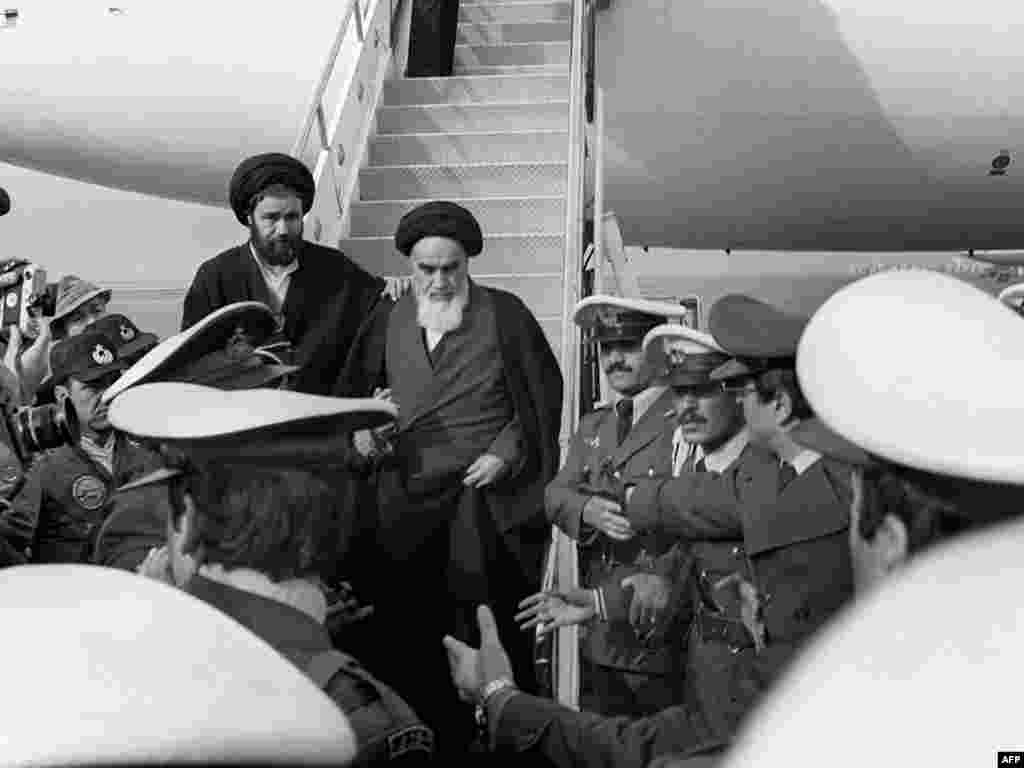
5/14Khomeini leaving the jet in Tehran on February 1, 1979. Some 120 journalists accompanied him on the flight from Paris.
The return of Ayatollah Ruhollah Khomeini to Iran on February 1, 1979, marked a turning point in Iranian history. Millions of followers turned out in Tehran to greet Khomeini as he arrived from Paris, where he had spent 14 years in exile as an outlawed cleric. Iran's ruler at the time, Shah Mohammad Reza Pahlavi, had fled the country two weeks before Khomeini came back. In March, Khomeini led the drafting of a constitution for the renamed Islamic Republic of Iran. He was officially installed as supreme leader after a referendum in November 1979.
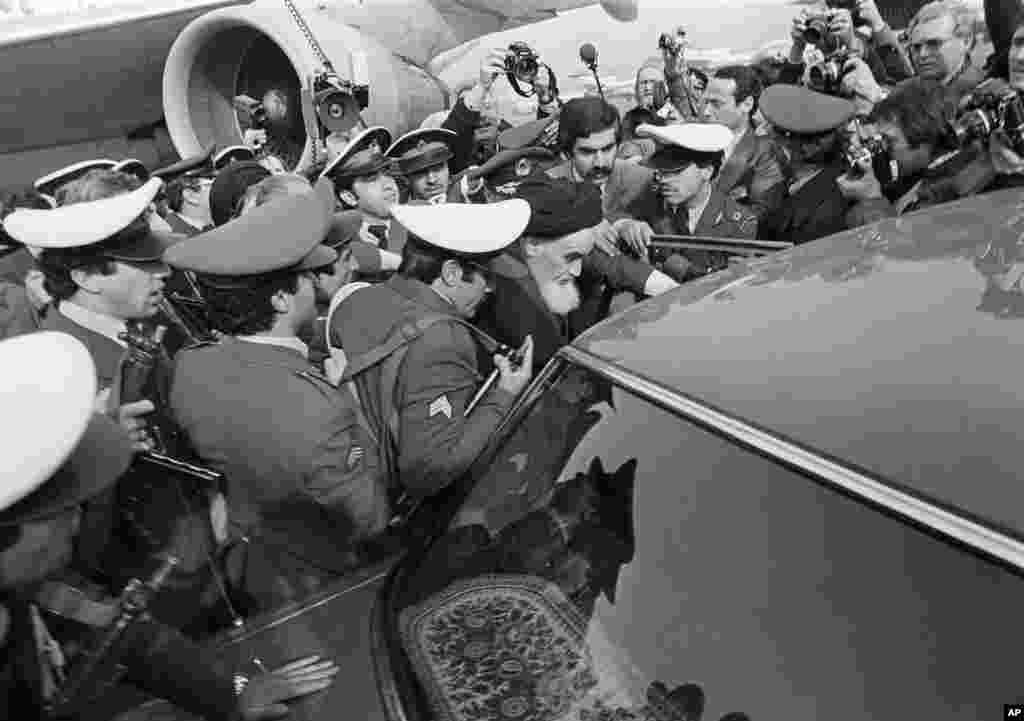
6/14Khomeini has a heavy escort as he tries to leave the airport for his ride through Tehran to Behesht-e Zahra cemetery.
The return of Ayatollah Ruhollah Khomeini to Iran on February 1, 1979, marked a turning point in Iranian history. Millions of followers turned out in Tehran to greet Khomeini as he arrived from Paris, where he had spent 14 years in exile as an outlawed cleric. Iran's ruler at the time, Shah Mohammad Reza Pahlavi, had fled the country two weeks before Khomeini came back. In March, Khomeini led the drafting of a constitution for the renamed Islamic Republic of Iran. He was officially installed as supreme leader after a referendum in November 1979.
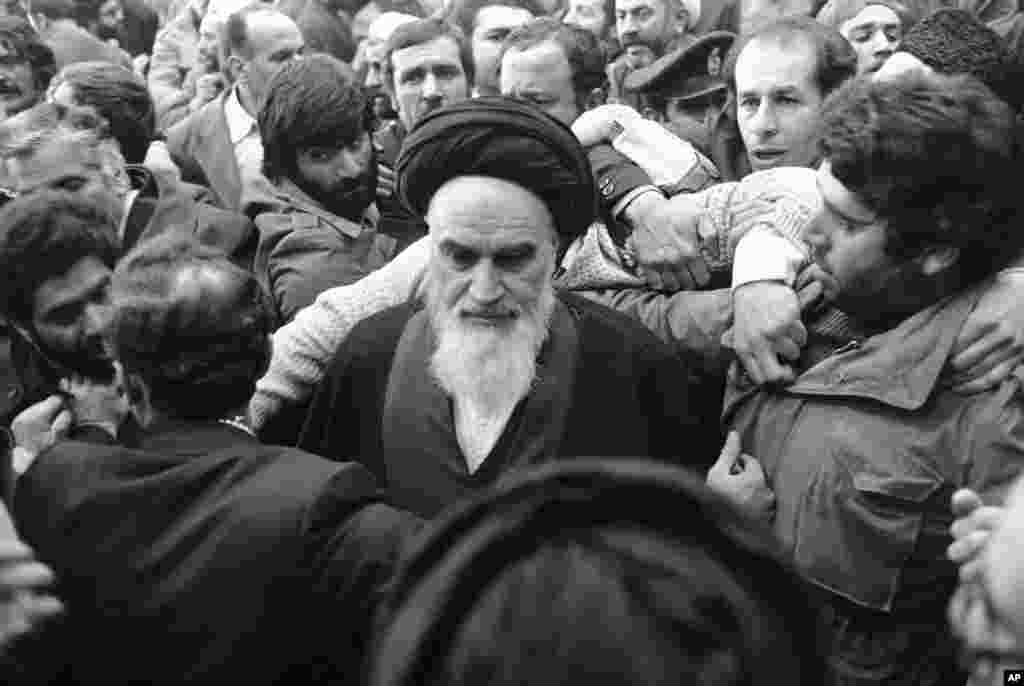
7/14Khomeini is thronged by his supporters at Tehran's airport.
The return of Ayatollah Ruhollah Khomeini to Iran on February 1, 1979, marked a turning point in Iranian history. Millions of followers turned out in Tehran to greet Khomeini as he arrived from Paris, where he had spent 14 years in exile as an outlawed cleric. Iran's ruler at the time, Shah Mohammad Reza Pahlavi, had fled the country two weeks before Khomeini came back. In March, Khomeini led the drafting of a constitution for the renamed Islamic Republic of Iran. He was officially installed as supreme leader after a referendum in November 1979.
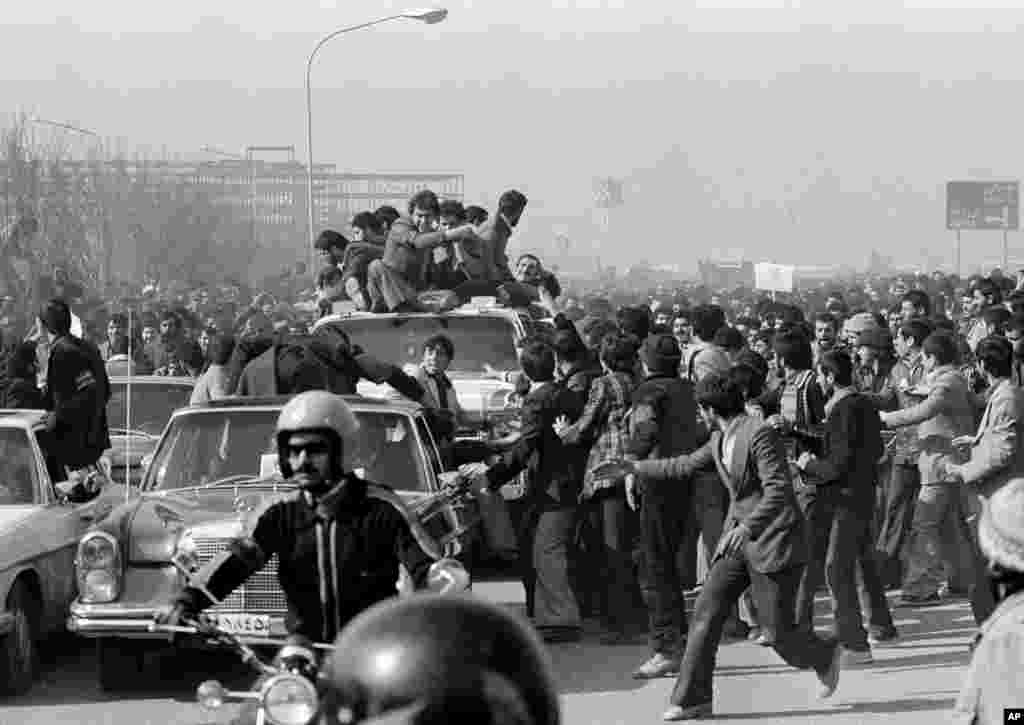
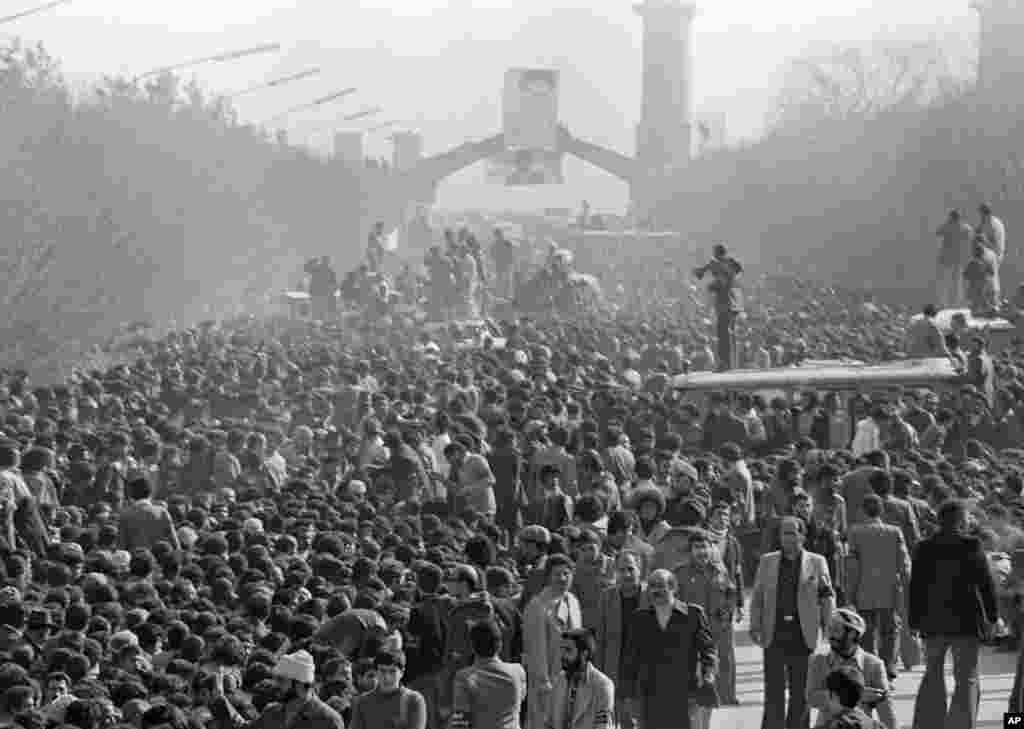
8/14Supporters lined the streets for Khomeini's motorcade to Behesht-e Zahra cemetery.
The return of Ayatollah Ruhollah Khomeini to Iran on February 1, 1979, marked a turning point in Iranian history. Millions of followers turned out in Tehran to greet Khomeini as he arrived from Paris, where he had spent 14 years in exile as an outlawed cleric. Iran's ruler at the time, Shah Mohammad Reza Pahlavi, had fled the country two weeks before Khomeini came back. In March, Khomeini led the drafting of a constitution for the renamed Islamic Republic of Iran. He was officially installed as supreme leader after a referendum in November 1979.
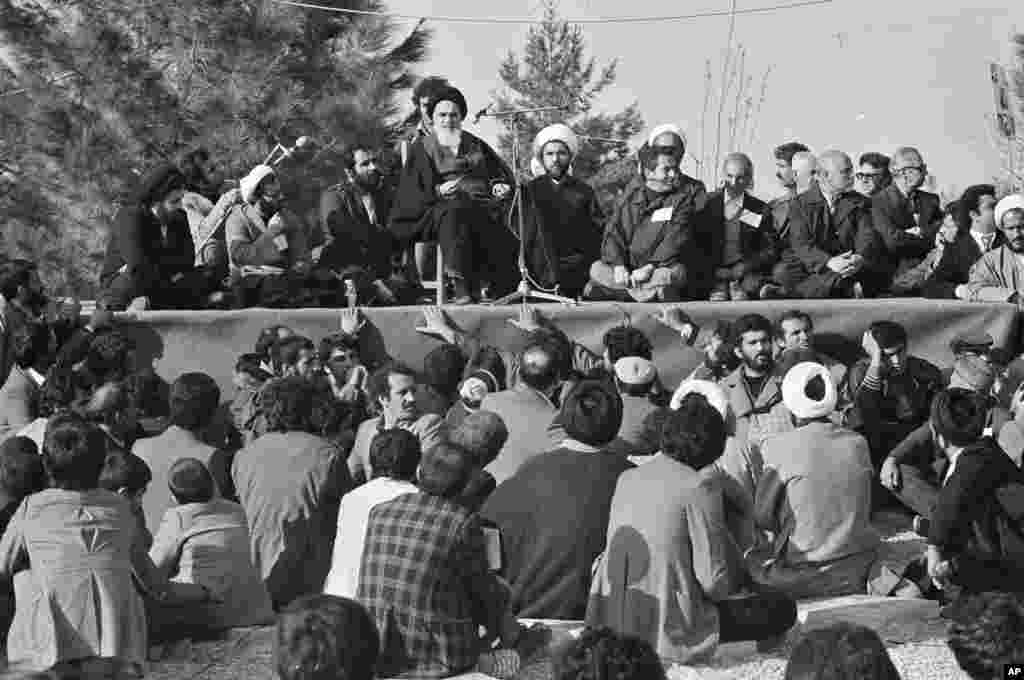
9/14Khomeini gives his speech at the Behesht-e Zahra cemetery after his return from exile.
The return of Ayatollah Ruhollah Khomeini to Iran on February 1, 1979, marked a turning point in Iranian history. Millions of followers turned out in Tehran to greet Khomeini as he arrived from Paris, where he had spent 14 years in exile as an outlawed cleric. Iran's ruler at the time, Shah Mohammad Reza Pahlavi, had fled the country two weeks before Khomeini came back. In March, Khomeini led the drafting of a constitution for the renamed Islamic Republic of Iran. He was officially installed as supreme leader after a referendum in November 1979.
10/14A crowd listens to Khomeini address them at Behesht-e Zahra cemetery. An estimated five million people gathered in Tehran to show support.
The return of Ayatollah Ruhollah Khomeini to Iran on February 1, 1979, marked a turning point in Iranian history. Millions of followers turned out in Tehran to greet Khomeini as he arrived from Paris, where he had spent 14 years in exile as an outlawed cleric. Iran's ruler at the time, Shah Mohammad Reza Pahlavi, had fled the country two weeks before Khomeini came back. In March, Khomeini led the drafting of a constitution for the renamed Islamic Republic of Iran. He was officially installed as supreme leader after a referendum in November 1979.
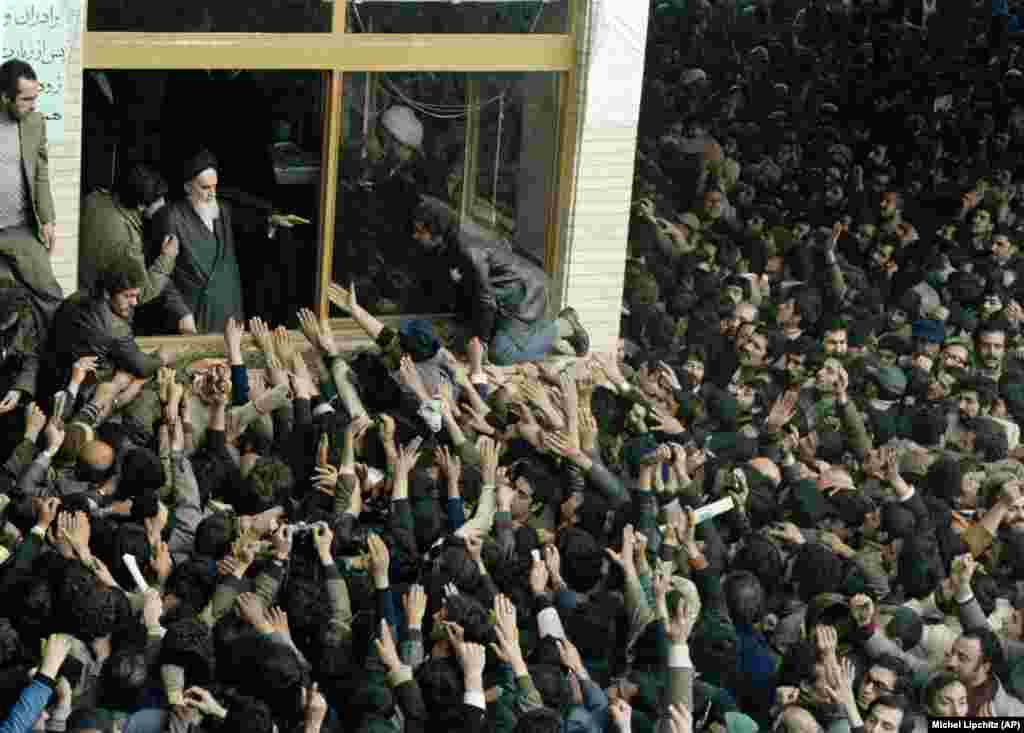
11/14Khomeini waves to followers as he appears on the balcony of his headquarters in Tehran on February 2, 1979.
The return of Ayatollah Ruhollah Khomeini to Iran on February 1, 1979, marked a turning point in Iranian history. Millions of followers turned out in Tehran to greet Khomeini as he arrived from Paris, where he had spent 14 years in exile as an outlawed cleric. Iran's ruler at the time, Shah Mohammad Reza Pahlavi, had fled the country two weeks before Khomeini came back. In March, Khomeini led the drafting of a constitution for the renamed Islamic Republic of Iran. He was officially installed as supreme leader after a referendum in November 1979.
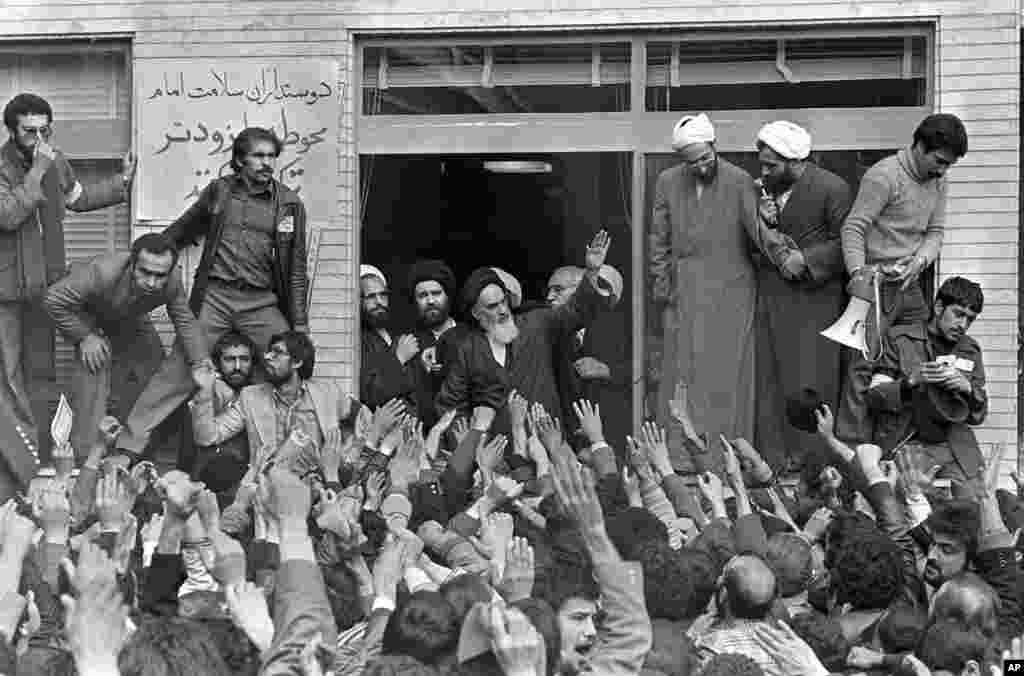
12/14Khomeini addresses crowds with his son Ahmad on February 4, 1979.
The return of Ayatollah Ruhollah Khomeini to Iran on February 1, 1979, marked a turning point in Iranian history. Millions of followers turned out in Tehran to greet Khomeini as he arrived from Paris, where he had spent 14 years in exile as an outlawed cleric. Iran's ruler at the time, Shah Mohammad Reza Pahlavi, had fled the country two weeks before Khomeini came back. In March, Khomeini led the drafting of a constitution for the renamed Islamic Republic of Iran. He was officially installed as supreme leader after a referendum in November 1979.
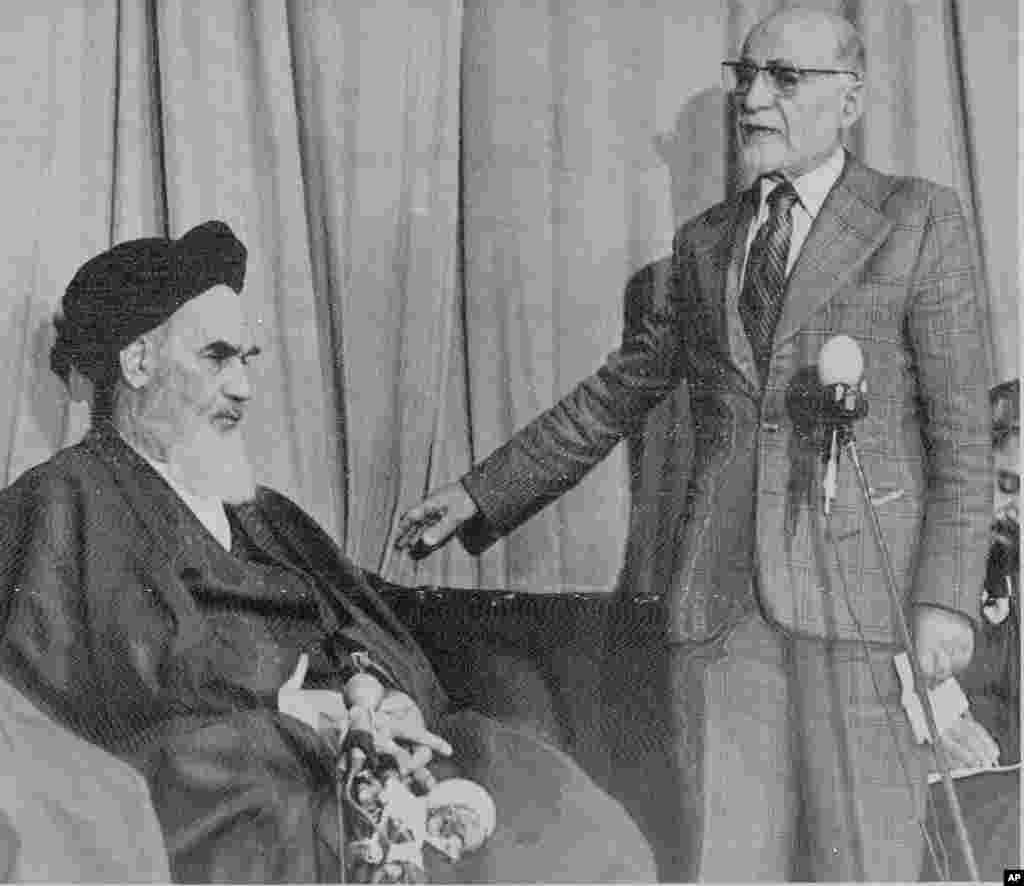
13/14Mehdi Bazargan, newly named Prime Minister of a provisional government in Iran, right, speaks with Khomeini on February 5, 1979.
The return of Ayatollah Ruhollah Khomeini to Iran on February 1, 1979, marked a turning point in Iranian history. Millions of followers turned out in Tehran to greet Khomeini as he arrived from Paris, where he had spent 14 years in exile as an outlawed cleric. Iran's ruler at the time, Shah Mohammad Reza Pahlavi, had fled the country two weeks before Khomeini came back. In March, Khomeini led the drafting of a constitution for the renamed Islamic Republic of Iran. He was officially installed as supreme leader after a referendum in November 1979.
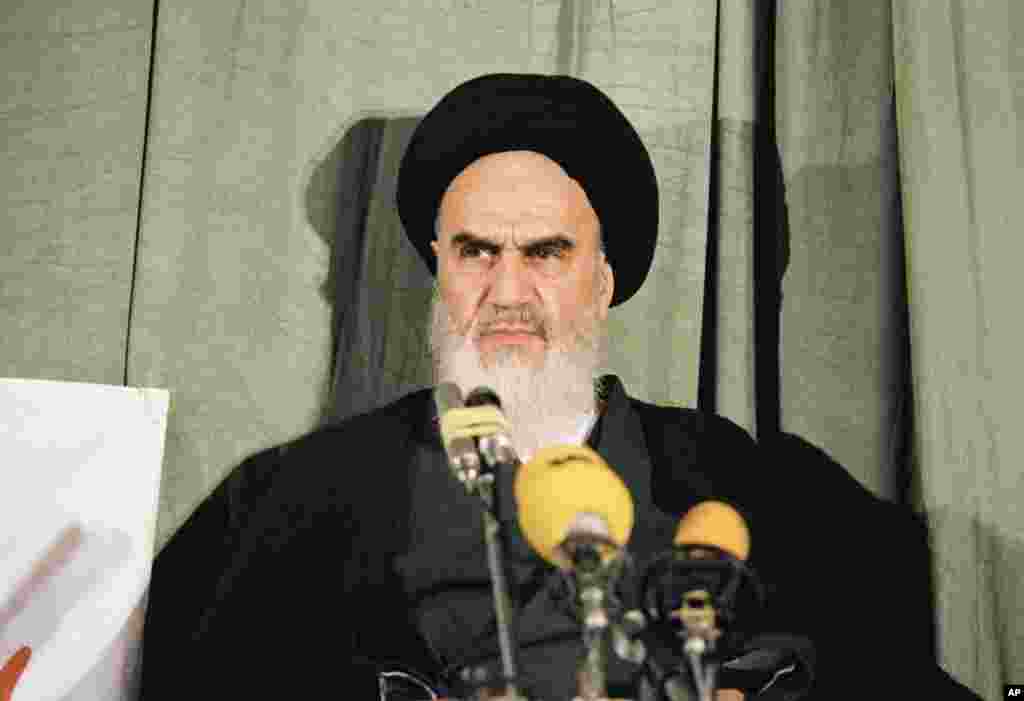
14/14Khomeini holds a news conference in Tehran on February 5, 1979.
The return of Ayatollah Ruhollah Khomeini to Iran on February 1, 1979, marked a turning point in Iranian history. Millions of followers turned out in Tehran to greet Khomeini as he arrived from Paris, where he had spent 14 years in exile as an outlawed cleric. Iran's ruler at the time, Shah Mohammad Reza Pahlavi, had fled the country two weeks before Khomeini came back. In March, Khomeini led the drafting of a constitution for the renamed Islamic Republic of Iran. He was officially installed as supreme leader after a referendum in November 1979.
The return of Ayatollah Ruhollah Khomeini to Iran on February 1, 1979, marked a turning point in Iranian history. Millions of followers turned out in Tehran to greet Khomeini as he arrived from Paris, where he had spent 14 years in exile as an outlawed cleric.
Locals 'Cough Up A Lung' As Toxic Cloud Hangs Over Russian Town
Residents in the Russian town of Sibay say they are suffering respiratory problems from clouds of sulfur dioxide that are billowing from an old copper quarry. By Current time and Stuart Greer
A top Ukrainian soccer player's decision to move to an elite team in Russia has not only triggered anger in Ukraine, but highlighted the dire state of the game there. By Tony Wesolowsky
'Iron Lilya': Human Rights Defender Challenges Authority In Crimea
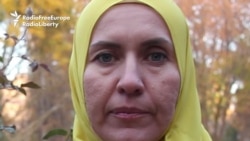
Human rights lawyer Lilya Gemedzhi defends Crimean Tatars against persecution in Russian-annexed Crimea. Wearing a hijab in court, she is a rare sight, and a hero to her clients and her four children. By the Crimea Desk of RFE/RL's Ukrainian Service and John Mastrini
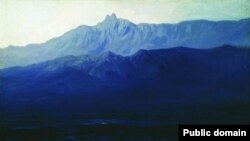
A suspect has been detained in the theft of a 20th-century painting by a Russian artist from Moscow's Tretyakov Gallery and the artwork has been recovered, officials say. By RFE/RL's Russian Service
A Nurse In Rural Russia Walks To Work -- 12 Kilometers Each Way
Nurse Sagilya Nigmatullina walks 48 kilometers a week so that she can tend to patients in the remote village of Pervomayka, in the Russian region of Chelyabinsk. She earns just $150 a month but says the walk is good for her and that she's never thought of quitting. By Current Time and Neil Bowdler
RFE/RL journalists report the news in 24 languages in 18 countries where a free press is banned by the government or not fully established. We provide what many people cannot get locally: uncensored news, responsible discussion, and open debate.