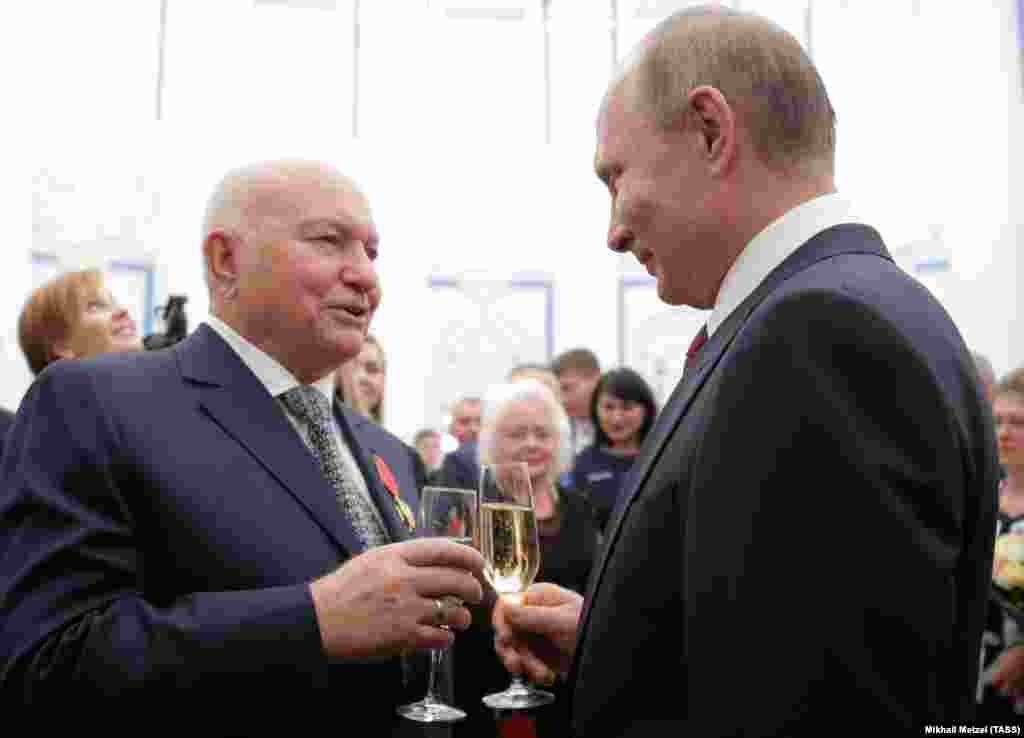
Russian President Vladimir Putin (left) speaks with former Moscow Mayor Yury Luzhkov after awarding him during a ceremony at the Kremlin in Moscow in September 2016.
MOSCOW -- Former Moscow Mayor Yury Luzhkov, who led the capital for almost two decades and oversaw its post-Soviet transformation, has died at the age of 83.
Timur Shogenov, Luzhkov's aide, said that the former Moscow mayor died on December 10 in a hospital in Munich.
He gave no details but local media reported that Luzhkov, a political heavyweight of the Boris Yeltsin era, underwent heart surgery that was initially considered successful but died afterward due to complications.
The Russian Embassy in Berlin said it was in contact with representatives of the family and assisting in the preparation of documents as it resolves the issue of repatriating Luzhkov’s body.
"Luzhkov was … the real 'mayor' of the capital, who was respected and trusted by Muscovites," President Vladimir Putin said in a statement.
In Photographs: Yury Luzhkov, The Man Who Rebuilt Moscow
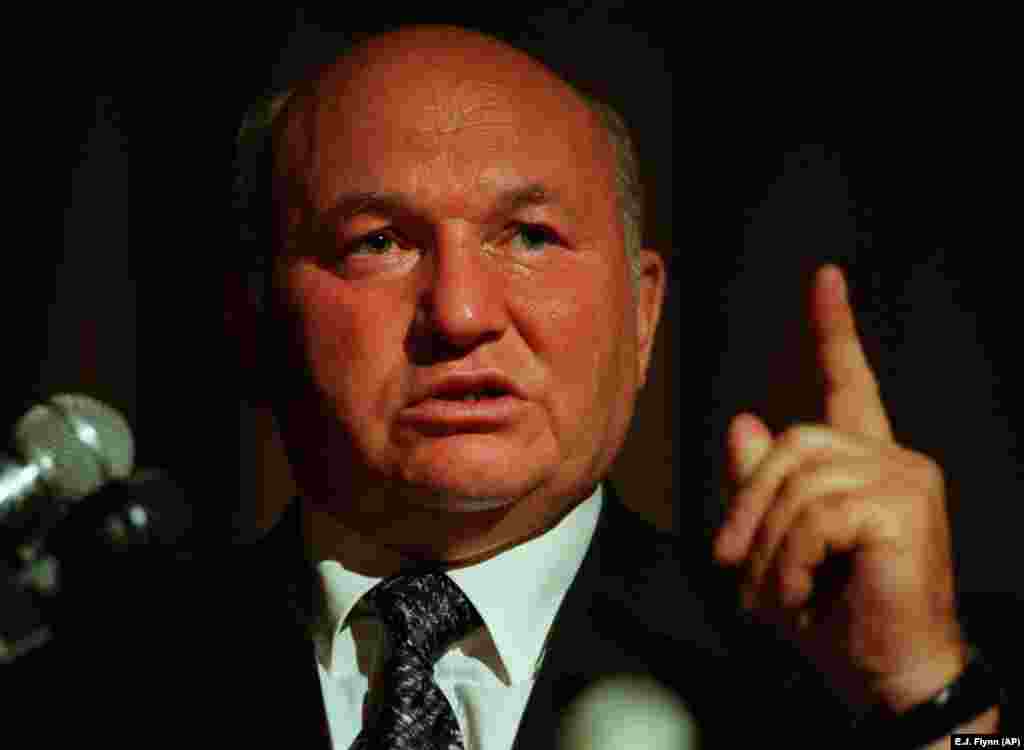
1/19Moscow Mayor Yury Luzhkov addresses the International Conference for Progress and Cooperation Dedicated to the 850th anniversary of the City of Moscow in Beverly Hills, California, on July 28, 1997. The conference was designed to facilitate closer links between United States and Russian businesses.
As mayor of Moscow for 18 years (1992-2010), Yury Luzhkov oversaw the Russian capital's transformation from a drab Soviet city into an often garish modern capital. A former Soviet official with a passion for construction, Luzhkov steered the city's enormous bureaucracy for 18 years, earning a reputation as one of the country's most influential political players. Russian officials and state media said Luzhkov died on December 10 at a Munich hospital, where he was reportedly undergoing heart surgery. He was 83.
Show moreShow less
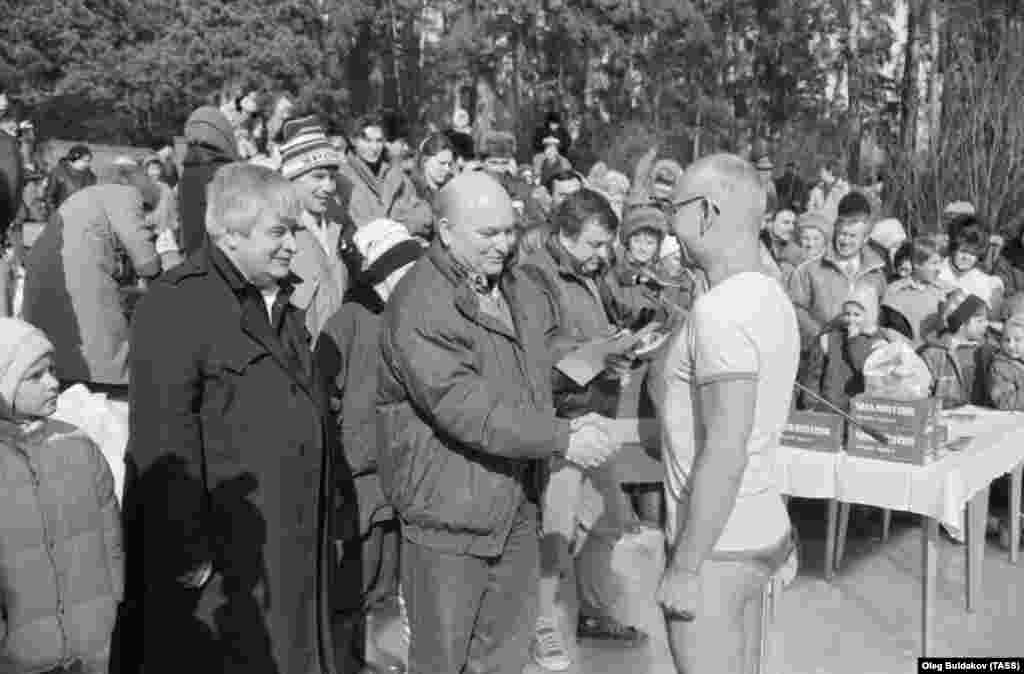
2/19Yury Luzhkov (center), then chairman of the Executive Committee of the Moscow Council, congratulates a veteran of the Serebryany Bor winter swimming club on March 8, 1991.
As mayor of Moscow for 18 years (1992-2010), Yury Luzhkov oversaw the Russian capital's transformation from a drab Soviet city into an often garish modern capital. A former Soviet official with a passion for construction, Luzhkov steered the city's enormous bureaucracy for 18 years, earning a reputation as one of the country's most influential political players. Russian officials and state media said Luzhkov died on December 10 at a Munich hospital, where he was reportedly undergoing heart surgery. He was 83.
Show moreShow less
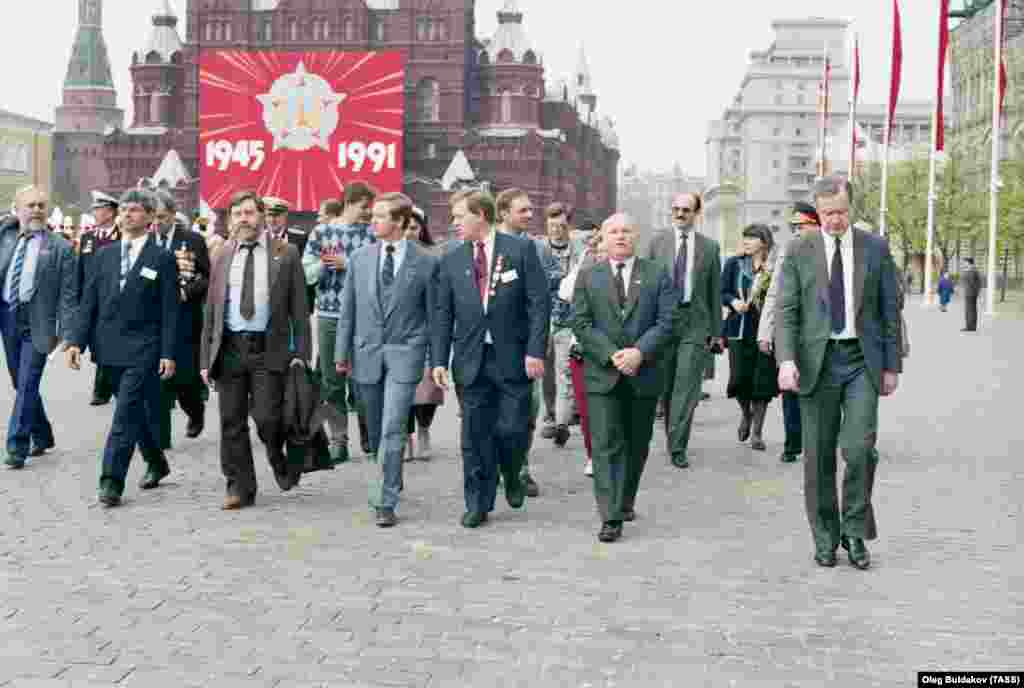
3/19Luzhkov takes part in a parade with Soviet politician Sergei Stankevich, and the mayor of the American city of Everett, Tit Kinch, on May 9, 1991.
As mayor of Moscow for 18 years (1992-2010), Yury Luzhkov oversaw the Russian capital's transformation from a drab Soviet city into an often garish modern capital. A former Soviet official with a passion for construction, Luzhkov steered the city's enormous bureaucracy for 18 years, earning a reputation as one of the country's most influential political players. Russian officials and state media said Luzhkov died on December 10 at a Munich hospital, where he was reportedly undergoing heart surgery. He was 83.
Show moreShow less
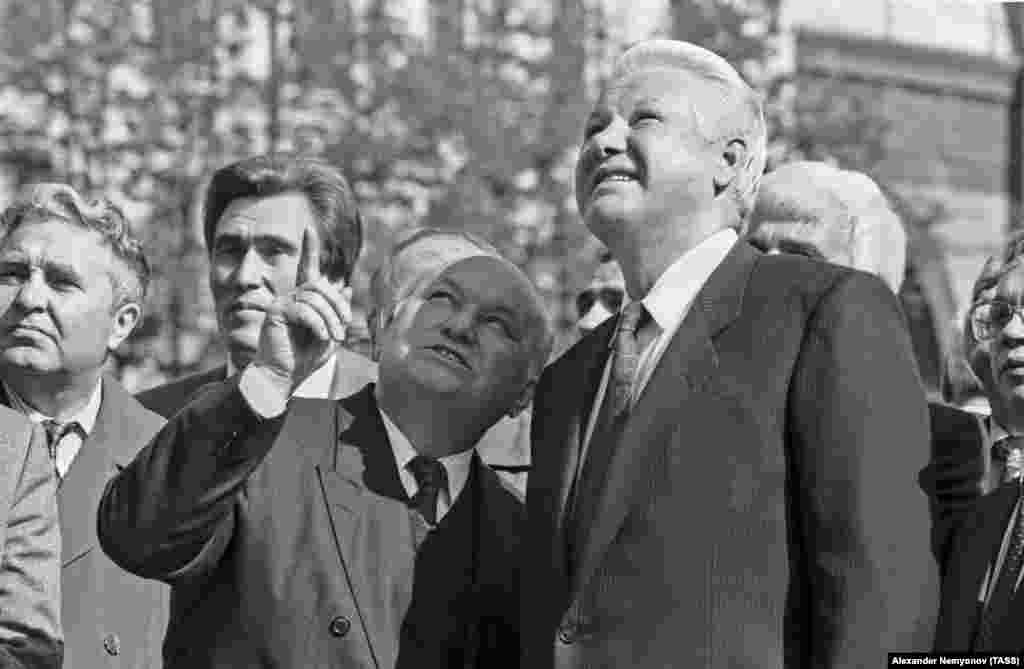
4/19Russian President Boris Yeltsin (right) and Moscow Mayor Yury Luzhkov on June 9, 1993. Luzhkov had sided with Yeltsin during the 1991 attempt by senior KGB officials to overthrow reformist Soviet leader Mikhail Gorbachev and during the Russian president's 1993 standoff with lawmakers in which Yeltsin ordered tanks to fire on the parliament building.
As mayor of Moscow for 18 years (1992-2010), Yury Luzhkov oversaw the Russian capital's transformation from a drab Soviet city into an often garish modern capital. A former Soviet official with a passion for construction, Luzhkov steered the city's enormous bureaucracy for 18 years, earning a reputation as one of the country's most influential political players. Russian officials and state media said Luzhkov died on December 10 at a Munich hospital, where he was reportedly undergoing heart surgery. He was 83.
Show moreShow less
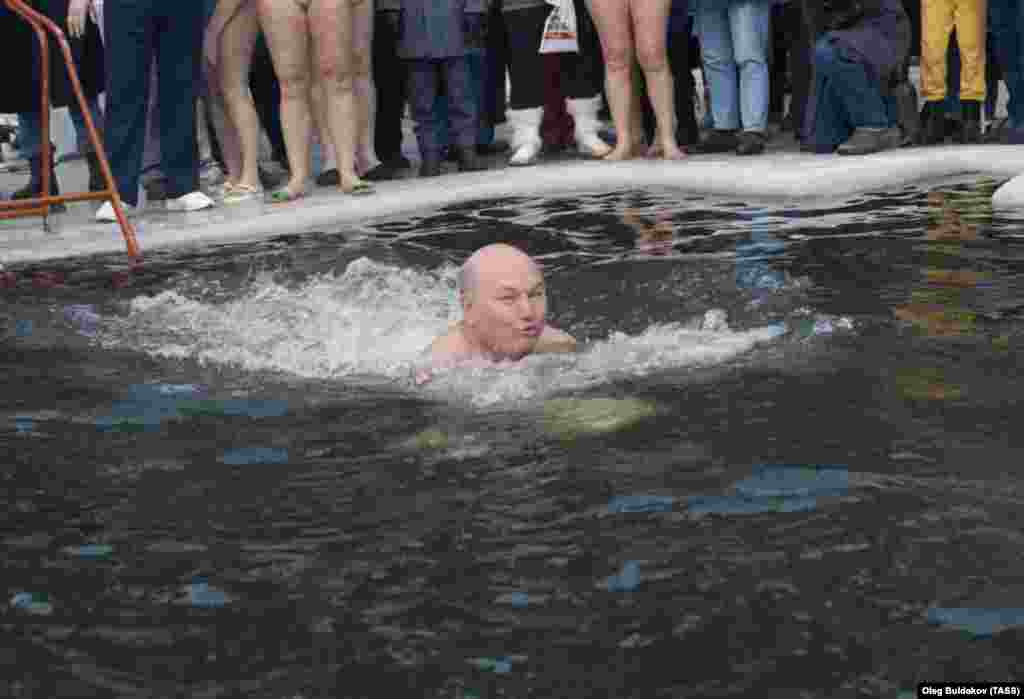
5/19Luzhkov swims in an ice hole in the Maloye Bezdonnoye lake during a winter swimming festival on March 8, 1992. He was a teetotaler and sports enthusiast, playing both soccer and tennis regularly well after his 60th birthday, and had an array of other hobbies, including beekeeping.
As mayor of Moscow for 18 years (1992-2010), Yury Luzhkov oversaw the Russian capital's transformation from a drab Soviet city into an often garish modern capital. A former Soviet official with a passion for construction, Luzhkov steered the city's enormous bureaucracy for 18 years, earning a reputation as one of the country's most influential political players. Russian officials and state media said Luzhkov died on December 10 at a Munich hospital, where he was reportedly undergoing heart surgery. He was 83.
Show moreShow less
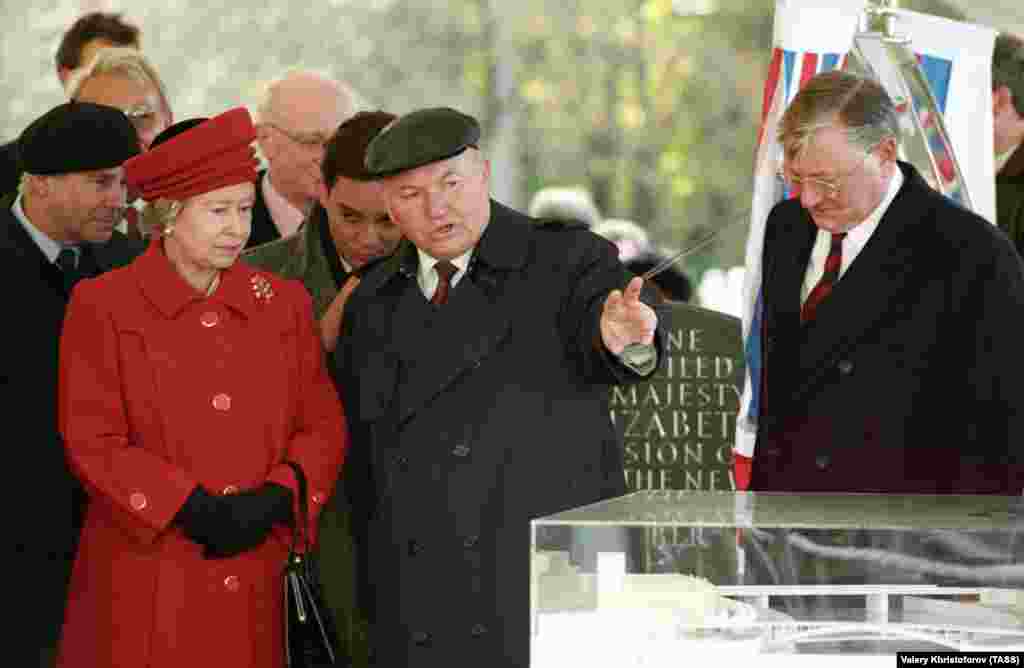
6/19Luzhkov (center) shows Britain's Queen Elizabeth II a model of the new British Embassy in Russia during her official visit to Russia in 1994.
As mayor of Moscow for 18 years (1992-2010), Yury Luzhkov oversaw the Russian capital's transformation from a drab Soviet city into an often garish modern capital. A former Soviet official with a passion for construction, Luzhkov steered the city's enormous bureaucracy for 18 years, earning a reputation as one of the country's most influential political players. Russian officials and state media said Luzhkov died on December 10 at a Munich hospital, where he was reportedly undergoing heart surgery. He was 83.
Show moreShow less
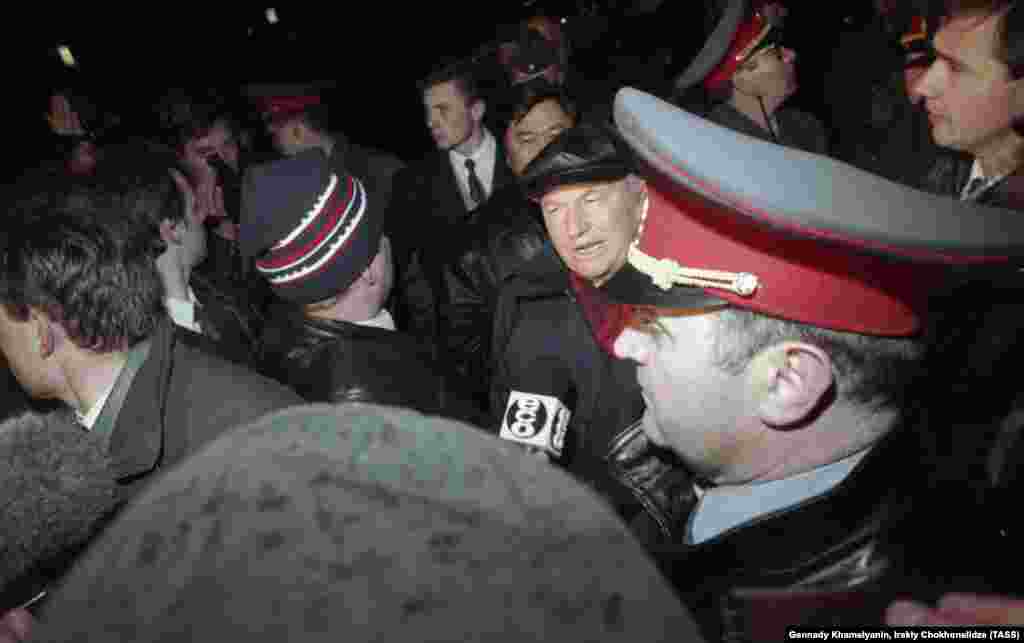
7/19Luzhkov talks to reporters in Red Square after a terrorist captured a bus with South Korean students on board on October 15, 1995.
As mayor of Moscow for 18 years (1992-2010), Yury Luzhkov oversaw the Russian capital's transformation from a drab Soviet city into an often garish modern capital. A former Soviet official with a passion for construction, Luzhkov steered the city's enormous bureaucracy for 18 years, earning a reputation as one of the country's most influential political players. Russian officials and state media said Luzhkov died on December 10 at a Munich hospital, where he was reportedly undergoing heart surgery. He was 83.
Show moreShow less
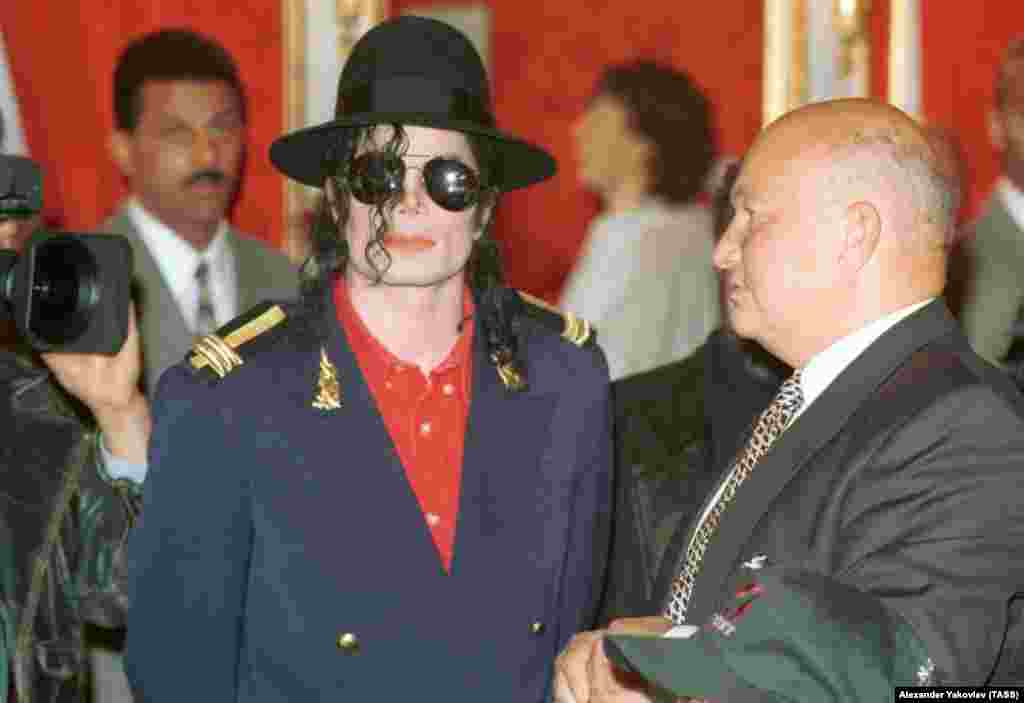
8/19Luzhkov (right) hosts a reception for American pop singer Michael Jackson at his Moscow office. Jackson was in Moscow as part of his HIStory World Tour on September 16, 1996.
As mayor of Moscow for 18 years (1992-2010), Yury Luzhkov oversaw the Russian capital's transformation from a drab Soviet city into an often garish modern capital. A former Soviet official with a passion for construction, Luzhkov steered the city's enormous bureaucracy for 18 years, earning a reputation as one of the country's most influential political players. Russian officials and state media said Luzhkov died on December 10 at a Munich hospital, where he was reportedly undergoing heart surgery. He was 83.
Show moreShow less
9/19Luzhkov (right) and Nizhny Novgorod regional Governor Boris Nemtsov are pictured during a meeting of Russian governors held in the upper chamber of the Russian parliament on February 11, 1997. Nemtsov was shot dead in Moscow on February 27, 2015.
As mayor of Moscow for 18 years (1992-2010), Yury Luzhkov oversaw the Russian capital's transformation from a drab Soviet city into an often garish modern capital. A former Soviet official with a passion for construction, Luzhkov steered the city's enormous bureaucracy for 18 years, earning a reputation as one of the country's most influential political players. Russian officials and state media said Luzhkov died on December 10 at a Munich hospital, where he was reportedly undergoing heart surgery. He was 83.
Show moreShow less
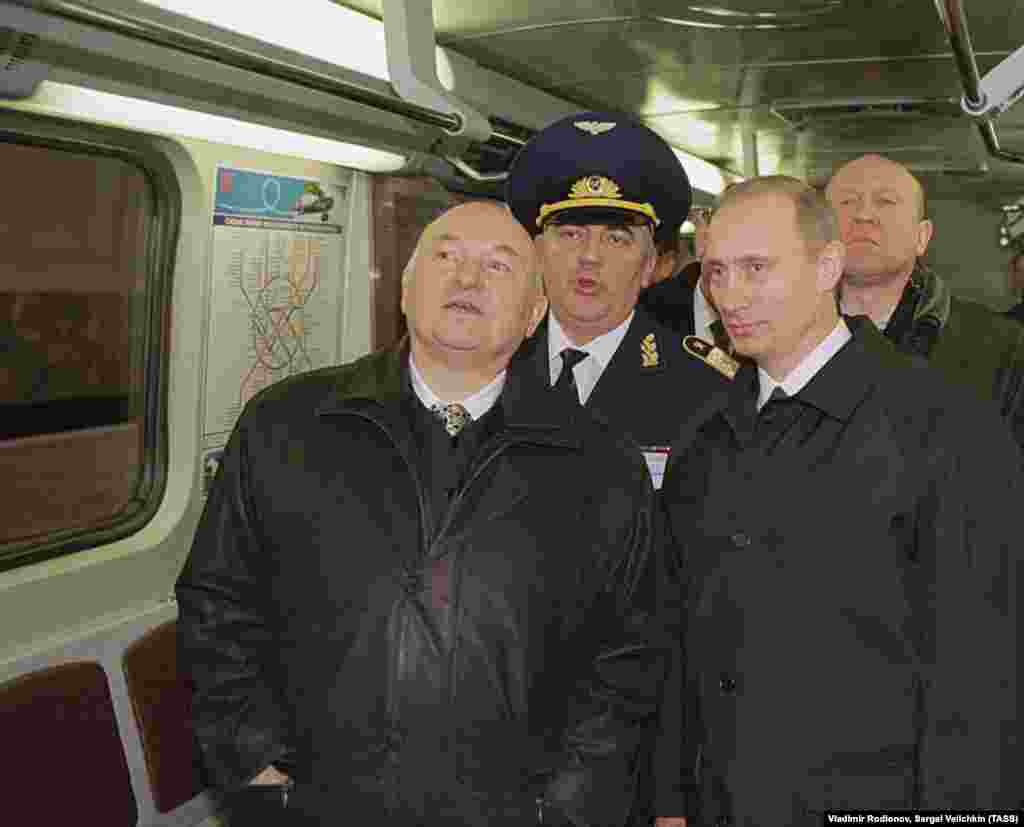
10/19Russia President Vladimir Putin (right) and Luzhkov inspect a train while visiting a new metro station in southern Moscow on December 12, 2001.
As mayor of Moscow for 18 years (1992-2010), Yury Luzhkov oversaw the Russian capital's transformation from a drab Soviet city into an often garish modern capital. A former Soviet official with a passion for construction, Luzhkov steered the city's enormous bureaucracy for 18 years, earning a reputation as one of the country's most influential political players. Russian officials and state media said Luzhkov died on December 10 at a Munich hospital, where he was reportedly undergoing heart surgery. He was 83.
Show moreShow less
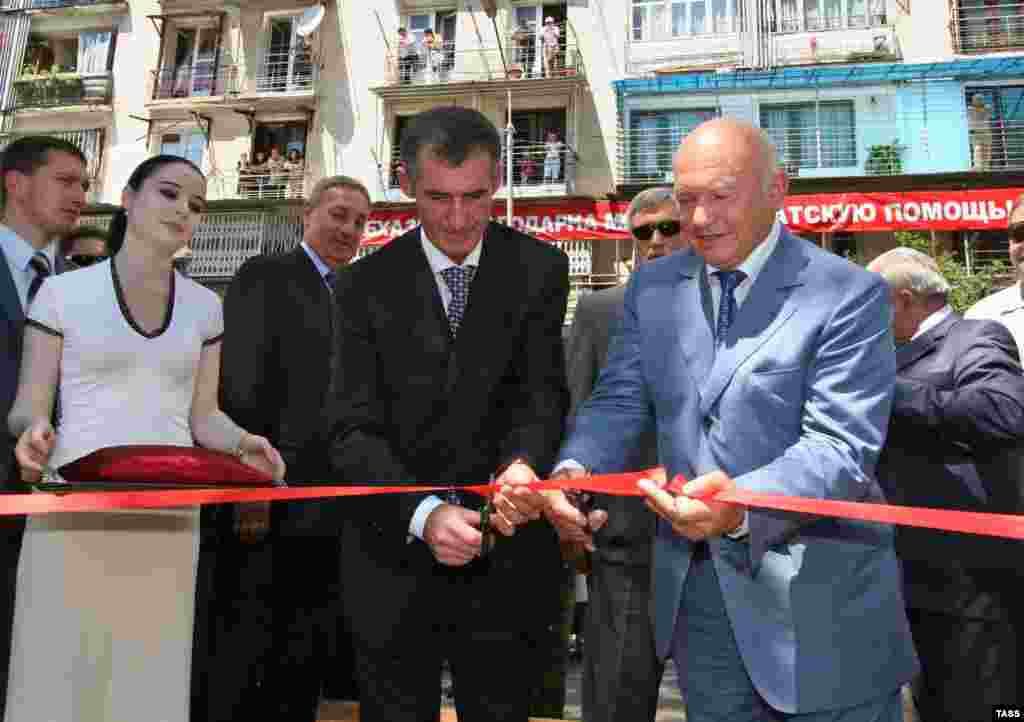
11/19Luzhkov (right) cuts the ribbon at the opening of a new cultural and business center in Moscow on July 20, 2006. Born in Moscow, Luzhkov's most lasting impact on the city was the metamorphic construction boom he oversaw there. High-rise office and apartment buildings came to pepper the skyline, towering over new hotels, shopping malls, and cultural objects that drew both scorn and admiration from Muscovites.
As mayor of Moscow for 18 years (1992-2010), Yury Luzhkov oversaw the Russian capital's transformation from a drab Soviet city into an often garish modern capital. A former Soviet official with a passion for construction, Luzhkov steered the city's enormous bureaucracy for 18 years, earning a reputation as one of the country's most influential political players. Russian officials and state media said Luzhkov died on December 10 at a Munich hospital, where he was reportedly undergoing heart surgery. He was 83.
Show moreShow less
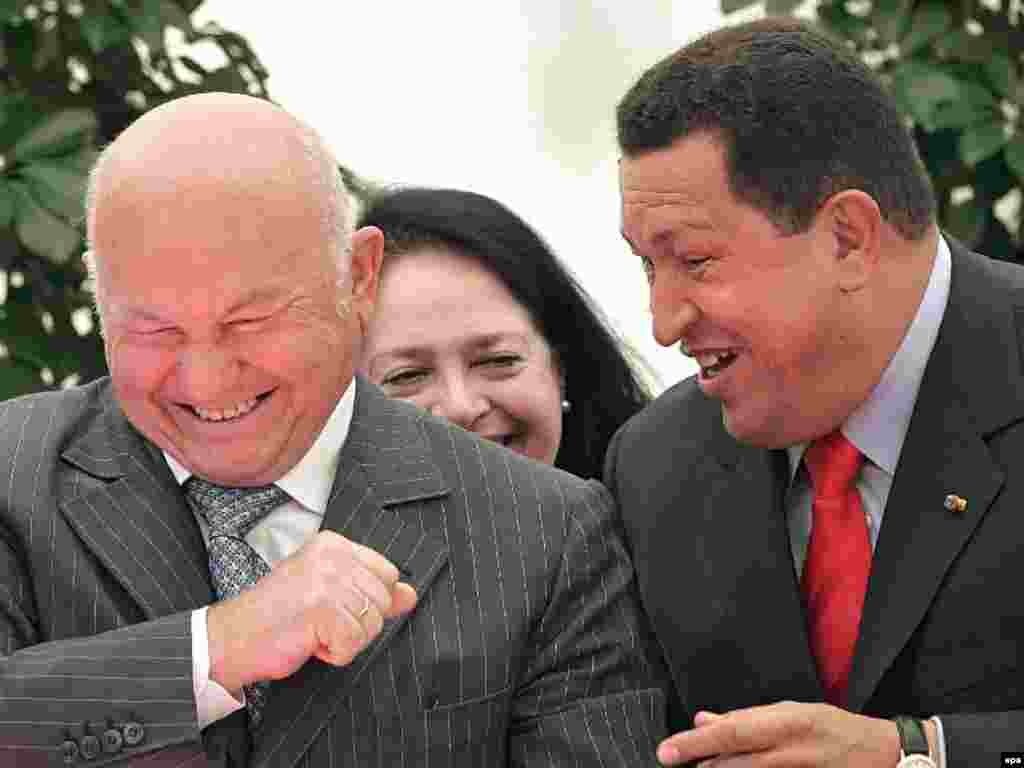
12/19Luzhkov meets Venezuelan President Hugo Chavez in Moscow on June 28, 2007.
As mayor of Moscow for 18 years (1992-2010), Yury Luzhkov oversaw the Russian capital's transformation from a drab Soviet city into an often garish modern capital. A former Soviet official with a passion for construction, Luzhkov steered the city's enormous bureaucracy for 18 years, earning a reputation as one of the country's most influential political players. Russian officials and state media said Luzhkov died on December 10 at a Munich hospital, where he was reportedly undergoing heart surgery. He was 83.
Show moreShow less
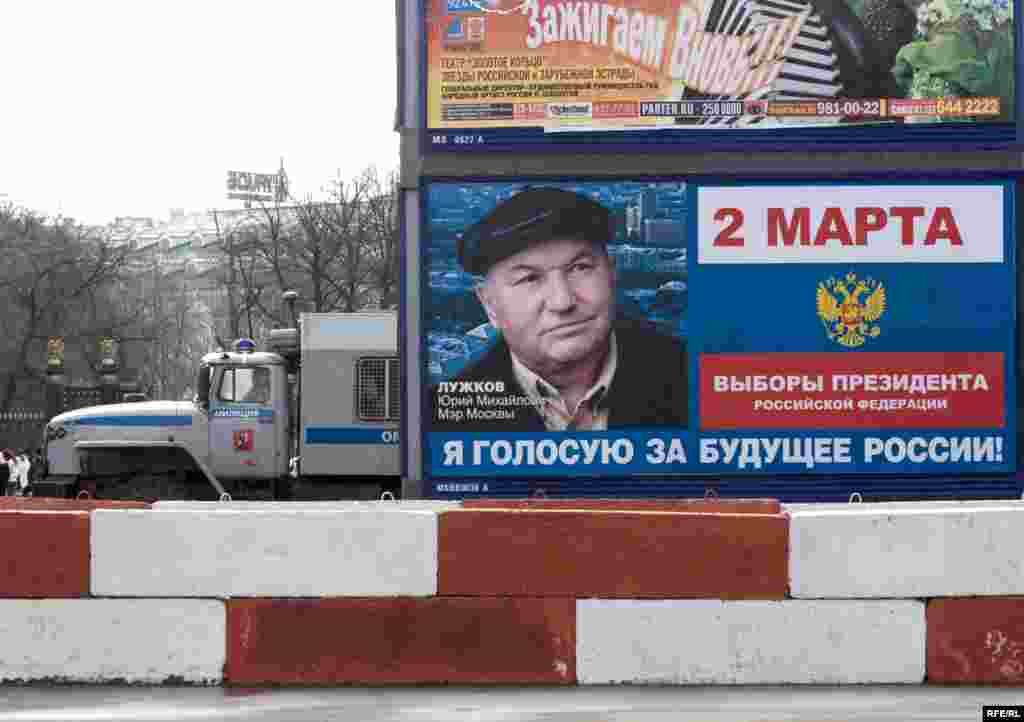
13/19An election poster for Luzhkov in Moscow on March 1, 2008. In 1998, Luzhkov launched his Fatherland political party. The populist, anti-corruption rhetoric of the movement was viewed by Yeltsin's circle as a serious threat in the wake of the economic turmoil that Yeltsin had presided over. After Putin's election in 2000, Luzhkov's Fatherland movement merged with the Kremlin-loyal Unity party to form United Russia, which has held an overwhelming majority in parliament since 2003.
As mayor of Moscow for 18 years (1992-2010), Yury Luzhkov oversaw the Russian capital's transformation from a drab Soviet city into an often garish modern capital. A former Soviet official with a passion for construction, Luzhkov steered the city's enormous bureaucracy for 18 years, earning a reputation as one of the country's most influential political players. Russian officials and state media said Luzhkov died on December 10 at a Munich hospital, where he was reportedly undergoing heart surgery. He was 83.
Show moreShow less
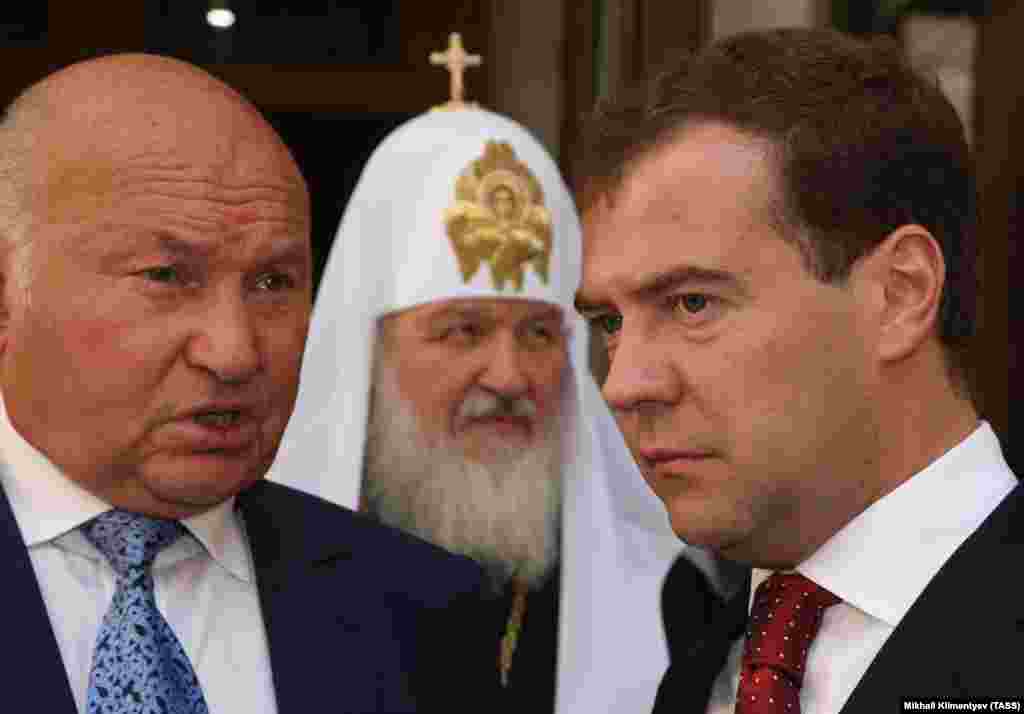
14/19Luzhkov stands with Patriarch Kirill and then-Russian President Dmitry Medvedev (left to right) at city celebrations in the capital's Tverskaya Square on September 5, 2009. It was Medvedev who, in September 2010, removed Luzhkov from his post after he said he had lost trust in the mayor.
As mayor of Moscow for 18 years (1992-2010), Yury Luzhkov oversaw the Russian capital's transformation from a drab Soviet city into an often garish modern capital. A former Soviet official with a passion for construction, Luzhkov steered the city's enormous bureaucracy for 18 years, earning a reputation as one of the country's most influential political players. Russian officials and state media said Luzhkov died on December 10 at a Munich hospital, where he was reportedly undergoing heart surgery. He was 83.
Show moreShow less
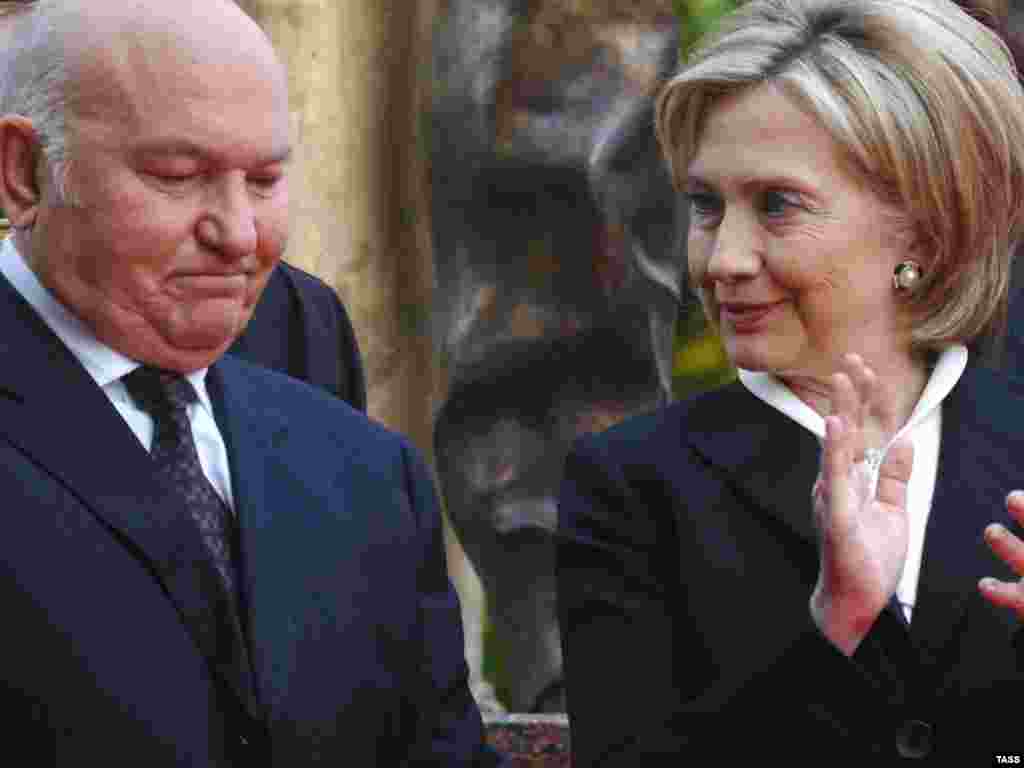
15/19Luzhkov and then-U.S. Secretary of State Hillary Clinton at a ceremony unveiling a monument to American poet Walt Whitman in Moscow on October 14, 2009.
As mayor of Moscow for 18 years (1992-2010), Yury Luzhkov oversaw the Russian capital's transformation from a drab Soviet city into an often garish modern capital. A former Soviet official with a passion for construction, Luzhkov steered the city's enormous bureaucracy for 18 years, earning a reputation as one of the country's most influential political players. Russian officials and state media said Luzhkov died on December 10 at a Munich hospital, where he was reportedly undergoing heart surgery. He was 83.
Show moreShow less
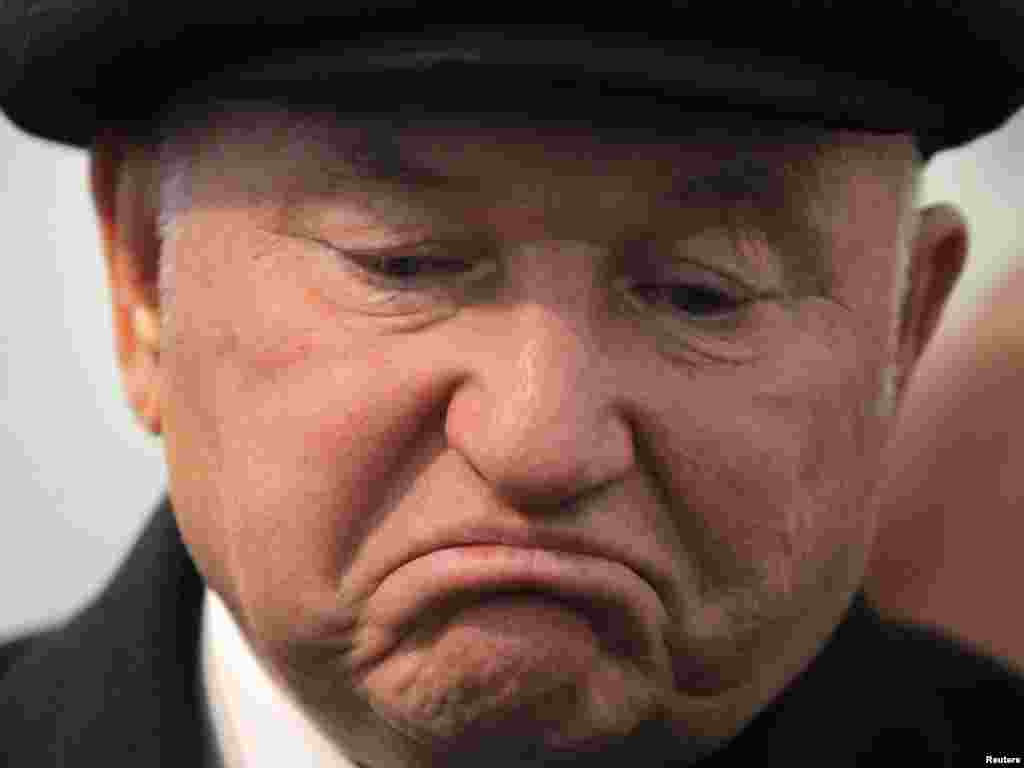
16/19Luzhkov talks to the media in Moscow in September 2010, the month he was removed from his post by then-Russian President Dmitry Medvedev.
As mayor of Moscow for 18 years (1992-2010), Yury Luzhkov oversaw the Russian capital's transformation from a drab Soviet city into an often garish modern capital. A former Soviet official with a passion for construction, Luzhkov steered the city's enormous bureaucracy for 18 years, earning a reputation as one of the country's most influential political players. Russian officials and state media said Luzhkov died on December 10 at a Munich hospital, where he was reportedly undergoing heart surgery. He was 83.
Show moreShow less
17/19Russian President Vladimir Putin presents Luzhkov with an Order of Merit for the Fatherland in the Kremlin on September 22, 2016, an honor that the former Moscow mayor portrayed as a sign that his relations with the Russian leadership were on the mend.
As mayor of Moscow for 18 years (1992-2010), Yury Luzhkov oversaw the Russian capital's transformation from a drab Soviet city into an often garish modern capital. A former Soviet official with a passion for construction, Luzhkov steered the city's enormous bureaucracy for 18 years, earning a reputation as one of the country's most influential political players. Russian officials and state media said Luzhkov died on December 10 at a Munich hospital, where he was reportedly undergoing heart surgery. He was 83.
Show moreShow less
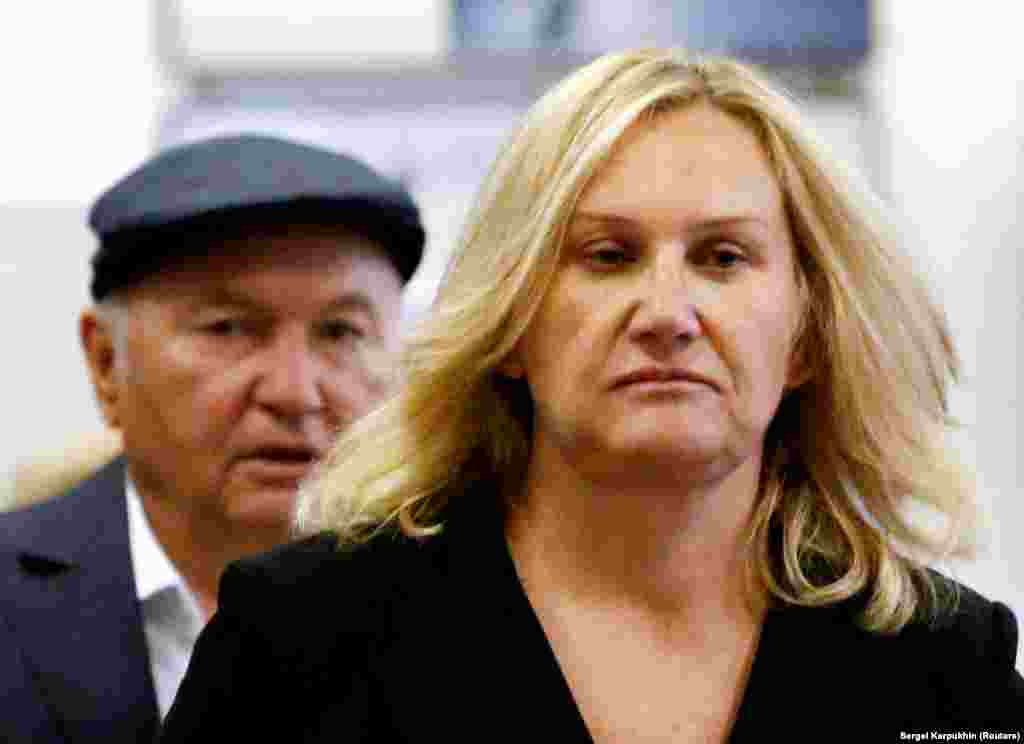
18/19Luzhkov and his wife, businesswoman Yelena Baturina. Luzhkov is survived by Baturina, his second wife and Russia's wealthiest woman, with a net worth of around $1.2 billion, according to Forbes magazine. Luzhkov repeatedly faced allegations that he was illicitly enriching himself with the rampant demolition and construction of the city during his tenure, including by directing city contracts to his wife.
As mayor of Moscow for 18 years (1992-2010), Yury Luzhkov oversaw the Russian capital's transformation from a drab Soviet city into an often garish modern capital. A former Soviet official with a passion for construction, Luzhkov steered the city's enormous bureaucracy for 18 years, earning a reputation as one of the country's most influential political players. Russian officials and state media said Luzhkov died on December 10 at a Munich hospital, where he was reportedly undergoing heart surgery. He was 83.
Show moreShow less
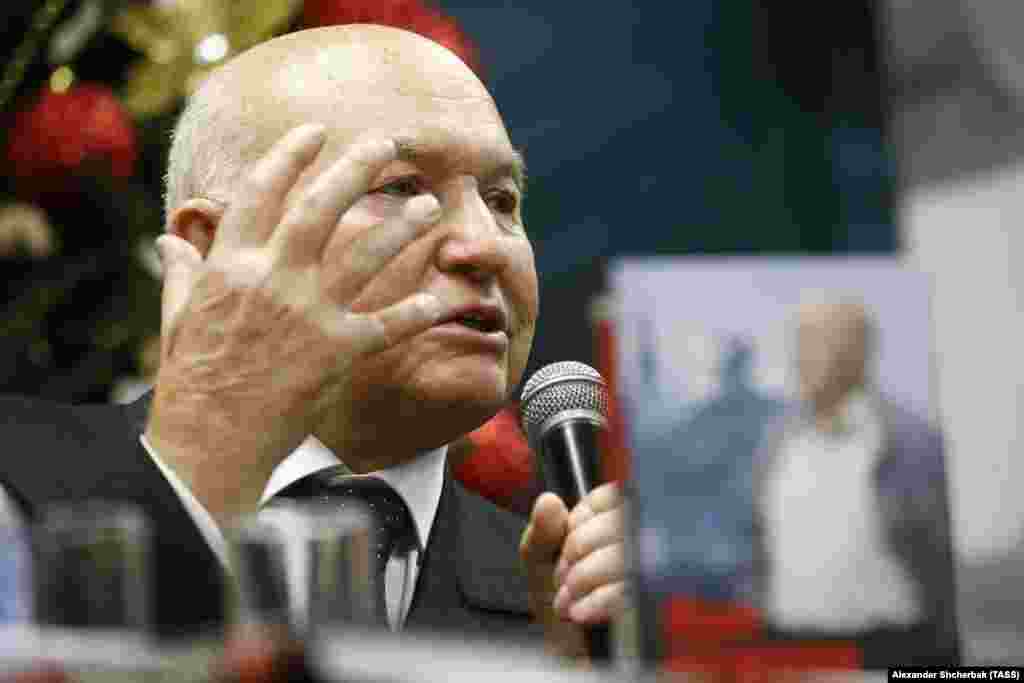
19/19Luzhkov speaks at a launch event for this autobiography in Moscow on November 27, 2017.
As mayor of Moscow for 18 years (1992-2010), Yury Luzhkov oversaw the Russian capital's transformation from a drab Soviet city into an often garish modern capital. A former Soviet official with a passion for construction, Luzhkov steered the city's enormous bureaucracy for 18 years, earning a reputation as one of the country's most influential political players. Russian officials and state media said Luzhkov died on December 10 at a Munich hospital, where he was reportedly undergoing heart surgery. He was 83.
Show moreShow less
Previous slide
Next slide
"In difficult years, at the turn of the historical eras, he did a lot for the development of Moscow, in order for it to become one of the leaders in the revival of Russia," he added.
Luzhkov took over at City Hall in the Russian capital in 1992 and held the post until being fired in 2010 by the Kremlin, which said it had lost trust in him.
Despite persistent accusations of kickbacks and corruption allegations, Luzhkov was very popular among Moscow residents.
"I am sincerely sorry that this energetic cheerful person who headed Moscow in the difficult post-Soviet period and did so much for the city and Muscovites. Condolences to family and friends," current Moscow Mayor Sergei Sobyanin said in a tweet.
Luzhkov disappeared from public life after his dismissal until 2016, when Russian President Vladimir Putin awarded him with a state medal for "service to the fatherland."
RFE/RL journalists report the news in 24 languages in 18 countries where a free press is banned by the government or not fully established. We provide what many people cannot get locally: uncensored news, responsible discussion, and open debate.