




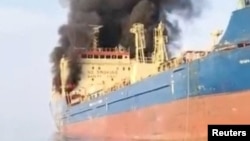
Cellphone footage showing tongues of flame and thick, black smoke billowing from a ship in the Strait of Hormuz is an ominous image underlining fears of disruption to global oil supplies amid the US and Israeli conflict with Iran.
The straits are a vital global trade route for oil and liquefied natural gas (LNG). The Skylight, a 7,600-ton oil and chemical tanker, was just north of the Omani port of Khassab, near to the narrowest point of the strait where the shipping lane is just 3.7 kilometers wide.
It was one of three civilian ships reportedly hit in the region on March 1 -- while US Central Command said it had struck an Iranian Navy corvette nearby.

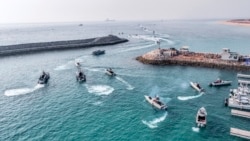
Amid the turmoil, Reuters analysis of data from the MarineTraffic website said at least 150 ships, including many oil and gas tankers, had dropped anchor. As shipping appeared to be grinding to a halt, there were conflicting reports about whether Iran had declared the strait closed.
No Panic -- Yet
"We do see the strait [to be] open. But what's preventing the vessels and why a lot of the IOCs (international oil companies) are advising not to use the strait is because of insurance," Amena Bakr, head of Middle East and OPEC+ research at Kpler trade intelligence company, said during a webinar on March 1.

"The insurance costs are so high that no vessel could afford or wants to risk going through the strait at this time," she added. "The moment the market just gets that headline that, you know -- the strait is closed, there's no more crude flowing and so on -- that's when panic is going to set in."
For now, this has not happened. Nevertheless, the price of global benchmark Brent crude was reported up by as much as 10 percent on March 1 and many analysts expected prices to rise further.
"We expect prices to open (after the weekend) much closer to $100 a barrel and perhaps exceed that level if we see a prolonged outage of the strait," Ajay Parmar, director of energy and refining at ICIS, told Reuters.
Bakr took a more conservative line but said the impact of this war on global oil prices will be much greater than during the 12-day conflict with Iran in June 2025.
"During that conflict, oil went up to $80 and then it kind of crashed down again. Now, this is a less orchestrated conflict. The other one…was almost a show. You had fireworks, you had countries warning other countries they're going to hit them ahead of time," she said.
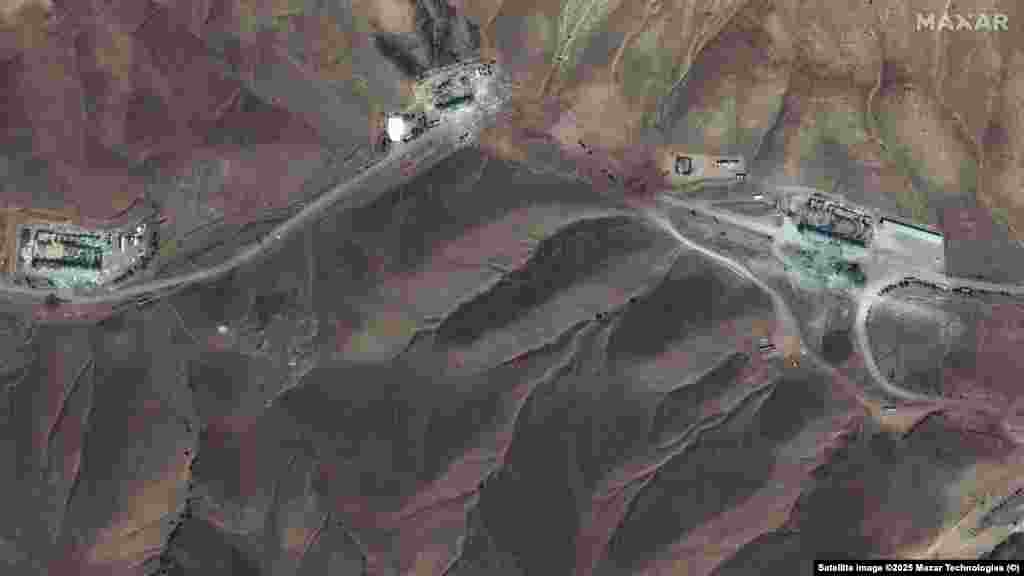
Satellite Images Show Iranian Missile Base Before And After Strikes
Before
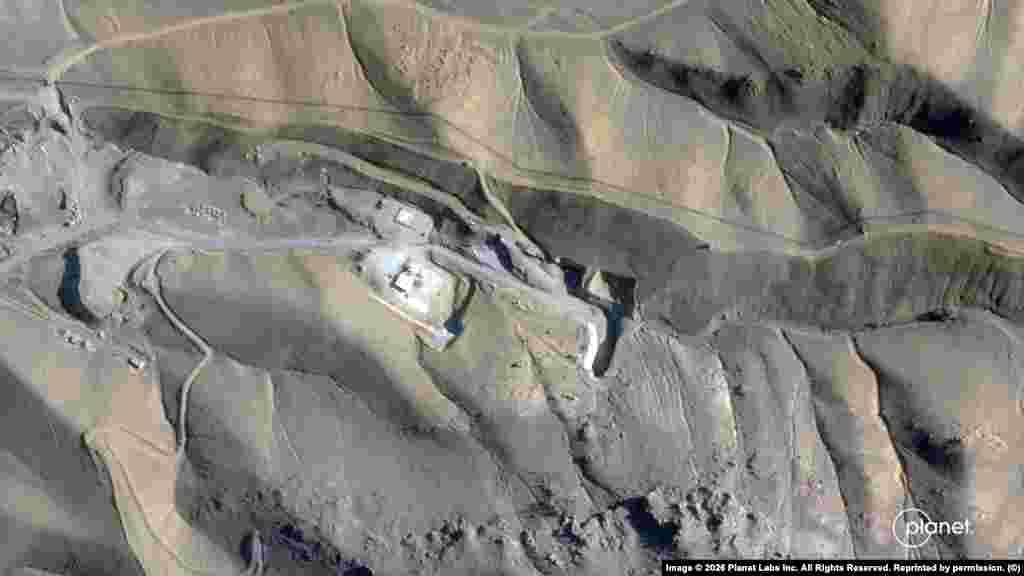
After
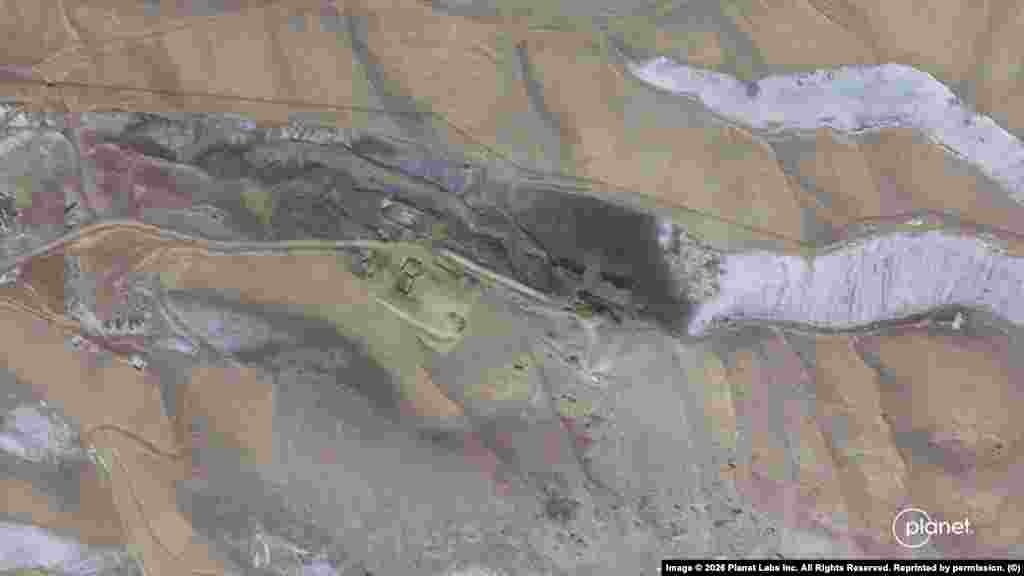
Before
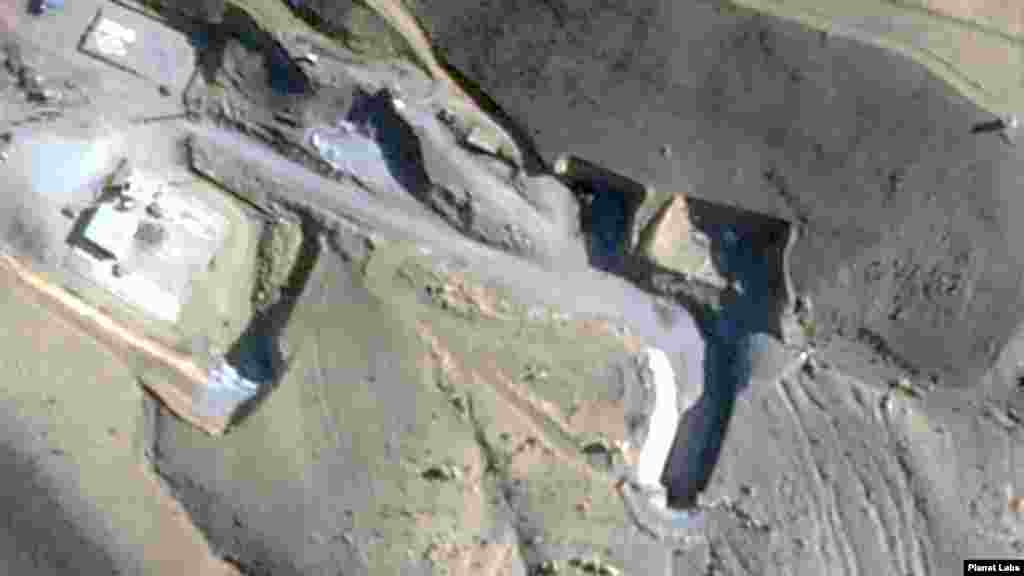
After

Before
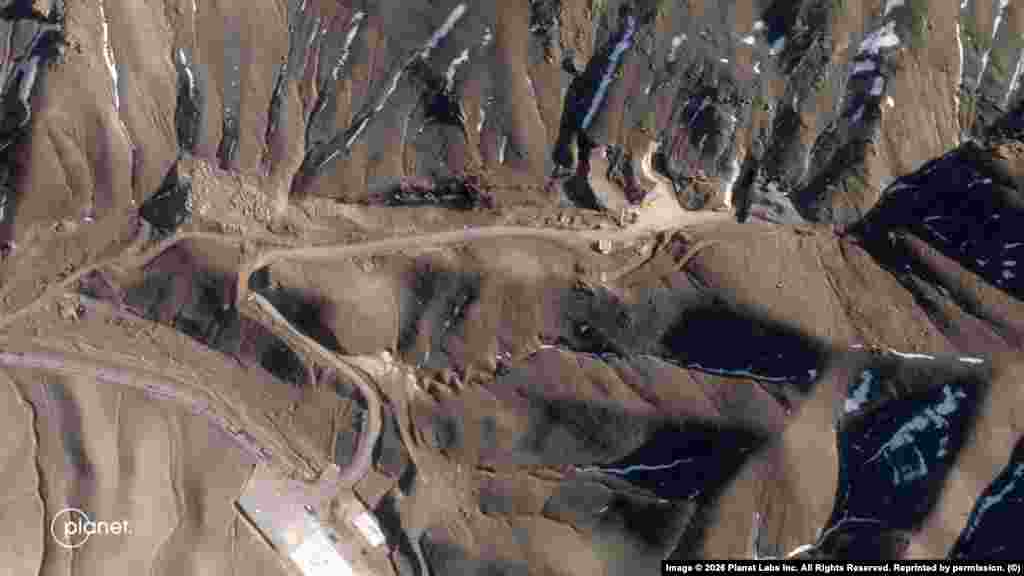
After
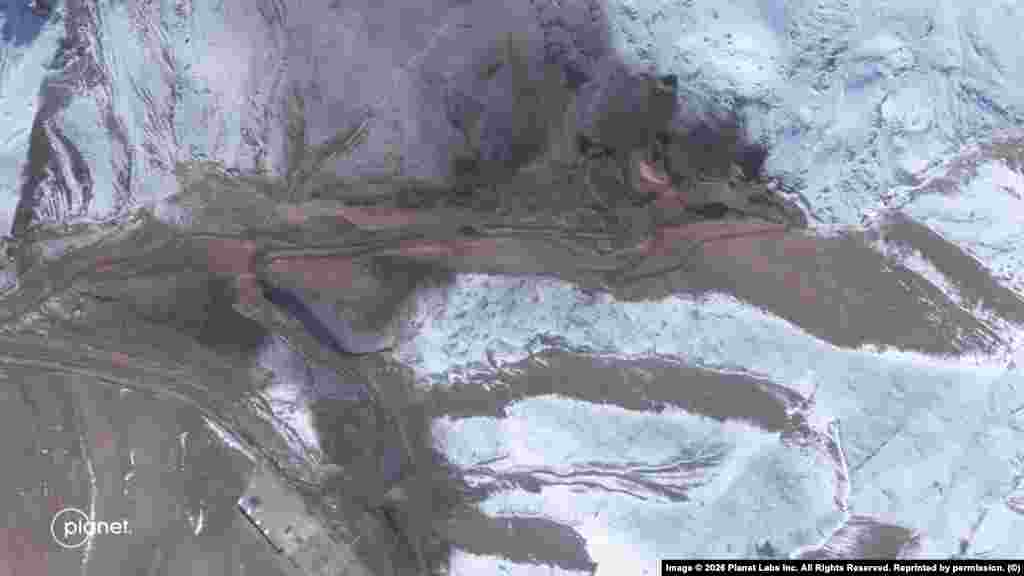
Before
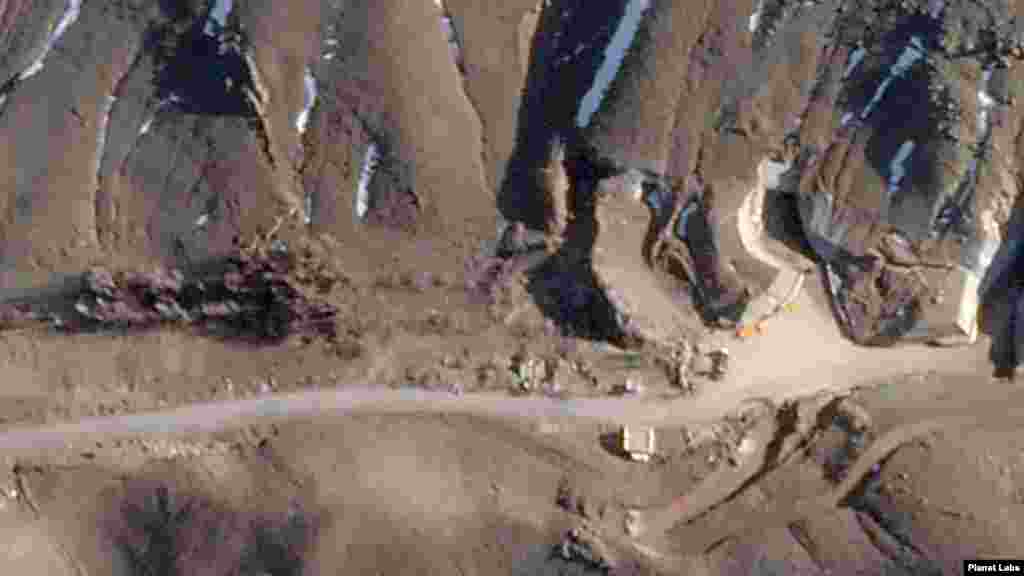
After

Before
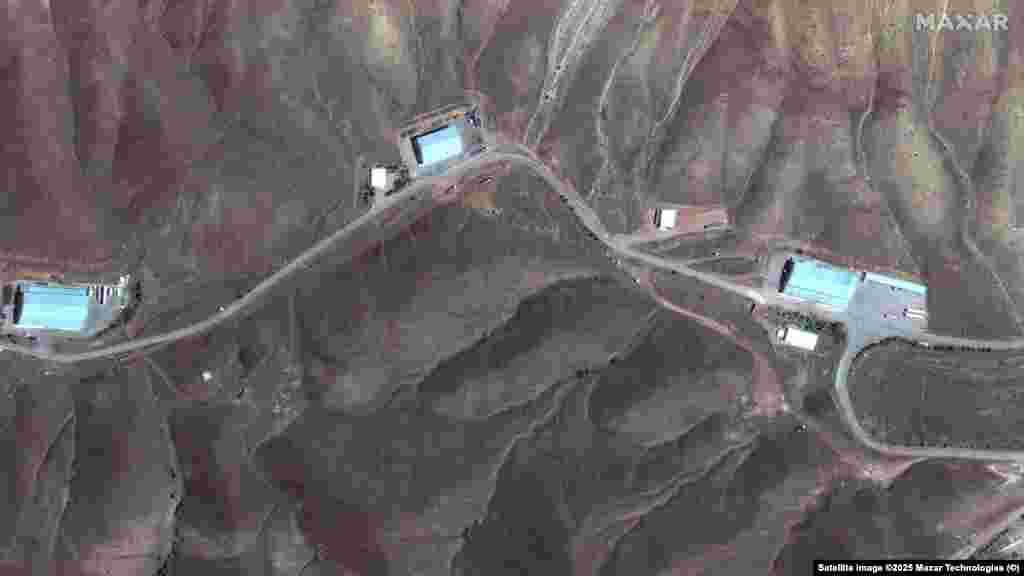
After
Speaking from Dubai, which Bakr said was in a state of shock from "unprecedented" Iranian attacks, she added: "Now we don't get these warnings. So, we're in a completely different zone. I expect oil prices to be between $85 to $90."
Enter OPEC+, And Russia
High oil prices could create a wider economic shock, stoking inflation and intense political pressures in many countries.
There are many ways the conflict with Iran could cause prices to rise. Iranian oil is heavily sanctioned, but the country still sells lots of oil to China, for example. If these supplies get cut off amid a protracted war, China will need to seek them elsewhere.
Meanwhile, potential Iranian drone or missiles strikes have reportedly led to oil fields in Iraq closing down production as a precautionary measure.
If the Strait of Hormuz is closed, oil exports from Kuwait and other states on the Persian Gulf are also impacted. There are alternative export routes, using pipelines across the Saudi Arabian desert, but capacity is limited.

OPEC+ oil producers met on March 1 to agree on expanded production by 206,000 barrels per day to offset potential price risks. The group consists of eight countries: Saudi Arabia, Russia, Iraq, the United Arab Emirates, Kuwait, Kazakhstan, Algeria, and Oman.
"The countries will continue to closely monitor and assess market conditions, and…reaffirmed the importance of adopting a cautious approach," they said in a statement.
The statement did not mention the conflict with Iran. But a separate statement by the Russian Foreign Ministry did, warning that a halt to shipping in the Strait of Hormuz could "create a significant imbalance in global oil and gas markets."
In fact, it's an imbalance Russia could conceivably benefit from.
Low global oil prices and heavy sanctions on Russian oil , including a G7-imposed price cap, have hit hard. A report by the Center for Research on Energy and Clean Air (CREA) in February said Russian revenues from crude oil exports had dropped by 18 percent over the last year.
One of Russia's main buyers is China. A fall in global oil supply could mean a welcome uptick in Chinese orders to make up for a shortfall from Iran or other Persian Gulf suppliers.

