




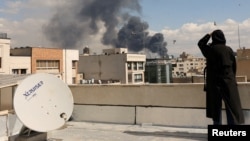
Israel pounded locations across Iran on the second day of a joint attack by Tel Aviv and Washington, as Tehran retaliated, firing missiles at targets around the Persian Gulf. US officials said at least three US military personnel were killed.
A day after the country's supreme leader, Ayatollah Ali Khamenei, was killed in an Israeli strike, Iranian officials on March 1 installed new leadership, announcing an interim, three-man council to govern until Khamenei's replacement could be named.
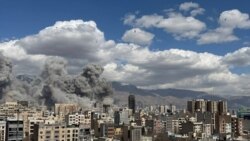
Israel's Air Force said on March 1 it was striking targets "belonging to the Iranian terror regime in the heart of Tehran." Video from Tehran showed huge clouds of smoke billowing over the city in several locations.
In addition to Khamenei, the joint US-Israeli air assault, which started on the morning of February 28, killed several other top political and military officials, including officers with the Islamic Revolutionary Guards Corps (IRGC).
Ali Larijani, a member of the interim council and the country's top national-security official, vowed that Tehran would hit US and Israeli targets “with a force they have never experienced before.”

US President Donald Trump said that 48 Iranian leaders have been killed.
"Nobody can believe the success we're having, 48 leaders are gone in one shot. And it's moving along rapidly," Trump said in an interview with Fox News.
Officials from US Central Command, which oversees operations in the Middle East, announced that three US military personnel have been killed in action and five seriously wounded. The announcement gave no details where and how the personnel were targeted saying only that several other troops “sustained minor shrapnel injuries and concussions and are in the process of being returned to duty.”
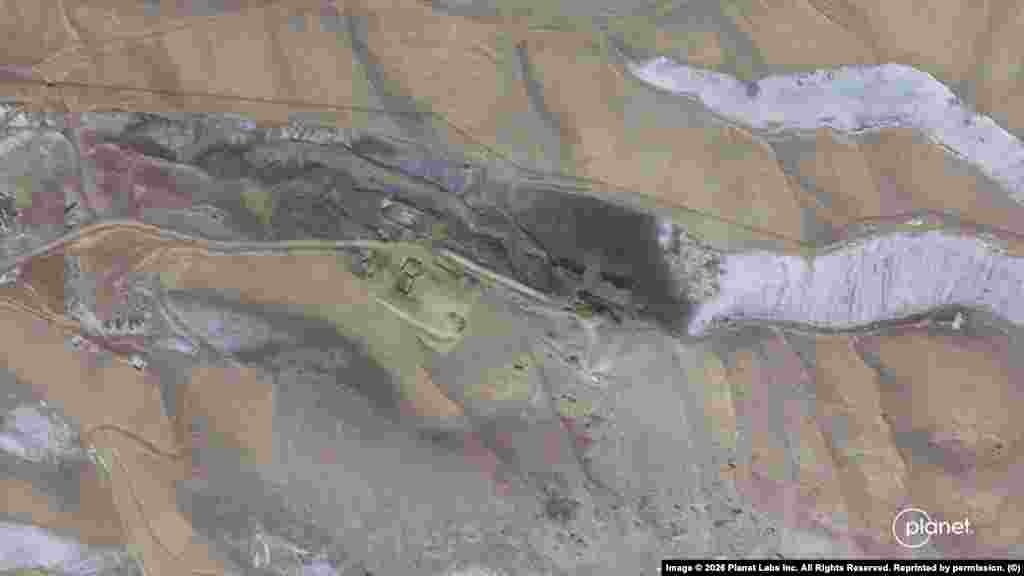
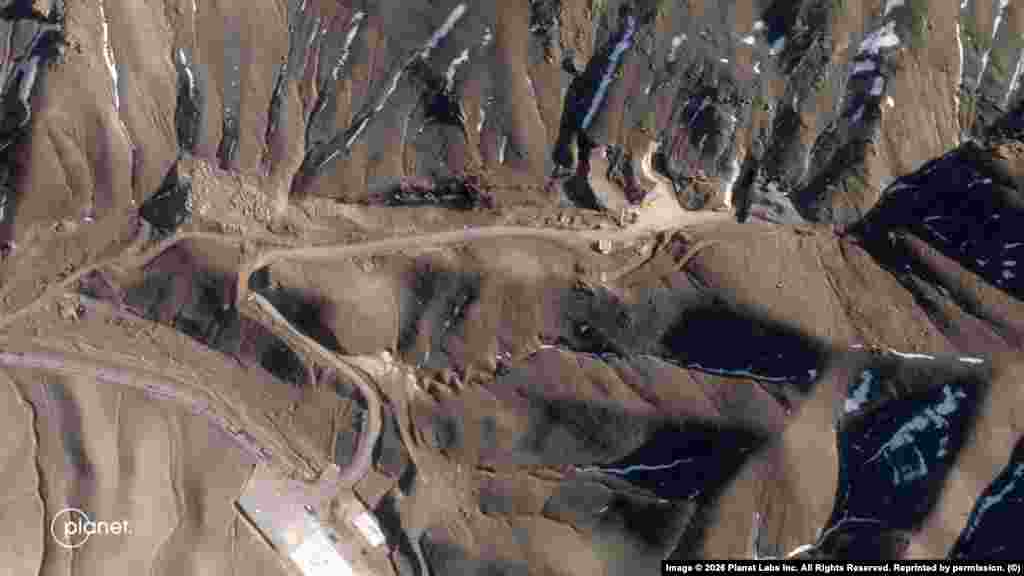
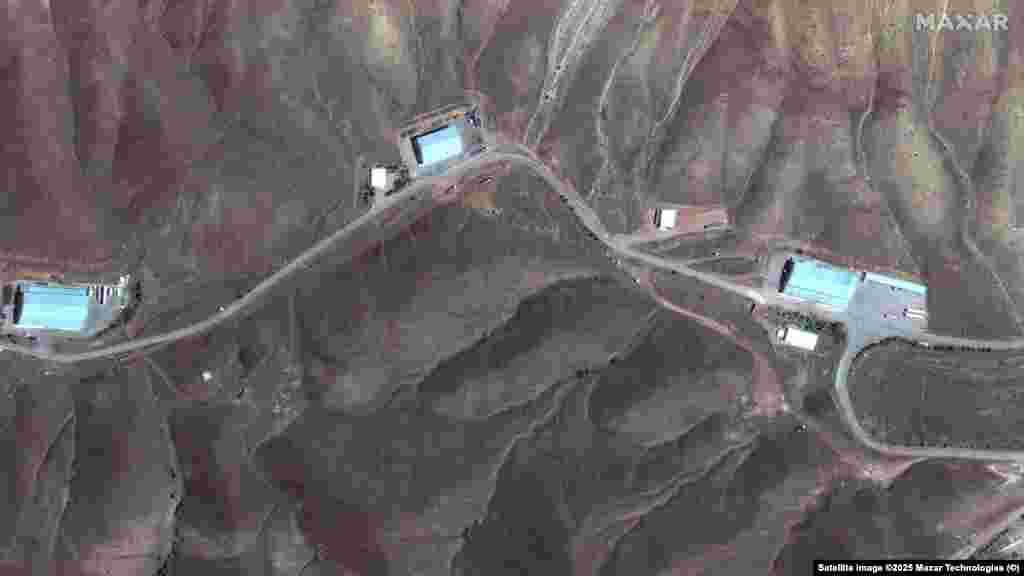
Satellite Images Show Iranian Missile Base Before And After Strikes
Before
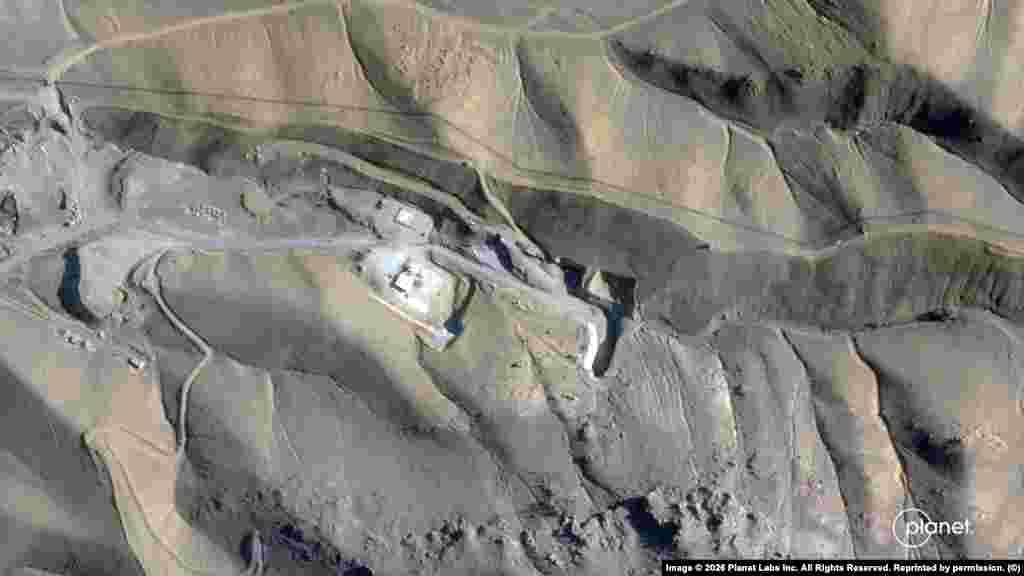
After
Before
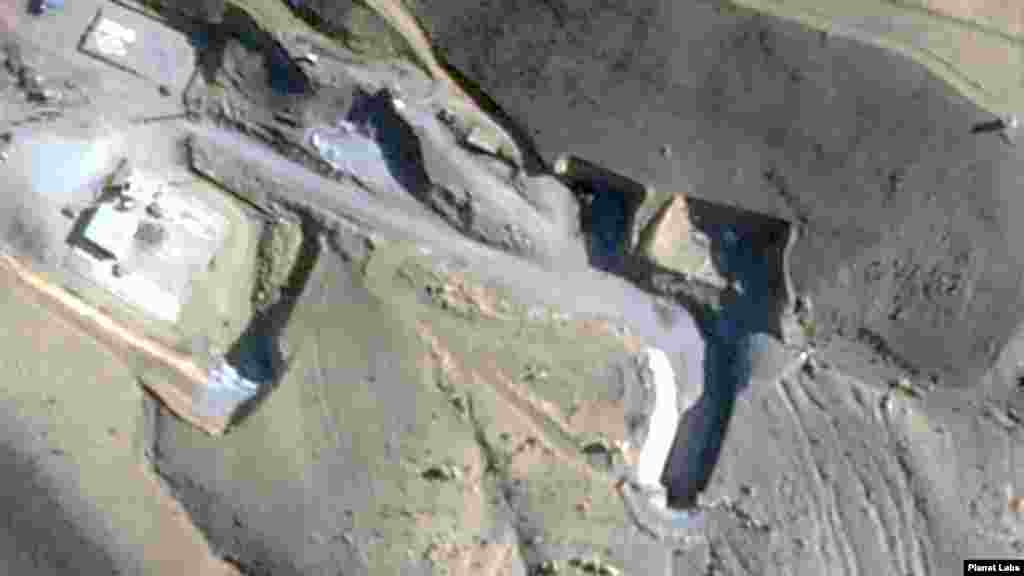
After
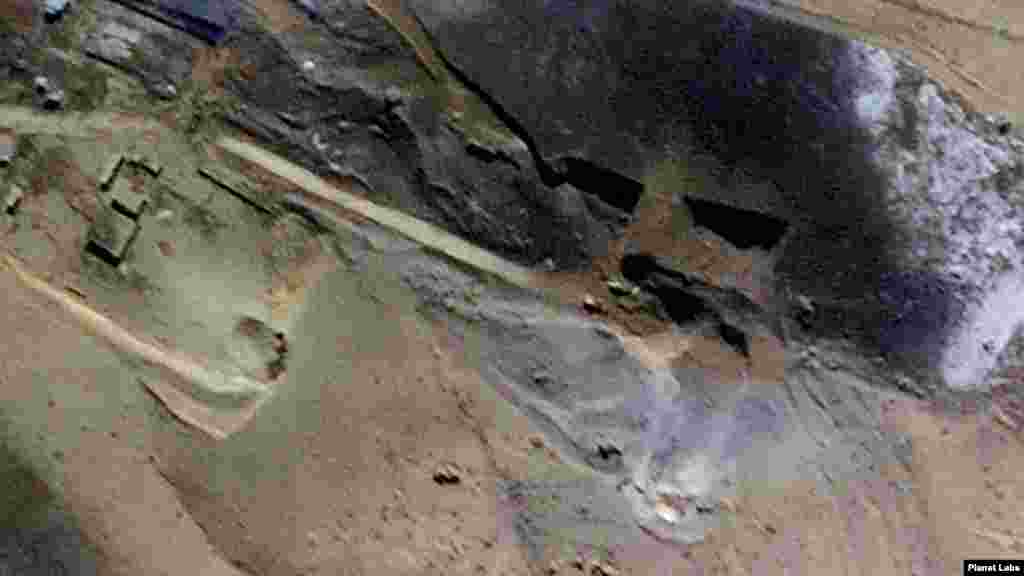
Before
After
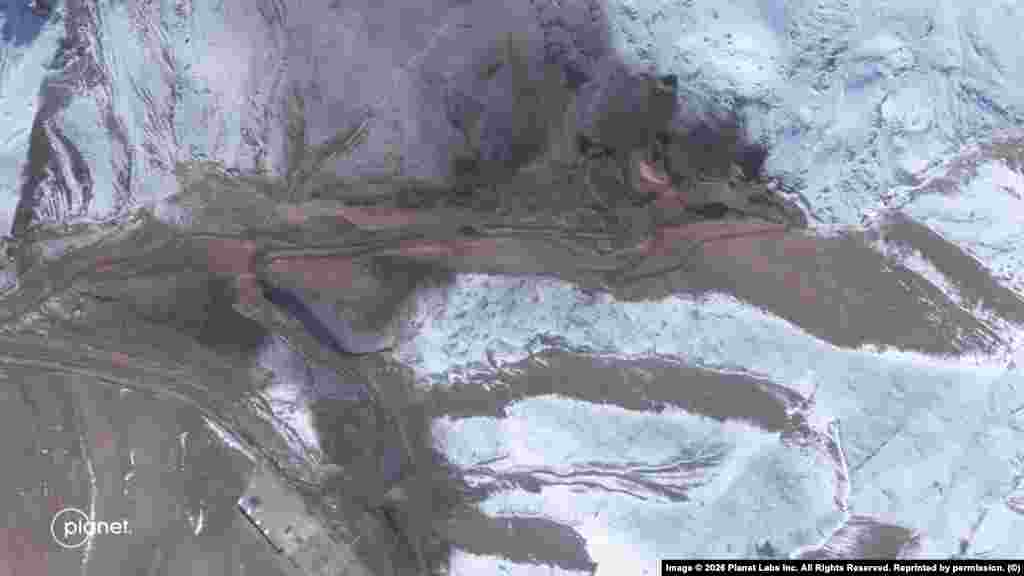
Before
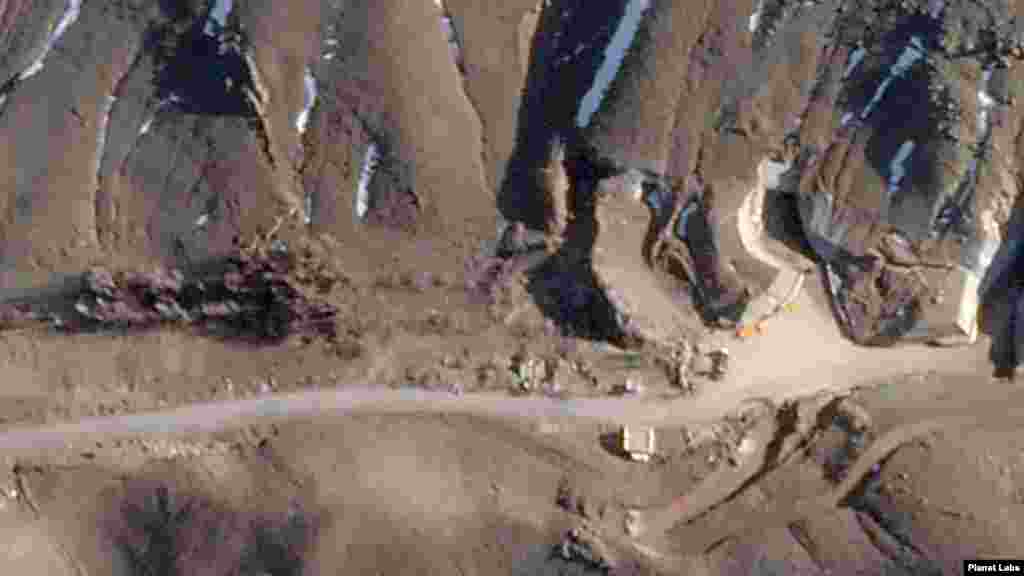
After
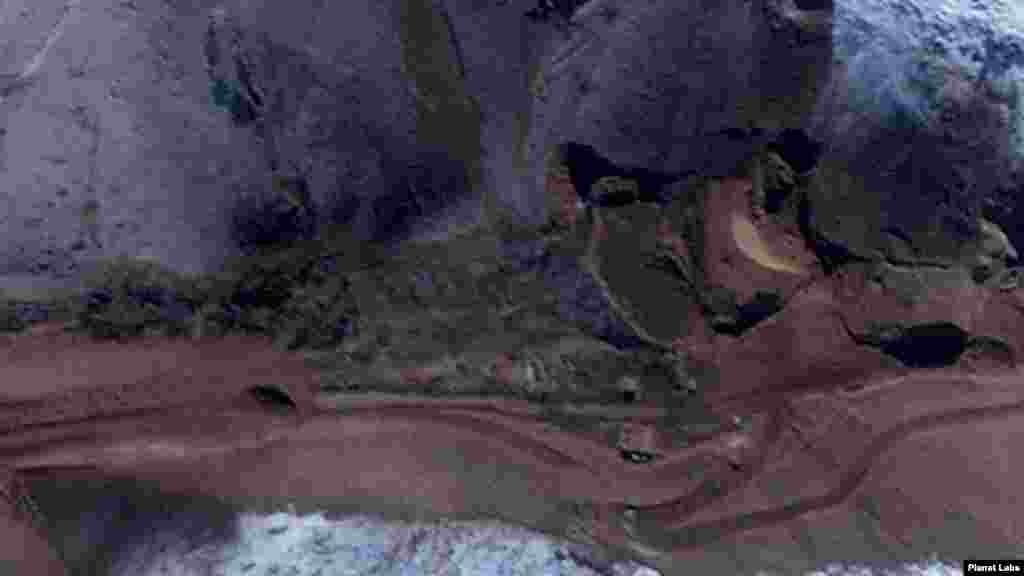
Before
After
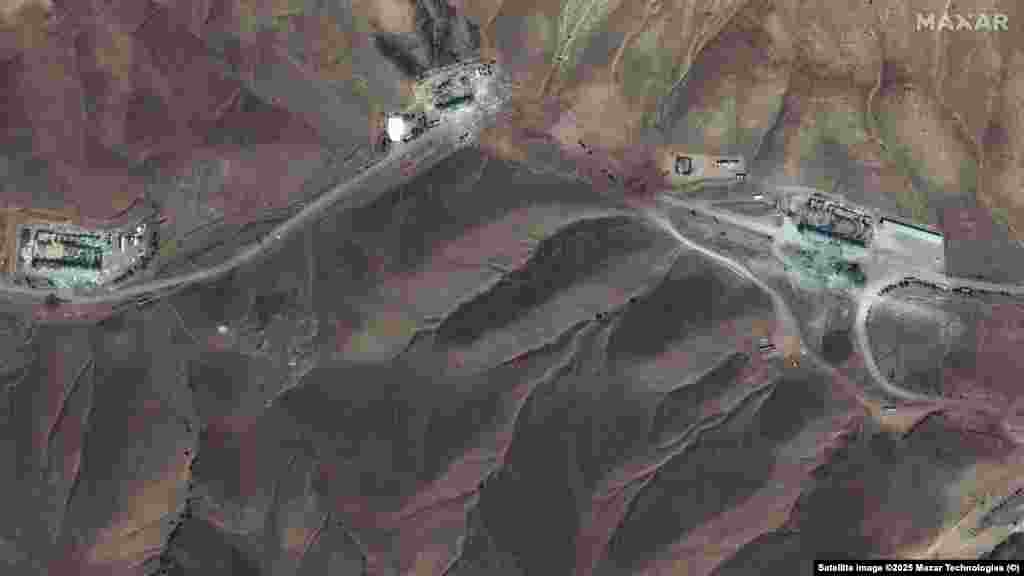
The assault -- the second in a year that Israel and the United States have attacked Iran -- followed weeks of fraught negotiations over the fate of Iran's nuclear ambitious. Washington and Tel Aviv have accused Tehran of seeking to build atomic weapons; Tehran says its aspirations are peaceful.
Attack On US Consulate In Karachi
The attacks on Iran prompted an angry response in some parts of the region.
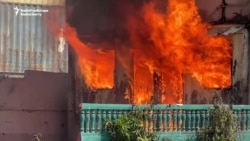
In Karachi, Pakistan, a crowd of students tried to storm the US consulate. Several people were killed after gunfire erupted between police and members of the Imamia Students Organization, which is linked to Shi'a political parties. Iranians adhere to the Shi'a form of Islam.
Video shot shortly after the incident by RFE/RL showed a building in flames, a charred motorcycle, and the heavy presence of Pakistani security forces.
Clashes were also reported near the US Embassy in Baghdad, while the US Embassy in Oman's main city instructed staff to "shelter in place" due to unspecified "ongoing activity" outside the capital.
A drone attack was reported on an Omani port and on an oil tanker, the Skylight, off the coast. At least four people were injured and the whole crew of 20 people was evacuated, reports said.
The Saudi Foreign Ministry condemned what it called Iran's "blatant aggression" against Oman, which has been the key mediator in US-Iranian negotiations.
Iran has retaliated to the US-Israeli strikes by launching dozens of missiles at Israel itself. Several people were reported killed in a rocket strike on Beit Shemesh, about 40 kilometers west of Jerusalem.
Loud blasts were heard in Dubai and the Qatari capital, Doha, for a second day. The Defense Ministry of the United Arab Emirates reported that Iran had now fired 165 ballistic missiles and 54 drones.
Most had been intercepted but three people had been killed and 58 injured by those that got through, the ministry said.
British Defense Minister John Healey said two Iranian ballistic missiles were shot down as they approached Cyprus. He said British warplanes were involved in “defensive” operations such as “taking down the drones” threatening British bases on the island.
Who's In Charge In Iran Now?
Larijani said a temporary new leadership council was being set up to govern the country until a successor to Khamenei could be announced.
Alireza Arafi, a longstanding senior figure in the clerical establishment, was later appointed to the council, along with President Masud Pezeshkian and hard-line judiciary head Gholamhossein Mohseni-Ejei.
The council will lead the country until the 88-member Assembly of Experts can gather to elect a new supreme leader.
"Khamenei, one of the most evil people in History, is dead," Trump wrote in a social media post on February 28.
In Russia, which has been a lukewarm ally of Tehran even while developing substantial economic ties, Khamenei's killing was condemned by President Vladimir Putin, who called it a "cynical violation of all norms of human morality and international law."
Hanna Notte, an Berlin-based expert on Russian-Iran ties at the James Martin Center for Nonproliferation Studies, said Khamenei's killing further damaged Moscow's standing on the global stage, along with the 2024 fall of Syrian dictator Bashar al-Assad and the US capture of Venezuelan leader Nicolas Maduro in January.
"It's hard to argue that this is not a blow to Russia's reputation because we have now seen a string of actions against Russia's partners and allies -- Assad, Maduro, Khamenei -- that make Russia look rather passive," Notte told RFE/RL. "You have this accumulation of Russian partners coming under pressure. There's concern in Russia that Cuba might be next this year."
Iranian state media confirmed the death of Khamenei after earlier making several denials that the 86-year-old was dead.
Early on March 1, Iran's Fars News Agency -- which is close to the IRGC -- also reported that members of Khamenei's extended family were killed in Israeli attacks.
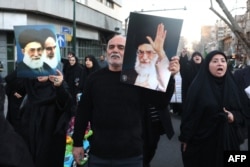
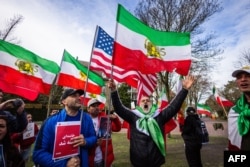
Celebrations of Khamenei's death were reported in several cities -- including Tehran, Karaj, Shahavar, and Isfahan. In Galleh Dar, near Iran's southern coast, video showed crowds toppling a monument to Khamenei's predecessor -- Ayatollah Khomenei.
Celebrations also erupted in Shiraz and Abdanan, with car horns blaring and people carrying photos of some of the thousands of protesters killed in the January crackdown on anti-government demonstrations.
Thousands of people also gathered in a Tehran square on March 1 to mourn Khamenei's death.
A Major Blow To The Regime
Khamenei's killing represents a major blow to the country’s embattled leadership.
Since becoming taking over in 1989 after the death of the founder of the Islamic republic, Ayatollah Ruhollah Khomeini, Khamenei had held near-dictatorial powers.
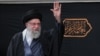
Khamenei was a vocal opponent of moves by any potential moderate leaders to repair relations with the West. He was also a symbol of hatred by many inside Iran who were angered by the repression of the theocratic regime in Tehran.
The Iranian Red Crescent reported on February 28 that at least 201 people were killed and 747 wounded in the air strikes.
Iran's Mizan news agency, which is tied to Iran's judiciary, said 108 people died in a strike on a girls school in Minab, blaming Israel.
Western journalists were not allowed access to the site and the claim could not be verified.

