




Ukrainian drone strikes have hit nearly all the bridges to Crimea and launched a blitz on shipping in recent days, leaving the Russian-occupied Ukrainian peninsula cut off from fuel supplies and its tourist industry devastated at the height of summer.
The relentless campaign continued overnight into July 11 with a Ukrainian attack on four vessels in Taganrog Bay on the Sea of Azov, Russian authorities said.
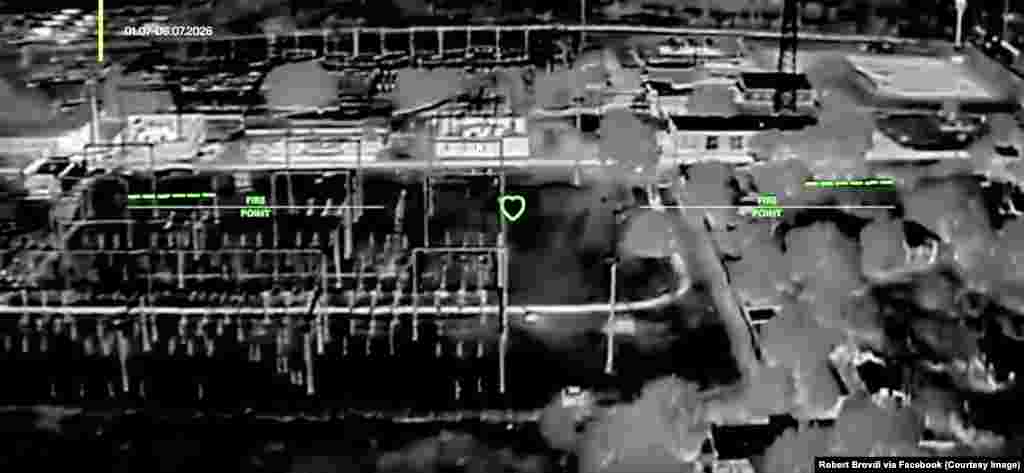
Ukraine’s drone chief, Robert Brovdi, has reported some 50 strikes in five days -- figures which can’t be confirmed independently but appear to be borne out by the fuel crisis in Crimea.
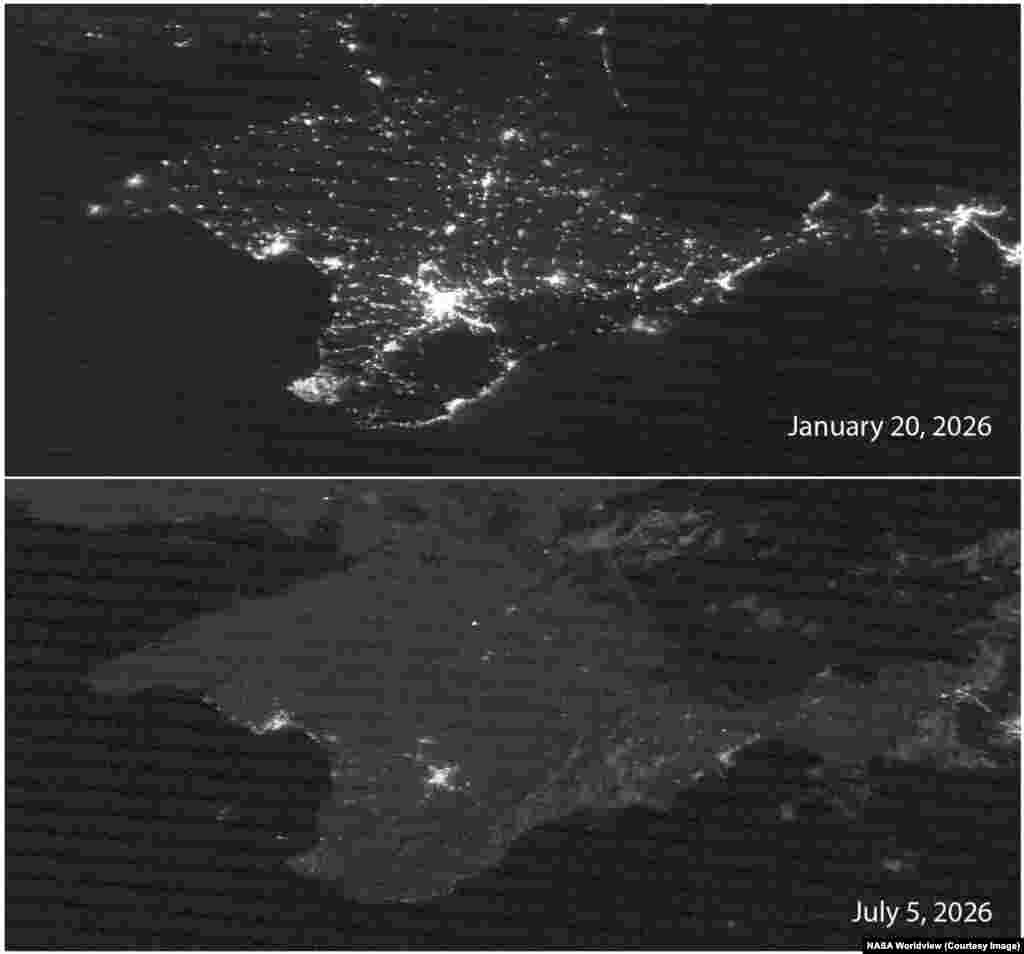
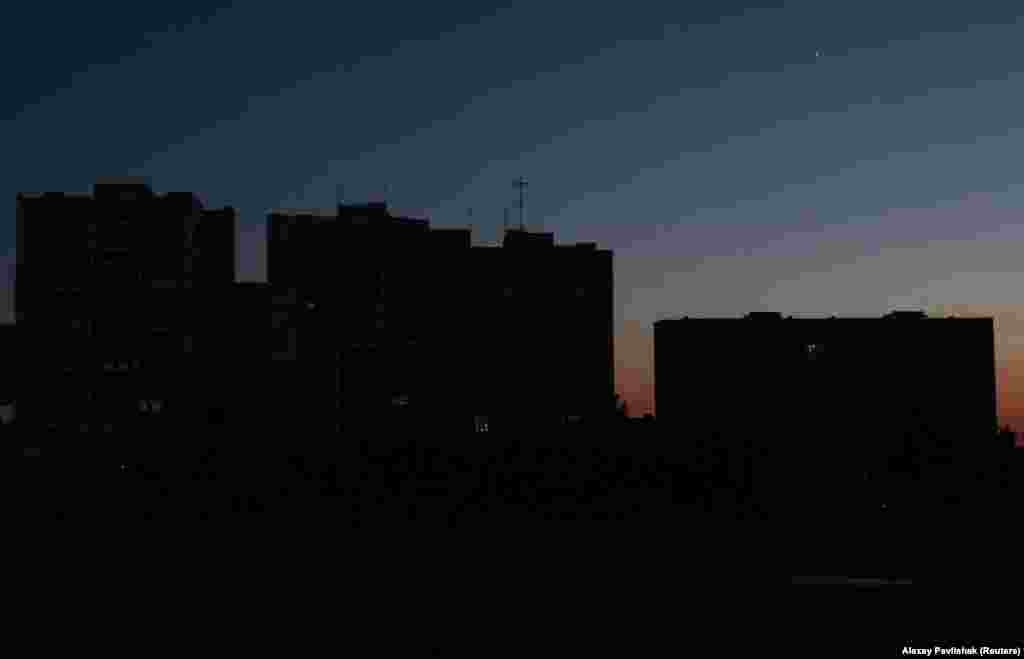
Crimea Goes Dark As Ukrainian Drones Target Electricity Grid
"Fuel has become increasingly scarce. There’s practically none left. There used to be some sold under the counter,” said Oleksandr Liev, tourism minister in the Crimean autonomous government that existed before Russia seized the region in 2014.
“Sometimes something would show up at gas stations…fuel would sometimes appear at exorbitant prices. Over the past day, fuel hasn’t appeared anywhere, not even at exorbitant prices. Sales under the counter are also becoming less frequent," he told Current Time on July 10.
Tourists Seek Evacuation
The fuel crisis has been replicated to varying degrees in regions across Russia, where restrictions have been introduced following Ukraine's campaign of strikes on oil refineries.
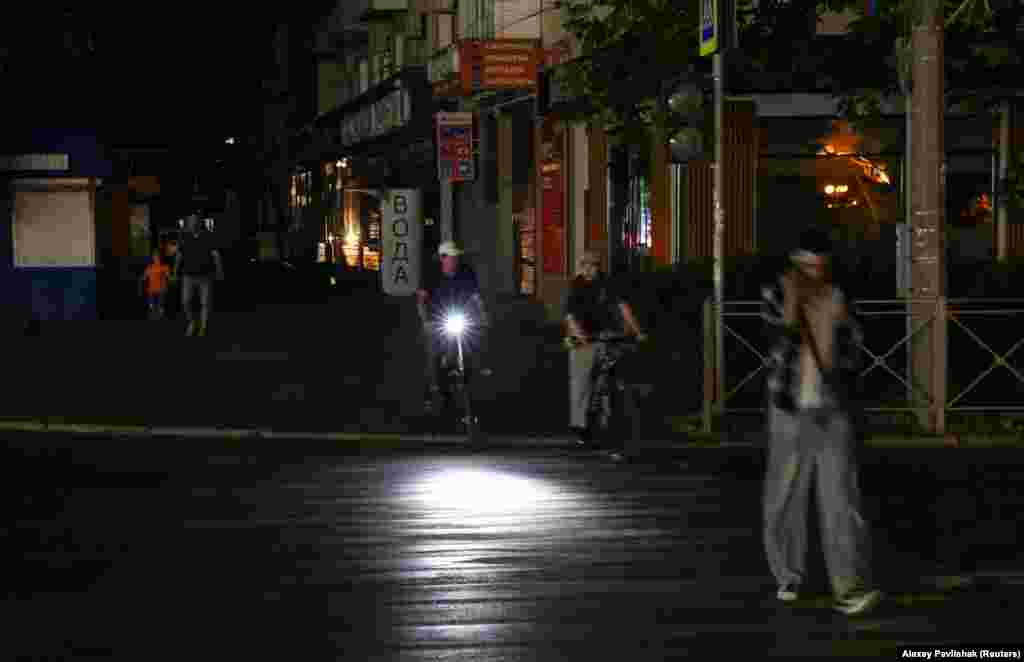
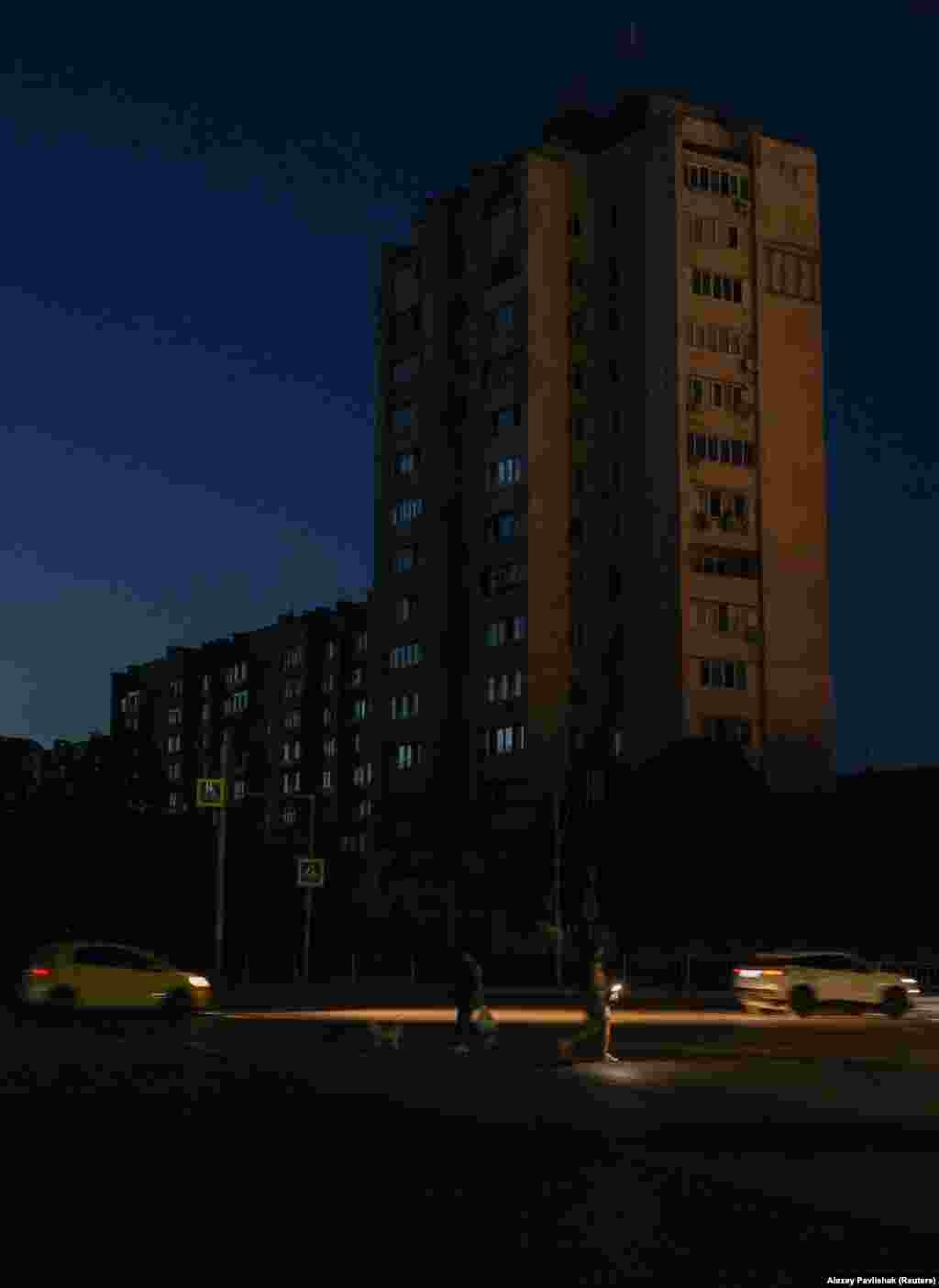
Residents across the peninsula are complaining not only about the lack of gasoline, but also about power outages, communication disruptions, and even shortages of food and water.
Tourists are asking for help with evacuation from Crimea, traditionally a mecca for Russians seeking summer sun on the beach.
Trains are running across a billion-dollar road-and-rail bridge that spans the Kerch Strait, to the peninsula's east. But some tourists arrived for their vacation by car and now don’t have enough gasoline to leave.
The crisis has been building for weeks. In early June, a drone strike on a train caused Russia to suspend rail operations on the bridge. Shortly afterwards, as fuel shortages got worse and attacks mounted, one Russian blogger urged vacationers not to travel to Crimea.


“You can't go to Crimea right now unless it's absolutely necessary. I won't go, even though I need to. There's no gas -- there just isn't any, friends. Not only that -- the land route is closed. It's been bombed, and they're shelling the tanker trucks,” wrote the blogger, who said her father lived on the occupied peninsula.
'We Won't See A Single Butt'
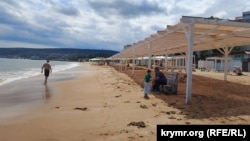
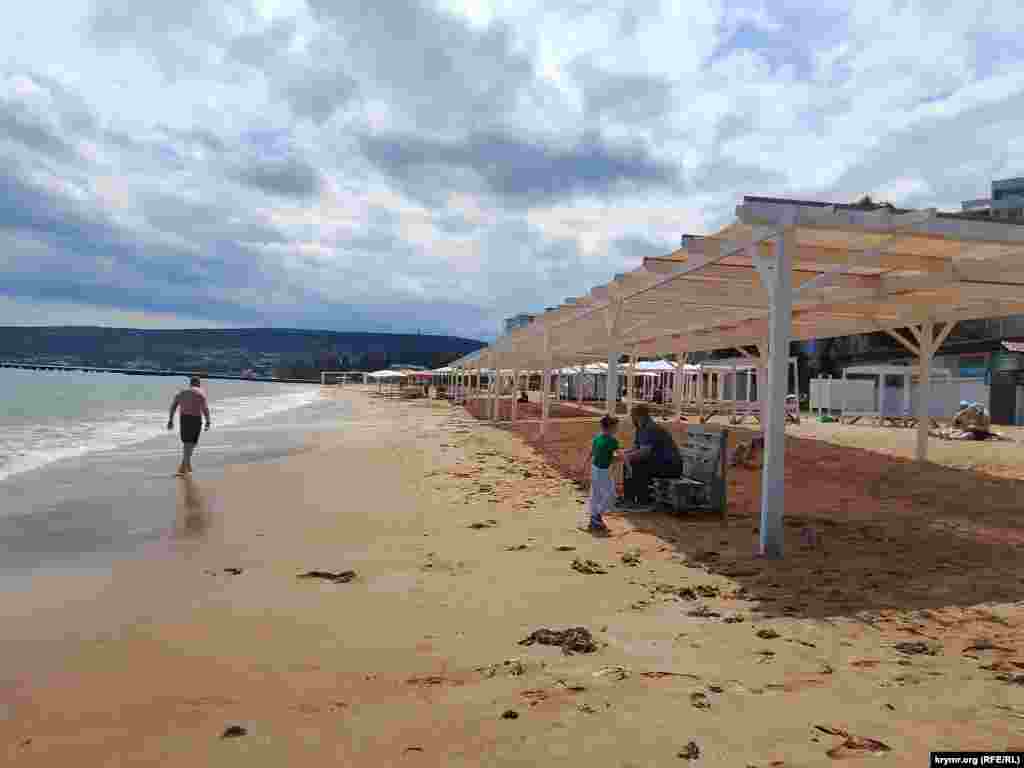
This week, a Crimea-based video blogger took his subscribers on a tour of an empty beach in Feodosia.
“It's totally empty. I wanted to show you more people, but, unfortunately, there aren't that many. Yeah. The beach, of course... actually, guys, looks like we won't see a single butt here,” he said.
Liev, the former minister, told Current Time that cut-price hotel deals were only attracting local customers from different parts of Crimea.
"Just today, one of the managers of a hotel in Yalta told me that they have started receiving reservations from Crimeans,” he said. “Some of them, having the money, now have the opportunity to take a vacation themselves this summer. It’s rare for Crimeans to have such an opportunity.”
Russians wishing to travel to Crimea face background checks including interviews with officials.
The seizure of the territory has been singled out by Russian President Vladimir Putin as a crowning achievement of his rule. In 2014, he said the peninsula had a "sacred meaning" for Russia, comparing it to the Temple Mount in Jerusalem.
The inhabitants are now paying a heavy price for Russian occupation.
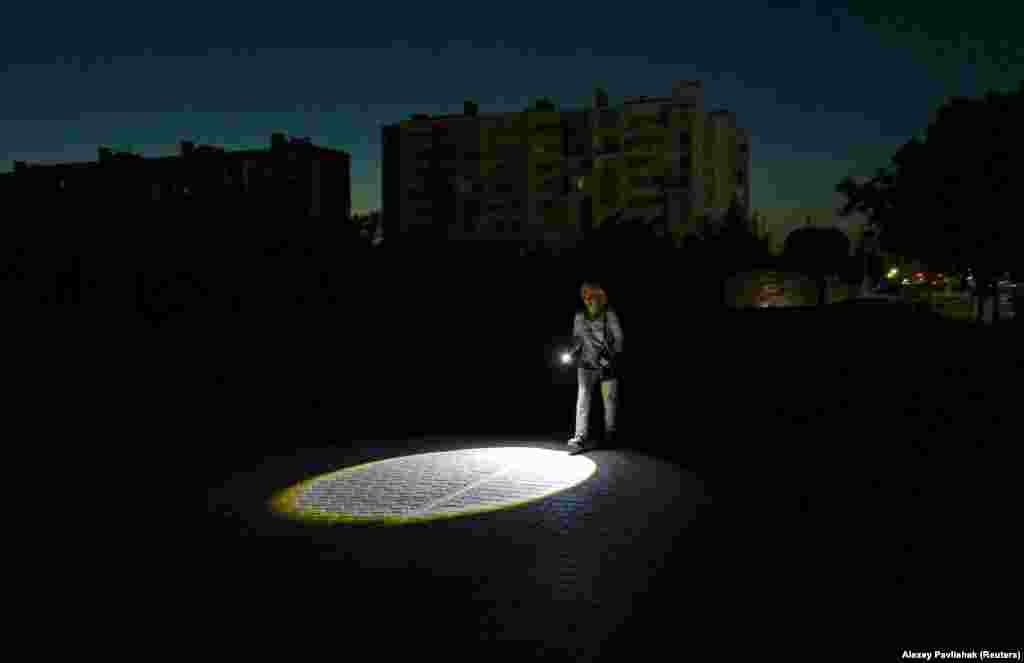
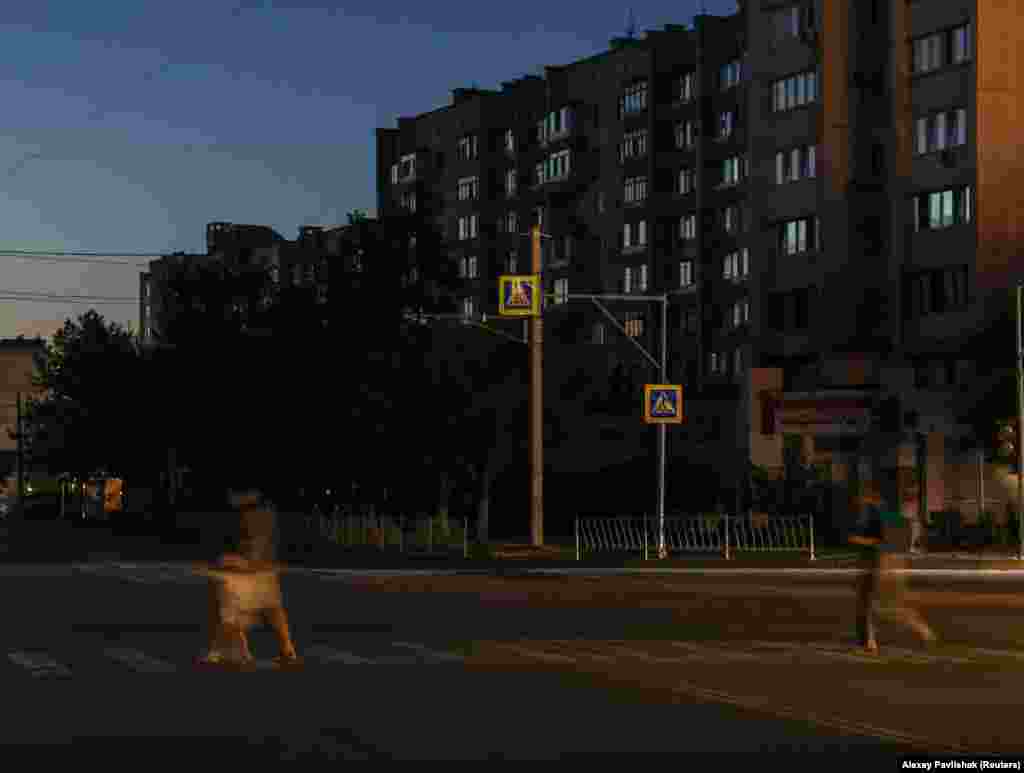
"Today is July 6. I woke up to a power outage, just like everyone else in Sudak and Novy Svet. And, they say, all over Crimea,” a Sudak resident wrote this week.
“No power, no signal, no Internet. Well, I mean, I could make calls and send messages, but mobile Internet was effectively down -- I’d only get notifications, but I couldn’t log into any of the messaging apps,” she said.
Tatyana, a YouTuber in the coastal town of Chornomorske near the western tip of Crimea, has documented similar experiences, including charging her phone from a power point set up by local authorities using a generator in a park.
“We only had five hours of electricity over four and a half days,” she said in one recent video. “My husband brings water in buckets from the hydrant.”
Tatyana has even asked her subscribers for financial support so she can purchase her own generator.


Local TV has told residents they can use “assistance centers.” There, they can also make a call from a landline or store medication in a refrigerator.
“Need to make an urgent call or finish a conversation on a messaging app? You can now charge your cell phone or use a landline at the city’s assistance center for residents,” says one promotional message.
The centers recall the “invincibility points” where Ukrainians have sought refuge from the cold during Russian winter campaigns of attacks on power infrastructure.
In summertime Crimea, though, the weather is more favorable --even if air conditioning units are not working.
Food Prices Skyrocket
The electricity crunch has badly affected small businesses.
“Some stores aren't open at all, while others are still open but only accept cash. The post office isn't open today either,” said a YouTuber in Yalta this week.
Larger stores such as supermarkets are open -- but have hiked prices.
“Parmalat lactose-free milk was 179 rubles ($2.30), now it’s 307,” said one resident in a video recorded as she walked around a store this week. “At the register, the prices were even higher than they were on the price tags. There are signs everywhere stating that the merchandise is being repriced and that the current price is the one at the register.”
Experts cite logistics problems as the main reason for the rise in food prices. As well as the shortage of gasoline, some drivers are afraid to drive to Crimea because they could fall victim to drone attacks.
Brovdi, the Ukrainian drone commander, has declared that trucks carrying gasoline are legitimate targets for the Ukrainian army and has released video footage of drone attacks on Russian trucks.
The Russian occupation authorities promised this week that the supply problems would be solved within two weeks and that gasoline prices would fall. But they did not explain how this would come about.