


Accessibility links

Breaking News

Along Ukraine's Border, Fear, Suspicion, Exhaustion Seep Into A Russian Region

People are seen during an operation to evacuate some 3,000 people from 17 apartment buildings in Belgorod, Russia, over an explosive hazard on April 23.

BELGOROD, Russia -- Not long after Russia launched its full-scale invasion on Ukraine in February 2022, it was impossible not to see signs of the war everywhere in this southwestern border city.

People stuck or taped the letters "Z" or "V" -- symbols of support for the war effort -- everywhere, said Svetlana, a Belgorod resident who asked that her name be changed.

Now, not so much.

"Now it's mostly left on military equipment. There's traces of torn-off stickers or adhesive tape on cars; a clear silhouette remaining," she said. "In my circles, everyone was against the war from the very beginning and believe that it should not have started."

Far from the war zones and killing fields of eastern and southern Ukraine, life in distant places like Moscow and St. Petersburg more than 15 months into the invasion has continued more or less without major disruption or catastrophic inconvenience.

The war is seen in the drumbeat of propaganda on state TV, banners and billboards extolling the sacrifices of soldiers, and official speeches demonizing Ukraine's government and its Western supporters.
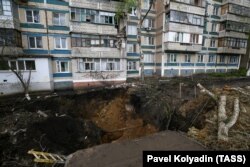
Apartment buildings were evacuated on April 22 after a Sukhoi Su-34 fighter jet accidentally dropped ammunition on Belgorod.

Located just 60 kilometers from the border, alongside a major highway leading to Ukraine's second-biggest city, Kharkiv, however, war came to Belgorod more quickly, and more immediately.

And in Belgorod, people are weary.

"I was just in Valuyki," a town even closer to the Ukraine border, Svetlana said in a recent interview with Current Time in Belgorod. "They all don't really support it."

Interviews by Current Time with current and former residents of Belgorod and surrounding towns show that people are indeed tired or frightened. The region has seen periodic shelling and cross-border rocket attacks; few of them have caused major damage, though several, including one in April 2022 that detonated a fuel depot in Belgorod, rattled nerves.

On July 3, 2022, four people were killed and four others were injured when an explosion hit the center of Belgorod. Russian authorities accused Ukraine of firing a missile at the city that they said was shot down, with wreckage landing in part of the city.

But the fear exploded into wider, public view last week when a group of anti-Kremlin fighters who said they supported Ukraine staged a two-day cross-border raid in what became the most intense fighting inside Russia's borders since the launch of the invasion. Two people died as a result of the raid and its aftermath; more than a dozen people were wounded.

WATCH: These are some of the men who launched an armed incursion from Ukraine into Russia's Belgorod region on May 22. All Russian citizens, some of them have been active members of far-right or neo-Nazi groups, while others have served in Russia's security services.
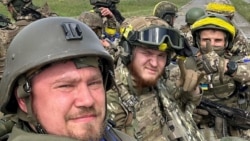
The Men Who Launched A Cross-Border Raid From Ukraine Into Russia
please wait

No media source currently available

0:00 0:03:27 0:00

On May 28, Belgorod's governor announced that schools in all districts closest to the border would be canceling the rest of the school year for security reasons.

Alina, another Belgorod resident who also asked that her name be changed, said that even though most people in the Belgorod region have gotten used to the war, people still are unsettled, for example, by the cross-border raid.

She said she feels offended to see storefronts and shops in her hometown of Shebekino, southeast of Belgorod city, closer to the border, with sandbags in their windows. And many businesses have closed down.

"Life in the city has changed dramatically: Acquaintances, relatives, dear people, friends dear to my heart have left," she said.

Nikita Pamyonov, a Belgorod journalist, said initially, after the invasion was launched, people in the region were in shock. "And then, as usually happens, everyone got used to the fact that there's an ongoing war," he said.

"The fighting is now ignored mainly by those who have not been personally affected by the trouble," he added.
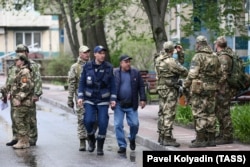
Security service officers patrol Belgorod on April 22.

"The residents of the border villages felt much earlier [the impact of] what was happening and where they were. And in Belgorod, the authorities tried to somehow distract the people," Pamyonov said.

Last spring, he recalled, city authorities organized a municipal festival.

"It was like holding some kind of feast during a plague," he said, speaking from Belgorod. "Russians and Ukrainians are killing each other 70 kilometers away, and in Belgorod there's a festival and everything is fine."

'The City Has Become Somehow Bleak, Gray'

Yekaterina Lobanovskaya, a reporter from a village west of Belgorod, fled Russia a couple months after the invasion.

She says she stays in regular contact with people back home.

"Judging by the stories of my friends, life in the city goes on," she said. "But recently I spoke with two of my friends, and without saying a word they told me roughly the same thing: The city has become somehow bleak, gray."
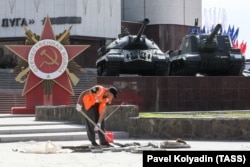
A utility worker repairs the pavement by a World War II memorial in the run-up to Victory Day celebrations in Belgorod on May 5.

"Before the war, Belgorod was sunny, life was in full swing there, there was always some kind of movement. We even had an expression that Belgorod was a city of goodness and prosperity," she said.

Svetlana said despite 15 months of proximity to the invasion, authorities hadn't done much to construct civil defenses or emergency preparedness plans.

The existing bomb and air-raid shelters, located mainly in building basements that are locked all the time, aren't functional, she says.

"They were closed from the first days due to anti-terrorist measures. Authorities said they'd be open in the case of incoming (rocket fire) or shelling, but forget about it," Svetlana said. "How many shellings have there been? They've never been opened. Never."

Pamyonov, the reporter, echoed that complaint.

"The bomb shelters are a total fiction," he said. "This was just done for show.... These shelters will not save anyone, because they are simply closed."
Most people who have remained in the region seemed to have just gotten used to the war next door, Svetlana said, and also to the increasingly more frequent blowback on this side of the border.

"Everyone is already super accustomed to war. It used to be infuriating that you couldn't get enough sleep from the sounds of air defenses. But now you just don't pay attention," she said. "So things go, Bang! Bang! You wake up and just think: ‘Ah, well, it just woke me up; to hell with them."

"Everyone is just waiting for it all to end," she said.

'Few People In Other Regions Understand'

One man, who lives in the town of Stary Oskol, northeast of Belgorod, said most of the people he knew support the war, which the Kremlin has ordered to be only called a "special military operation."

"Oskol is far from the border. What's going on here?" the man, who asked to remain anonymous, told RFE/RL's Current Time. "There used to be a lot of military around, but now there's none at all. You can meet maybe a maximum of one or two [soldiers] a week, not like before."

"We're far from the front," he added. "What's there to worry about?"

IN PHOTOS: The damage allegedly caused by Ukrainian-based Russian militants after a suspected armed incursion into Russia's Belgorod region.

Humvees, Wreckage After 'Cross-Border Raid' Into Russia
This image, showing U.S.-made Humvees in an apparent explosion crater, is from a video released by Russian authorities on May 23 after what is described as a cross-border raid into Russia's Belgorod region that began a day earlier.
1/8 This image, showing U.S.-made Humvees in an apparent explosion crater, is from a video released by Russian authorities on May 23 after what is described as a cross-border raid into Russia's Belgorod region that began a day earlier.
Photos show damage allegedly caused by Ukrainian-based Russian militants after a suspected armed incursion into Russia's Belgorod region.
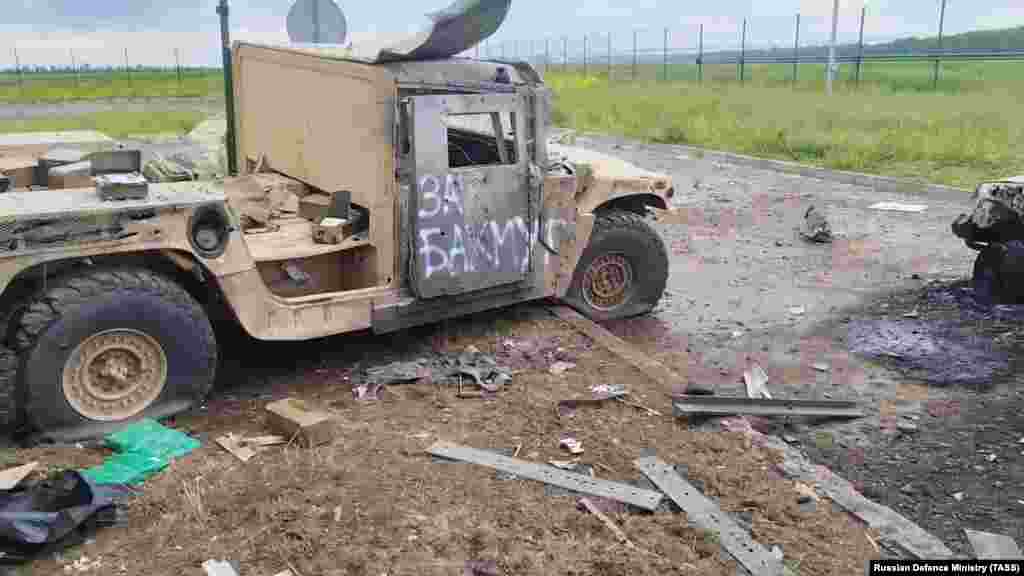
A damaged vehicle with &quot;For Bakhmut&quot; spray-painted on its door is seen in a video grab from footage believed to have been taken inside Russia on May 23.&nbsp;<br />
<br />
The raid into Belgorod was reportedly launched by the Russian Volunteer Corps and the Free Russia Legion. Both groups are made up of ethnic Russians who have fought alongside the Ukrainian military against the Russian invasion.
2/8 A damaged vehicle with "For Bakhmut" spray-painted on its door is seen in a video grab from footage believed to have been taken inside Russia on May 23. 

The raid into Belgorod was reportedly launched by the Russian Volunteer Corps and the Free Russia Legion. Both groups are made up of ethnic Russians who have fought alongside the Ukrainian military against the Russian invasion.
Photos show damage allegedly caused by Ukrainian-based Russian militants after a suspected armed incursion into Russia's Belgorod region.
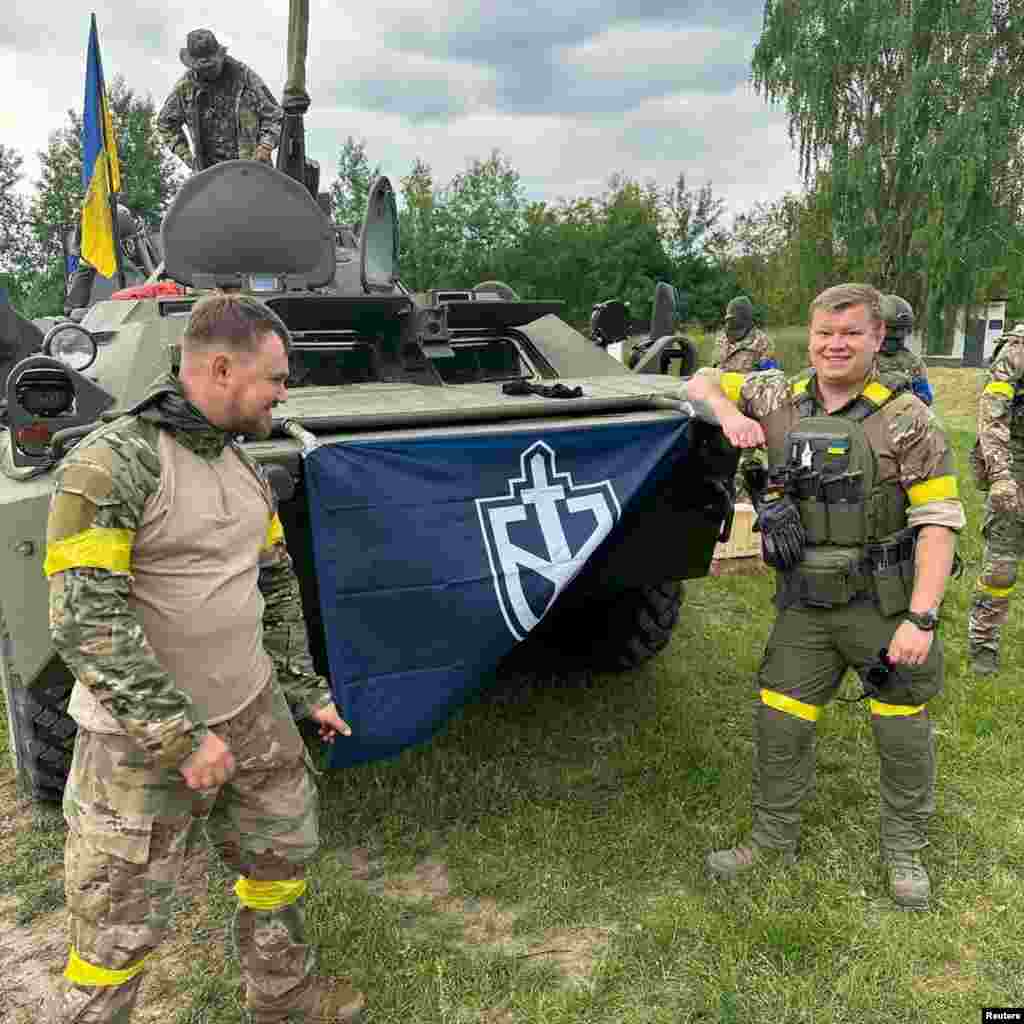
Members of the Russian Volunteer Corps display their flag in an image apparently taken inside Russian territory that was released on May 23.&nbsp;<br />
<br />
Michael Colborne, a journalist with the open-source investigative group Bellingcat, <strong><a href="https://www.vice.com/en/article/3akdpy/anti-putin-militias-celebrating-attacks-on-russia-are-filled-with-neo-nazis">told Vice News</a></strong>&nbsp;that he immediately recognized some of the men allegedly involved in the raid as well-known neo-Nazis.<br />
<br />
&quot;These are people who have literally organized Hitler worship nights, written poems about Hitler, and lead bands whose names and songs are about Hitler,&quot; he said.
3/8 Members of the Russian Volunteer Corps display their flag in an image apparently taken inside Russian territory that was released on May 23. 

Michael Colborne, a journalist with the open-source investigative group Bellingcat, told Vice News that he immediately recognized some of the men allegedly involved in the raid as well-known neo-Nazis.

"These are people who have literally organized Hitler worship nights, written poems about Hitler, and lead bands whose names and songs are about Hitler," he said.
Photos show damage allegedly caused by Ukrainian-based Russian militants after a suspected armed incursion into Russia's Belgorod region.
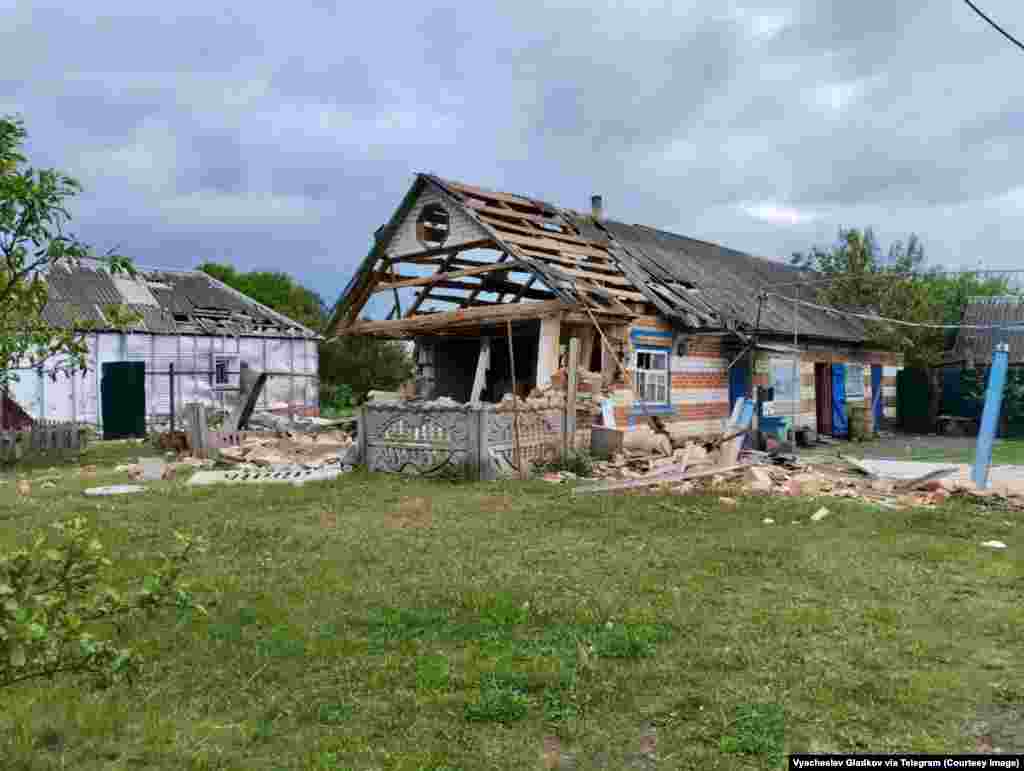
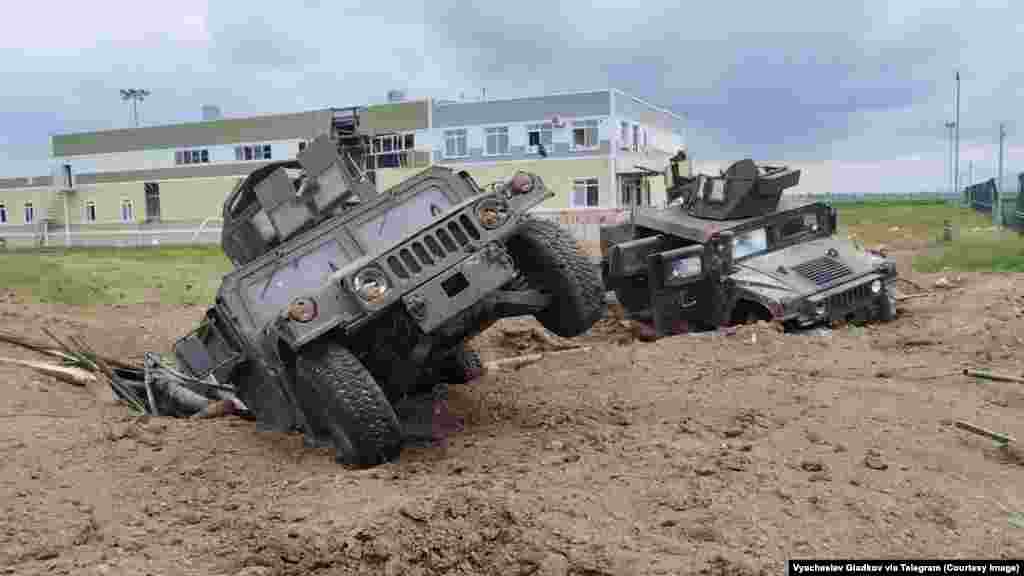
Photos posted to Telegram by Belgorod&#39;s Governor Vyacheslav Gladkov on May 23 showed the apparent aftermath of the raid, including these damaged vehicles.&nbsp;<br />
<br />
The Russian Defense Ministry on May 23 claimed that its troops had surrounded enemy fighters and used &quot;air strikes, artillery fire, and active action by border units&quot; to push back the forces, killing many of them.<br />
<br />
Those claims have not been independently confirmed.&nbsp;
4/8 Photos posted to Telegram by Belgorod's Governor Vyacheslav Gladkov on May 23 showed the apparent aftermath of the raid, including these damaged vehicles. 

The Russian Defense Ministry on May 23 claimed that its troops had surrounded enemy fighters and used "air strikes, artillery fire, and active action by border units" to push back the forces, killing many of them.

Those claims have not been independently confirmed. 
Photos show damage allegedly caused by Ukrainian-based Russian militants after a suspected armed incursion into Russia's Belgorod region.
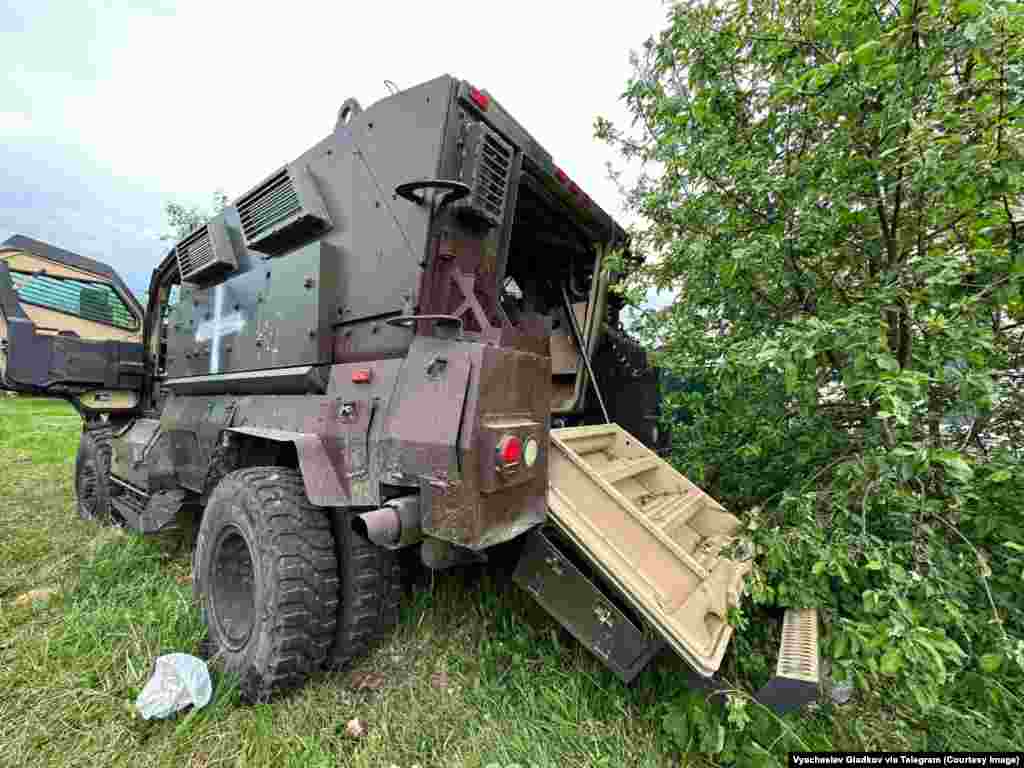
Gladkov&#39;s images included this photo of an American-Israeli-designed MaxxPro MRAP mine-resistant vehicle that was apparently abandoned during fighting in the Belgorod region.<br />
<br />
&quot;We&#39;ve seen some of the reports circulating on social media and elsewhere making claims that U.S.-supplied weapons were used in these attacks. I will say that we&#39;re skeptical at this time of the veracity of these reports,&quot; State Department spokesman Matthew Miller told a media briefing on May 23.<br />
<br />
&quot;As a more general principle, as we&#39;ve said, as I&rsquo;ve said yesterday, we do not encourage or enable strikes inside of Russia, and we&#39;ve made that clear. But as we&#39;ve also said, it is up to Ukraine to decide how to conduct this war,&quot; Miller added.
5/8 Gladkov's images included this photo of an American-Israeli-designed MaxxPro MRAP mine-resistant vehicle that was apparently abandoned during fighting in the Belgorod region.

"We've seen some of the reports circulating on social media and elsewhere making claims that U.S.-supplied weapons were used in these attacks. I will say that we're skeptical at this time of the veracity of these reports," State Department spokesman Matthew Miller told a media briefing on May 23.

"As a more general principle, as we've said, as I’ve said yesterday, we do not encourage or enable strikes inside of Russia, and we've made that clear. But as we've also said, it is up to Ukraine to decide how to conduct this war," Miller added.
Photos show damage allegedly caused by Ukrainian-based Russian militants after a suspected armed incursion into Russia's Belgorod region.
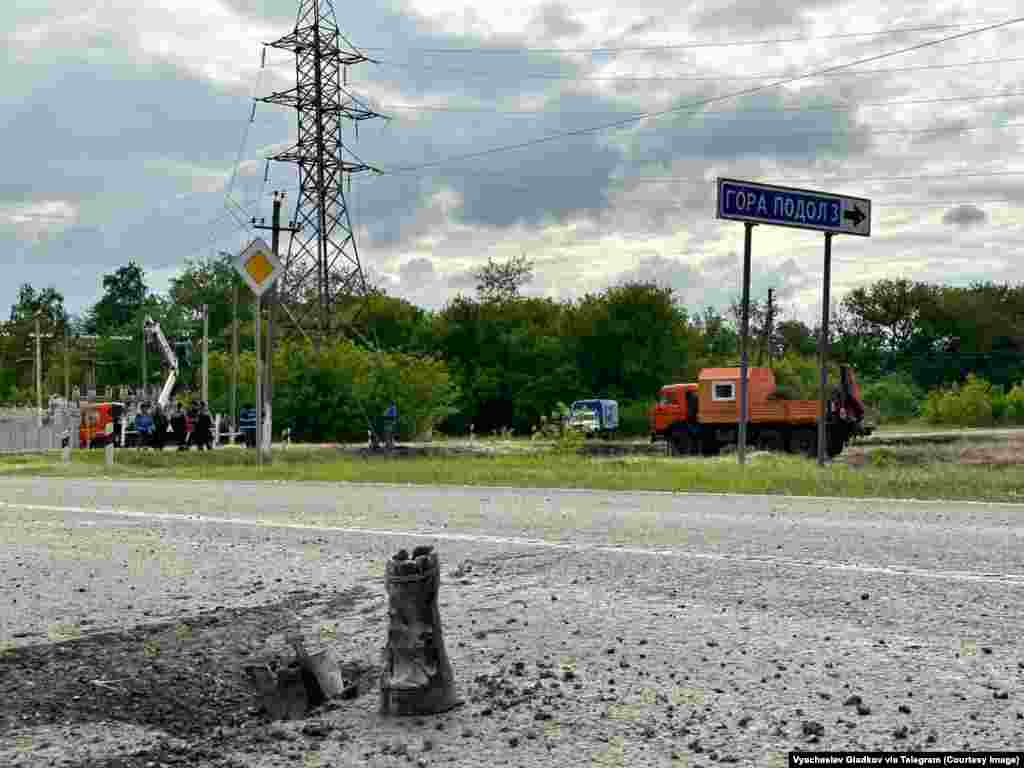
Damage seen near the border town of Gora Podol in the Belgorod region.&nbsp;
6/8 Damage seen near the border town of Gora Podol in the Belgorod region. 
Photos show damage allegedly caused by Ukrainian-based Russian militants after a suspected armed incursion into Russia's Belgorod region.
A damaged house in the Belgorod region.&nbsp;<br />
<br />
Andriy Chernyak, from Ukraine&rsquo;s military intelligence directorate, <a href="https://www.ft.com/content/0b57c31b-814d-4554-91d8-d49b066cea69?shareType=nongift"><strong>told the Financial Times</strong> </a>that the Ukrainian military has previously worked with the ethnic Russian fighters, but insisted that Kyiv was not involved in planning the May 22 raid.<br />
<br />
&quot;Of course, we communicate with them. Of course, we share some information...and some might say we even cooperate,&rdquo; Chernyak said.
7/8 A damaged house in the Belgorod region. 

Andriy Chernyak, from Ukraine’s military intelligence directorate, told the Financial Times that the Ukrainian military has previously worked with the ethnic Russian fighters, but insisted that Kyiv was not involved in planning the May 22 raid.

"Of course, we communicate with them. Of course, we share some information...and some might say we even cooperate,” Chernyak said.
Photos show damage allegedly caused by Ukrainian-based Russian militants after a suspected armed incursion into Russia's Belgorod region.
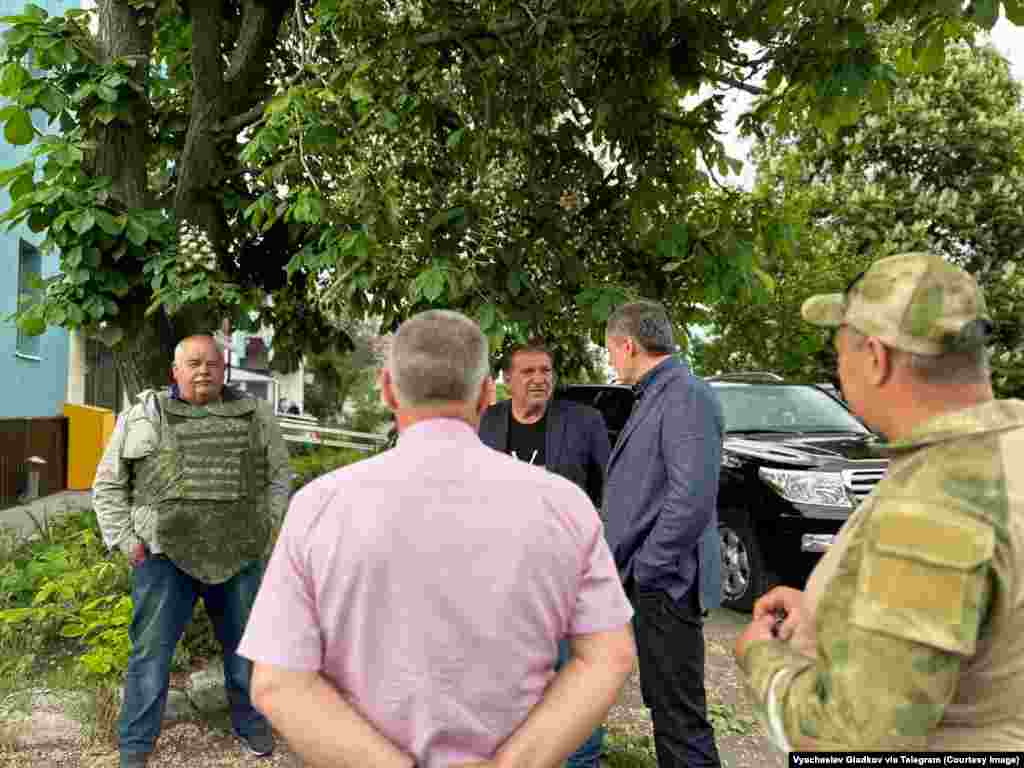
A man wears an armored vest as Belgorod Governor&nbsp;Vyacheslav Gladkov (in blue jacket) meets residents near where fighting took place.&nbsp;<br />
<br />
Leaders of the anti-Kremlin Russian militants say cross-border raids are intended to inspire Russians to rise up against their government.
8/8 A man wears an armored vest as Belgorod Governor Vyacheslav Gladkov (in blue jacket) meets residents near where fighting took place. 

Leaders of the anti-Kremlin Russian militants say cross-border raids are intended to inspire Russians to rise up against their government.
Photos show damage allegedly caused by Ukrainian-based Russian militants after a suspected armed incursion into Russia's Belgorod region.
Previous slide
Next slide

Alina said people she knew were definitely more on edge, more anxious.

"We more often snap at relatives and people around us," she said.

"Each person has his own opinion, the opposite opinion, even among friends; this causes negativity, quarrels. Nobody needs this now, you need to support and take care of each other," she said.

Pamyonov said there was a growing sense of paranoia, suspicions about espionage or saboteurs.

"It's a total nuthouse: people complaining about how the street curbs are painted yellow and blue," he said-- the colors of the Ukrainian flag.

He said one local neighborhood official recently urged people not to feed pigeons because they could be flying in from bioweapons laboratories in Kharkiv.

It's a very difficult situation in Belgorod now, Alina said.

"Few people in other regions understand what that situation is," she said -- "that we are now in, pardon the expression, deep shit."

Written by Mike Eckel based on reporting by Current Time correspondents on the ground in Russia. Their names are being withheld for their safety
  • 16x9 Image

    Current Time

    Current Time is the Russian-language TV and digital network run by RFE/RL.

This item is part of
XS
SM
MD
LG