




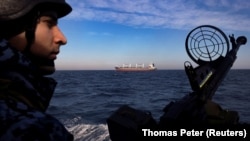
Ukraine and Russia have separately agreed at talks with the United States in Saudi Arabia that they will stop using military force in the Black Sea and develop measures to ban strikes against energy facilities in the two countries.
The White House said in two separate statements about the talks that the agreement would help restore Moscow’s access to global markets for Russian agricultural and fertilizer exports that have been cut off since the Kremlin launched its full-scale invasion of Ukraine more than three years ago.

"The United States will continue facilitating negotiations between both sides to achieve a peaceful resolution," the White House statements said.
The agreements mark the first step toward a broader cease-fire deal to end the largest and deadliest conflict in Europe since World War II, although the statements didn't mention ending strikes on other civilian infrastructure targets beyond energy.
Both Kyiv and Moscow confirmed the deal, although the Russian statement appeared to indicate major caveats for its side.
In a statement about the US-Russia talks, the Kremlin said it would adhere to the agreement only once its state agriculture bank is reconnected to SWIFT, the international payment system, and some trade restrictions are lifted that were imposed on Moscow following its full-scale invasion of Ukraine.
Partial Cease-Fire, All-Out War: In Ukraine And Russia, A Harsh Reality Amid Peace Talks
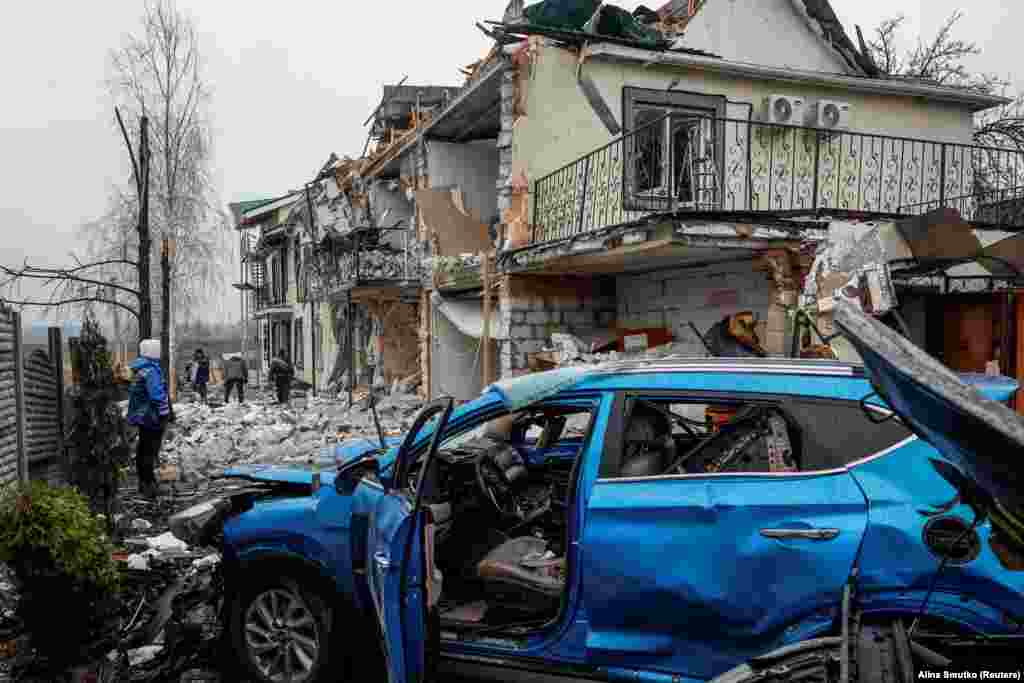
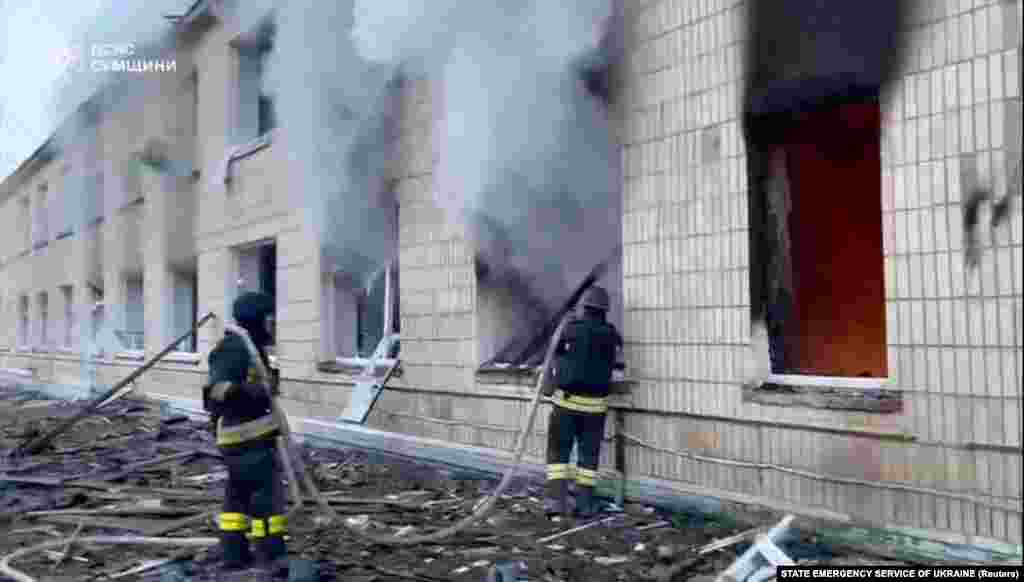


![<p>Residents of an apartment block in Ukraine's central Kirovohrad region clear rubble on March 20 after a Russian drone strike.<br><br>In early March, Ukraine had <a href="https://edition.cnn.com/2025/03/11/world/ukraine-us-talks-saudi-arabia-intl/index.html" target="_self"><strong>agreed to a full cease-fire</strong></a> during ongoing peace talks, but the proposal was rejected by Russia. "Who will determine where and who has violated a potential cease-fire agreement along 2,000 kilometers [front line]? And who will then blame whom for violating that agreement?" Russian President Vladimir Putin <a href="https://tass.com/politics/1927803" target="_self"><strong>told reporters.</strong></a>](https://gdb.rferl.org/996fd674-d5ab-45a9-a3da-b7507e907a7c_w1024_q10_s.jpg)
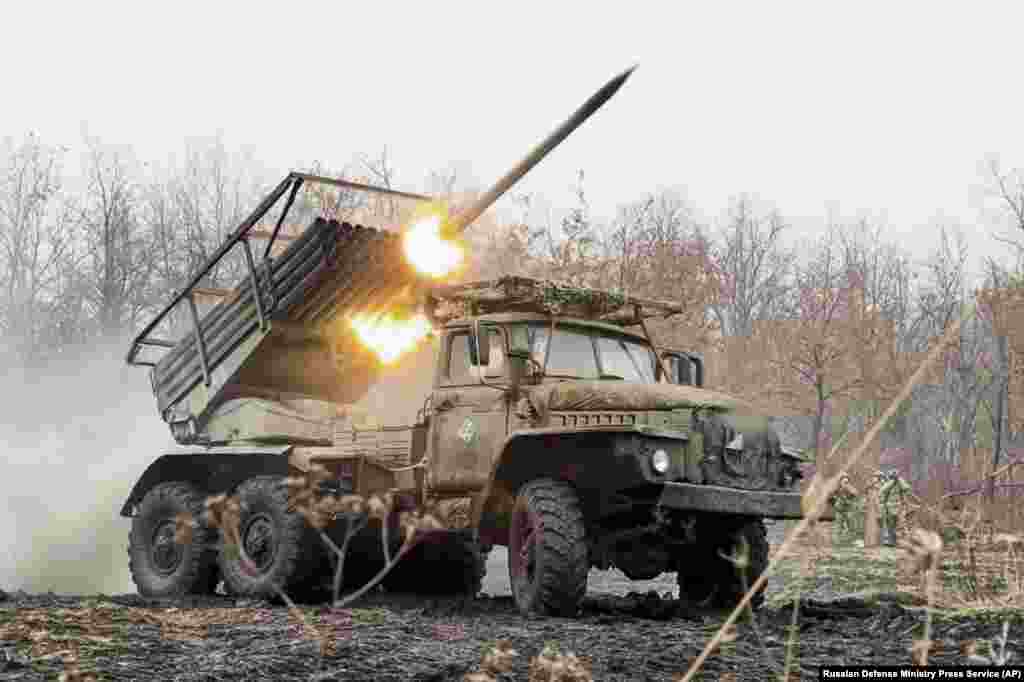
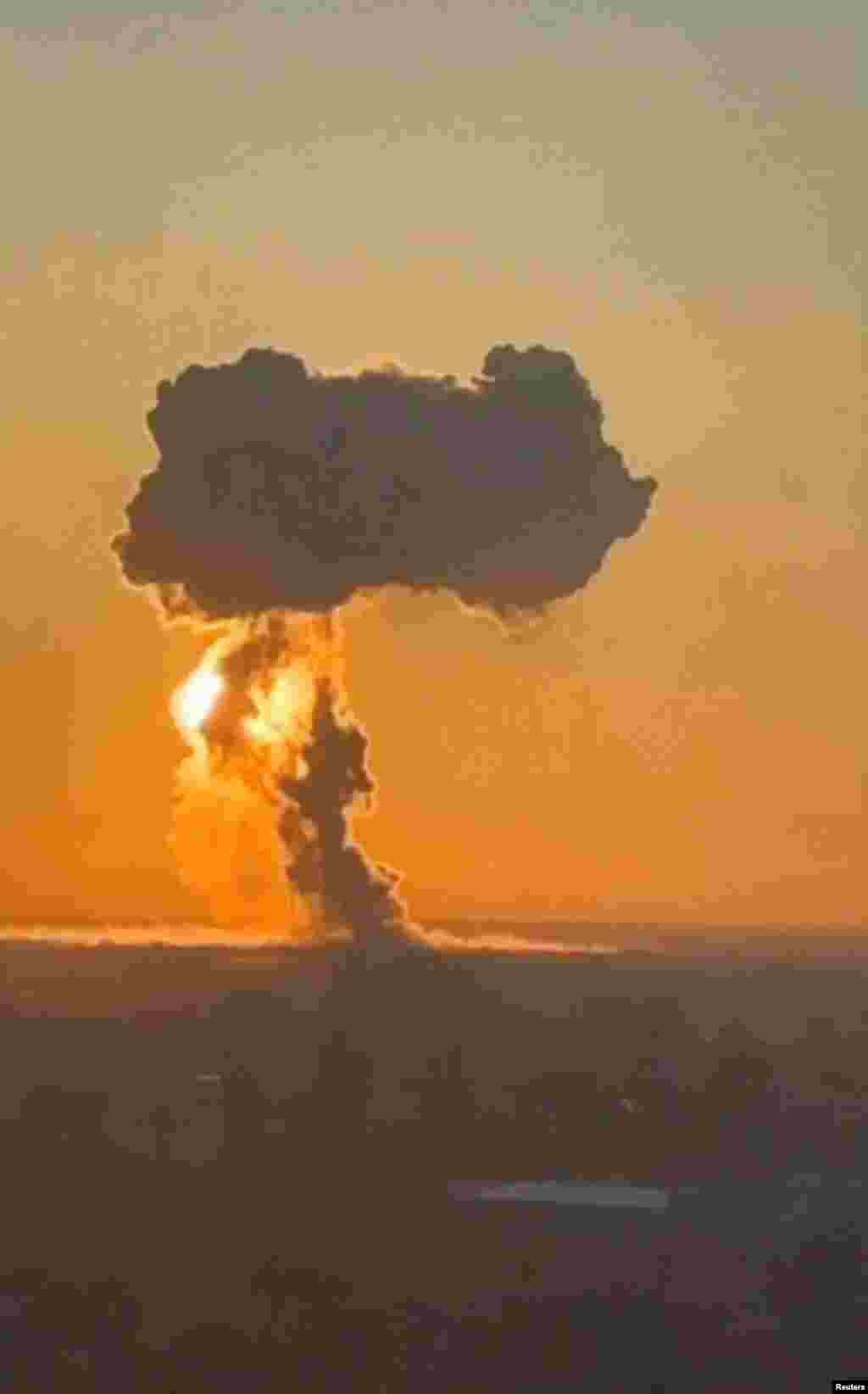
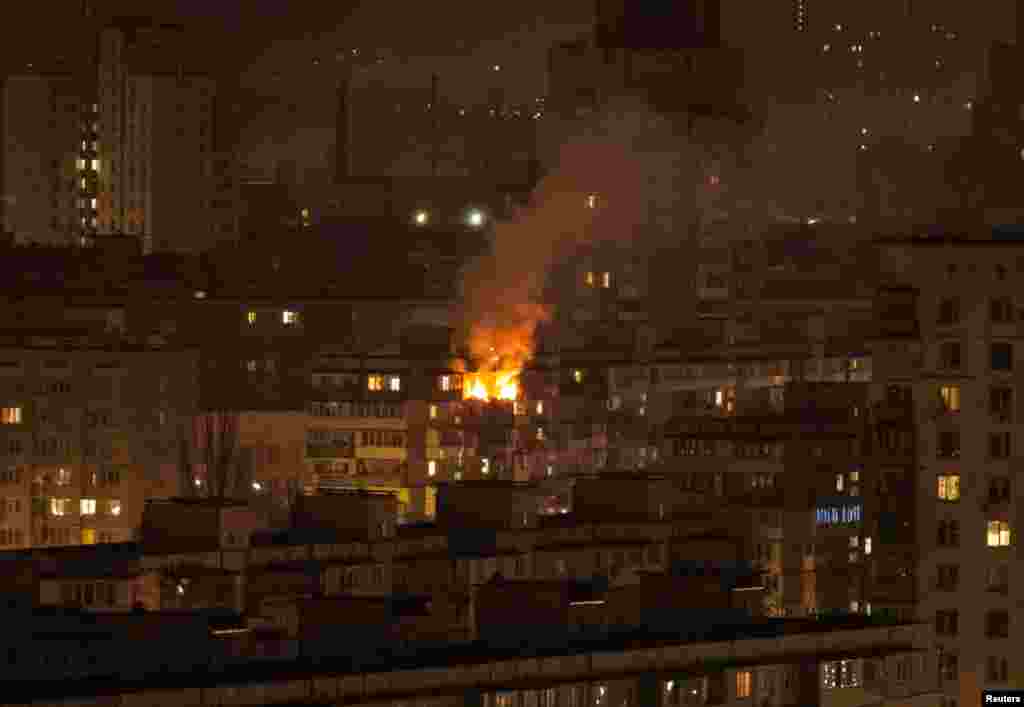
The White House said in its own statement that it “will help restore Russia’s access to the world market for agricultural and fertilizer exports, lower maritime insurance costs, and enhance access to ports and payment systems for such transactions,” which could be a first step toward lifting wider sanctions placed on Russia.
"We're thinking about all of them right now," US President Donald Trump said when asked about the sanctions Russia says need to be lifted before it implements the Black Sea deal. "We're looking at all of them."
Trump said later that Russia could be stalling on ending the war.
“I think that Russia wants to see an end to it, but it could be they’re dragging their feet,” Trump said in an interview with US broadcaster Newsmax.
Ukrainian President Volodymyr Zelenskyy also reacted to the deal, saying that Kyiv intends to hold up its end and will push for further sanctions if Russia fails to do the same.
"It is too early to say that it will work, but these were the right meetings, the right decisions, the right steps," he said on March 25.
"If they violate, here is the evidence -- we ask for sanctions, we ask for weapons," Zelenskyy added.
The Road Toward A Cease-Fire
While the agreements mark progress, the path forward remains unclear.
In his comments to reporters following news of the Black Sea deal, Zelenskyy stated that the partial truce was effective immediately.
But according to the Kremlin statement, the temporary moratorium on strikes on energy infrastructure that started on March 18 and is valid for 30 days -- although it can be extended by mutual agreement.
The Kremlin added that if the agreement is breached by one party, the other party is also released from compliance.
This led to Zelenskyy accusing Russia of lying about the outcome of talks with US negotiators.
“The Kremlin is lying again, claiming that the Black Sea cease-fire supposedly depends on sanctions and that the energy cease-fire supposedly began on March 18," he said in his nightly address to Ukrainians. "Moscow always lies."
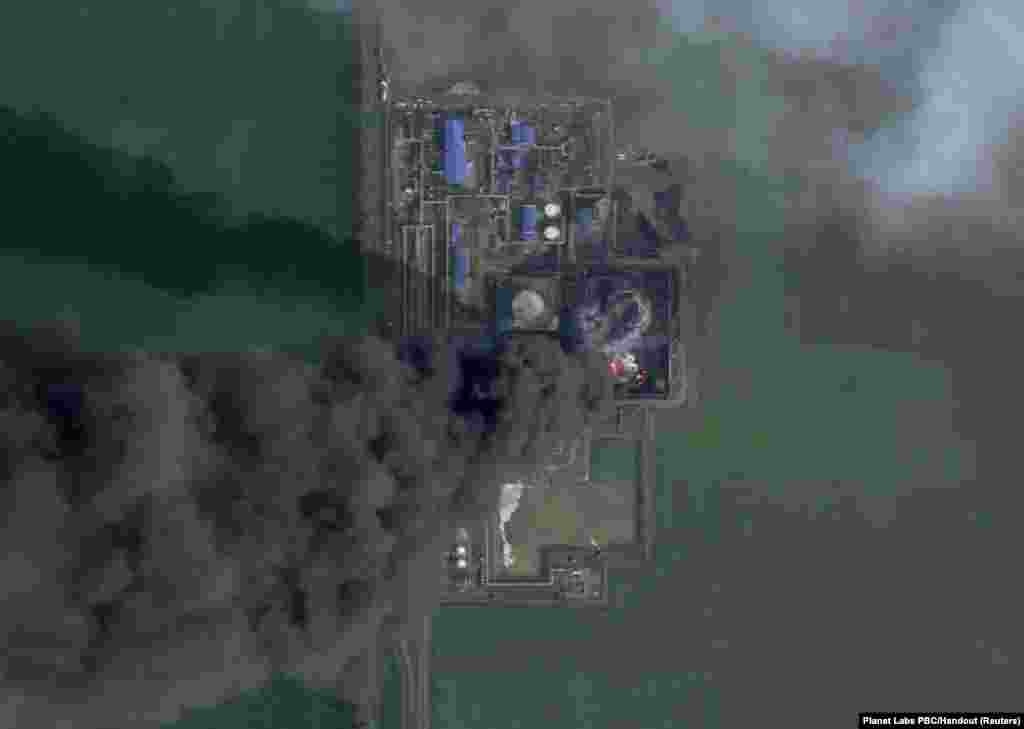
Oil refineries, oil and gas pipelines, and nuclear power stations are among the targets that Russia and Ukraine agreed to temporarily stop attacking.
A list posted on the Kremlin's Telegram channel and said to be "agreed between the Russian and American sides" also included fuel storage facilities, pumping stations, and other infrastructure used for electricity generation like power plants, transformers, and hydroelectric dams.

Other questions remain over the Kremlin's desire to have trade and payment restrictions lifted on its agriculture bank, and any coordination with European governments that may be required to do so.
The EU placed its own sanctions on Moscow and in an article published on March 24, David O'Sullivan, the European Union’s sanctions envoy, said that the bloc remains committed to keeping Russia sanctions in place despite pressure to ease them.
"Whatever the US now does, no reason exists to change course," O'Sullivan wrote for the Center for European Policy Analysis (CEPA) think tank.
In another sign of how arduous the talks have been and the difficulties that lie ahead, Russian Foreign Minister Sergei Lavrov said in televised comments that the Kremlin will need "clear guarantees" from Washington that Ukraine will respect the deal.
Meanwhile, Ukrainian Defense Minister Rustem Umerov, who took part in the talks, said on X that Kyiv would see any movement of Russian naval vessels beyond the eastern Black Sea as a violation of the spirit of the agreements reached in Riyadh.
The Zaporizhzhya Nuclear Power Plant in southern Ukraine will also remain in Russia’s control, the Russian Foreign Ministry said following the end of the talks.
The ministry said transferring control to Ukraine or other countries would be impossible -- as would operating it jointly -- because of concerns over physical and nuclear safety.
Trump last week floated the idea of the US taking control of the power plant, which was seized by Russia early in the war.
The United States also said it is committed to helping Ukraine exchange prisoners of war, release civilian detainees, and return “forcibly transferred Ukrainian children,” as measures to achieve a durable cease-fire between Kyiv and Moscow.
Why Is The Black Sea Important For Russia And Ukraine?
Both Kyiv and Moscow rely on the Black Sea for commodity exports.
With the help of Turkey and the United Nations, both countries brokered a deal in mid-2022 allowing Ukraine to ship grain through the sea, but Russia withdrew from the agreement the following year as it argued that Western sanctions on its banks were severely limiting its ability to export agricultural products.
Russian then said it would view any vessel bound for Ukraine as a potential military target.
The Ukrainian military responded with a campaign that destroyed Russian warships and eventually pushed the Russian Navy out of the western parts of the Black Sea.
The operation allowed Ukraine to establish a new shipping zone in the Black Sea and return seaborne grain exports to near-prewar levels.

