


Russian Drones, Missiles 'Still Terrorizing Ukraine,' Zelenskyy Says Ahead Of Meeting With Trump
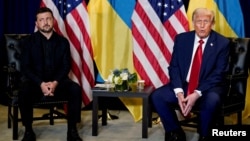
US President Donald Trump meets with Ukrainian President Volodymyr Zelenskyy in September at the United Nations in New York City. (file photo)
Ukrainian President Volodymyr Zelenskyy said a swarm of Russian drones attacked his hometown in Ukraine on the eve of his meeting with US President Donald Trump at the White House.
Zelenskyy said the attack on Kryviy Rih in southeastern Ukraine late on October 16 was an example of how Russia is “still terrorizing Ukraine,” and he said there were “dozens more attack drones in our skies” and missiles were also spotted.
“In fact, not a single night in recent weeks has passed without Russian strikes on Ukraine” and most of the targets are infrastructure, Zelenskyy said on Xafter arriving in Washington ahead of his meeting with Trump.
Zelenskyy said Russia will be forced to stop the war only when it is no longer able to continue it, and the way Russia can show its true readiness for peace lies not in words but in ceasing the strikes and killings.
“Therefore, every air defense system for Ukraine matters,” he said. “Every decision that can strengthen us brings the end of the war closer. Security can be guaranteed if everything we have agreed on, including here in Washington, is implemented.”

The talks between Trump and Zelenskyy are expected to include discussions on Ukraine's air defenses and long-range strike capabilities, including the possibility that the US could provide Ukraine with Tomahawk missiles.
Trump made a surprise announcement earlier on October 16 that he and Russian President Vladimir Putin had spoken by phone and agreed to meet in Budapest.
Trump said on social media that there would be a meeting of high-level advisers next week before he and Putin sat down "to see if we can bring this 'inglorious' War, between Russia and Ukraine, to an end."
The US delegation will be led by Secretary of State Marco Rubio, he said. The location for the meeting has yet to be determined.
Trump told reporters at the White House that he expects his meeting with Putin will take place "within two weeks" and will be hosted by Hungarian Prime Minister Viktor Orban, who has maintained cordial relations with Russia while questioning sending military aid to Ukraine.
"The planned meeting between the American and Russian presidents is great news for the peace-loving people of the world," Orban said on X. "We are ready!"
Both the Kremlin and the White House praised the phone call between Trump and Putin, calling it "good" and "productive."
Kremlin foreign policy adviser Yury Ushakov said the conversation was "extremely frank and trustful," adding that details would be discussed during a phone call between Rubio and Russian Foreign Minister Sergei Lavrov in the coming days.
Ushakov said Putin told Trump that supplying Tomahawks to Ukraine would not change the situation on the battlefield but would harm peace efforts and damage ties between Russia and the United States.
Here Is What Tomahawk Missiles Could Do For Ukraine
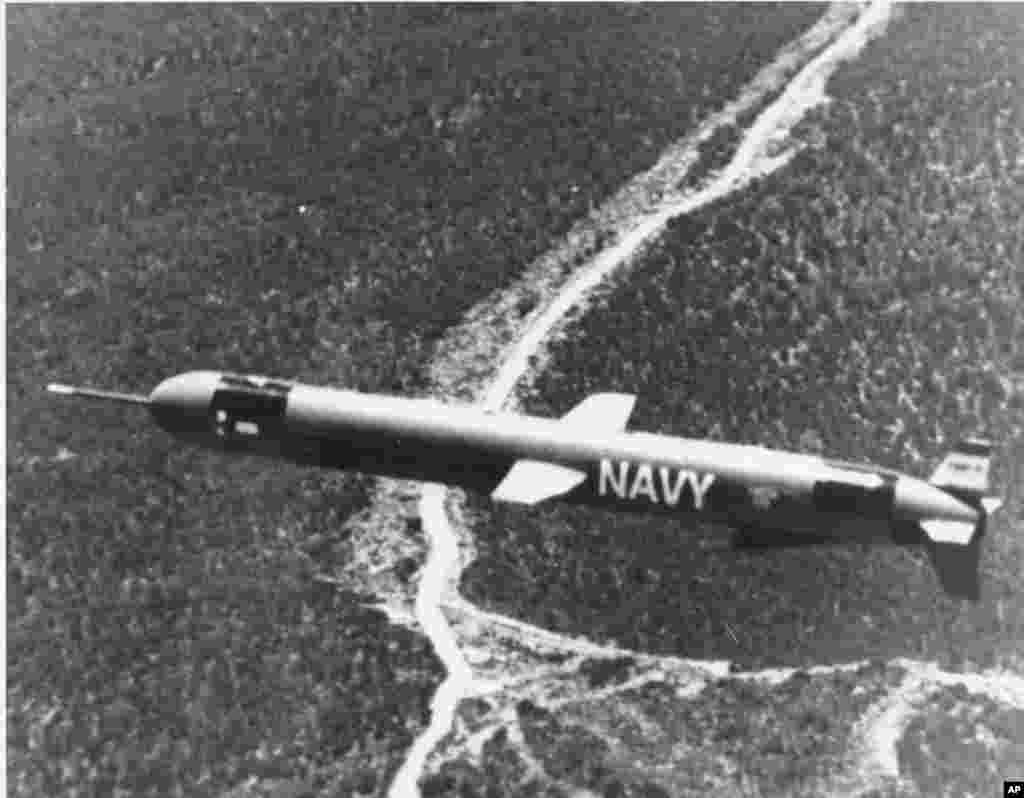
1/9An early iteration of the Tomahawk missile being tested over New Mexico in 1976.
The Tomahawk was developed in the 1970s amid Cold War tensions with the Soviet Union. The cruise missile is designed to fly long distances low enough to evade most radar while maintaining the speed of a passenger jet.
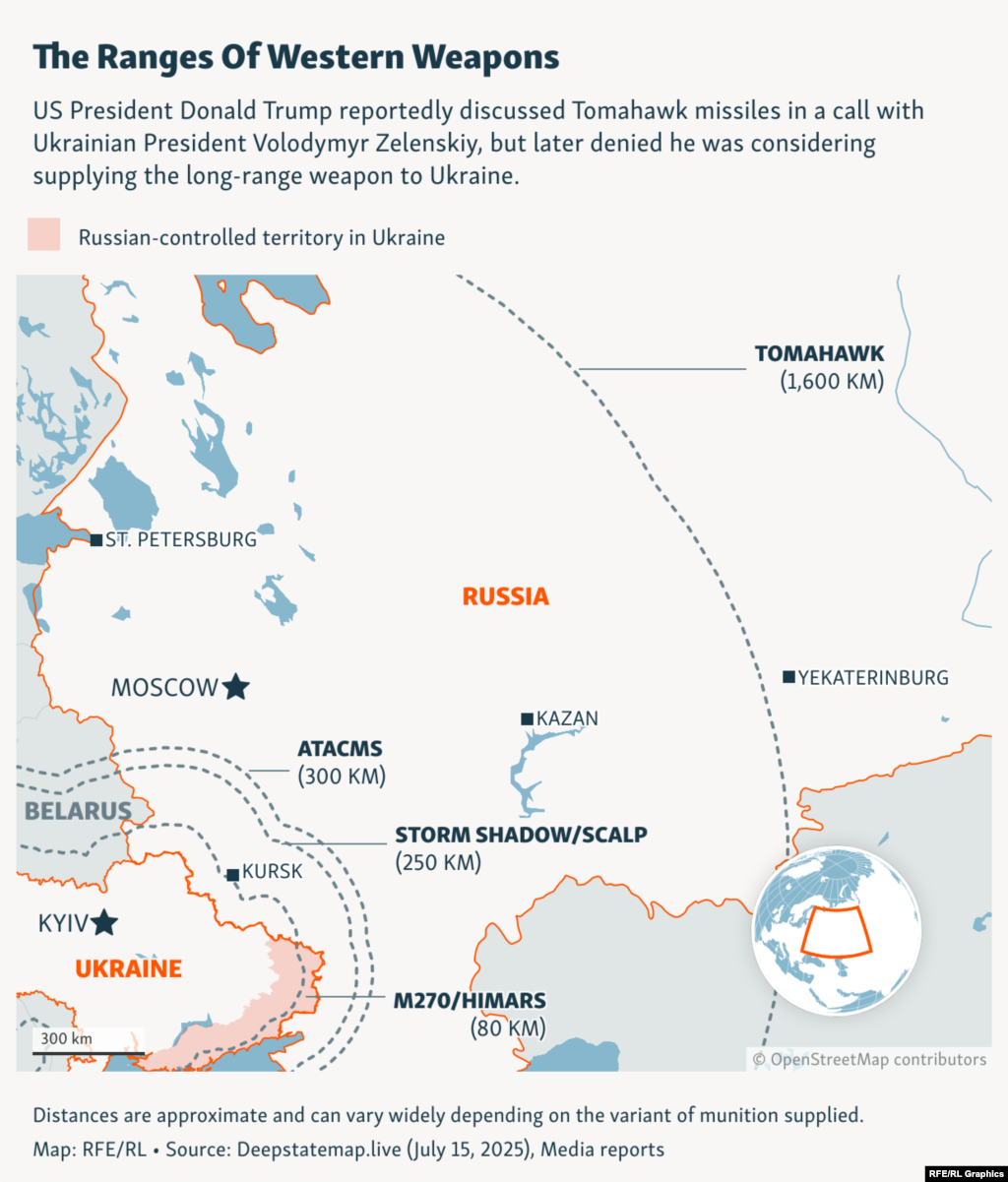
US President Donald Trump told reporters on October 6 that he had "sort of made a decision" about allowing Ukraine access to Tomahawk cruise missiles. If Washington does supply the advanced weapon, here is how it could change the battlefield dynamic between Moscow and Kyiv.
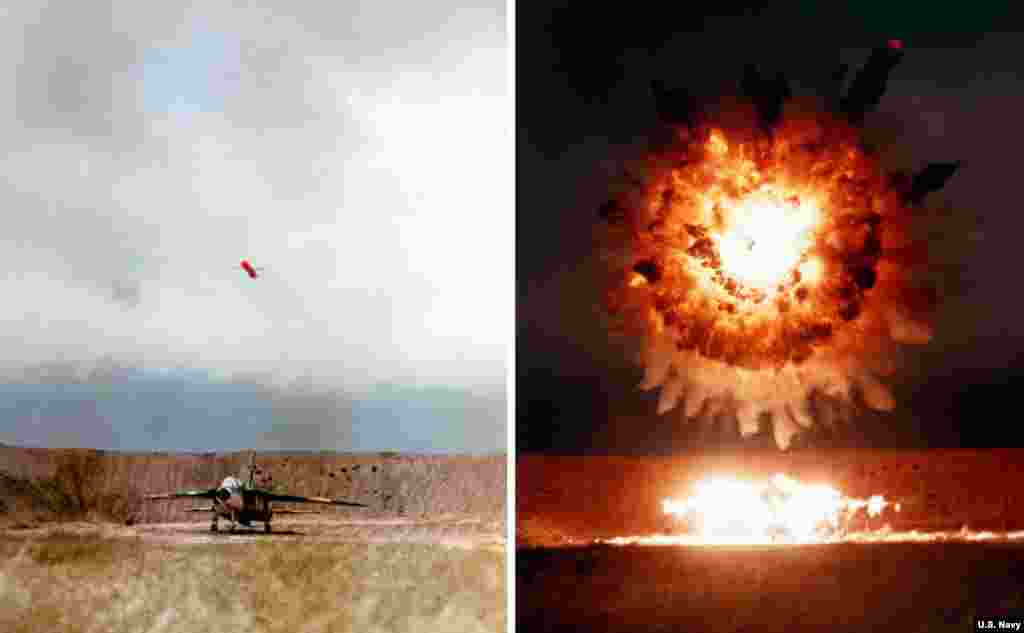
2/9Combination photos show a Tomahawk detonating above a jet during testing in 1986.
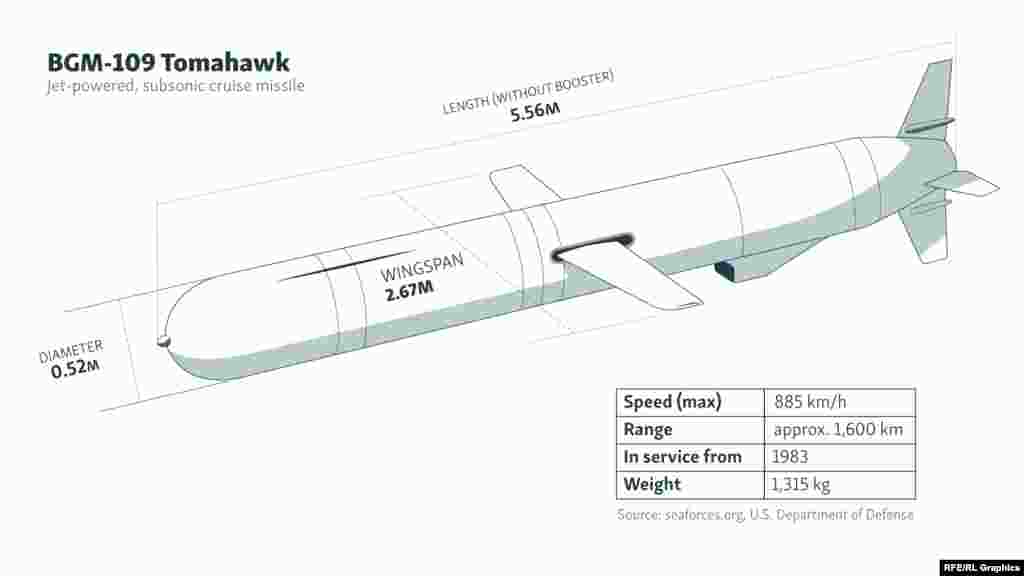
The 5.5-meter-long missile is fitted with a warhead weighing nearly half a ton and can fly around 1,600 kilometers.
US President Donald Trump told reporters on October 6 that he had "sort of made a decision" about allowing Ukraine access to Tomahawk cruise missiles. If Washington does supply the advanced weapon, here is how it could change the battlefield dynamic between Moscow and Kyiv.
3/9The Tomahawk's combination of range, speed, and destructive power makes the weapon unlike anything currently fielded by Ukraine.
US President Donald Trump told reporters on October 6 that he had "sort of made a decision" about allowing Ukraine access to Tomahawk cruise missiles. If Washington does supply the advanced weapon, here is how it could change the battlefield dynamic between Moscow and Kyiv.
4/9Each missile is equipped with complex internal navigation systems, and costs around $2 million.
US President Donald Trump told reporters on October 6 that he had "sort of made a decision" about allowing Ukraine access to Tomahawk cruise missiles. If Washington does supply the advanced weapon, here is how it could change the battlefield dynamic between Moscow and Kyiv.
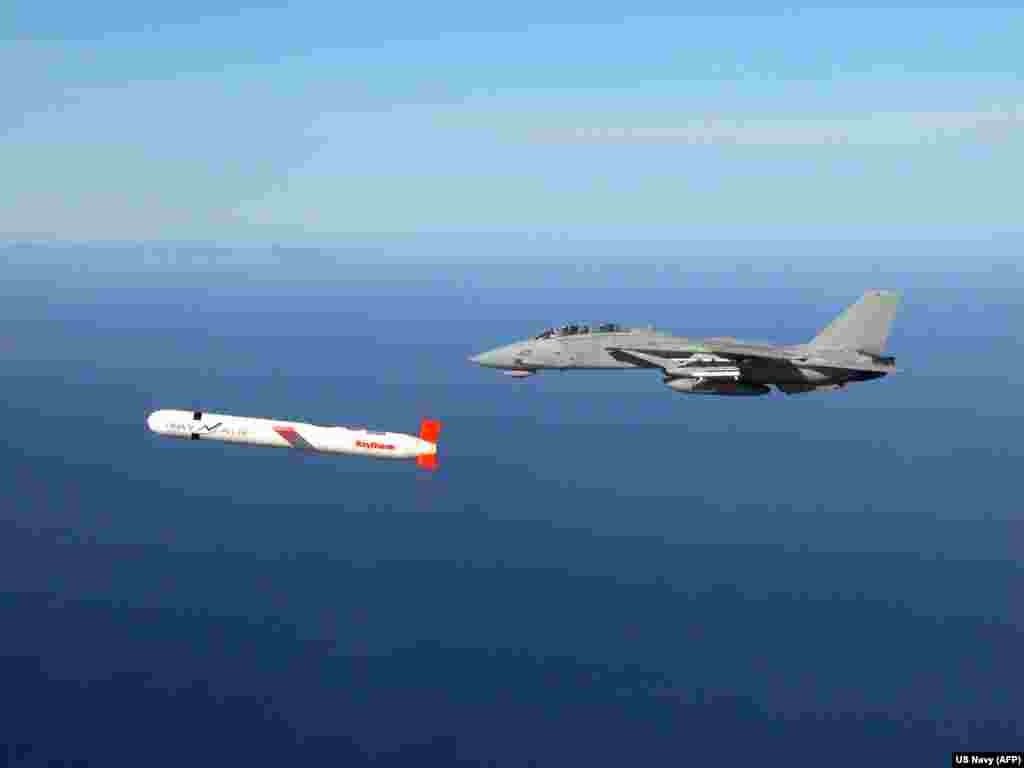
5/9A Tomahawk cruising alongside a US Navy F-14 above southern California in 2002.
Kyiv has repeatedly called for access to long-range US missiles. In 2024, Ukrainian President Volodymyr Zelenskyy hinted that Kyiv had requested Tomahawks. A White House official at the time reportedly called the request “totally unfeasible.”
US President Donald Trump told reporters on October 6 that he had "sort of made a decision" about allowing Ukraine access to Tomahawk cruise missiles. If Washington does supply the advanced weapon, here is how it could change the battlefield dynamic between Moscow and Kyiv.
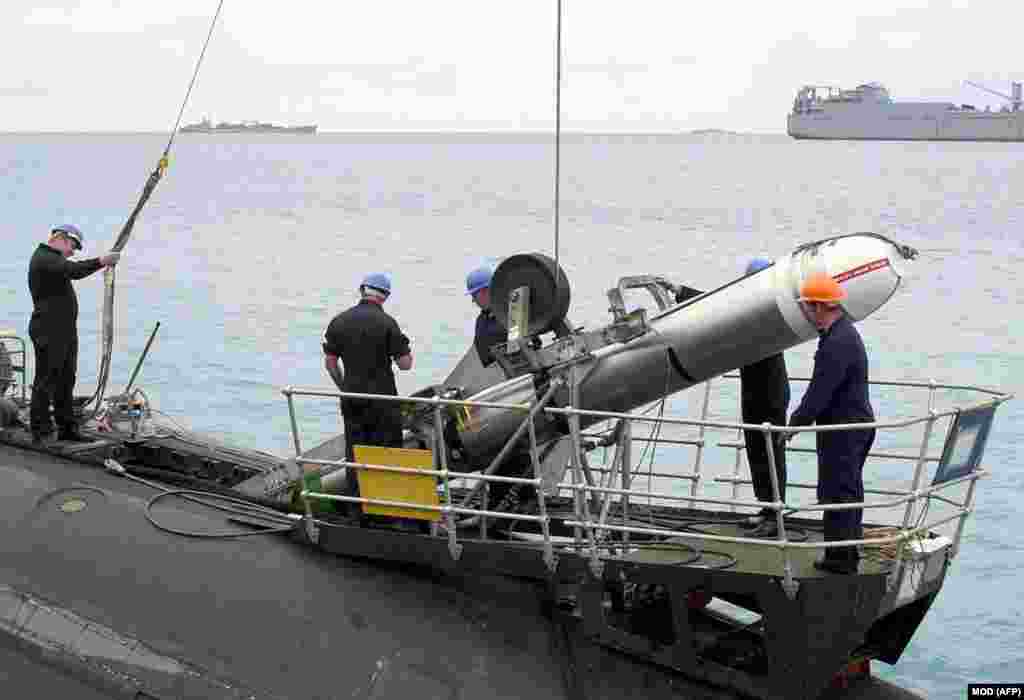
6/9British Navy personnel handle a Tomahawk missile at a naval base in the Indian Ocean in November 2001.
US President Donald Trump has voiced increasing frustration with Moscow over faltering peace negotiations. The potential supply of Tomahawks was reportedly revived recently amid the White House seeking to make the Kremlin “feel the pain” of the war it started.
US President Donald Trump told reporters on October 6 that he had "sort of made a decision" about allowing Ukraine access to Tomahawk cruise missiles. If Washington does supply the advanced weapon, here is how it could change the battlefield dynamic between Moscow and Kyiv.
7/9A submarine-launched Tomahawk hits a target on San Clemente Island, a US Navy training and weapons-testing site off the Southern California coast, during a test in November 1998.
During a phone call in early July, President Trumpreportedly asked Zelenskyy, “Volodymyr, can you hit Moscow? [...] Can you hit St. Petersburg too?” The Ukrainian president is reported to have replied: “Absolutely. We can if you give us the weapons.” On October 6, Trump indicated he was close to making a decision on allowing Kyiv access to Tomahawks but told reporters he would "ask some questions," about Ukraine's plans for the weapon, adding "I'm not looking to escalate that war."
US President Donald Trump told reporters on October 6 that he had "sort of made a decision" about allowing Ukraine access to Tomahawk cruise missiles. If Washington does supply the advanced weapon, here is how it could change the battlefield dynamic between Moscow and Kyiv.
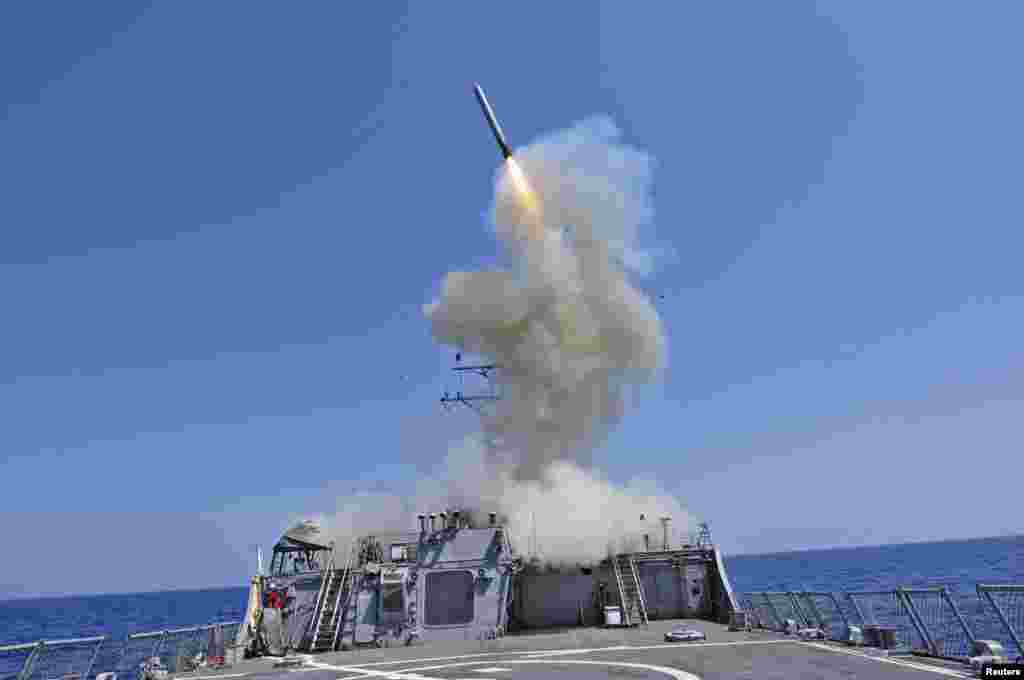
8/9A US Navy vessel launches a Tomahawk missile in the Mediterranean Sea in March 2011.
It is unclear how Ukraine would handle the weapon, which is usually launched from naval ships or submarines. Tomahawks can be launched from some aircraft but a Ukrainian official acknowledged to reporters that Tomahawks, “are not easy to use” without strategic bomber aircraft, which Kyiv does not possess.
US President Donald Trump told reporters on October 6 that he had "sort of made a decision" about allowing Ukraine access to Tomahawk cruise missiles. If Washington does supply the advanced weapon, here is how it could change the battlefield dynamic between Moscow and Kyiv.
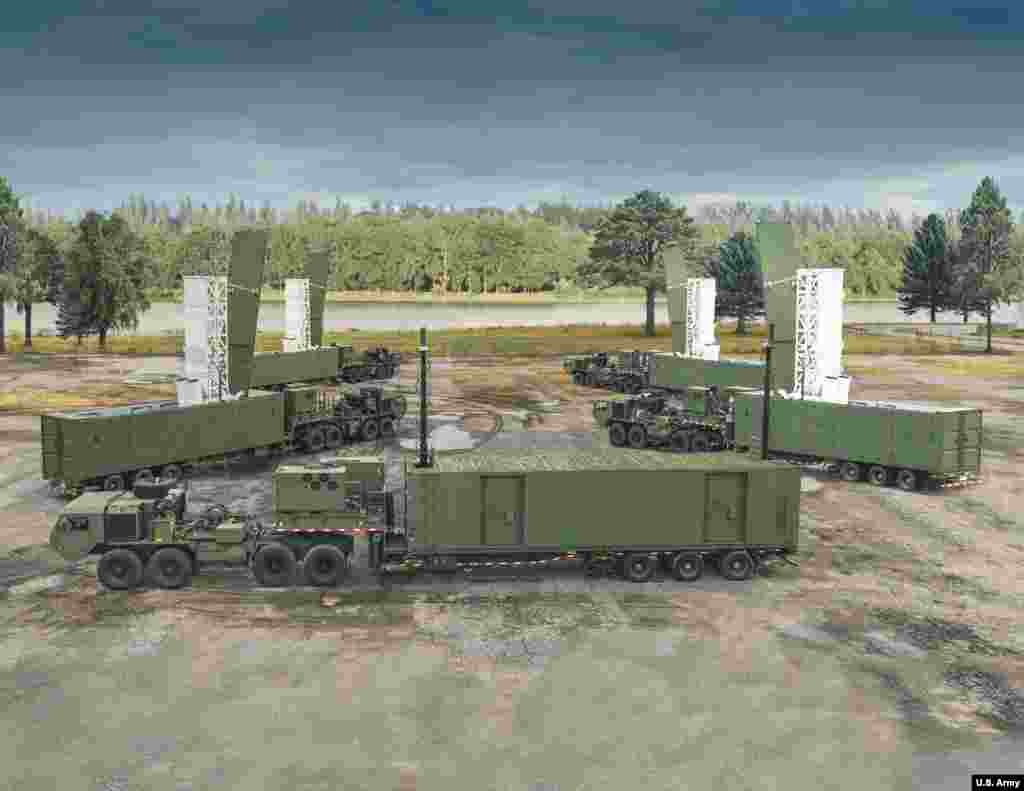
9/9US Typhon systems, which are capable of launching Tomahawk cruise missiles.
Newly developed ground-launchers exist for Tomahawks, but the technology is currently only fielded by the United States. Ground-launch systems for the cruise missile began to be developed after the collapse of the Intermediate-Range Nuclear Forces Treaty in 2019. The US-Russia agreement banned ground-launched missiles with ranges between 500 and 5,500 kilometers.
US President Donald Trump told reporters on October 6 that he had "sort of made a decision" about allowing Ukraine access to Tomahawk cruise missiles. If Washington does supply the advanced weapon, here is how it could change the battlefield dynamic between Moscow and Kyiv.
Previous slide
Next slide
Zelenskyy said in a post on Telegram after arriving in Washington that it appeared that Russia was keen to resume dialogue given the possibility of the US sending Tomahawk missiles.
“We can already see that Moscow is rushing to resume dialogue as soon as it hears about Tomahawks," he said on X.
Trump and Zelenskyy spoke twice over the weekend amid intensifying discussionsabout a potential US decision to provide Tomahawk missiles to Ukraine. Trump has not ruled out doing so, but on October 16 said the United States can't "deplete" its own Tomahawk stocks.
The weapons have a range of up to 2,500 kilometers – long enough to reach Moscow from Ukraine -- and can be equipped with nuclear warheads. Trump described them as a "vicious, offensive, and incredibly destructive weapon," adding, "Nobody wants Tomahawks shot at them."
Trump said he mentioned Tomahawks to Putin during their call, and the Russian leader "didn’t like the idea."

RFE/RL journalists report the news in 24 languages in 18 countries where a free press is banned by the government or not fully established. We provide what many people cannot get locally: uncensored news, responsible discussion, and open debate.