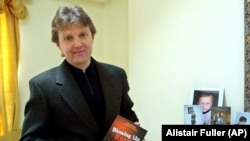
Aleksandr Litvinenko poses with his book, Blowing Up Russia: Terror From Within, at his home in London in May 2002.
The European Court of Human Rights (ECHR) has ruled that Russia was responsible for the "assassination" of former Russian security officer Aleksandr Litvinenko in London in 2006.
Litvinenko, 43, an outspoken critic of Russian President Vladimir Putin, fell ill on November 1, 2006, after he drank tea that was poisoned with polonium-210, a rare, highly radioactive isotope.
He died on November 23 in a London hospital.
A British inquiry concluded in 2016 that Putin probably approved a Russian intelligence operation to murder Litvinenko.
It also identified two Russians -- Andrei Lugovoi, now a Russian lawmaker, and Dmitry Kovtun -- as the primary suspects.
In its ruling issued on September 21, the Strasbourg-based ECHR said it had established "beyond reasonable doubt" that the killing had been carried out by Lugovoi and Kovtun, and that "there was a strong prima facie case that, in poisoning Mr Litvinenko, Mr Lugovoi and Mr Kovtun had been acting as agents of the Russian state."
Over Vladimir Putin's 20 years in power, there have been numerous cases where outspoken Kremlin opponents are suspected of having been poisoned -- sometimes fatally.
Both men and Russia have denied any involvement in Litvinenko's death.
The Kremlin rejected the court ruling, calling it "unsubstantiated."
"The ECHR hardly has the authority or technological capacity to possess information on the matter. There are still no results from this investigation and making such claims is, at the very least, unsubstantiated," Kremlin spokesman Dmitry Peskov said.
Reuters quoted Lugovoi as saying the ECHR ruling was "absolutely politically motivated."
Litvinenko, a former officer in Russia's Federal Security Service (FSB), fled Russia in 1999 after revealing an alleged plan by the FSB to kill tycoon Boris Berezovsky.
Berezovsky had been prominent among the group of Russian businessmen known as the oligarchs who grew rich from the privatization of state assets following the collapse of Soviet communism.
In Photos: The Case Of Aleksandr Litvinenko, The Poisoned Kremlin Critic
1/17A picture of former Russian security agent Aleksandr Litvinenko is pinned to flowers outside University College Hospital in central London on November 23, 2007.
Litvinenko, 43, fell ill on November 1, 2006, after he drank tea that was poisoned with polonium-210, a rare, highly radioactive isotope. He died on November 23, 2006, in the hospital.
Former Russian security agent-turned-Kremlin critic Aleksandr Litvinenko died 15 years ago in London after being poisoned with highly radioactive polonium-210. He had fled to Britain in 2000 after publicly accusing the Federal Security Service of plotting to kill oligarch Boris Berezovsky.
Show moreShow less
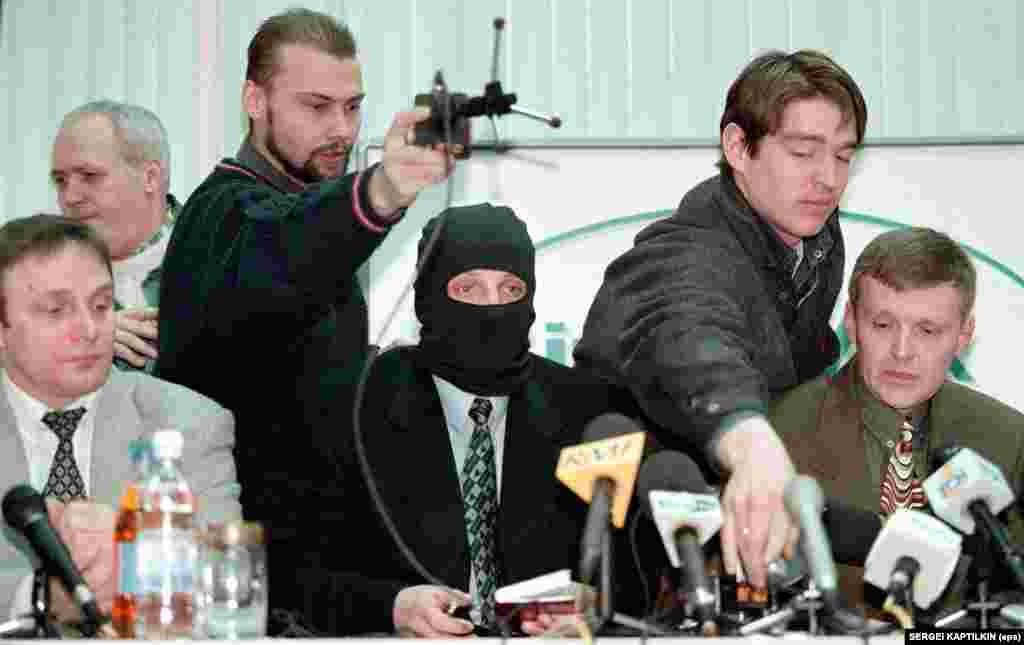
2/17Journalists prepare microphones for a press conference by officers of the Russian Federal Security Service (FSB) at the Interfax news agency in Moscow on November 17, 1998. Former agent Mikhail Trepashkin (seated left), a colleague wearing a mask to protect his identity (center), and Litvinenko (right) accused their FSB commanding officers of ordering kidnappings and assassinations, including an attempt to kill billionaire businessman and power broker Boris Berezovsky.
Former Russian security agent-turned-Kremlin critic Aleksandr Litvinenko died 15 years ago in London after being poisoned with highly radioactive polonium-210. He had fled to Britain in 2000 after publicly accusing the Federal Security Service of plotting to kill oligarch Boris Berezovsky.
Show moreShow less
3/17Litvinenko poses with his book, Blowing Up Russia: Terror From Within, at his home in London in May 2002. In the book, he accused the Russian secret services of staging the Russian apartment bombings in 1999 and other acts of terrorism in an effort to bring Vladimir Putin to power.
Litvinenko fled Russia in 1999 after revealing an alleged plan by the FSB to kill tycoon Boris Berezovsky.
Former Russian security agent-turned-Kremlin critic Aleksandr Litvinenko died 15 years ago in London after being poisoned with highly radioactive polonium-210. He had fled to Britain in 2000 after publicly accusing the Federal Security Service of plotting to kill oligarch Boris Berezovsky.
Show moreShow less
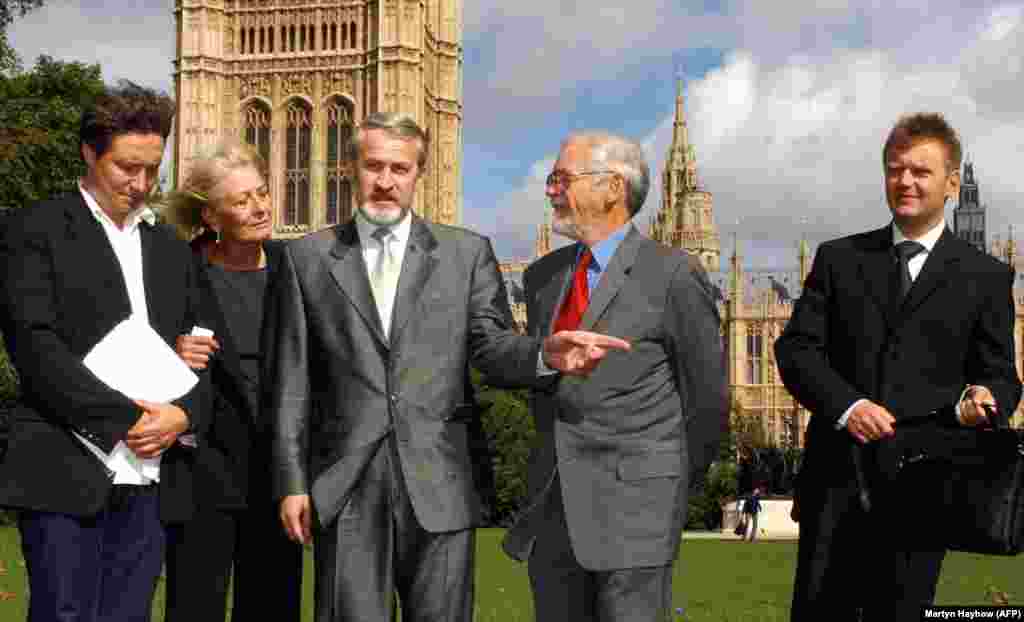
4/17Litvinenko (right) is pictured outside Britain's House of Lords on September 14, 2004, after a press conference calling for international help to resolve the Chechnya conflict. He joined (left to right) filmmaker Andrei Nekrasov; actress and human rights campaigner Vanessa Redgrave; Akhmed Zakayev, a leading Chechen separatist granted asylum in Britain; and Lord Rea, a friend of Litvinenko and director of the Save Chechnya campaign.
Former Russian security agent-turned-Kremlin critic Aleksandr Litvinenko died 15 years ago in London after being poisoned with highly radioactive polonium-210. He had fled to Britain in 2000 after publicly accusing the Federal Security Service of plotting to kill oligarch Boris Berezovsky.
Show moreShow less
5/17Police cordons are erected outside Litvinenko's home in north London on November 27, 2006, after his death.
Former Russian security agent-turned-Kremlin critic Aleksandr Litvinenko died 15 years ago in London after being poisoned with highly radioactive polonium-210. He had fled to Britain in 2000 after publicly accusing the Federal Security Service of plotting to kill oligarch Boris Berezovsky.
Show moreShow less
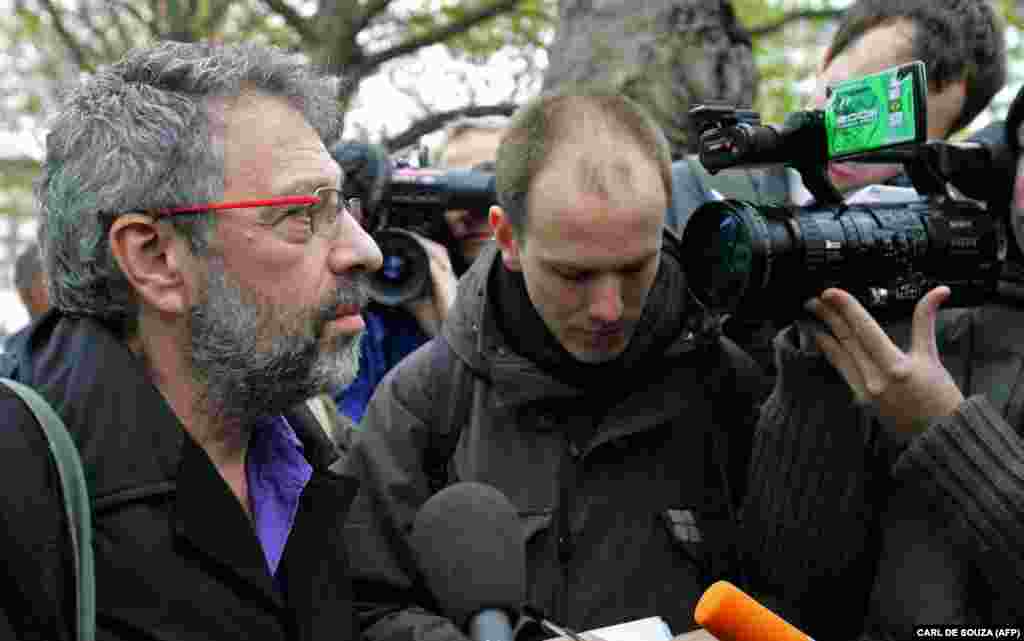
6/17Alex Goldfarb (left), a close friend of Litvinenko's, is interviewed by the media as he arrives at University College Hospital in central London on November 20, 2006. Litvinenko dictated a statement two days before his death, which was read out by Goldfarb.
Former Russian security agent-turned-Kremlin critic Aleksandr Litvinenko died 15 years ago in London after being poisoned with highly radioactive polonium-210. He had fled to Britain in 2000 after publicly accusing the Federal Security Service of plotting to kill oligarch Boris Berezovsky.
Show moreShow less
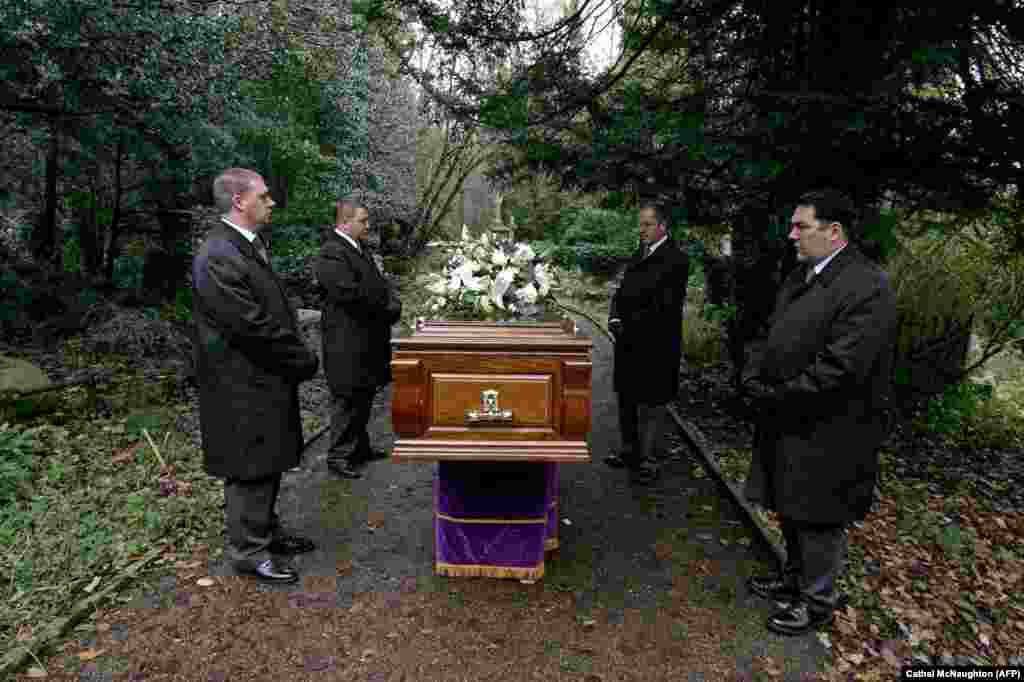
7/17Litvinenko's casket is prepared for burial at Highgate Cemetery in north London on December 7, 2006.
Former Russian security agent-turned-Kremlin critic Aleksandr Litvinenko died 15 years ago in London after being poisoned with highly radioactive polonium-210. He had fled to Britain in 2000 after publicly accusing the Federal Security Service of plotting to kill oligarch Boris Berezovsky.
Show moreShow less
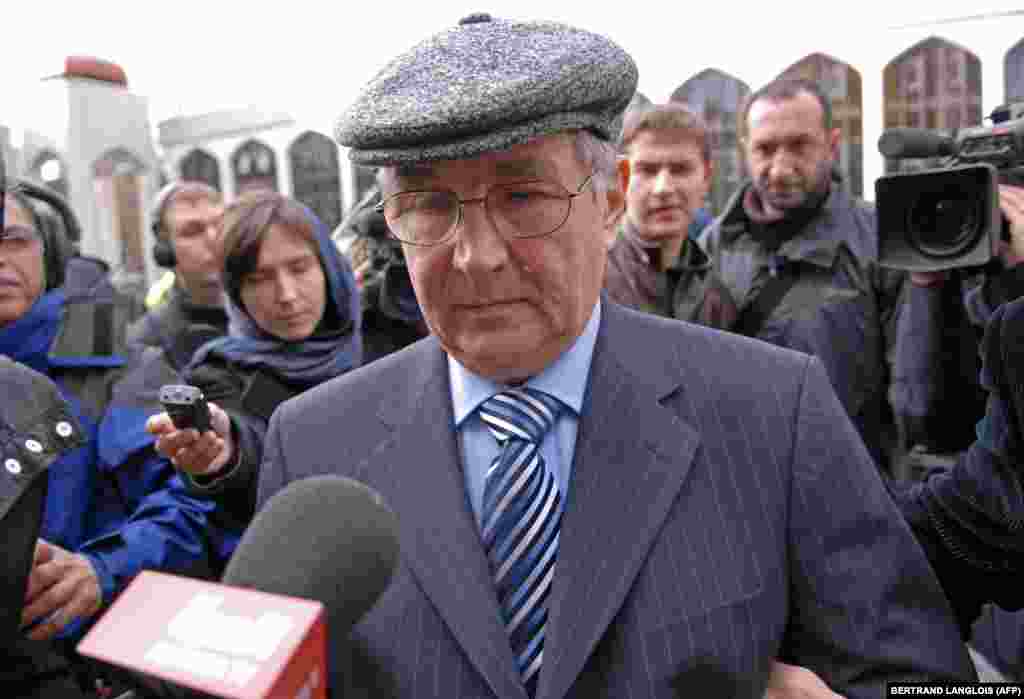
8/17Litvinenko's father, Walter, arrives at Regents Park Mosque on December 7, 2006. Family and friends paid their respects to the former Russian agent during a memorial at the London mosque two weeks after his death.
Former Russian security agent-turned-Kremlin critic Aleksandr Litvinenko died 15 years ago in London after being poisoned with highly radioactive polonium-210. He had fled to Britain in 2000 after publicly accusing the Federal Security Service of plotting to kill oligarch Boris Berezovsky.
Show moreShow less
9/17Copies of Death Of A Dissident by Alex Goldfarb and Marina Litvinenko are displayed at a press conference to launch the book at the Foreign Press Association in London on June 19, 2007. During the press conference, Litvinenko's widow spoke of her health concerns and the ongoing case to find the person who poisoned her husband.
Former Russian security agent-turned-Kremlin critic Aleksandr Litvinenko died 15 years ago in London after being poisoned with highly radioactive polonium-210. He had fled to Britain in 2000 after publicly accusing the Federal Security Service of plotting to kill oligarch Boris Berezovsky.
Show moreShow less
10/17Andrei Lugovoi (left), a former KGB officer, and his associate Dmitry Kovtun, attend a news conference in Moscow on November 1, 2007. A British inquiry concluded in 2016 that Russian President Vladimir Putin probably approved an intelligence operation to kill Litvinenko. It identified Lugovoi, now a Russian lawmaker, and Kovtun as the primary suspects.
Former Russian security agent-turned-Kremlin critic Aleksandr Litvinenko died 15 years ago in London after being poisoned with highly radioactive polonium-210. He had fled to Britain in 2000 after publicly accusing the Federal Security Service of plotting to kill oligarch Boris Berezovsky.
Show moreShow less
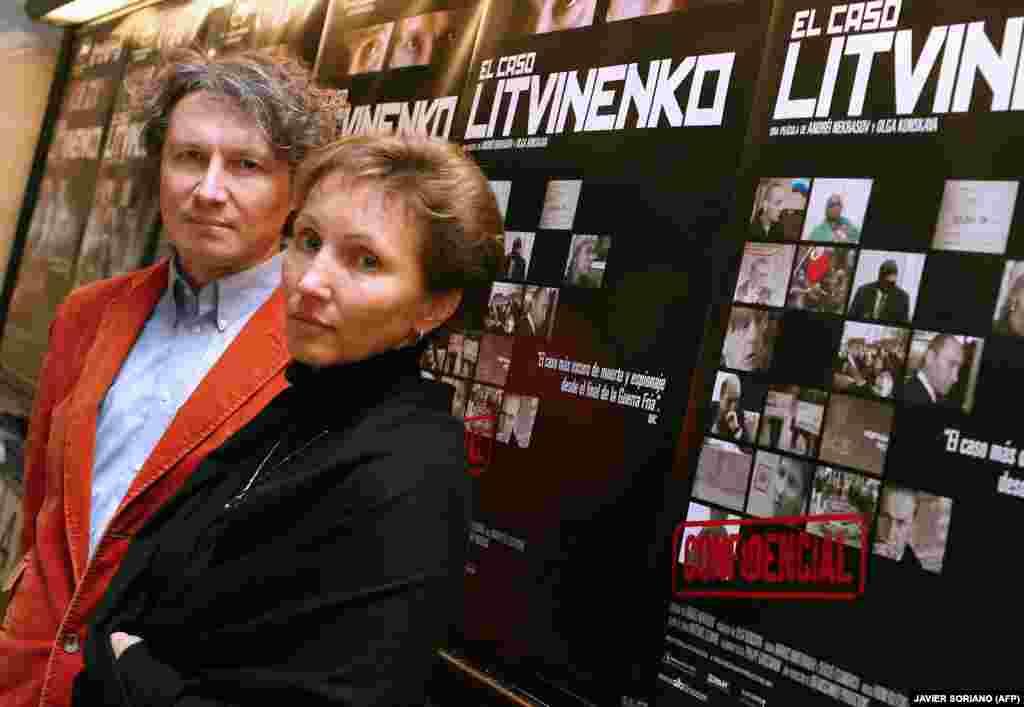
11/17Marina Litvinenko (right) and Russian director Andrei Nekrasov attend the screening of the film Rebellion: The Litvinenko Case in Madrid on December 20, 2007.
Former Russian security agent-turned-Kremlin critic Aleksandr Litvinenko died 15 years ago in London after being poisoned with highly radioactive polonium-210. He had fled to Britain in 2000 after publicly accusing the Federal Security Service of plotting to kill oligarch Boris Berezovsky.
Show moreShow less
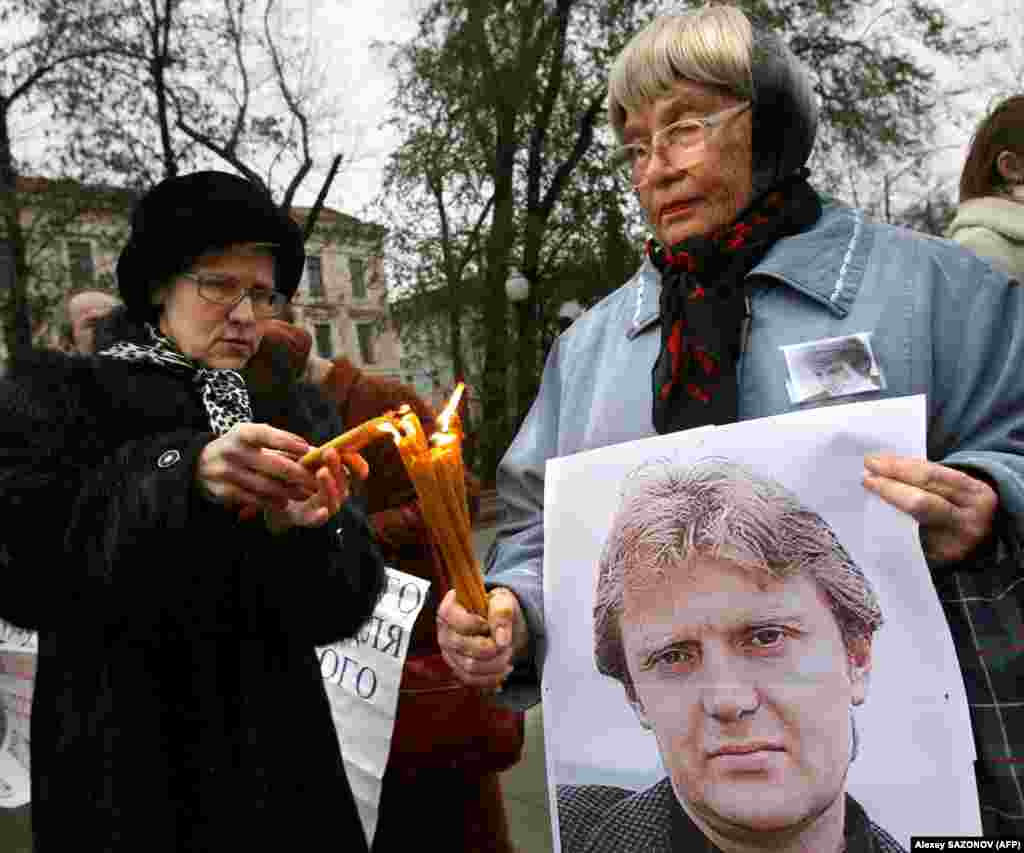
12/17Women hold a poster of Litvinenko and light candles during a Moscow memorial on November 22, 2008.
Former Russian security agent-turned-Kremlin critic Aleksandr Litvinenko died 15 years ago in London after being poisoned with highly radioactive polonium-210. He had fled to Britain in 2000 after publicly accusing the Federal Security Service of plotting to kill oligarch Boris Berezovsky.
Show moreShow less
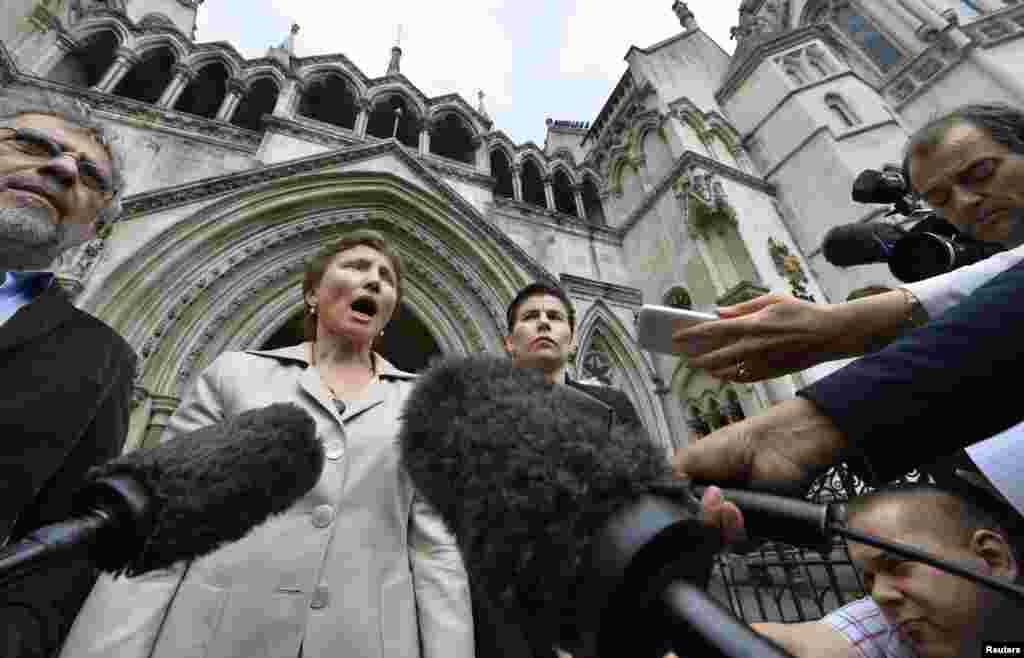
13/17Marina Litvinenko speaks to the media as she leaves the High Court in London on July 12, 2013, amid calls for a public inquiry into her husband's death.
Former Russian security agent-turned-Kremlin critic Aleksandr Litvinenko died 15 years ago in London after being poisoned with highly radioactive polonium-210. He had fled to Britain in 2000 after publicly accusing the Federal Security Service of plotting to kill oligarch Boris Berezovsky.
Show moreShow less
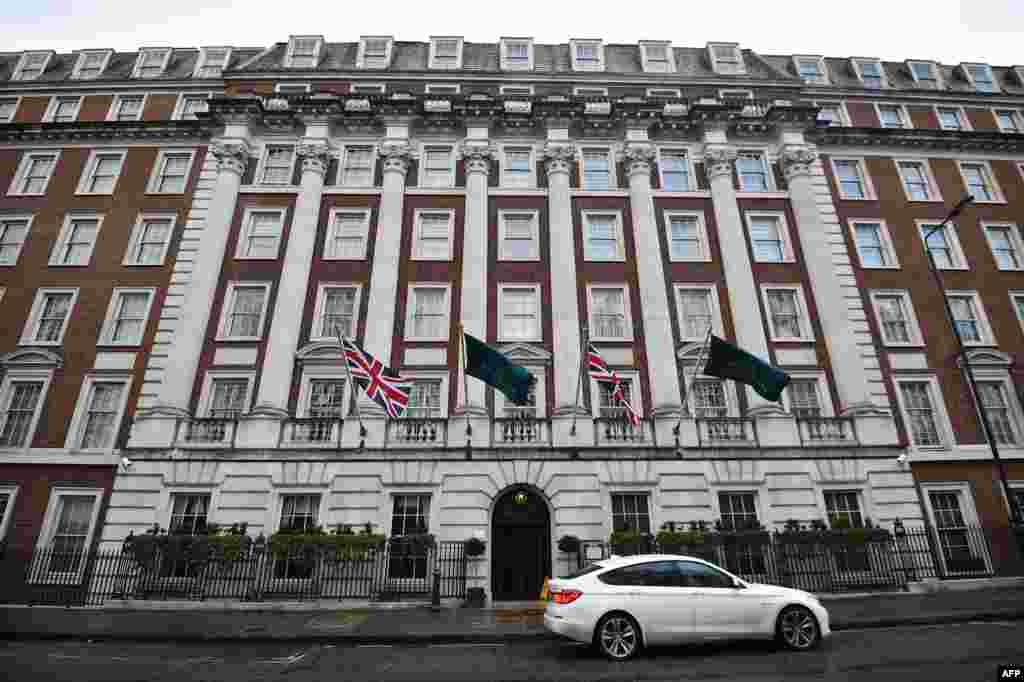
14/17London's Millennium Hotel, where Litvinenko was allegedly poisoned. An inquiry into the radiation poisoning of the former Russian agent opened on January 27, 2015.
Former Russian security agent-turned-Kremlin critic Aleksandr Litvinenko died 15 years ago in London after being poisoned with highly radioactive polonium-210. He had fled to Britain in 2000 after publicly accusing the Federal Security Service of plotting to kill oligarch Boris Berezovsky.
Show moreShow less
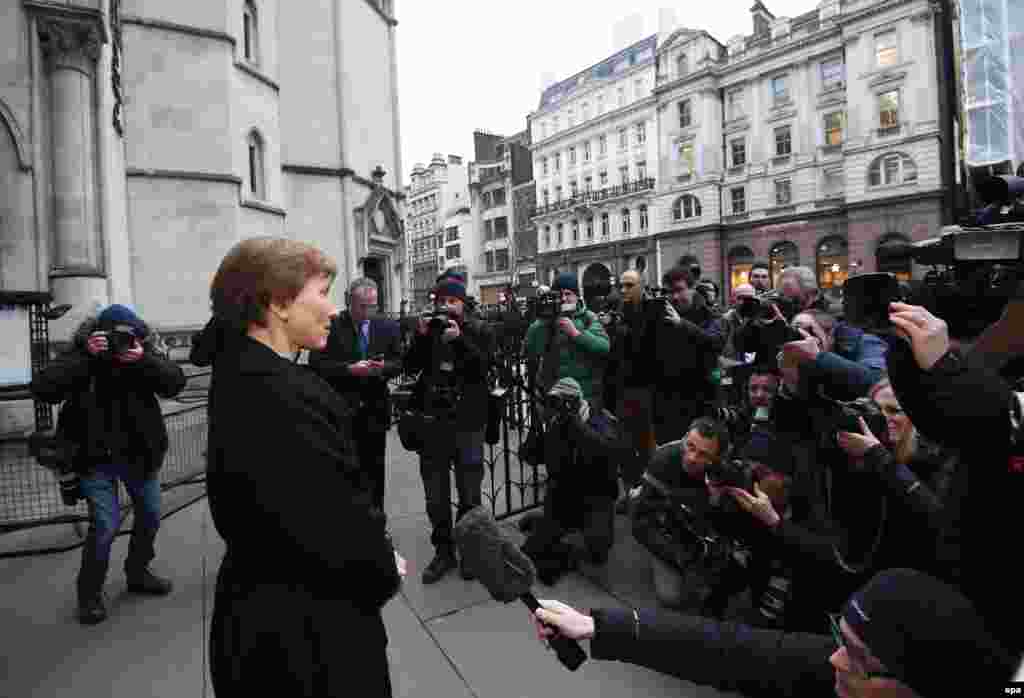
15/17Marina Litvinenko makes a statement outside the High Court in central London on January 21, 2016, after findings from a public inquiry into the killing of her husband were released by a British judge.
Former Russian security agent-turned-Kremlin critic Aleksandr Litvinenko died 15 years ago in London after being poisoned with highly radioactive polonium-210. He had fled to Britain in 2000 after publicly accusing the Federal Security Service of plotting to kill oligarch Boris Berezovsky.
Show moreShow less
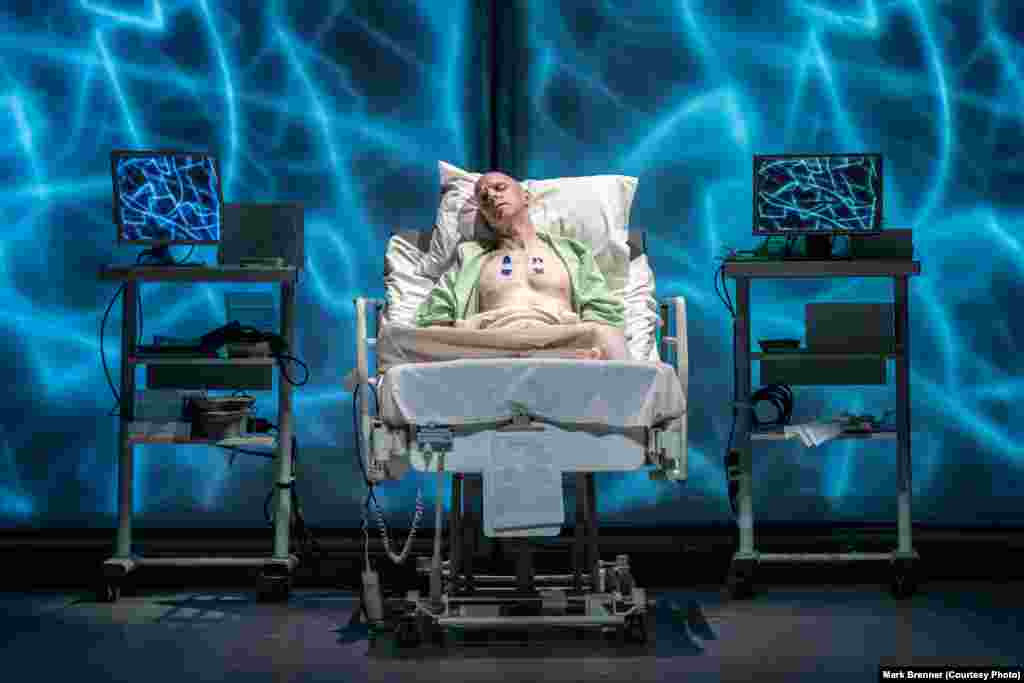
16/17Adrian Dwyer portrays Litvinenko in the British performance of The Life And Death Of Aleksandr Litvinenko at the Grange Park Opera in Surrey on February 2020.
Former Russian security agent-turned-Kremlin critic Aleksandr Litvinenko died 15 years ago in London after being poisoned with highly radioactive polonium-210. He had fled to Britain in 2000 after publicly accusing the Federal Security Service of plotting to kill oligarch Boris Berezovsky.
Show moreShow less
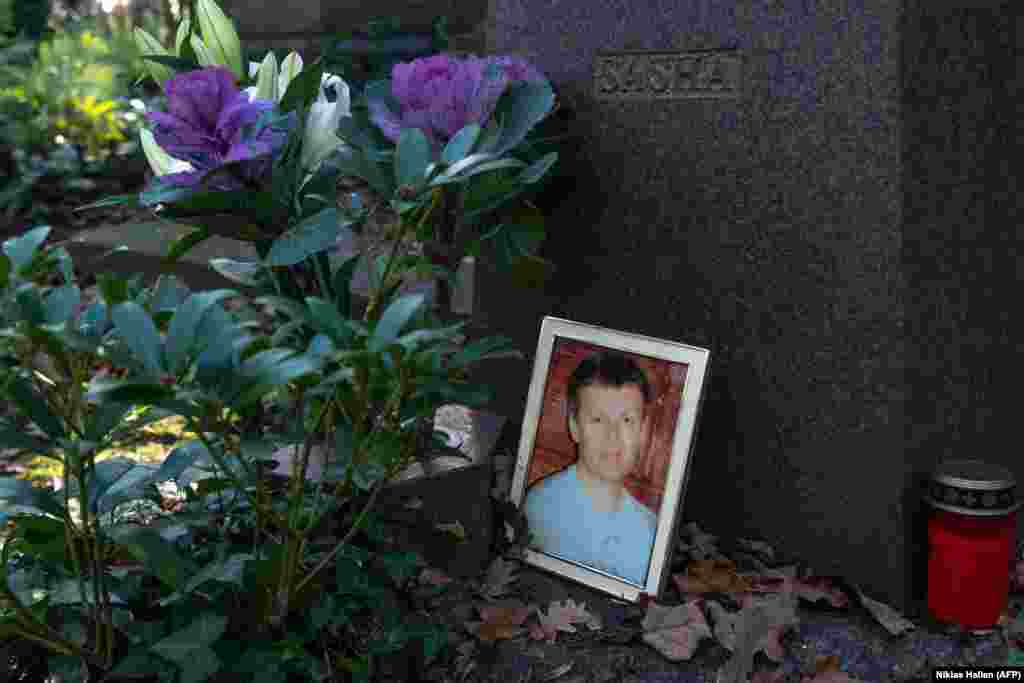
17/17A photograph sits beside Aleksandr Litvinenko's gravestone in Highgate Cemetery in North London.
Former Russian security agent-turned-Kremlin critic Aleksandr Litvinenko died 15 years ago in London after being poisoned with highly radioactive polonium-210. He had fled to Britain in 2000 after publicly accusing the Federal Security Service of plotting to kill oligarch Boris Berezovsky.
Show moreShow less
Previous slide
Next slide
As a Kremlin insider under former Russian President Boris Yeltsin, Berezovsky helped Putin rise to succeed his predecessor in 2000.
But when Putin moved to curb the political powers of the oligarchs, Berezovsky left Russia for self-imposed exile in Britain, where his criticism of Putin grew.
In 2006, the year Litvinenko was poisoned in London, Putin signed a law authorizing security agencies to carry out targeted assassinations abroad.
In January 2016, British Judge Robert Owen, who led an inquiry into Litvinenko's death, said it was probable that Putin, a former Soviet KGB officer who once headed the FSB, had approved the operation.
Owen said he was certain Lugovoi and Kovtun killed Litvinenko by placing the lethal dose of polonium-210 in his tea during a meeting at a London hotel.
British investigators have found traces of polonium-210 in hotels, restaurants, and aircraft used by Lugovoi, who was reportedly treated for radiation poisoning in Moscow in December 2006.
Lugovoi was elected a member of the Russian State Duma in 2007 and Putin awarded him a state medal "for services to the fatherland" in 2015.
RFE/RL's Russian Service is a multi-platform alternative to Russian state-controlled media, providing audiences in the Russian Federation with informed and accurate news, analysis, and opinion.