





KYIV -- In the early morning hours of July 2, Maryna heard the air raid sirens and rushed to one of the local shelters in the Kyiv region as a barrage of Russian missiles and drones engulfed the dark skies above. When she emerged, she could only stand in shock at what was in front of her.
Firefighters rushed around her apartment building as flames lapped at its concrete walls. All around her was destruction: burnt out cars, charred trees, glass strewn everywhere.
"Oh my God, I just can't. I don't know what to do -- it's such a nightmare," she told RFE/RL tearfully as she stood out front of her building.
"Right up until the last minute, I thought my apartment wouldn't be hit, because it seemed like the missiles were coming from the other side," she said, her voice trembling as she tried to process the night's events.
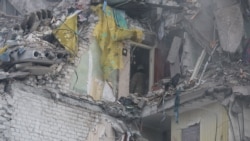

Fires and extensive damage to civilian infrastructure and residential buildings were reported across several districts of the city, according to Ukraine's State Emergency Service.
Kyiv officials said at least 30 were dead and scores of others injured in one of the largest offensives Russia has launched on the city this year.
Anton, another Kyiv resident, said he was at home when a blast wave from one of the drones or missiles hit, leaving him wounded.
"I was hit by shrapnel. My leg was injured, and I also have wounds on my back. But somehow, we made it through," he told RFE/RL.
The assault came amid weeks of Ukrainian drone strikes that have targeted Russian oil refineries, a campaign that caused fuel shortages nationwide and stoked discontent among Russians disconnected the Ukraine war, now in its fifth year.
Russia's military said the assault was in response to "terrorist attacks" against Russian "civilian infrastructure." Kremlin spokesman Dmitry Peskov said Moscow intended to increase pressure on Kyiv to achieve its war aims.
Ukrainian President Volodymyr Zelenskyy said an ambulance station, a research institute, and a hotel were among the sites damaged in the July 2 strikes.
"In total, Russia launched more than 70 missiles of various types against Ukraine overnight, nearly half of them ballistic missiles, along with almost 500 attack drones," Zelenskyy wrote in a post on X.
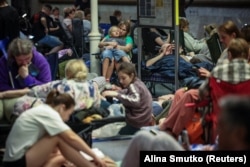
Kyiv's Metropoliten subway reported a record-breaking number of 52,500 people sheltering underground during the attack, including 4,500 children.
Ukrainian Foreign Minister Andriy Sybiha called the attacks "grave war crimes," and called on partners and international organizations to provide "strong responses."
"I also want to particularly emphasize that it is immoral to justify Russian atrocities against Ukrainians by saying that Moscow acts in response to Ukraine's long-range strikes against Russia," he said in post to X.
On the eve of the attack, Zelenskyy suggested that he had received intelligence ahead of a time that Moscow was planning the assault. The situation was so concerning he immediately returned to Kyiv from Ireland, where he was on an official visit.

Katarina Mathernova, the EU ambassador to Ukraine, said that "Russia unleashed hell on Kyiv" overnight. She said accommodations used by some diplomatic personnel had been hit, though no diplomats were harmed.
Hours after the attacks, European Union foreign policy chief Kaja Kallas said Ukraine needs sustained military support and increased pressure on Moscow to help stop Russian attacks.
"Words of condemnation alone will not stop attacks on Kyiv," she said in a post on X.
"Today, I will propose to sanction more entities supporting Russia’s military-industrial complex in response to the strikes. The more Moscow attacks civilians, the more sanctions must be imposed."
For its part, Ukraine continued its widening drone campaign overnight, launching more than 330 drones at targets in the Moscow and Leningrad regions.
Kyiv Mayor Vitali Klitschko announced a day of mourning on July 3.