


Accessibility links

Breaking News

Zelenskyy Calls For More Pressure On Russia As Moscow Intensifies Attacks On Ukraine’s Energy Infrastructure

Updated
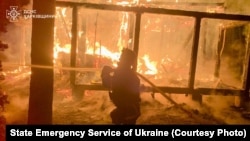
The aftermath of a Russian attack in Ukraine's Kharkiv region on October 12

Ukrainian President Volodymyr Zelenskyy renewed calls on the international community to put more pressure on Moscow, as Russia carried out a new wave of attacks on Ukraine’s energy infrastructure, cutting power to hundreds of thousands of households.

Zelenskyy said on October 12 that Russia had intensified its "aerial terror against our cities and communities, intensifying strikes on our energy infrastructure."

In the past week alone, Moscow had used more than 3,100 drones, 92 missiles, and about 1,360 glide bombs to attack Ukraine, Zelenskyy wrote on the social media platform X.

Zelenskyy accused Moscow of escalating its strikes on Ukraine, “openly exploiting the fact that the world is focused on ensuring peace in the Middle East,” a reference to US efforts to broker a cease-fire and hostage deal between Israel and Hamas, a group designated terrorist by Washington and the EU.

"That is precisely why no weakening of pressure can be allowed. Sanctions, tariffs, and joint actions against the buyers of Russian oil -- those who finance this war -- must all remain on the table," Zelenskyy wrote.

Zelenskyy also said that he spoke with his US counterpart Donald Trump for the second time in two days, describing their conversation as "very productive.”

"We covered all the aspects of the situation: defense of life in our country, strengthening our capabilities -- in air defense, resilience, and long-range capabilities," Zelenskyy said in a post on X.

The latest phone call between the two leaders came amid Western media reports of possible US supplies of long-range Tomahawk missiles to Ukraine.

The Kremlin said the topic of potential deliveries was "of extreme concern," warning that the war has reached a dramatic moment, with escalation from all sides.

Revealing details of his call with Trump, Zelenskyy later said such "signals" from Russia indicated fear, adding that Tomahawk missiles could strengthen Ukraine's position amid US-brokered peace efforts.

On October 6, Trump said he wanted to know what Ukraine planned to do with such missiles, as he aimed to avoid further escalation.

In comments to Fox News broadcast on October 12, Zelenskyy said Ukraine would only use the missiles against military assets and would not attack civilians inside Russia.

Here Is What Tomahawk Missiles Could Do For Ukraine
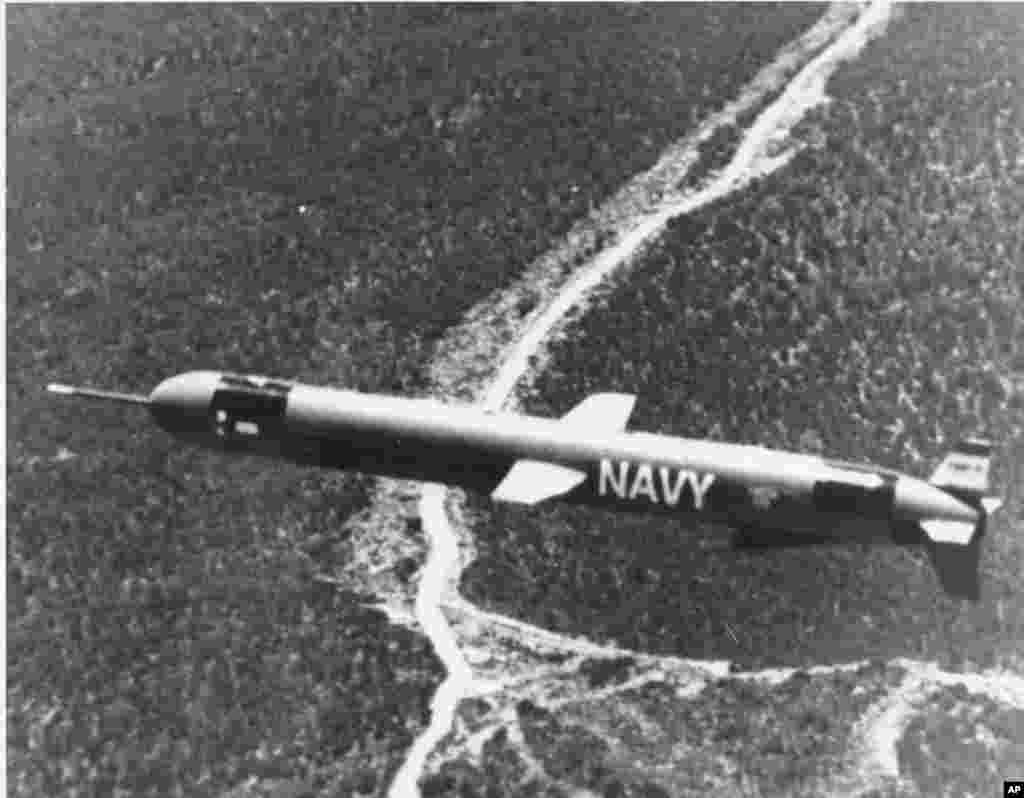
An early iteration of the Tomahawk missile being tested over New Mexico in 1976.<br><br>The Tomahawk was developed in the 1970s amid Cold War tensions with the Soviet Union. The cruise missile is designed to fly long distances low enough to evade most radar while maintaining the speed of a passenger jet.
1/9 An early iteration of the Tomahawk missile being tested over New Mexico in 1976.

The Tomahawk was developed in the 1970s amid Cold War tensions with the Soviet Union. The cruise missile is designed to fly long distances low enough to evade most radar while maintaining the speed of a passenger jet.
US President Donald Trump told reporters on October 6 that he had "sort of made a decision" about allowing Ukraine access to Tomahawk cruise missiles. If Washington does supply the advanced weapon, here is how it could change the battlefield dynamic between Moscow and Kyiv.
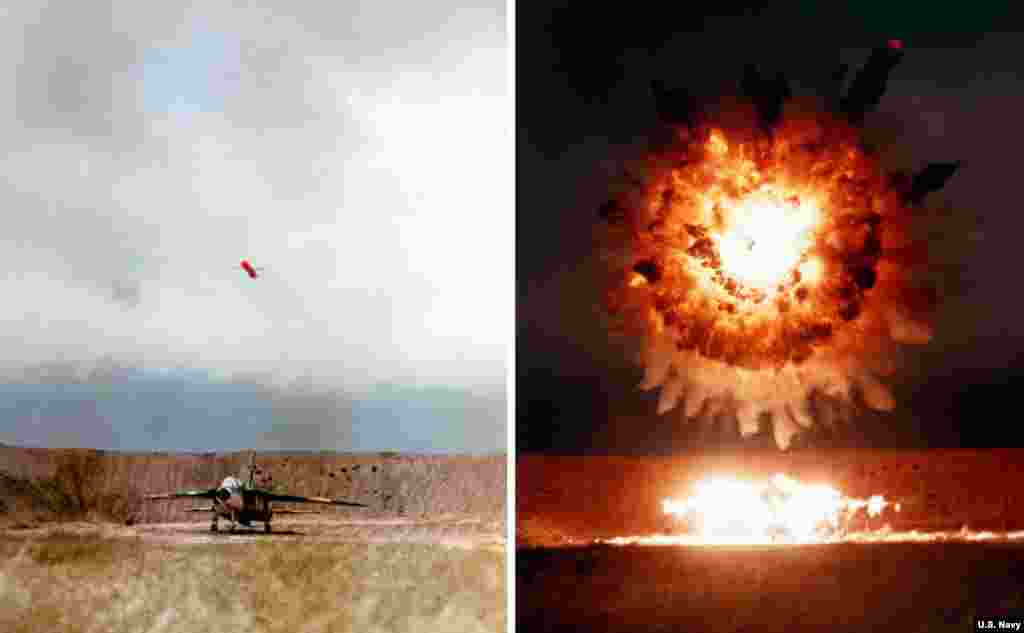
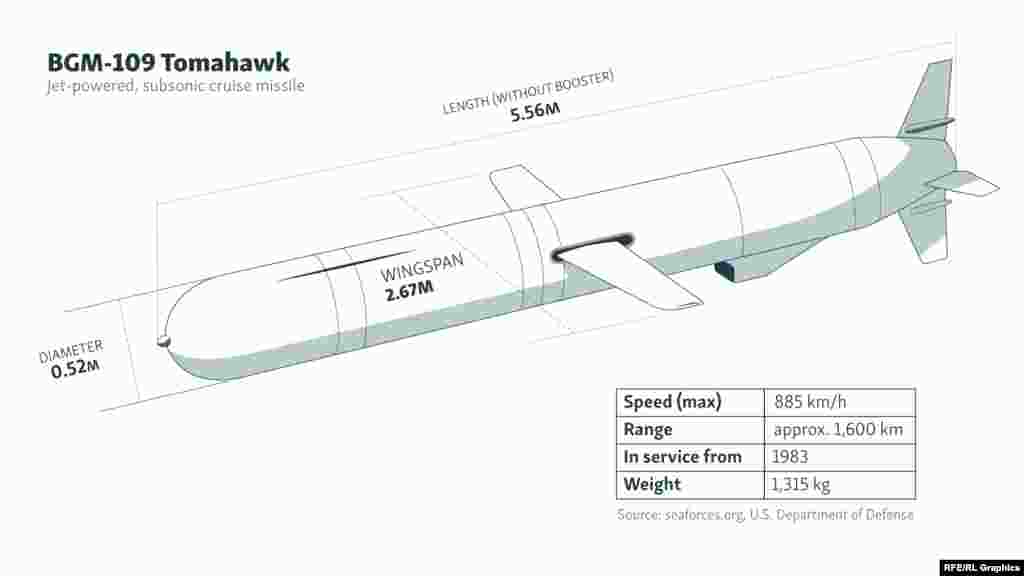
Combination photos show a Tomahawk detonating above a jet during testing in 1986.<br><br>The 5.5-meter-long missile is fitted with a warhead weighing nearly half a ton and can fly around 1,600 kilometers.
2/9 Combination photos show a Tomahawk detonating above a jet during testing in 1986.

The 5.5-meter-long missile is fitted with a warhead weighing nearly half a ton and can fly around 1,600 kilometers.
US President Donald Trump told reporters on October 6 that he had "sort of made a decision" about allowing Ukraine access to Tomahawk cruise missiles. If Washington does supply the advanced weapon, here is how it could change the battlefield dynamic between Moscow and Kyiv.
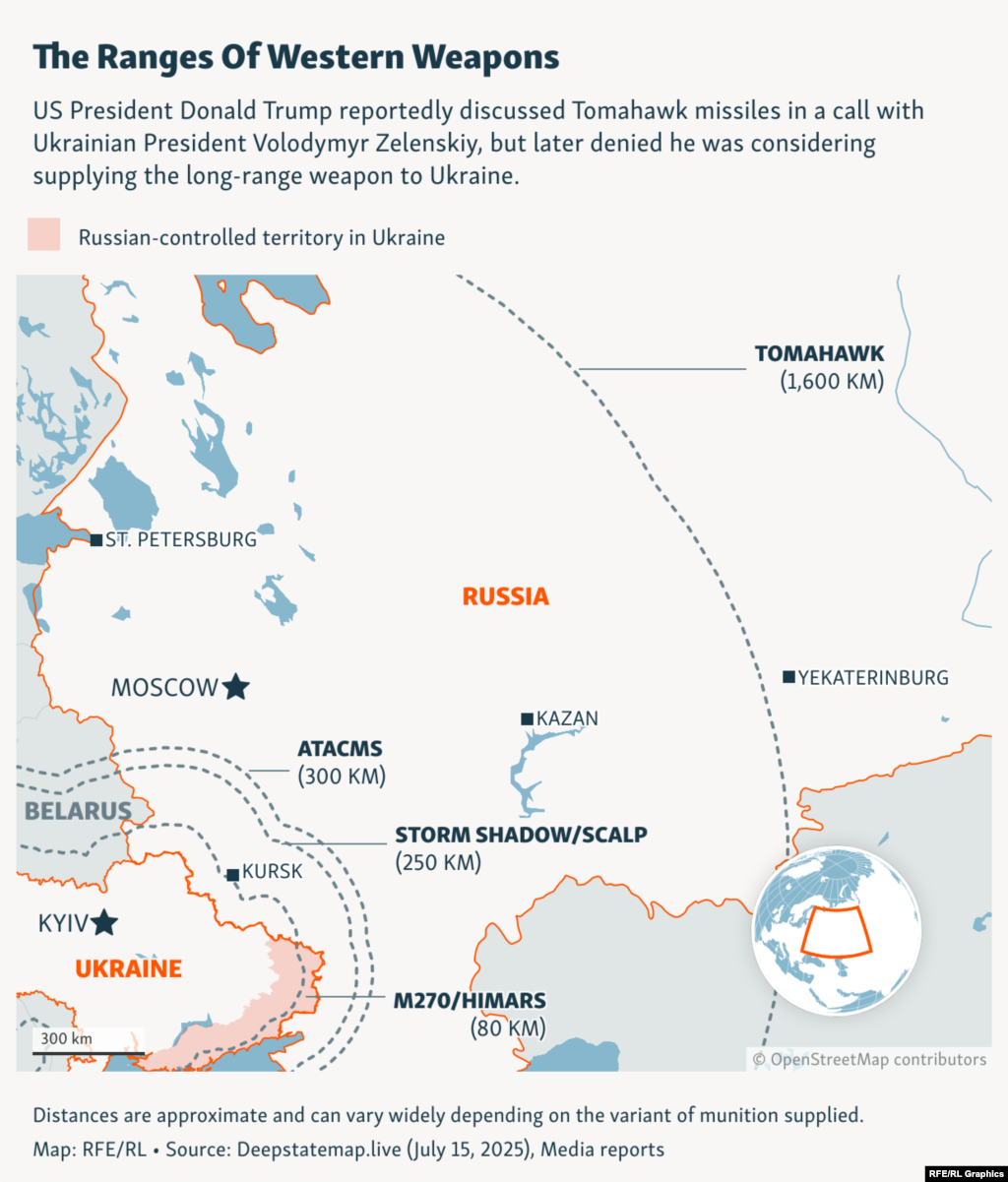
The Tomahawk's combination of range, speed, and destructive power makes the weapon unlike anything currently fielded by Ukraine.
3/9 The Tomahawk's combination of range, speed, and destructive power makes the weapon unlike anything currently fielded by Ukraine.
US President Donald Trump told reporters on October 6 that he had "sort of made a decision" about allowing Ukraine access to Tomahawk cruise missiles. If Washington does supply the advanced weapon, here is how it could change the battlefield dynamic between Moscow and Kyiv.
Each missile is equipped with complex internal navigation systems, and costs around $2 million.
4/9 Each missile is equipped with complex internal navigation systems, and costs around $2 million.
US President Donald Trump told reporters on October 6 that he had "sort of made a decision" about allowing Ukraine access to Tomahawk cruise missiles. If Washington does supply the advanced weapon, here is how it could change the battlefield dynamic between Moscow and Kyiv.
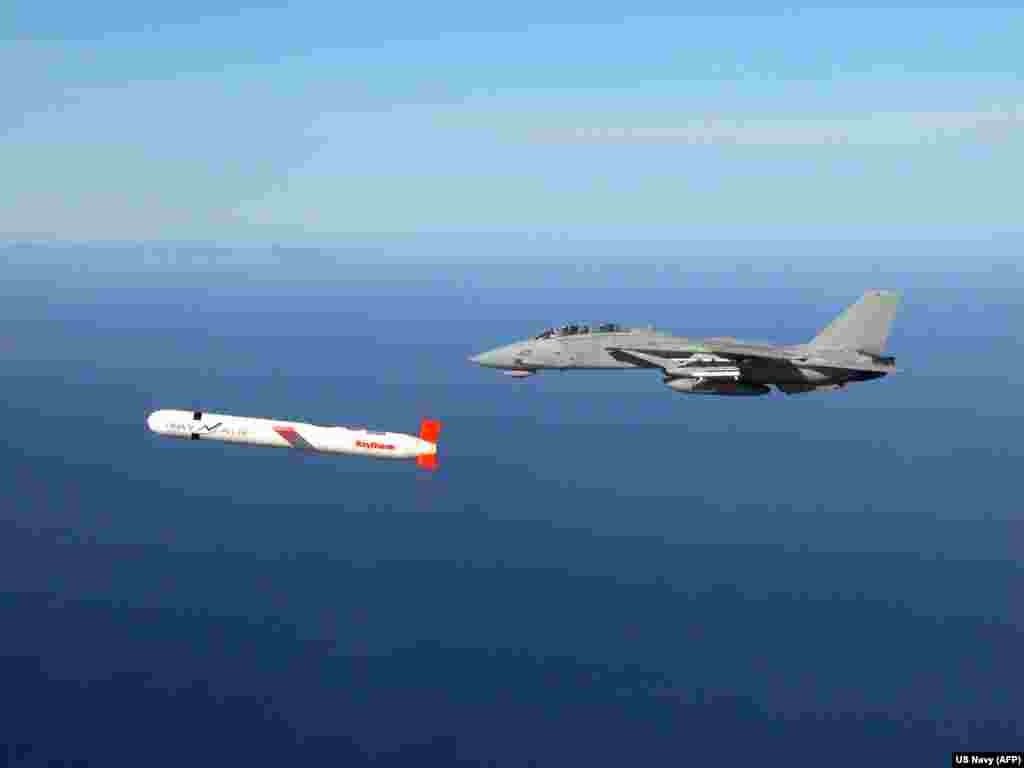
A Tomahawk cruising alongside a US Navy F-14 above southern California in 2002.<br><br>Kyiv has repeatedly called for access to long-range US missiles. In 2024, <a href="https://www.reuters.com/world/europe/zelenskiy-strongly-hints-ukraine-seeking-tomahawk-missiles-us-2024-10-30/" target="_self"><strong>Ukrainian President Volodymyr Zelenskyy hinted</strong></a> that Kyiv had requested Tomahawks. A White House official at the time reportedly called the request “totally unfeasible.”
5/9 A Tomahawk cruising alongside a US Navy F-14 above southern California in 2002.

Kyiv has repeatedly called for access to long-range US missiles. In 2024, Ukrainian President Volodymyr Zelenskyy hinted that Kyiv had requested Tomahawks. A White House official at the time reportedly called the request “totally unfeasible.”
US President Donald Trump told reporters on October 6 that he had "sort of made a decision" about allowing Ukraine access to Tomahawk cruise missiles. If Washington does supply the advanced weapon, here is how it could change the battlefield dynamic between Moscow and Kyiv.
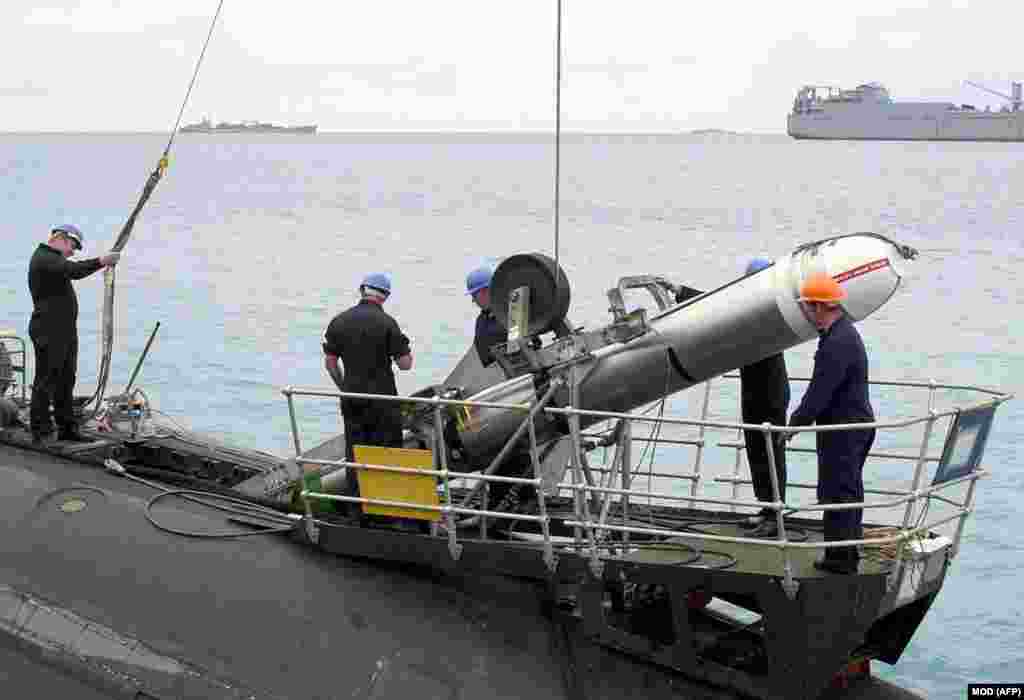
British Navy personnel handle a Tomahawk missile at a naval base in the Indian Ocean in November 2001.<br><br>US President Donald Trump has voiced increasing frustration with Moscow over faltering peace negotiations. The potential supply of Tomahawks was reportedly revived recently amid the White House seeking to make the Kremlin “feel the pain” of the war it started.
6/9 British Navy personnel handle a Tomahawk missile at a naval base in the Indian Ocean in November 2001.

US President Donald Trump has voiced increasing frustration with Moscow over faltering peace negotiations. The potential supply of Tomahawks was reportedly revived recently amid the White House seeking to make the Kremlin “feel the pain” of the war it started.
US President Donald Trump told reporters on October 6 that he had "sort of made a decision" about allowing Ukraine access to Tomahawk cruise missiles. If Washington does supply the advanced weapon, here is how it could change the battlefield dynamic between Moscow and Kyiv.
A submarine-launched Tomahawk hits a target on San Clemente Island, a US Navy training and weapons-testing site off the Southern California coast, during a test in November 1998.<br><br>During a phone call in early July, President Trump<strong> </strong><a href="https://www.ft.com/content/b66f03b5-e295-4f8c-92ba-516a527d588c" class="wsw__a" dir="ltr"><strong>reportedly asked</strong></a> Zelenskyy, “Volodymyr, can you hit Moscow? [...] Can you hit St. Petersburg too?” The Ukrainian president is reported to have replied: “Absolutely. We can if you give us the weapons.” On October 6, Trump indicated he was close to making a decision on allowing Kyiv access to Tomahawks but told reporters he would "ask some questions," about Ukraine's plans for the weapon, adding "I'm not looking to escalate that war."
7/9 A submarine-launched Tomahawk hits a target on San Clemente Island, a US Navy training and weapons-testing site off the Southern California coast, during a test in November 1998.

During a phone call in early July, President Trump reportedly asked Zelenskyy, “Volodymyr, can you hit Moscow? [...] Can you hit St. Petersburg too?” The Ukrainian president is reported to have replied: “Absolutely. We can if you give us the weapons.” On October 6, Trump indicated he was close to making a decision on allowing Kyiv access to Tomahawks but told reporters he would "ask some questions," about Ukraine's plans for the weapon, adding "I'm not looking to escalate that war."
US President Donald Trump told reporters on October 6 that he had "sort of made a decision" about allowing Ukraine access to Tomahawk cruise missiles. If Washington does supply the advanced weapon, here is how it could change the battlefield dynamic between Moscow and Kyiv.
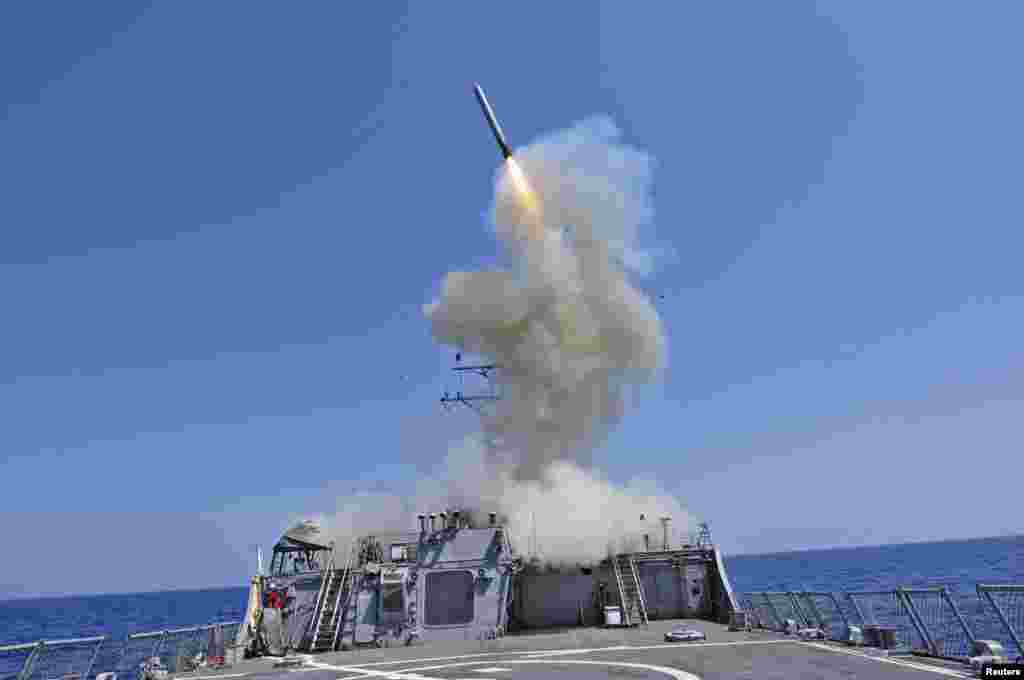
A US Navy vessel launches a Tomahawk missile in the Mediterranean Sea in March 2011.<br><br>It is unclear how Ukraine would handle the weapon, which is usually launched from naval ships or submarines. Tomahawks can be launched from some aircraft but a Ukrainian official acknowledged to reporters that Tomahawks, “are not easy to use” without strategic bomber aircraft, which Kyiv does not possess.
8/9 A US Navy vessel launches a Tomahawk missile in the Mediterranean Sea in March 2011.

It is unclear how Ukraine would handle the weapon, which is usually launched from naval ships or submarines. Tomahawks can be launched from some aircraft but a Ukrainian official acknowledged to reporters that Tomahawks, “are not easy to use” without strategic bomber aircraft, which Kyiv does not possess.
US President Donald Trump told reporters on October 6 that he had "sort of made a decision" about allowing Ukraine access to Tomahawk cruise missiles. If Washington does supply the advanced weapon, here is how it could change the battlefield dynamic between Moscow and Kyiv.
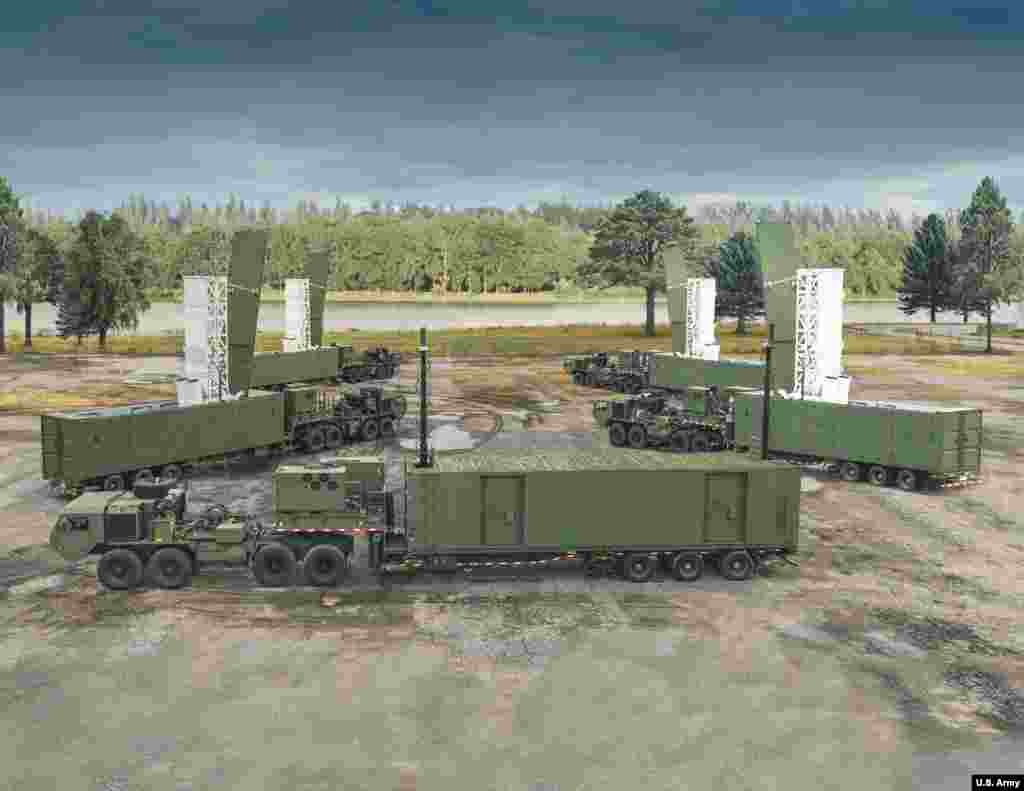
US Typhon systems, which are capable of launching Tomahawk cruise missiles.<br><br>Newly developed ground-launchers exist for Tomahawks, but the technology is currently only fielded by the United States. Ground-launch systems for the cruise missile began to be developed after the collapse of the Intermediate-Range Nuclear Forces Treaty in 2019. The US-Russia agreement banned ground-launched missiles with ranges between 500 and 5,500 kilometers.<br>
9/9 US Typhon systems, which are capable of launching Tomahawk cruise missiles.

Newly developed ground-launchers exist for Tomahawks, but the technology is currently only fielded by the United States. Ground-launch systems for the cruise missile began to be developed after the collapse of the Intermediate-Range Nuclear Forces Treaty in 2019. The US-Russia agreement banned ground-launched missiles with ranges between 500 and 5,500 kilometers.
US President Donald Trump told reporters on October 6 that he had "sort of made a decision" about allowing Ukraine access to Tomahawk cruise missiles. If Washington does supply the advanced weapon, here is how it could change the battlefield dynamic between Moscow and Kyiv.
Previous slide
Next slide

Meanwhile, Ukrainian authorities said on October 12 that Russian forces targeted Ukraine’s electricity and gas transportation networks overnight in the latest strike on the country’s energy system ahead of winter.

Energy workers and rescuers scrambled to restore stable power supplies “despite the risks to their own lives,” Ukraine’s Energy Ministry said on social media.

The latest Russian attacks targeted the Chernihiv region in Ukraine’s north, Donetsk in its east, and the southwestern Odesa region, the ministry said.

Ukrainian authorities did not say how many people were affected by energy outages. Similar attacks the previous day had temporarily cut off electricity to over 1 million households across Ukraine, according to the Ukrainian energy firm DTEK.
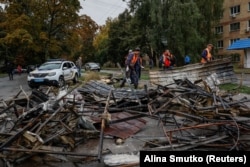
Ukrainian municipal service workers clean up debris near buildings damaged during Russian drone and missile strikes in the town of Brovary, outside of Kyiv, October 10, 2025.

Russia has targeted Ukraine's energy infrastructure each winter since it invaded the country in 2022, leaving millions of people without electricity, heating, and water supplies.

Moscow denies targeting civilians and claims that Ukraine uses the energy sites to supply power to its military sector. Russia’s Defense Ministry said on October 12 that its forces carried out strikes against Ukrainian energy infrastructure facilities that it said are part of Kyiv’s military-industrial complex.

The ministry said in a statement that the attacks “inflicted damage on fuel and energy infrastructure facilitating the operations of Ukraine's military and defense industry.”

Kyiv insists Russian strikes are primarily aimed against Ukrainian civilians and accuses Moscow of committing brazen war crimes.

In his nightly video address, Zelenskyy on October 12 said that Ukrainian forces had made gains in the Zaporizhzhya and Donetsk regions.

"Ukrainian units are continuing our counteroffensive operations in the Dobropillya area and elsewhere -- notably in the Zaporizhzhya sector, near Orikhiv, where our troops have advanced more than 3 kilometers to date," he said.

Orikhiv, with a prewar population of 14,000 but with only a few hundred people left, has been a frontline city since the start of Russia’s February 2022 full-scale invasion.

The office of the regional prosecutor in the northeastern province of Kharkiv on October 12 posted images of what it described as Ukrainian prosecutors and police investigators gathering “evidence of a war crime committed by the Russian military” at the site of a latest strike by Moscow’s forces in the city of Chuhuiv.

The authorities said the Russian drone attack on Chuhuiv damaged an educational facility and a vehicle, and shuttered windows in residential buildings.

Kyiv renewed its own air strikes on Russia overnight, with Russia’s Defense Ministry saying on October 12 that its air defenses had shot down 72 Ukrainian drones over the past 24 hours.

With reporting by Reuters, AFP, and dpa
  • 16x9 Image

    RFE/RL's Ukrainian Service

    RFE/RL's Ukrainian Service has seen its audience grow significantly since Russia's full-scale invasion in February 2022 and is among the most cited media outlets in the country. Its bold, in-depth reporting from the front lines has won many accolades and awards. Its comprehensive coverage also includes award-winning reporting by the Donbas.Realities and Crimea.Realities projects and the Schemes investigative unit.

This item is part of
XS
SM
MD
LG